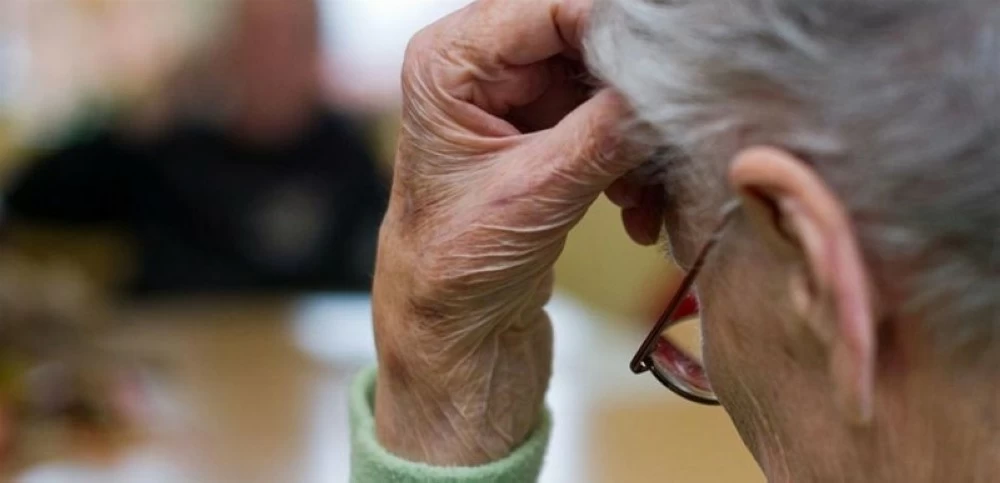
كشفت بيانات رسمية حديثة أن مرض الخرف يتسبب في وفيات بوتيرة أسرع من المتوقع في إنجلترا، حيث سُجلت نحو 2500 حالة وفاة زائدة بسبب المرض خلال العام الماضي، في مؤشر مقلق على تفاقم أحد أخطر التحديات الصحية في البلاد.
وأظهرت الأرقام أن أكثر من 68 ألف شخص توفوا بسبب الخرف في عام 2025، وهو ما يمثل نحو حالة وفاة واحدة من كل ست وفيات ناجمة عن الأسباب الرئيسية المسجلة.
وبحسب صحيفة ديلي ميل، يصادف هذا العام مرور عقد كامل على تصدر الخرف قائمة أكبر أسباب الوفاة في المملكة المتحدة، بعد أن تجاوز أمراض القلب عام 2015، وهو المركز الذي احتفظ به باستثناء عامي جائحة كوفيد-19 في 2020 و2021. ووفقاً لبيانات مكتب الإحصاءات الوطنية البريطاني، سُجل في عام 2014 نحو 501 ألف وفاة في إنجلترا وويلز، كانت أمراض القلب مسؤولة عن نحو 66 ألفاً منها، لتكون السبب الأول للوفاة آنذاك، بينما تسبب الخرف، بما في ذلك مرض ألزهايمر، في أقل من 60 ألف وفاة. لكن المعادلة تغيّرت بحلول عام 2015، حين بلغ إجمالي الوفيات نحو 530 ألفاً، وسُجلت نحو 61,700 وفاة بسبب الخرف وألزهايمر، متجاوزة أمراض القلب التي ارتبطت بنحو 61 ألف وفاة.
الأرقام الجديدة، التي نُشرت هذا الأسبوع، تستند إلى مقياس «الوفيات الزائدة»، وهو مؤشر يقارن عدد الوفيات الفعلي بالتوقعات المبنية على الاتجاهات السابقة، والنمو السكاني، وشيخوخة المجتمع. ويهدف هذا المقياس إلى إظهار ما إذا كانت معدلات الوفاة ترتفع بما يفوق ما كان متوقعاً، وليس فقط نتيجة ازدياد أعداد كبار السن. وفي حالة الخرف، أظهرت البيانات أن 2,588 شخصاً إضافياً توفوا بسبب المرض في إنجلترا خلال العام الماضي مقارنة بما كان متوقعاً، حتى بعد أخذ عوامل العمر والنمو السكاني في الاعتبار. وعلى الرغم من أن إجمالي الوفيات في إنجلترا كان أقل من المتوقع خلال العام نفسه، فإن الخرف والإنفلونزا كانا العاملين الرئيسيين وراء هذا الاختلاف، وفي المقابل، سجلت أمراض القلب والسرطان وفيات أقل من التوقعات، ما يعكس تحسناً في التمويل والأبحاث وخيارات العلاج. وتوقعت الإحصاءات الرسمية أن يتجاوز عدد وفيات أمراض القلب والأوعية الدموية 135,700 حالة في 2025، إلا أن العدد الفعلي بلغ 124,218 فقط، أي أقل بنحو 8%، كما انخفضت وفيات السرطان بنسبة 2% عن التوقعات. وبشكل عام، سُجلت 391,538 وفاة بسبب ستة أمراض رئيسية، أي أقل بنحو 4% من المتوقع، ما يجعل الارتفاع الحاد في وفيات الخرف حالة شاذة ومقلقة. وأرجع متحدث باسم هيئة الخدمات الصحية الوطنية في إنجلترا جزءاً من هذا الارتفاع إلى تحسن وسائل التشخيص، التي باتت تكشف عن أعداد أكبر من المصابين بالمرض. وقال: «وراء كل رقم عائلة تعاني، ونحن ملتزمون بتحسين رعاية مرضى الخرف».
ويُقدَّر عدد المصابين بالخرف في المملكة المتحدة حالياً بنحو 900 ألف شخص، ومن المتوقع أن يرتفع إلى 1.4 مليون بحلول عام 2040، مدفوعاً بشكل أساسي بمرض ألزهايمر، ووفقاً لجمعية ألزهايمر، فإن أكثر من ثلث المصابين لا يزالون من دون تشخيص رسمي. ورغم تأكيد هيئة الخدمات الصحية الوطنية أن التشخيص المبكر هو الخطوة الأولى الأساسية للحصول على الدعم والرعاية، تكشف تحليلات حديثة عن استمرار ما يُعرف بـ«اليانصيب الجغرافي» في خدمات الخرف، حيث تفشل أكثر من نصف السلطات المحلية بإنجلترا في تحقيق أهداف التشخيص. وتواجه لندن أسوأ الأوضاع، إذ لا يتم تشخيص سوى نحو ثلث الحالات، وهو أدنى معدل بين جميع المناطق، ويبلغ المتوسط الوطني لمعدلات التشخيص حالياً 66.5%، أي أقل بقليل من الهدف الحكومي البالغ 66.7%. ويقول ناشطون إن مرضى الخرف يواجهون «ظلماً قاسياً»، إذ يتحملون تكاليف رعاية مرتفعة، في ظل غياب أدوية متاحة عبر هيئة الخدمات الصحية الوطنية لعلاج المرض أو الوقاية منه أو إبطاء تقدمه بشكل فعّال. وفي عام 2024، حُرم المرضى من دواء «ليكانيماب» الواعد، بعد أن رأت الجهات المختصة أنه غير مجدٍ من حيث التكلفة، رغم كونه أول علاج يثبت قدرته على إبطاء تطور ألزهايمر. وزاد الجدل بعد إزالة الخرف من إرشادات التخطيط الرسمية لهيئة الخدمات الصحية الوطنيةالعام الماضي، ما أثار مخاوف من تراجع أولوية المرض ضمن السياسات الصحية.
ورداً على الانتقادات، تعهدت الحكومة بإطلاق أول «إطار خدمات حديث للضعف والخرف» لوضع معايير وطنية وتحسين جودة الرعاية. من جانبه، قال وزير الصحة ستيفن كينوك إن «الحصول على تشخيص في الوقت المناسب يمكن أن يغير حياة المرضى»، مؤكداً أن الحكومة تحقق تقدماً، لكن «ما زال هناك الكثير مما يجب إنجازه». وحذّر خبراء من أن الخرف سيظل أحد أكبر التحديات الصحية في بريطانيا، داعين إلى إطار وطني أكثر طموحاً، يركز على التشخيص المبكر، والدعم المجتمعي، والابتكار، للحد من الوفيات وتحسين جودة حياة المرضى.
Recent official data has revealed that dementia is causing deaths at a faster rate than expected in England, with around 2,500 excess deaths recorded due to the disease over the past year, indicating a worrying escalation of one of the country's most serious health challenges.
The figures show that more than 68,000 people died from dementia in 2025, representing about one death in every six deaths from recorded major causes.
According to the Daily Mail, this year marks a full decade since dementia topped the list of the leading causes of death in the UK, having surpassed heart disease in 2015, a position it has maintained except for the years of the COVID-19 pandemic in 2020 and 2021. According to data from the UK Office for National Statistics, there were about 501,000 deaths recorded in England and Wales in 2014, with heart diseases responsible for around 66,000 of those, making it the leading cause of death at that time, while dementia, including Alzheimer's disease, caused fewer than 60,000 deaths. However, the equation changed by 2015, when the total number of deaths reached about 530,000, with around 61,700 deaths recorded due to dementia and Alzheimer's, surpassing heart diseases, which were linked to about 61,000 deaths.
The new figures, published this week, are based on the "excess deaths" measure, which compares the actual number of deaths to expectations based on previous trends, population growth, and an aging society. This measure aims to show whether death rates are rising beyond what was expected, not just as a result of an increasing elderly population. In the case of dementia, the data showed that 2,588 additional people died from the disease in England over the past year compared to what was expected, even after accounting for age and population growth factors. Although the total number of deaths in England was lower than expected during the same year, dementia and influenza were the main factors behind this discrepancy, while heart diseases and cancer recorded fewer deaths than expected, reflecting improvements in funding, research, and treatment options. Official statistics predicted that deaths from cardiovascular diseases would exceed 135,700 cases in 2025, but the actual number was only 124,218, about 8% lower, and cancer deaths declined by 2% from expectations. Overall, there were 391,538 deaths recorded due to six major diseases, about 4% lower than expected, making the sharp rise in dementia deaths an anomalous and concerning case. A spokesperson for the National Health Service in England attributed part of this increase to improved diagnostic methods, which have begun to reveal larger numbers of people suffering from the disease. He stated, "Behind every number is a family suffering, and we are committed to improving dementia care."
Currently, the number of people with dementia in the UK is estimated to be around 900,000, and it is expected to rise to 1.4 million by 2040, primarily driven by Alzheimer's disease. According to the Alzheimer's Society, more than a third of those affected still do not have an official diagnosis. Despite the NHS confirming that early diagnosis is the essential first step to receiving support and care, recent analyses reveal that the so-called "geographical lottery" in dementia services continues, with more than half of local authorities in England failing to meet diagnostic targets. London faces the worst situation, with only about a third of cases being diagnosed, the lowest rate among all regions, while the national average for diagnosis rates currently stands at 66.5%, just below the government target of 66.7%. Activists say that dementia patients face "harsh injustice," as they bear high care costs in the absence of available medications through the NHS to effectively treat, prevent, or slow the progression of the disease. In 2024, patients were denied the promising drug "lecanemab" after authorities deemed it not cost-effective, despite being the first treatment proven to slow the progression of Alzheimer's. The controversy increased after dementia was removed from the NHS's official planning guidelines last year, raising concerns about the declining priority of the disease within health policies.
In response to the criticism, the government has pledged to launch the first "modern framework for frailty and dementia" to establish national standards and improve the quality of care. For his part, Health Minister Steve Brine stated that "getting a timely diagnosis can change patients' lives," emphasizing that the government is making progress, but "there is still much to be done." Experts have warned that dementia will remain one of the biggest health challenges in Britain, calling for a more ambitious national framework that focuses on early diagnosis, community support, and innovation to reduce deaths and improve the quality of life for patients.