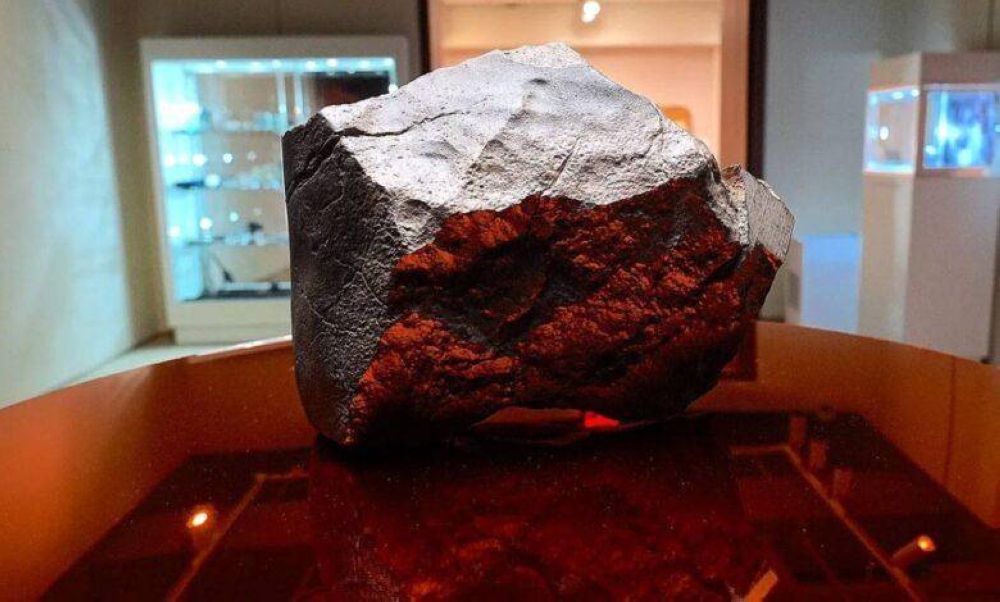
في صفقة تجاوزت كل التوقعات، بيعت أكبر صخرة مريخية وُجدت على الأرض مقابل 5.3 ملايين دولار أمريكي خلال مزاد نظمته دار «سوثبيز» العالمية، ليحصد المزايد المجهول قطعة نادرة من كوكب المريخ باسم NWA-16788.
النيزك، الذي يزن نحو 24.67 كغم، تخطى الرقم القياسي السابق المسجل لصالح نيزك «Taoudenni 002» المكتشف في مالي عام 2021، والذي بلغ وزنه 14.51 كغم.
ورغم أن التقديرات الأولية قدرت ثمن القطعة بين 2 و4 ملايين دولار، إلا أن المزاد الذي انطلق في 16 يوليو عند الساعة 14:00 بتوقيت غرينتش، انتهى في أقل من خمس ساعات ببيع النيزك مقابل 5.296 ملايين دولار.
وأرجع خبراء سبب هذا السعر القياسي إلى الحالة شبه البكر للصخرة وتكوينها النادر، إذ أظهرت «تجوية أرضية ضئيلة»، مما يشير إلى أن تركيبها الكيميائي لم يتغير كثيراً منذ سقوطها على الأرض، بحسب بيان «سوثبيز».
ويُعتقد أن الصخرة وصلت إلى الأرض بعد اصطدام عنيف بين كويكب وسطح كوكب المريخ، ما تسبب في انطلاق أجزاء منه إلى الفضاء وسقوط بعضها في الصحراء الكبرى، حيث عُثر عليها في منطقة أغاديز بالنيجر في نوفمبر 2023.
ما يجعل NWA-16788 أكثر تميزاً هو احتواؤه على نسبة عالية من الزجاج المعروف باسم ماسكلينيت، إلى جانب معادن نادرة مثل البيروكسين والزبرجد، مما يجعله من فئة نيازك لا تمثل سوى 5.4% من النيازك المريخية المعروفة، وفقا لـ «ساينس أليرت».
القطعة النادرة أُرسلت إلى متحف شنغهاي للفلك لتأكيد أصلها المريخي، مما عزز من قيمتها التاريخية والعلمية.
لكن الصفقة أثارت جدلاً واسعاً في الأوساط العلمية. فقد عبّر البعض عن قلقه من أن ينتهي هذا الكنز الكوني في قبو خاص، محروماً من الأبحاث أو العرض العام. وقال عالم الحفريات ستيف بروسات من جامعة إدنبرة: «من المؤسف أن تختفي هذه العينة الثمينة عن أعين العلماء والجمهور».
بينما رأت عالمة الكواكب جوليا كارترايت من جامعة ليستر أنه «حتى إن بقيت بيد خاصة، يمكن أن تظل مصدراً غنياً للبحث العلمي».
ومع استمرار الغموض حول هوية المشتري، يبقى مصير أغلى صخرة مريخية في التاريخ معلقاً بين العلم والاقتناء الخاص.
In a deal that exceeded all expectations, the largest Martian rock found on Earth was sold for $5.3 million during an auction organized by the global house of "Sotheby's," with the anonymous bidder acquiring a rare piece from the planet Mars named NWA-16788.
The meteorite, weighing about 24.67 kg, surpassed the previous record held by the meteorite "Taoudenni 002," discovered in Mali in 2021, which weighed 14.51 kg.
Although initial estimates valued the piece between $2 and $4 million, the auction, which started on July 16 at 14:00 GMT, ended in less than five hours with the meteorite selling for $5.296 million.
Experts attributed this record price to the rock's nearly pristine condition and its rare composition, as it showed "minimal terrestrial weathering," indicating that its chemical structure has not changed much since it fell to Earth, according to a statement from "Sotheby's."
The rock is believed to have reached Earth after a violent collision between an asteroid and the surface of Mars, causing pieces to be ejected into space and some to fall in the Sahara Desert, where it was found in the Agadez region of Niger in November 2023.
What makes NWA-16788 more distinctive is its high content of a glass known as maskelynite, along with rare minerals such as pyroxene and olivine, making it part of a class of meteorites that represent only 5.4% of known Martian meteorites, according to "Science Alert."
The rare piece was sent to the Shanghai Astronomy Museum to confirm its Martian origin, which enhanced its historical and scientific value.
However, the deal has sparked widespread debate in scientific circles. Some expressed concern that this cosmic treasure might end up in a private vault, deprived of research or public display. Paleontologist Steve Brusatte from the University of Edinburgh stated, "It's unfortunate for this precious sample to disappear from the eyes of scientists and the public."
Meanwhile, planetary scientist Julia Cartwright from the University of Leicester noted that "even if it remains in private hands, it can still be a rich source for scientific research."
As the mystery surrounding the buyer's identity continues, the fate of the most expensive Martian rock in history hangs in the balance between science and private ownership.