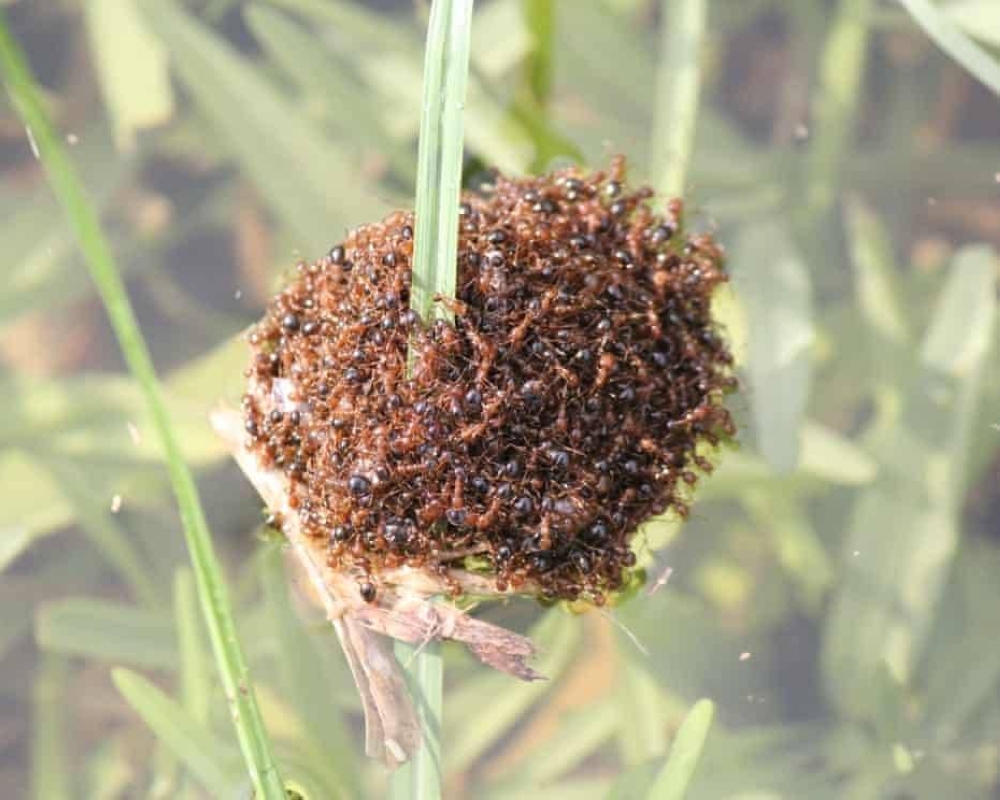
في سابقة تاريخية، تم رصد نمل النار في وسط ولاية كوينزلاند الأسترالية بعد تفشٍ كبير في منجم برودميدو للفحم التابع لشركة BHP في بلدة مورانباه.
هذا الاكتشاف أثار استياء مجلس الأنواع الغازية، الذي عبر عن تساؤلات حول كيفية انتقال هذه الآفة الغازية لمسافة تقارب 800 كيلومتر من أقرب منطقة موبوءة معروفة.
وأصدر البرنامج الوطني للقضاء على نمل النار، اليوم (الجمعة)، تحذيراً للشركات والصناعات بضرورة البقاء في حالة يقظة بعد اكتشاف أعشاش النمل في مورانباه، وهي بلدة تعدين تقع على بعد نحو 150 كيلومتراً من مدينة ماكاي.
وأفاد البرنامج بأن فرق القضاء زارت المنجم في 9 يوليو، حيث تم تدمير الأعشاش باستخدام تقنية الحقن المباشر.
وأوضح البرنامج في بيان أنه سيتم تنفيذ أنشطة القضاء في المنطقة المتضررة، بما يشمل المراقبة المكثفة والعلاج على نطاق واسع، لضمان القضاء التام على نمل النار، كما يجري حالياً تحليل جيني وعمليات تتبع لمعرفة كيفية وصول النمل إلى مورانباه.
وأضاف البرنامج أن الاكتشافات خارج منطقة القضاء في جنوب شرق كوينزلاند تُعد خطيرة وتُبرز المخاطر الناجمة عن نقل المواد التي قد تحمل نمل النار.
من جانبها، أكدت شركة BHP أن حماية المجتمع هي الأولوية الأولى، مشيرة إلى أنها تعمل بالتعاون الوثيق مع البرنامج الوطني للقضاء على نمل النار لدعم الاحتواء السريع والعلاج والقضاء على هذا الاكتشاف.
يُعتبر النمل الناري الأحمر المستورد من أخطر الأنواع الغازية في العالم، ويُصنف كآفة بسبب لسعاته المؤلمة وقدرته على إلحاق أضرار بيئية وزراعية واقتصادية جسيمة.
وفي أعقاب الإعصار الاستوائي السابق ألفريد، أُدخل 23 شخصا إلى المستشفيات في كوينزلاند بسبب لسعات نمل النار الخطيرة.
وتم رصد نمل النار لأول مرة في أستراليا في كوينزلاند عام 2001، ومنذ ذلك الحين انتشر إلى أجزاء من نيو ساوث ويلز وغرب أستراليا.
كما يُصنف كنوع مقيد من الفئة الأولى بموجب اتفاقية الاستجابة الوطنية للأمن البيولوجي البيئي.
بدوره، دان مجلس الأنواع الغازية هذا الانتهاك خارج المناطق الحيوية المحددة في كوينزلاند، مشيرا إلى ضرورة توفير تمويل إضافي.
وقالت مديرة المناصرة في المجلس ريس بيانتا: «نشعر بغضب بالغ، خلال الأسبوع الماضي سجلنا اكتشافاً آخر في نيو ساوث ويلز، واعتراضاً في غرب أستراليا، والآن أول تفشٍ في وسط كوينزلاند».
In a historic precedent, fire ants have been spotted in central Queensland, Australia, following a major outbreak at the Broadmeadow coal mine operated by BHP in the town of Moranbah.
This discovery has raised concerns from the Invasive Species Council, which expressed questions about how this invasive pest traveled nearly 800 kilometers from the nearest known infested area.
Today (Friday), the National Fire Ant Eradication Program issued a warning to businesses and industries to remain vigilant after nests of the ants were discovered in Moranbah, a mining town located about 150 kilometers from Mackay.
The program reported that eradication teams visited the mine on July 9, where the nests were destroyed using direct injection technology.
The program clarified in a statement that eradication activities will be implemented in the affected area, including intensive monitoring and widespread treatment, to ensure the complete eradication of fire ants. Genetic analysis and tracking operations are currently underway to determine how the ants reached Moranbah.
The program added that discoveries outside the eradication zone in southeastern Queensland are concerning and highlight the risks associated with the transport of materials that may carry fire ants.
For its part, BHP confirmed that community protection is the top priority, noting that it is working closely with the National Fire Ant Eradication Program to support the rapid containment, treatment, and eradication of this discovery.
The red imported fire ant is considered one of the most dangerous invasive species in the world and is classified as a pest due to its painful stings and its ability to cause significant environmental, agricultural, and economic damage.
Following the previous tropical cyclone Alfred, 23 people were hospitalized in Queensland due to severe fire ant stings.
Fire ants were first detected in Australia in Queensland in 2001, and since then, they have spread to parts of New South Wales and Western Australia.
They are also classified as a restricted species of the first category under the National Environmental Biosecurity Response Agreement.
In turn, the Invasive Species Council condemned this violation outside the designated critical areas in Queensland, pointing out the need for additional funding.
Advocacy Director at the council, Rhys Bianta, stated: "We feel extremely angry; last week we recorded another discovery in New South Wales, an interception in Western Australia, and now the first outbreak in central Queensland."