ابتكر علماء روس في الجامعة الوطنية للعلوم والتكنولوجيا، بالتعاون مع جهات محلية، تقنية جديدة عبارة عن خيوط أكسيد الألومنيوم فائقة الرقة لتصنيع الضمادات الطبية، وأكدت الاختبارات الحيوية عدم خطورتها على خلايا النسيج الضام البشري.
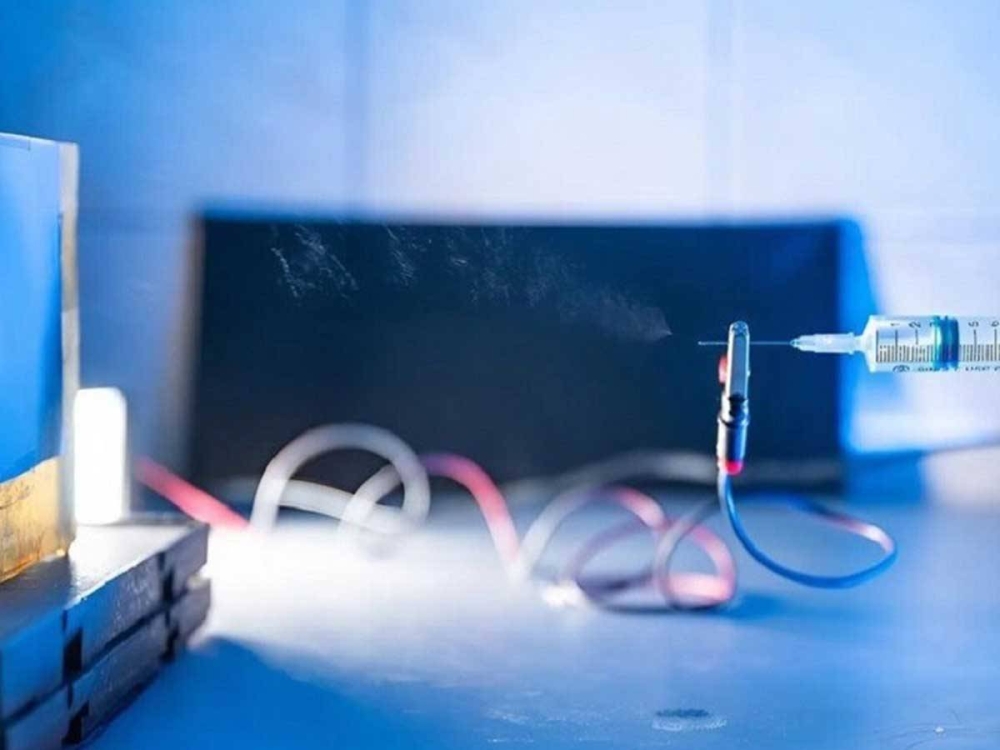
وذكرت دراسة نشرت في مجلة «Emergent Materials» أن الباحثين استخدموا تقنية الغزل الكهربائي، التي يُرش من خلالها محلول مكون من كحول البولي فينيل وأكسيد الألومنيوم بواسطة إبرة فائقة الدقة، ليجف في الهواء.
ونتيجة لذلك، تترسب النفثات على هيئة خيوط فائقة الرقة تتراكب على شكل طبقات، مكونة مادة مركبة، بما يسمح بتعديل بنية وتركيب المادة النانوية، لإكساب الألياف خصائص مضادة للبكتيريا، ومانعة للنزيف، ومساعدة في التئام الجروح.
وفي هذا السياق، تمكن الباحثون من تصنيع ألياف يبلغ قطرها 178 نانومتراً، أضافوا إليها جسيمات نانوية من أكسيد الألومنيوم، ما ساعدها على الحفاظ على بنيتها.
وتتميز التقنية الجديدة بمقاومة الماء، والتوافق الحيوي، والمساحة السطحية العالية، والثبات الميكانيكي، وتفتح الطريق لتصنيع جيل جديد من الضمادات الطبية، قادر على توصيل الأدوية، والتطهير، ووقف النزيف.
Russian scientists at the National University of Science and Technology, in collaboration with local entities, have developed a new technology involving ultra-thin aluminum oxide fibers for manufacturing medical dressings. Biological tests confirmed that they pose no danger to human connective tissue cells.
A study published in the journal “Emergent Materials” stated that the researchers used an electrospinning technique, through which a solution composed of polyvinyl alcohol and aluminum oxide is sprayed from a highly precise needle to dry in the air.
As a result, the jets deposit in the form of ultra-thin fibers that overlap in layers, forming a composite material, which allows for the modification of the structure and composition of the nanomaterial, endowing the fibers with antibacterial properties, hemorrhage prevention, and aiding in wound healing.
In this context, the researchers were able to produce fibers with a diameter of 178 nanometers, to which they added aluminum oxide nanoparticles, helping to maintain their structure.
The new technology is characterized by water resistance, biocompatibility, high surface area, and mechanical stability, paving the way for the production of a new generation of medical dressings capable of delivering drugs, disinfecting, and stopping bleeding.