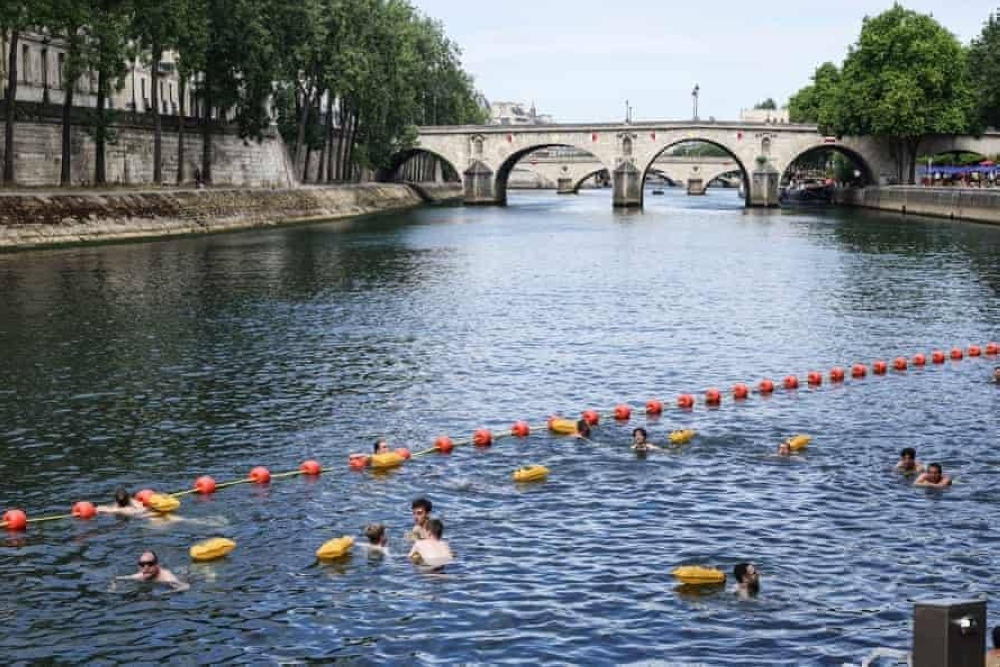
بعد أكثر من مئة عام، أصبح نهر السين في باريس متاحا للسباحة العامة، إذ تدفق الباريسيون والسياح خلال عطلة نهاية الأسبوع للاستمتاع بالسباحة في مياهه بعد أن أعطت السلطات المحلية الضوء الأخضر لهذا النشاط.
وفقا لصحيفة «الغارديان»، جاء هذا الإنجاز بعد برنامج تنظيف شامل تسارع تنفيذه بسبب استخدام النهر كموقع لفعاليات أولمبياد باريس العام الماضي، بدعم من المواطنين الذين كانوا يسبحون فيه بشكل غير قانوني، إلى جانب رئيسة البلدية المنتهية ولايتها، آن هيدالغو، التي شاركت بنفسها بالسباحة في النهر قبل الأولمبياد.
ويُسمح يوميا لنحو ألف سباح بالوصول إلى ثلاثة مواقع سباحة على ضفاف النهر مجانا حتى نهاية أغسطس.
واستُثمر حوالى 1.4 مليار يورو (1.2 مليار جنيه إسترليني) في هذا المشروع، وشمل ربط أكثر من 20 ألف منزل بشبكة الصرف الصحي التي كانت تُلقي مخلفاتها مباشرة في النهر سابقا، وتحسين مرافق معالجة المياه، وبناء خزانات كبيرة لتخزين مياه الأمطار تعادل حجم 20 حوض سباحة أولمبياً لمنع تدفق مياه الصرف الصحي أثناء العواصف.
واستلهمت باريس هذا المشروع من مبادرات مشابهة في مدن أوروبية أخرى، إذ ناضل نشطاء لاستعادة الأنهار للسباحة، مع التركيز على توفير أماكن للتبريد خلال ارتفاع درجات الحرارة الصيفية.
وعلى الرغم من المخاوف الصحية التي أثرت على بعض جلسات التدريب الأولمبية وسباق الترياتلون للرجال العام الماضي، أُقيمت السباقات كما هو مخطط، ما عزز الثقة في خطط السباحة العامة.
وتتوقع هيئات السياحة أن تصبح السباحة في النهر واحدة من أكثر الأنشطة جذبا للسياح هذا الموسم.
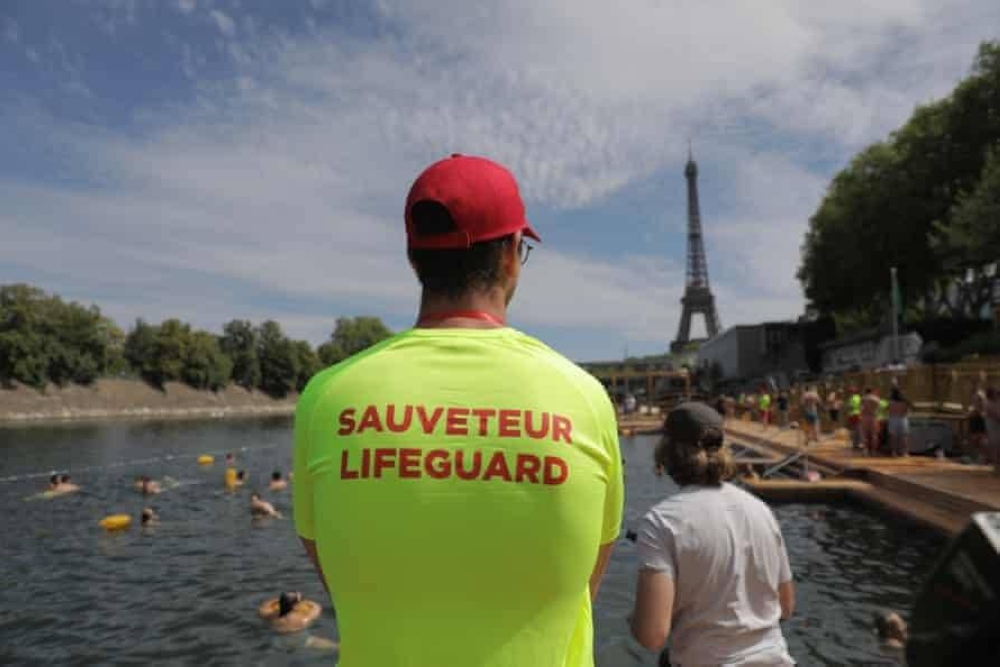
وتقع مواقع السباحة بالقرب من برج إيفل، المناسب للعائلات مع الأطفال الصغار، وكاتدرائية نوتردام، والمكتبة الوطنية.
وتوفر السلطات حراس إنقاذ ومرافق لتغيير الملابس والاستحمام، مع اختبار يومي لجودة المياه ونظام إعلام يوضح مدى أمان السباحة، كما يُمنع الغوص بسبب ضحالة المياه.
إضافة إلى المواقع الثلاثة في باريس، يُخطط لافتتاح 14 موقع سباحة إضافياً على نهري السين والمارن خارج المدينة، حيث افتُتح موقعان على نهر المارن في يونيو.
After more than a hundred years, the Seine River in Paris has become available for public swimming, as Parisians and tourists flocked over the weekend to enjoy swimming in its waters after local authorities gave the green light for this activity.
According to the Guardian newspaper, this achievement came after a comprehensive cleaning program that was accelerated due to the use of the river as a venue for events during the Paris Olympics last year, supported by citizens who had been swimming in it illegally, along with the outgoing mayor, Anne Hidalgo, who herself participated in swimming in the river before the Olympics.
Daily, around a thousand swimmers are allowed access to three swimming sites along the river for free until the end of August.
About 1.4 billion euros (£1.2 billion) have been invested in this project, which included connecting more than 20,000 homes to the sewage network that previously discharged its waste directly into the river, improving water treatment facilities, and building large tanks to store rainwater equivalent to the size of 20 Olympic swimming pools to prevent sewage overflow during storms.
Paris drew inspiration for this project from similar initiatives in other European cities, where activists have fought to reclaim rivers for swimming, focusing on providing cooling spots during rising summer temperatures.
Despite health concerns that affected some Olympic training sessions and the men's triathlon last year, the races were held as planned, boosting confidence in public swimming plans.
Tourism authorities expect swimming in the river to become one of the most attractive activities for tourists this season.
The swimming sites are located near the Eiffel Tower, suitable for families with young children, Notre-Dame Cathedral, and the National Library.
Authorities provide lifeguards and facilities for changing clothes and showering, with daily water quality testing and a notification system indicating the safety of swimming, while diving is prohibited due to shallow waters.
In addition to the three sites in Paris, plans are underway to open 14 additional swimming sites along the Seine and Marne rivers outside the city, with two sites on the Marne River opened in June.