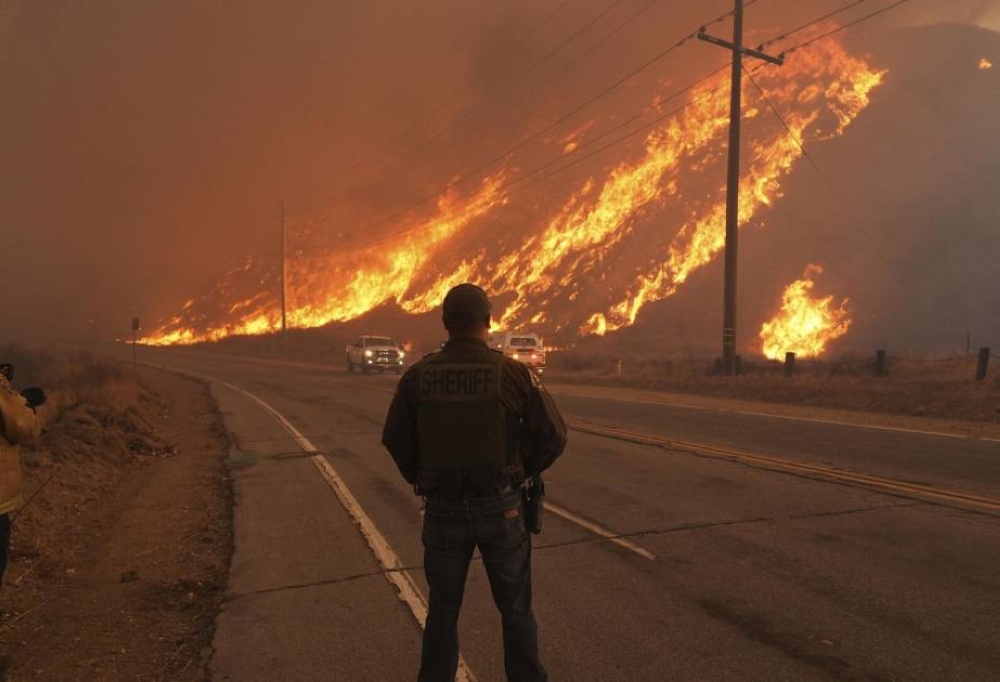
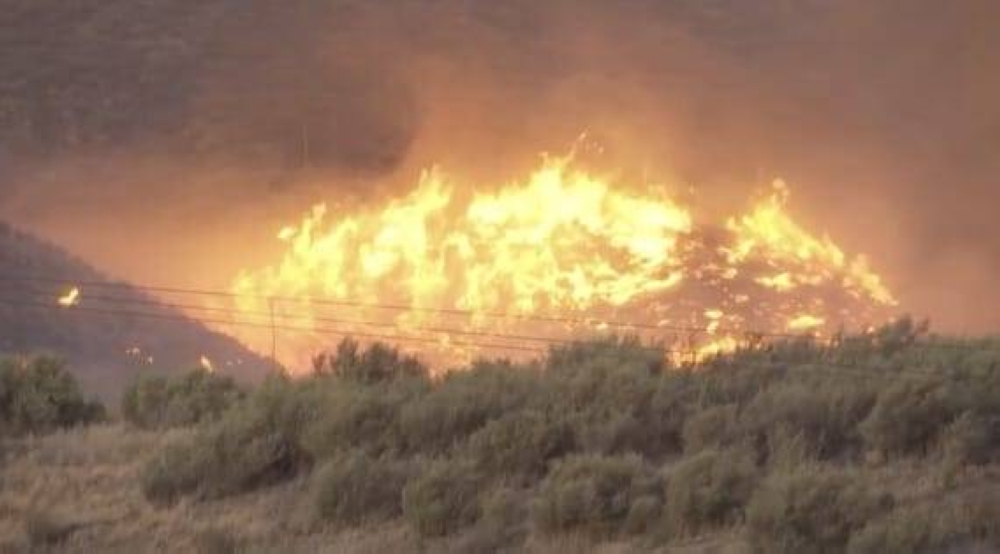
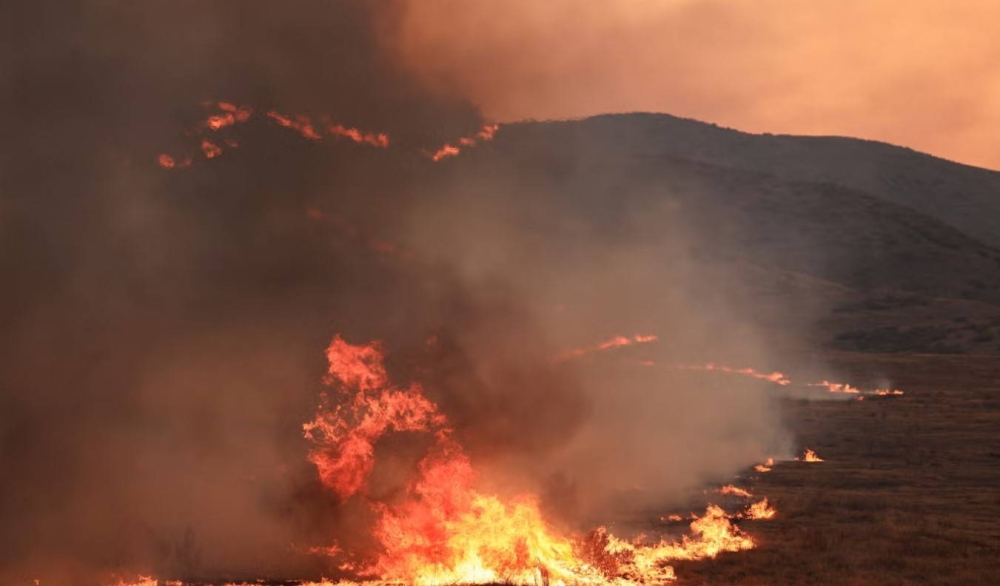
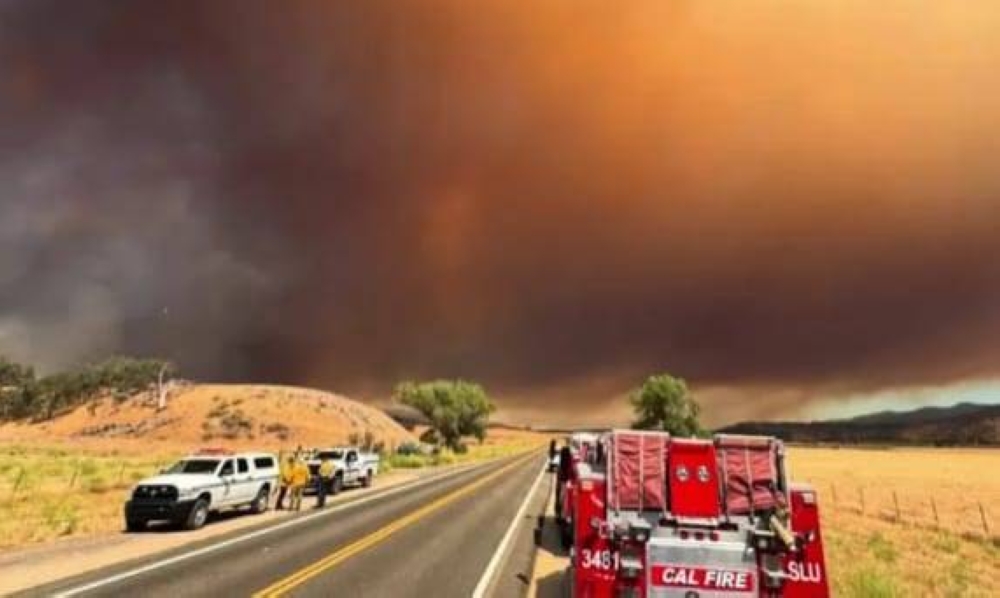
شهدت ولاية كاليفورنيا الأمريكية خلال الساعات الماضية تصاعدًا مقلقًا في حرائق الغابات، حيث اتسعت رقعة الحريق الأكبر هذا العام، المعروف باسم «حريق مادري» في مقاطعة سان لويس أوبيسبو، ليحرق أكثر من 52,600 فدان بحلول مساء الخميس، وذلك في ظل ظروف جوية قاسية تجمع بين ارتفاع درجات الحرارة، انخفاض الرطوبة، وهبوب رياح قوية، ما يزيد من صعوبة جهود السيطرة على النيران.
وبدأ حريق «مادري» الأربعاء في منطقة جبلية نائية بغابة لوس بادريس الوطنية، بالقرب من طريق الولاية 166، وامتد بسرعة فائقة بسبب الرياح التي وصلت سرعتها إلى 40 ميلا في الساعة (64 كم/س) ودرجات حرارة قاربت 37 مئوية.
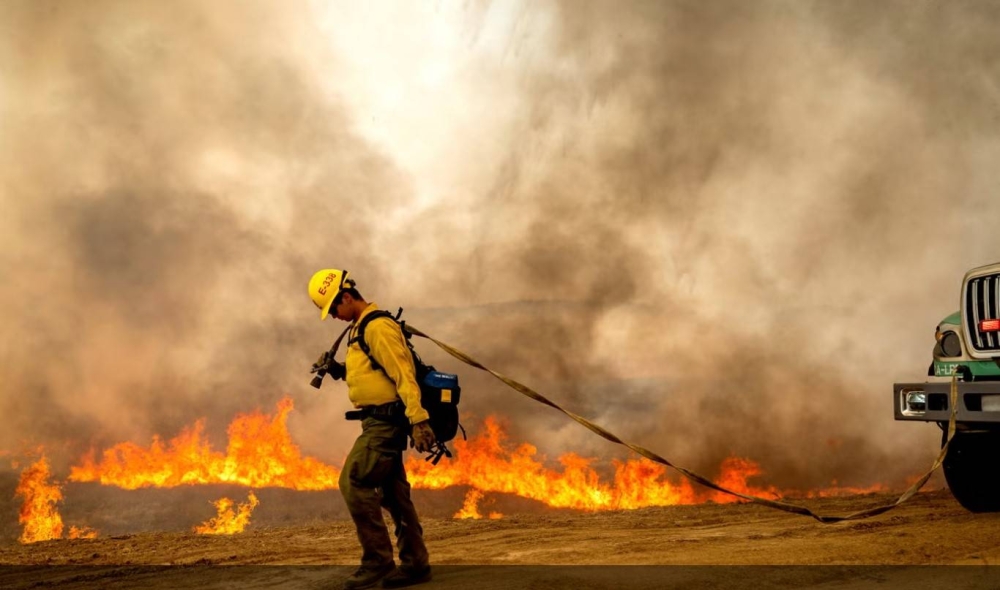
ووفقًا لتقارير إدارة الغابات والحماية من الحرائق في كاليفورنيا، لم يتم احتواء الحريق سوى بنسبة 10% حتى مساء الخميس، مع مشاركة أكثر من 300 من رجال الإطفاء في مكافحته، بدعم من طائرات هليكوبتر وطائرات إطفاء.
أدى الحريق إلى إغلاق جزء من طريق الولاية 166، وتسبب في انتشار أعمدة دخان كثيفة إلى مقاطعات مجاورة، ما أثر على جودة الهواء.
وتأتي هذه الحرائق ضمن موجة أوسع تضم أكثر من 12 حريقًا نشطًا في الولاية، حيث أحرقت نحو 96,994 فدانًا منذ بداية العام، وفقًا لتقارير CAL FIRE، وتشير الأرقام إلى أن موسم الحرائق هذا العام، الذي بدأ مبكرًا في يناير مع حرائق مدمرة مثل حريقي «باليسيدس» (23,713 فدانًا) و«إيتون» (14,021 فدانًا) في لوس أنجلوس، يتجه ليكون واحدًا من أكثر المواسم كارثية بسبب استمرار الظروف الجوية الملائمة لانتشار النيران.
وتشهد كاليفورنيا منذ سنوات مواسم حرائق متزايدة الشدة بسبب تغير المناخ، الذي يؤدي إلى جفاف الغطاء النباتي وزيادة فترات الجفاف، ووفقًا لتقرير من جامعة كاليفورنيا في لوس أنجلوس، كانت الفترة من يوليو إلى سبتمبر 2025 من بين أكثر الفترات حرارة في السجلات الحديثة، مع توقعات بأن تكون في الصيف ضمن أكثر 20% حرارة مقارنة بالعقود الأخيرة.
وفي الربيع، سجلت جنوب كاليفورنيا هطول أمطار بنسبة 70% فقط من المعدل الطبيعي، بينما شهد شمال الولاية هطول أمطار أقل من المتوسط وموجة حارة في مايو، مع تسجيل نحو 2,400 صاعقة رعدية، وهو رقم منخفض مقارنة بمتوسط العشر سنوات، كما تراجع مخزون الثلوج في شمال سييرا نيفادا من 75-80% من المعدل في بداية مايو إلى 20-30% بنهايته، ما زاد من جفاف الوقود النباتي.
California has witnessed a concerning escalation in wildfires over the past few hours, as the largest fire of the year, known as the "Madre Fire" in San Luis Obispo County, has expanded to burn more than 52,600 acres by Thursday evening, amid harsh weather conditions combining high temperatures, low humidity, and strong winds, which complicate firefighting efforts.
The "Madre Fire" started on Wednesday in a remote mountainous area of Los Padres National Forest, near State Route 166, and spread rapidly due to winds reaching speeds of 40 miles per hour (64 km/h) and temperatures nearing 37 degrees Celsius.
According to reports from the California Department of Forestry and Fire Protection, the fire was only 10% contained by Thursday evening, with more than 300 firefighters involved in combating it, supported by helicopters and firefighting planes.
The fire has led to the closure of part of State Route 166 and caused thick smoke columns to spread to neighboring counties, affecting air quality.
These wildfires are part of a broader wave that includes more than 12 active fires in the state, having burned approximately 96,994 acres since the beginning of the year, according to reports from CAL FIRE. The figures indicate that this year's fire season, which began early in January with devastating fires like the "Palisades" (23,713 acres) and "Eaton" (14,021 acres) in Los Angeles, is on track to be one of the most catastrophic seasons due to the continued favorable weather conditions for fire spread.
California has been experiencing increasingly severe fire seasons for years due to climate change, which leads to drying vegetation and extended drought periods. According to a report from the University of California, Los Angeles, the period from July to September 2025 was among the hottest periods in recent records, with forecasts indicating that summer will be within the hottest 20% compared to recent decades.
In the spring, Southern California recorded only 70% of the normal rainfall, while the northern part of the state experienced below-average rainfall and a heatwave in May, with approximately 2,400 lightning strikes recorded, a low number compared to the ten-year average. Additionally, snowpack in the northern Sierra Nevada dropped from 75-80% of the average in early May to 20-30% by the end of the month, further increasing the dryness of the fuel vegetation.