


باحثة سعودية تستلهم روح الحرف اليدوية لتجميل المسكن
29 يونيو 2025 - 01:14
|
آخر تحديث 1 يوليو 2025 - 01:24



تابع قناة عكاظ على الواتساب
زين عنبر (جدة) zain_ambar@
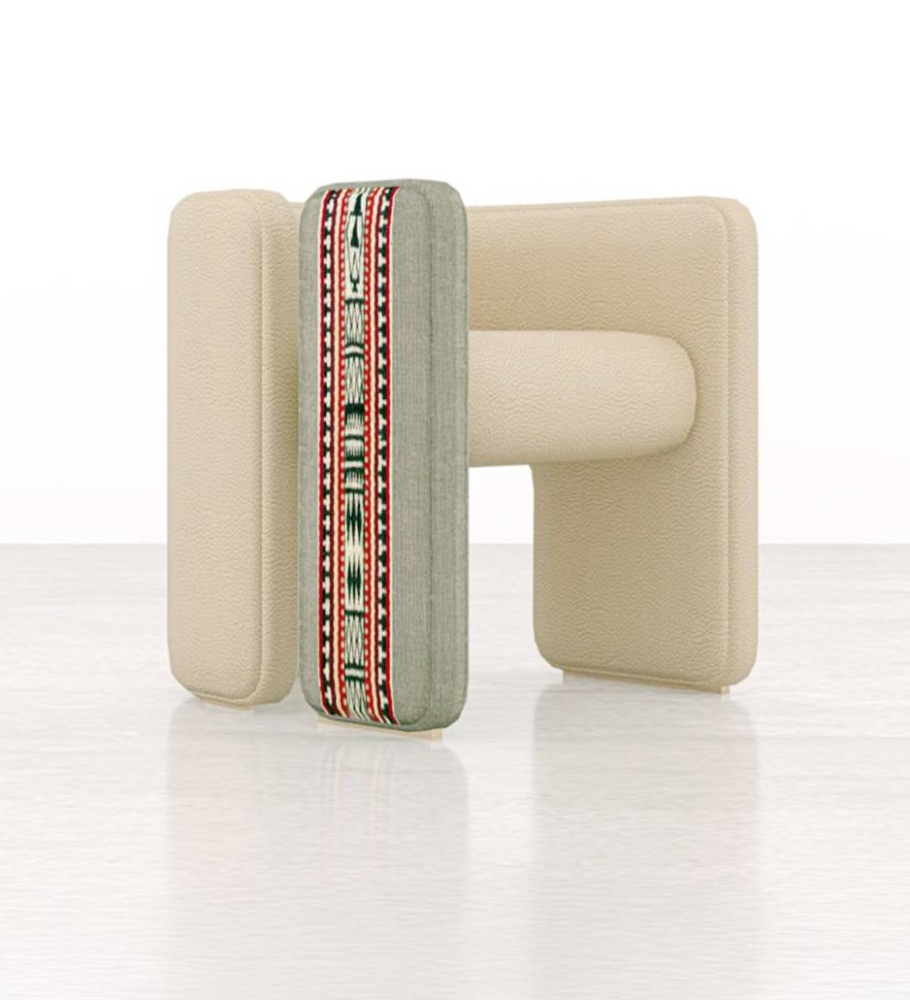
في إنجاز أكاديمي يعكس التلاقي بين الأصالة والحداثة، قدّمت الباحثة عهود طلال جميل حسنين، من قسم التصميم الداخلي بكلية التصاميم والفنون بجامعة أم القرى، تصورًا تصميميًا معاصرًا لمكملات المسكن، مستلهمًا من روح الحرف اليدوية السعودية، وذلك في دراسة تُعد الأولى من نوعها على المستوى العلمي المحلي.
وطرحت الدراسة، تصاميم تجميلية مبتكرة توظف عناصر تراثية كالنقوش الخشبية، والسدو، والفخار، والخوص، ضمن أطر حديثة تراعي ذوق العصر واحتياجات المستخدم، دون أن تفرط في البعد المحلي أو تتنازل عن عمقها الرمزي. وأكدت الباحثة، أن هذا التوجه يسهم في تعزيز الهوية الثقافية داخل الفراغات السكنية، ويدعم استدامة الحرف اليدوية بوصفها موردًا ثقافيًا قابلًا للتطوير والاستثمار.
ودعت التوصيات إلى تشجيع المصممين المحليين على استلهام الرموز البصرية للحرف السعودية في إنتاج مكملات ديكور تنسجم مع المعايير المعاصرة، إضافة إلى تفعيل ورش تدريبية للحرفيين من شأنها الارتقاء بجودة المنتجات وتوسيع حضورها في سوق التصميم الداخلي.
نُوقشت الدراسة في قاعة كلية التصاميم والفنون بحضور لجنة علمية، ضمّت كلًا من: الدكتورة رانية علي أحمد عبدالرحمن (مشرفة ومقررة)، الدكتورة سميرة أحمد حسن الفيفي، الدكتورة هنادي محمد عمر قُمرة، الدكتورة هناء عدنان محمد وزّان والدكتورة ريم فاروق الصبّان (مناقشًا خارجيًا).
وجاءت المناقشة ثرية بمداخلاتها، خاصة في ما يتعلق بجدوى الأفكار المطروحة وتحويلها إلى مشاريع فعلية في السوق المحلي ضمن منظومة الاقتصاد الإبداعي، لا سيما مع إعلان وزارة الثقافة 2025، عامًا للحرف اليدوية، وتلاقي هذا التوجه مع مستهدفات رؤية السعودية 2030 في تمكين الصناعات الثقافية وتوطين الإبداع المحلي.
In an academic achievement that reflects the convergence of tradition and modernity, researcher Ahood Talal Jameel Hasnine, from the Interior Design Department at the College of Designs and Arts at Umm Al-Qura University, presented a contemporary design concept for home accessories, inspired by the spirit of Saudi handicrafts. This study is considered the first of its kind at the local scientific level.
The study proposed innovative aesthetic designs that utilize traditional elements such as wooden carvings, Sadu weaving, pottery, and palm fronds within modern frameworks that consider contemporary tastes and user needs, without compromising the local dimension or sacrificing its symbolic depth. The researcher emphasized that this approach contributes to enhancing cultural identity within residential spaces and supports the sustainability of handicrafts as a cultural resource that can be developed and invested in.
The recommendations called for encouraging local designers to draw inspiration from the visual symbols of Saudi handicrafts in producing decorative accessories that align with contemporary standards, in addition to activating training workshops for artisans that would elevate product quality and expand their presence in the interior design market.
The study was discussed in the auditorium of the College of Designs and Arts in the presence of a scientific committee, which included: Dr. Rania Ali Ahmed Abdulrahman (supervisor and chair), Dr. Samira Ahmed Hassan Al-Fifi, Dr. Hanadi Mohammed Omar Qumrah, Dr. Hanaa Adnan Mohammed Wazzan, and Dr. Reem Farouk Al-Sabban (external discussant).
The discussion was rich with interventions, especially regarding the feasibility of the proposed ideas and their transformation into actual projects in the local market within the framework of the creative economy, particularly with the Ministry of Culture declaring 2025 as the Year of Handicrafts, and this direction aligning with the objectives of Saudi Vision 2030 in empowering cultural industries and local creativity.


