أعلنت وزارة السياحة والآثار المصرية، اليوم (السبت)، كشفاً أثريّاً جديداً في منطقة تل الفرعون (تل نباشة) بمركز الحسينية في محافظة الشرقية، عن أطلال مدينة «إيمت» القديمة، التي تعود إلى أوائل أو منتصف القرن الرابع قبل الميلاد، مع بقايا مبانٍ سكنية «برجية» ومنشآت لتخزين الحبوب وإيواء الحيوانات، إضافة إلى آثار دينية تُثري فهمنا للحياة في العصرين المتأخر والبطلمي المبكر.
واختتمت البعثة الأثرية البريطانية من جامعة مانشستر، موسم الحفائر الحالي بكشف استثنائي في التل الشرقي بمنطقة تل الفرعون، إذ استخدمت تقنيات الاستشعار عن بُعد وصور الأقمار الصناعية (لاندسات) لتحديد تجمعات كثيفة من الطوب اللبن.
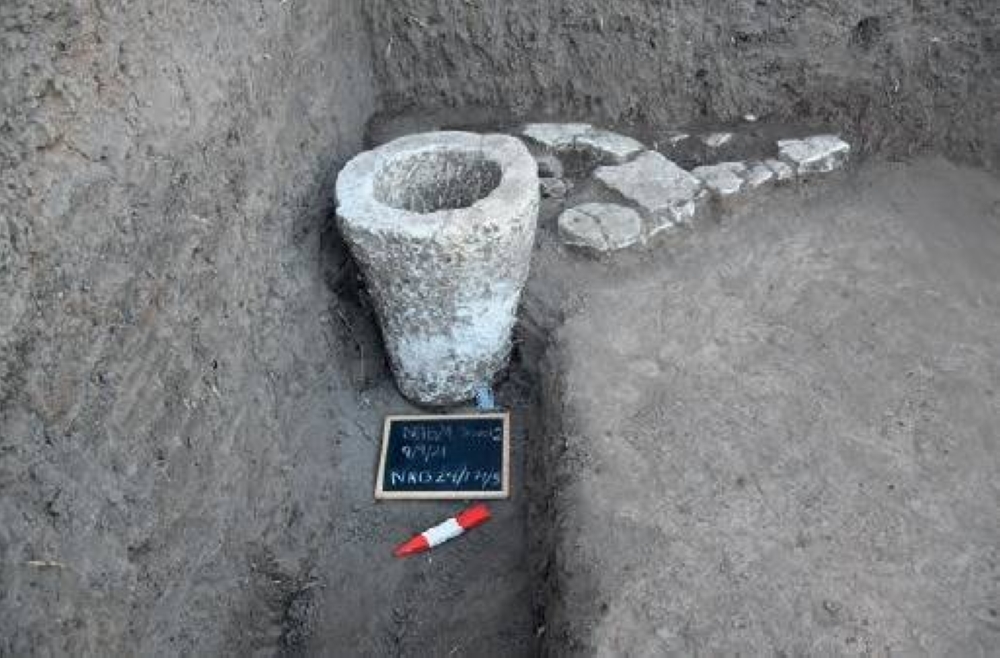
وأسفرت الحفائر عن اكتشاف مبانٍ سكنية تُعرف بـ«البيوت البرجية»، وهي منازل متعددة الطوابق بجدران سميكة صُممت لاستيعاب أعداد كبيرة من السكان، وهي سمة مميزة لدلتا النيل من العصر المتأخر حتى العصر الروماني، كما عُثر على منشآت خدمية لتخزين الحبوب وإيواء الحيوانات، مما يُظهر تنظيمًا حضريًا متقدمًا في المدينة.
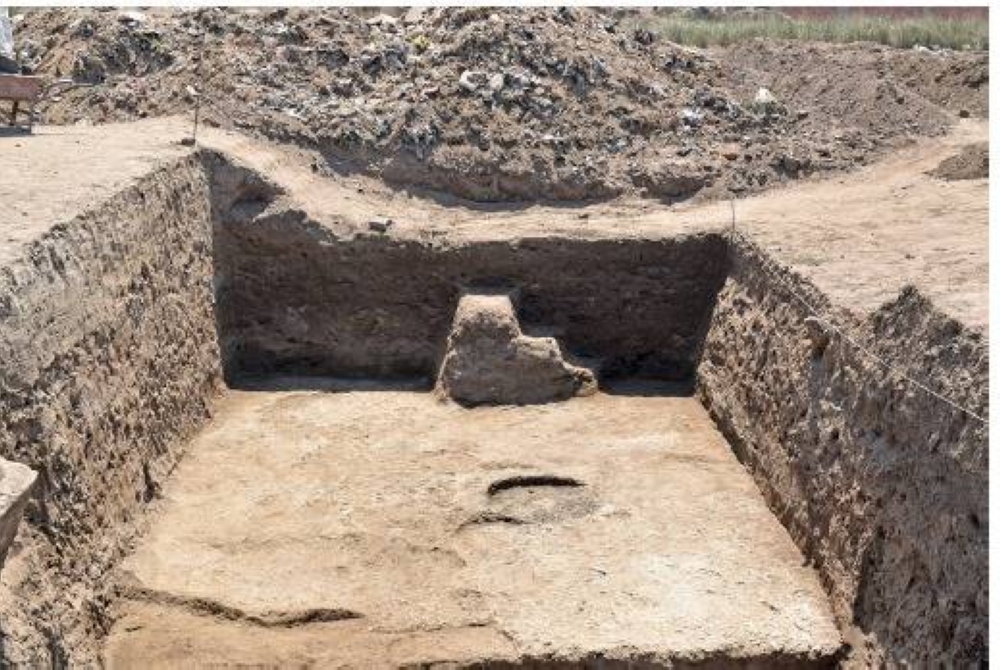
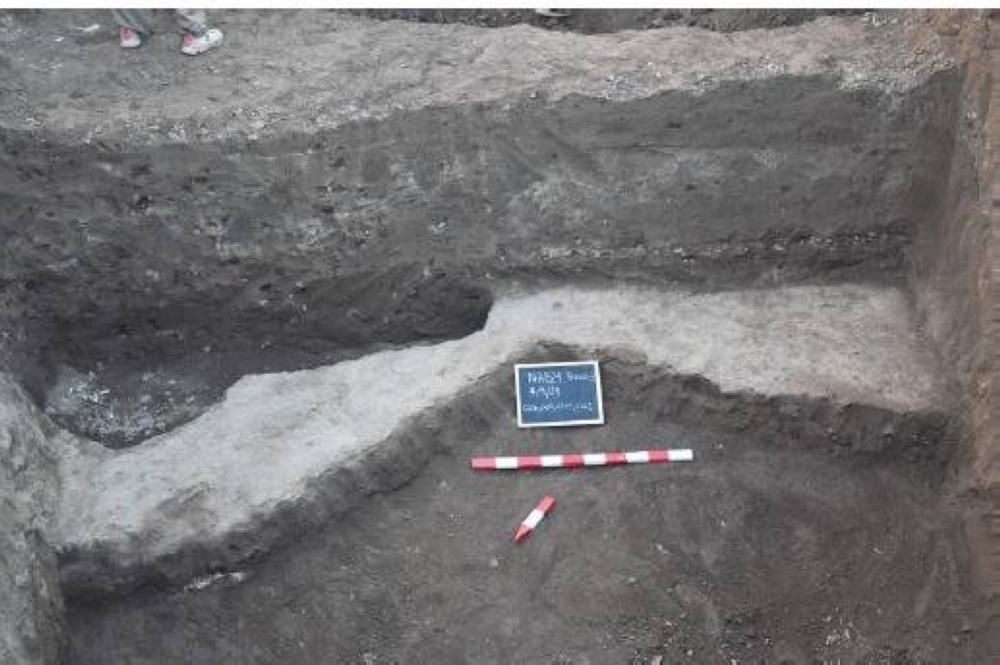
وفي منطقة المعبد، كشفت البعثة أرضية ضخمة من الحجر الجيري وبقايا عمودين من الطوب اللبن المغطى بالجص، يُعتقد أنهما جزء من مبنى شُيد فوق طريق المواكب الذي كان يربط بين صرح العصر المتأخر ومعبد الإلهة واجيت، ويُشير هذا الاكتشاف إلى توقف استخدام الطريق بحلول منتصف العصر البطلمي.
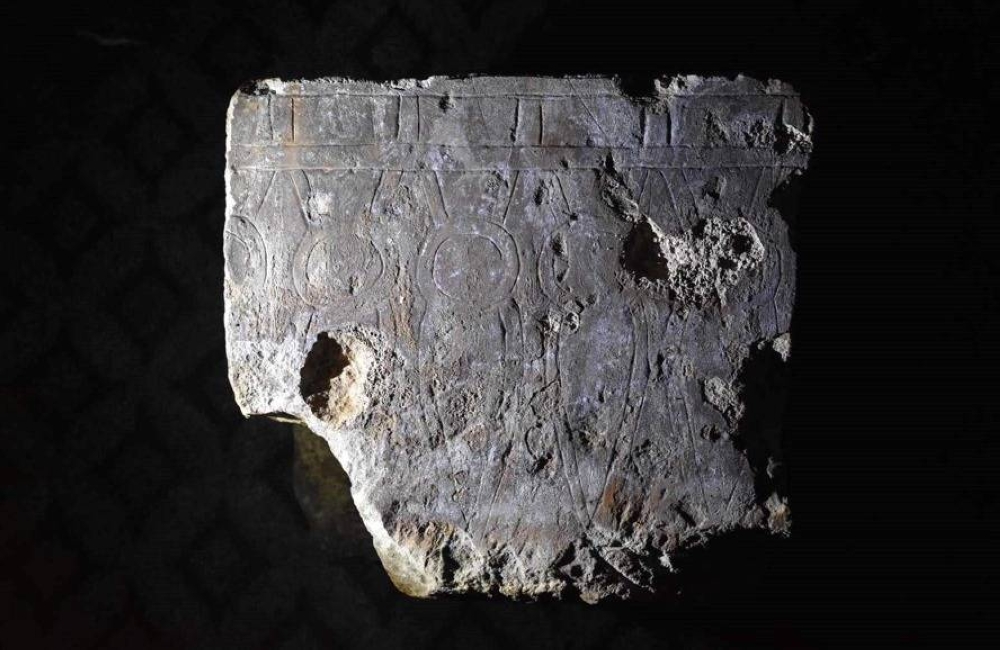
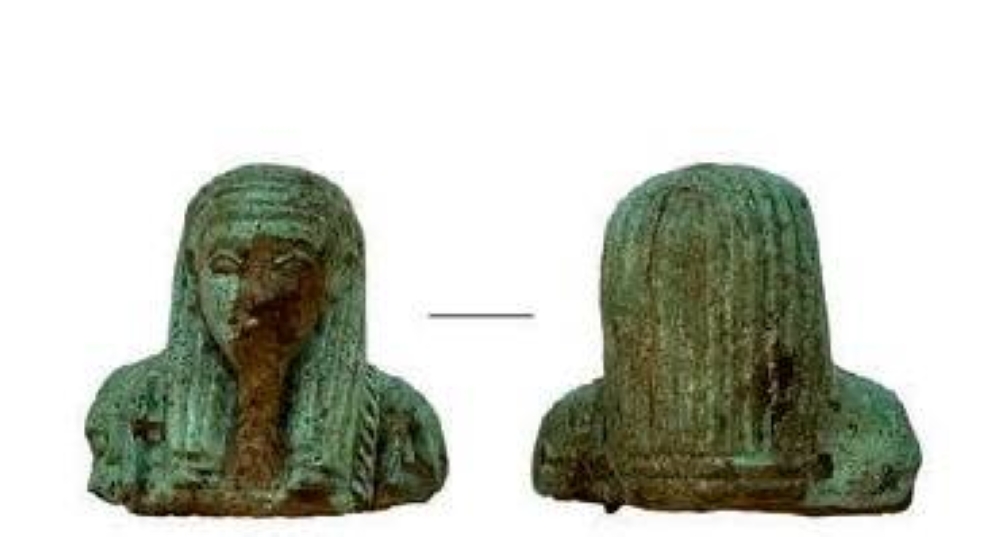
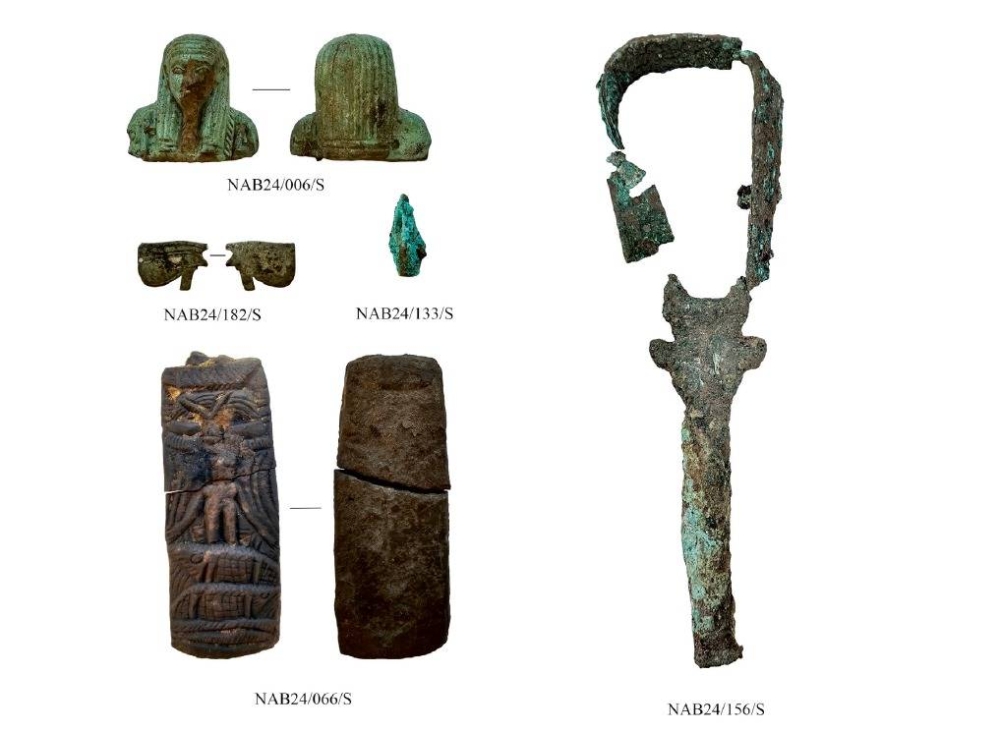
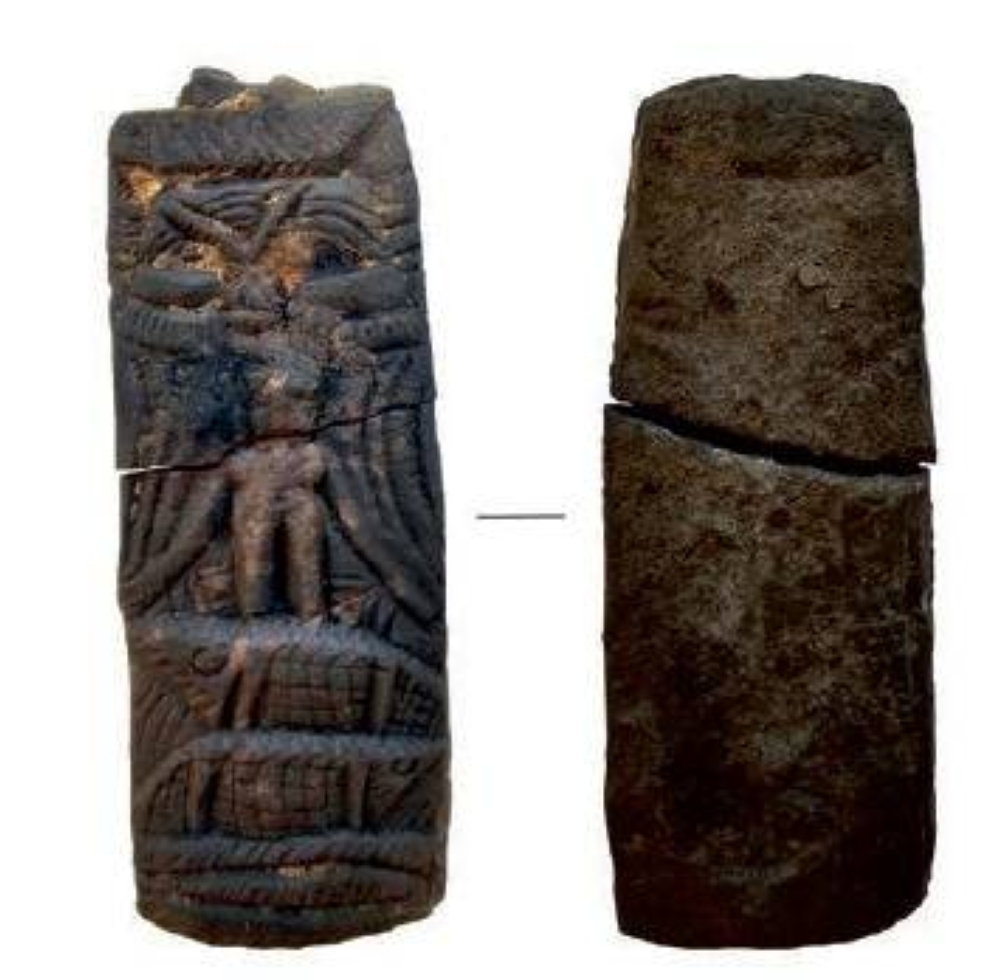
ومن أبرز اللقى الأثرية، عُثر على الجزء العلوي لتمثال أوشابتي من الفيانس الأخضر يعود إلى الأسرة السادسة والعشرين، ولوحة حجرية تصور المعبود «حورس» وهو يقف على تمساحين حاملًا أفاعي، مع صورة المعبود «بس» أعلاها، إلى جانب آلة موسيقية برونزية (سيستروم) مزينة برأسي المعبود «حتحور».
وأعرب وزير السياحة والآثار شريف فتحي، عن فخره بهذا الكشف، مؤكدًا أنه يُسلط الضوء على أهمية مدينة «إيمت» التاريخية، ويُعزز مكانة مصر وجهةً سياحيةً وثقافيةً عالميةً، مؤكداً التزام الوزارة بدعم أعمال التنقيب في إطار استراتيجية التنمية المستدامة.
من جانبه، أوضح الأمين العام للمجلس الأعلى للآثار الدكتور محمد إسماعيل خالد، أن الكشف يُثري المعرفة عن الحياة اليومية والدينية في دلتا النيل، مشيرًا إلى أهمية تقنيات الاستشعار عن بُعد في تحديد المواقع الأثرية بدقة.
ويُتوقع أن يُسهم هذا الاكتشاف في تعزيز السياحة الأثرية في محافظة الشرقية، حيث تخطط الوزارة لتطوير الموقع ليصبح وجهة سياحية مفتوحة للزوار، كما أثار الكشف اهتمامًا دوليًا، إذ أعلنت جامعة مانشستر خططًا لنشر دراسة علمية شاملة حول الاكتشاف في مجلات أثرية مرموقة.
The Egyptian Ministry of Tourism and Antiquities announced today (Saturday) a new archaeological discovery in the area of Tel al-Faraon (Tel Nabasha) in the center of Al-Hasaniya in Sharqia Governorate, revealing the ruins of the ancient city of "Imet," which dates back to the early or mid-fourth century BC, along with remnants of "tower-like" residential buildings and facilities for storing grains and housing animals, in addition to religious artifacts that enrich our understanding of life in the Late and Early Ptolemaic periods.
The British archaeological mission from the University of Manchester concluded the current excavation season with an exceptional discovery in the eastern mound of the Tel al-Faraon area, where remote sensing techniques and Landsat satellite images were used to identify dense clusters of mud bricks.
The excavations resulted in the discovery of residential buildings known as "tower houses," which are multi-story homes with thick walls designed to accommodate large numbers of inhabitants, a distinctive feature of the Nile Delta from the Late period to the Roman era. Service facilities for storing grains and housing animals were also found, demonstrating advanced urban organization in the city.
In the temple area, the mission uncovered a massive limestone floor and the remains of two columns made of mud bricks covered with plaster, believed to be part of a building constructed over the processional road that connected the Late period temple with the temple of the goddess Wajit. This discovery indicates that the use of the road ceased by the middle of the Ptolemaic period.
Among the most notable archaeological finds was the upper part of a faience ushabti statue from the twenty-sixth dynasty, and a stone plaque depicting the deity "Horus" standing on two crocodiles holding snakes, with an image of the deity "Bes" above it, alongside a bronze musical instrument (sistrum) adorned with the heads of the deity "Hathor."
Tourism and Antiquities Minister Sherif Fathy expressed his pride in this discovery, emphasizing that it highlights the importance of the historical city of "Imet" and enhances Egypt's status as a global tourist and cultural destination, affirming the ministry's commitment to supporting excavation work within the framework of sustainable development strategy.
For his part, Dr. Mohamed Ismail Khaled, the Secretary-General of the Supreme Council of Antiquities, explained that the discovery enriches knowledge about daily and religious life in the Nile Delta, noting the importance of remote sensing techniques in accurately identifying archaeological sites.
This discovery is expected to contribute to enhancing archaeological tourism in Sharqia Governorate, as the ministry plans to develop the site into an open tourist destination for visitors. The discovery has also attracted international interest, with the University of Manchester announcing plans to publish a comprehensive scientific study on the discovery in prestigious archaeological journals.