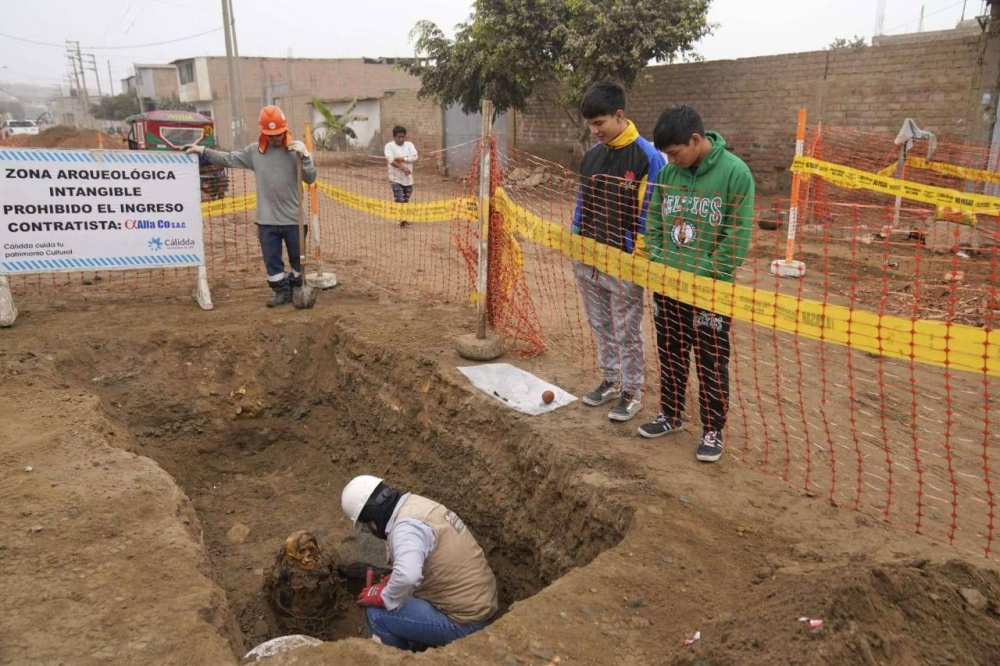
تحولت عملية حفر لتوصيل غاز طبيعي في أحد ضواحي العاصمة البيروفية ليما إلى كشف أثري، حيث عثر عمال شركة «كاليدا» على مقبرة أثرية تعود إلى ما قبل الحقبة الإسبانية أثناء أعمال حفر روتينية لتركيب أنابيب الغاز الطبيعي يُقدَّر عمرها بنحو 1000 عام.
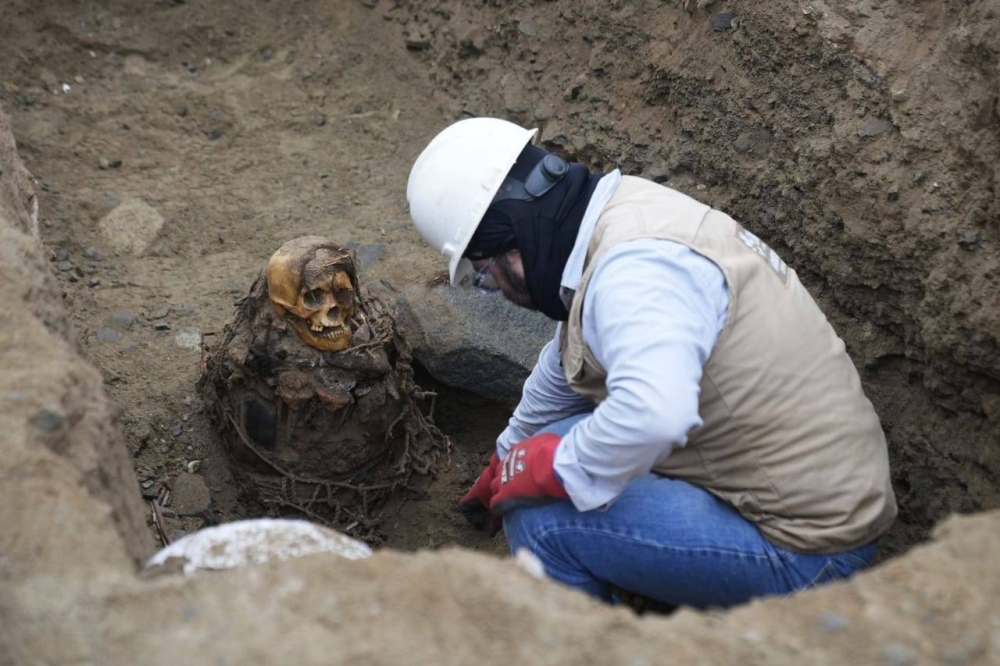
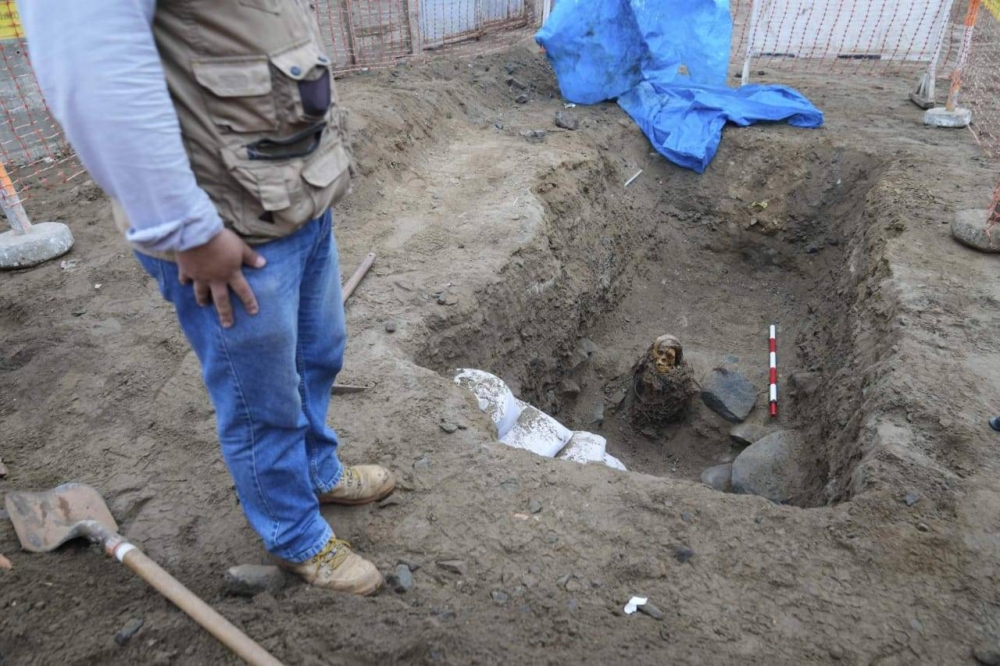
وخلال أعمال الحفر لاحظ العمال جذع شجرة «هوارانغو»، وهي علامة تقليدية للمقابر في المنطقة، على عمق 50 سنتيمترا، وأدى الحفر الدقيق إلى الكشف عن مومياء طفل يتراوح عمره بين 10 و15 عاما، مدفونة على عمق 1.2 متر في وضعية جلوس، ملفوفة بكفن يحتوي على قرع مجفف ومحاطة بأوانٍ فخارية مزخرفة تحمل رسوماً لصيادي السمك.
وفي موقع مجاور، عثر عالم الآثار خوسيه ألياغا على مومياء أخرى يُعتقد أنها لأنثى، محفوظة بشكل طبيعي مع شعر بني داكن، مدفونة على عمق نصف متر، وتُنسب هذه الاكتشافات إلى ثقافة «الشانكاي» (1000-1470 م)، المعروفة بمجتمعها البحري وطقوسها الدينية، وفقاً لما أعلنه خيسوس باهاموندي، المنسق العلمي للشركة، ما يجعل هذا الاكتشاف نافذة نادرة على ماضي حضارة الشانكاي التي ازدهرت على الساحل البيروفي.
وتُعد ليما موطناً لأكثر من 400 موقع أثري يُعرف باسم «هواكاس»، وهي هياكل طينية كانت بمثابة معابد أو مقابر، يُساعد المناخ الصحراوي الجاف في الحفاظ على المومياوات والفخار، ما يجعل المنطقة كنزا أثريا.
وسجلت شركة «كاليدا»، التي توسع شبكة الغاز في العاصمة البيروفية ليما منذ عقدين، أكثر من 1900 اكتشاف أثري، وتتعاون مع وزارة الثقافة البيروفية لحماية التراث.
The process of drilling to connect natural gas in one of the suburbs of the Peruvian capital, Lima, turned into an archaeological discovery, as workers from the company "Calidda" found an ancient burial site dating back to before the Spanish era during routine excavation work for the installation of natural gas pipes estimated to be around 1000 years old.
During the excavation, the workers noticed the trunk of a "huarango" tree, which is a traditional marker for graves in the area, at a depth of 50 centimeters. Careful digging revealed the mummy of a child aged between 10 and 15 years, buried at a depth of 1.2 meters in a sitting position, wrapped in a shroud containing dried gourd and surrounded by decorated pottery bearing drawings of fishermen.
In a nearby site, archaeologist José Aliaga discovered another mummy believed to be female, naturally preserved with dark brown hair, buried at a depth of half a meter. These discoveries are attributed to the "Chancay" culture (1000-1470 AD), known for its maritime community and religious rituals, according to Jesús Bahamonde, the scientific coordinator of the company, making this discovery a rare window into the past of the Chancay civilization that thrived on the Peruvian coast.
Lima is home to more than 400 archaeological sites known as "huacas," which are earthen structures that served as temples or tombs. The dry desert climate helps preserve mummies and pottery, making the area an archaeological treasure.
Calidda, which has been expanding the gas network in the Peruvian capital Lima for two decades, has recorded more than 1900 archaeological discoveries and collaborates with the Peruvian Ministry of Culture to protect the heritage.