


سلّط طبيب الطوارئ الأمريكي جو ويتنغتون، الضوء على اختبار منزلي بسيط يكشف مبكرًا خطر تمدد الشريان الأبهر الصدري، وهو من الأمراض القلبية الصامتة، التي تؤدي إلى الوفاة المفاجئة دون سابق إنذار.
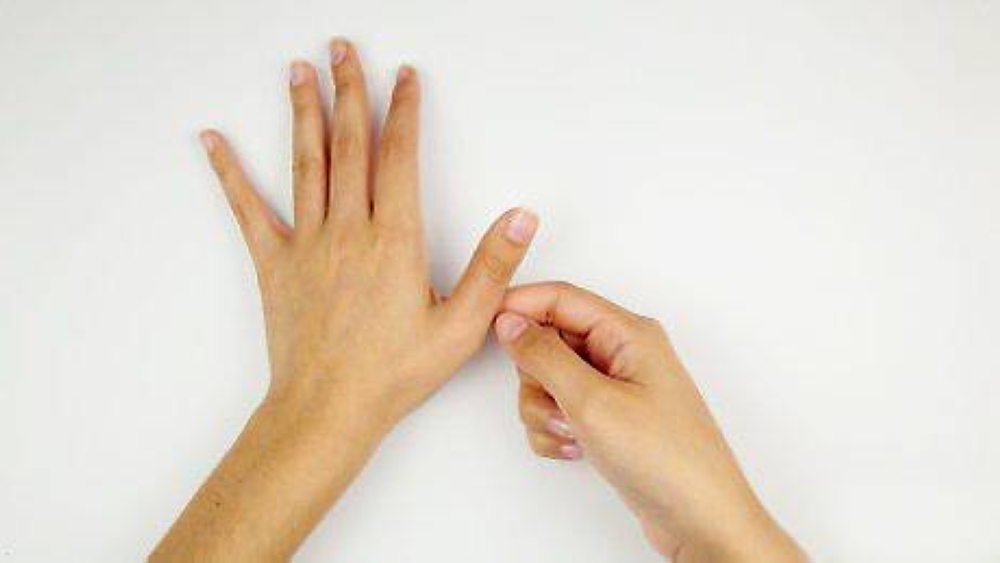
الاختبار يعتمد على حركة الإبهام، حيث يُطلب من الشخص مدّ يده بشكل مستقيم ومحاولة طيّ الإبهام نحو راحة اليد حتى يلامس أو يتجاوز حافتها. إذا تجاوز الإبهام هذه الحافة، فقد يشير ذلك إلى فرط في مرونة النسيج الضام، وهي حالة ترتبط بزيادة احتمال الإصابة بتمدد الأبهر.
وبحسب دراسة نُشرت في «المجلة الأمريكية لأمراض القلب»، فإن أكثر من 60% من مرضى تمدد الشريان الأبهر ظهرت لديهم نتيجة إيجابية لهذا الاختبار. ورغم بساطته، لا يُعد هذا الفحص تشخيصًا نهائيًا، بل علامة تستوجب مراجعة طبية فورية.
الاختبار قد يكون مرتبطًا بمتلازمات وراثية مثل مارفان أو إهلرز - دانلوس، والتي تتسبب في ضعف الأنسجة وزيادة احتمالات الإصابة بهذا المرض الخطير.
60 % ممن يعانون هذه العلامة مهددون بمرض قلبي قاتل
19 يونيو 2025 - 03:21
|
آخر تحديث 19 يونيو 2025 - 03:21


تابع قناة عكاظ على الواتساب
«عكاظ» (جدة) OKAZ_online@
American emergency physician Joe Whittington highlighted a simple home test that early detects the risk of thoracic aortic aneurysm, which is one of the silent heart diseases that can lead to sudden death without warning.
The test relies on thumb movement, where the person is asked to extend their hand straight and try to bend their thumb towards the palm until it touches or exceeds its edge. If the thumb surpasses this edge, it may indicate hypermobility of the connective tissue, a condition associated with an increased likelihood of developing an aortic aneurysm.
According to a study published in the "American Journal of Cardiology," more than 60% of patients with aortic aneurysm tested positive for this test. Despite its simplicity, this examination is not a definitive diagnosis but rather a sign that necessitates immediate medical review.
The test may be linked to genetic syndromes such as Marfan or Ehlers-Danlos, which cause tissue weakness and increase the chances of developing this serious condition.
The test relies on thumb movement, where the person is asked to extend their hand straight and try to bend their thumb towards the palm until it touches or exceeds its edge. If the thumb surpasses this edge, it may indicate hypermobility of the connective tissue, a condition associated with an increased likelihood of developing an aortic aneurysm.
According to a study published in the "American Journal of Cardiology," more than 60% of patients with aortic aneurysm tested positive for this test. Despite its simplicity, this examination is not a definitive diagnosis but rather a sign that necessitates immediate medical review.
The test may be linked to genetic syndromes such as Marfan or Ehlers-Danlos, which cause tissue weakness and increase the chances of developing this serious condition.





