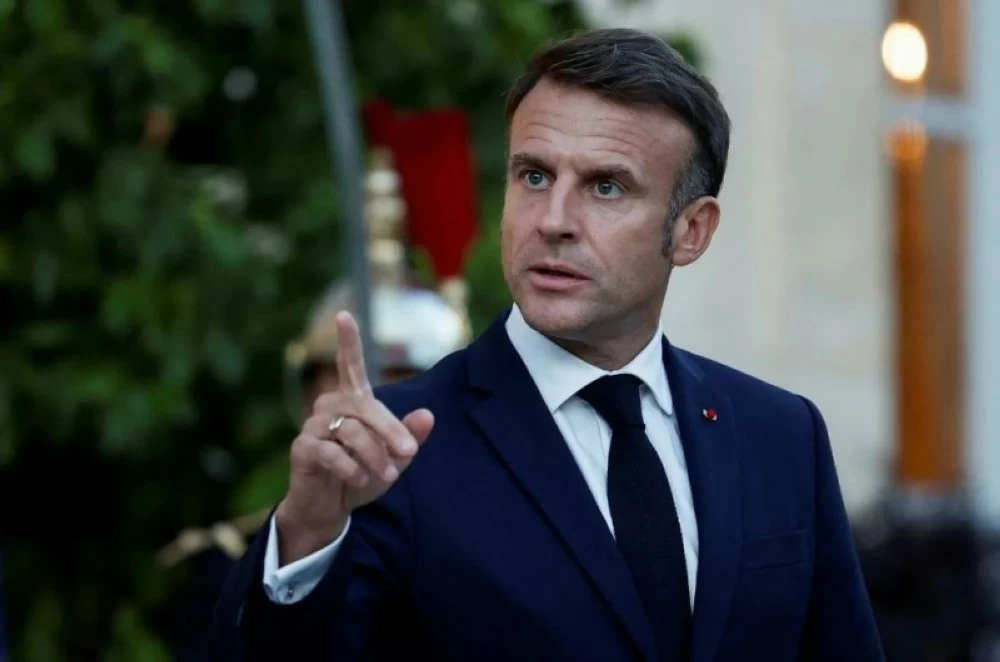
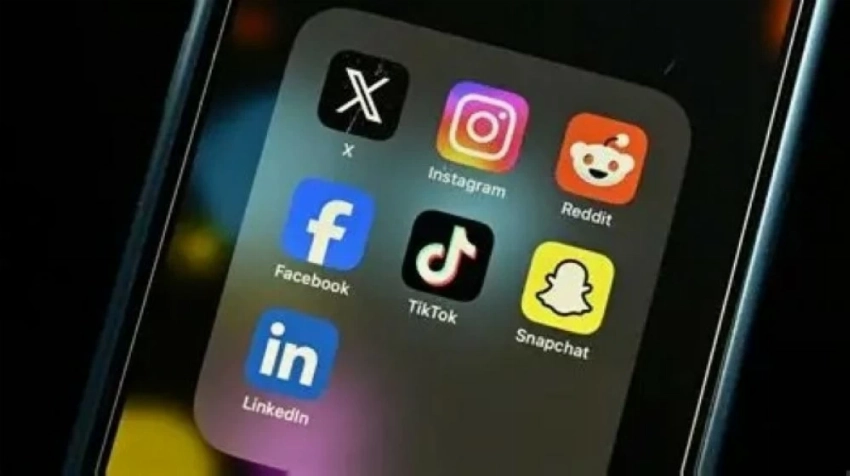
أعلن الرئيس الفرنسي إيمانويل ماكرون عزمه تسريع إقرار قانون وطني يحظر وصول الأطفال دون سن 15 عاماً إلى وسائل التواصل الاجتماعي، في خطوة وُصفت بأنها الأكثر جرأة في أوروبا حتى الآن ضمن موجة الجهود العالمية للحد من استخدام هذه المنصات من قبل صغار السن.
وقال ماكرون في مقطع فيديو: «طلبت من الحكومة إطلاق الإجراء المعجل حتى تسير العملية بأسرع وقت ممكن»، مضيفا بلهجة حادة: «هذه رسالة واضحة جداً.. أدمغة أطفالنا ومراهقينا ليست للبيع. مشاعرهم ليست للبيع، ولا يجوز التلاعب بها، سواء من قبل منصات أمريكية أو خوارزميات صينية».
وأكد الرئيس الفرنسي أن الحكومة ستعمل على صياغة قانون يفرض عقوبات صارمة على المنصات التي تسمح بتسجيل الأطفال دون 15 عاماً، مع إلزامها بتطبيق آليات تحقق عمر صارمة، وذلك بالتنسيق مع الجهات التنظيمية الأوروبية.
قلق عالمي متصاعد
يأتي إعلان ماكرون في سياق تصاعد القلق العالمي من الآثار السلبية لوسائل التواصل الاجتماعي على الصحة النفسية والعقلية للأطفال والمراهقين، خصوصاً مع انتشار دراسات تُظهر ارتباط الاستخدام المفرط بزيادة حالات الاكتئاب، القلق، اضطرابات النوم، التنمر الإلكتروني.
وسبق أن أعلن ماكرون في يناير 2023 خطة وطنية لحماية الأطفال على الإنترنت، ثم في 2024 أعلن دعمه مشروع قانون يُلزم المنصات بمنع الأطفال دون 15 عاماً من إنشاء حسابات دون موافقة الوالدين. وفي ديسمبر 2025، أقر البرلمان الفرنسي قانوناً أولياً يُلزم المنصات بتطبيق آليات تحقق عمر، لكن الإعلان الأخير يُسرّع الخطوات نحو حظر كامل.
تعديلات أوروبية لحماية الصغار
على المستوى الأوروبي، يُناقش الاتحاد الأوروبي حالياً تعديلات على قانون الخدمات الرقمية لفرض قيود أكثر صرامة، بينما اتخذت دول مثل أستراليا قراراً بحظر وسائل التواصل لمن هم دون 16 عاماً بدءاً من 2026، وتدرس بريطانيا وإيطاليا وألمانيا إجراءات مشابهة.
وتُعد فرنسا من أبرز الدول التي تضغط داخل الاتحاد الأوروبي لفرض حظر موحد، معتبرة أن المنصات الكبرى مثل «ميتا» و«تيك توك» تُسبب ضرراً كبيراً للأجيال الجديدة من خلال خوارزمياتها الإدمانية.
ومن المتوقع أن يُقر البرلمان الفرنسي النسخة النهائية من القانون خلال الأشهر القليلة القادمة، وسط ترحيب من منظمات حماية الطفل وانتقادات من شركات التكنولوجيا التي ترى فيه تقييداً لحرية التعبير.
French President Emmanuel Macron announced his intention to expedite the approval of a national law that prohibits children under the age of 15 from accessing social media, in a move described as the boldest in Europe so far amid a wave of global efforts to limit the use of these platforms by minors.
Macron stated in a video clip: "I have asked the government to launch the expedited procedure so that the process can move as quickly as possible," adding in a sharp tone: "This is a very clear message... The brains of our children and teenagers are not for sale. Their feelings are not for sale, and they should not be manipulated, whether by American platforms or Chinese algorithms."
The French president confirmed that the government will work on drafting a law that imposes strict penalties on platforms that allow the registration of children under 15, requiring them to implement strict age verification mechanisms, in coordination with European regulatory bodies.
Rising Global Concern
Macron's announcement comes in the context of growing global concern over the negative effects of social media on the mental and psychological health of children and teenagers, especially with the proliferation of studies showing a link between excessive use and increased cases of depression, anxiety, sleep disorders, and cyberbullying.
Macron had previously announced in January 2023 a national plan to protect children online, and then in 2024 he expressed support for a bill that would require platforms to prevent children under 15 from creating accounts without parental consent. In December 2025, the French parliament approved a preliminary law requiring platforms to implement age verification mechanisms, but the recent announcement accelerates steps toward a complete ban.
European Amendments to Protect Minors
At the European level, the European Union is currently discussing amendments to the Digital Services Act to impose stricter restrictions, while countries like Australia have decided to ban social media for those under 16 starting in 2026, and the UK, Italy, and Germany are considering similar measures.
France is one of the leading countries pushing within the European Union for a unified ban, considering that major platforms like "Meta" and "TikTok" cause significant harm to the new generations through their addictive algorithms.
The French parliament is expected to approve the final version of the law in the coming months, amid support from child protection organizations and criticism from technology companies that see it as a restriction on freedom of expression.