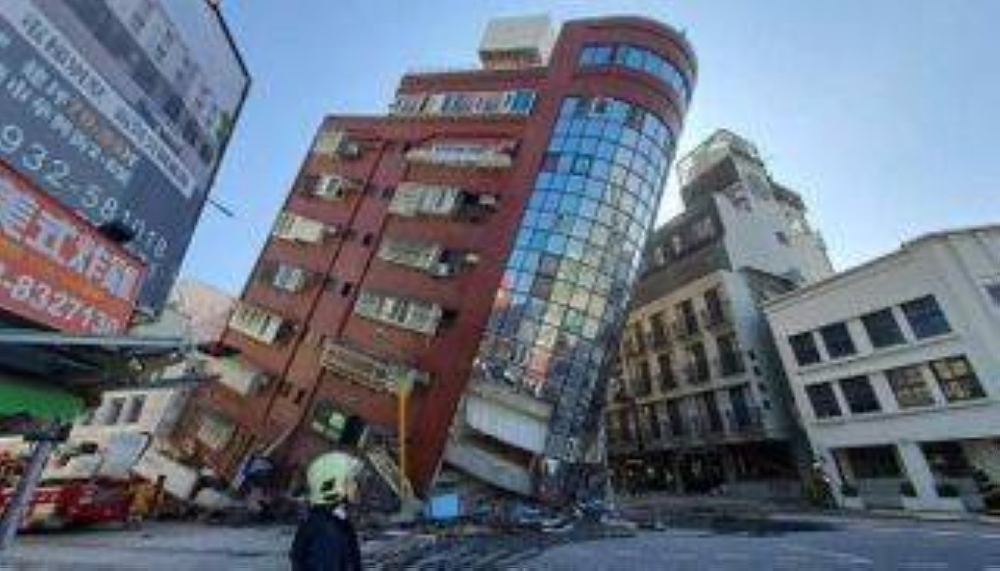
ضرب زلزال بقوة 5.9 درجة على مقياس ريختر شرق تايوان صباح الأربعاء، ما تسبب في اهتزاز مباني العاصمة تايبيه وأثار حالة من القلق بين السكان، ووقع الزلزال على عمق 31 كيلومترا قبالة السواحل الشرقية، بالقرب من مدينة هوالين، وهي منطقة تُعد مركزا متكررا للنشاط الزلزالي في الجزيرة.
ولم تُبلغ السلطات التايوانية عن أضرار جسيمة أو إصابات فورية، لكن السكان في تايبيه شعروا بالهزات لثوانٍ معدودة، ما دفع البعض إلى مغادرة المباني احترازيا، في حين أفادت وكالة الأرصاد الجوية المركزية في تايوان أن مركز الزلزال كان على بعد نحو 61 كيلومترا جنوب هوالين، وهي المنطقة التي شهدت زلزالا مدمرا بقوة 7.4 درجة في أبريل 2024، أسفر عن مقتل 9 أشخاص وإصابة المئات.
وأظهرت لقطات متداولة على وسائل التواصل الاجتماعي اهتزاز المباني في تايبيه، بما في ذلك برج تايبيه 101، أحد أبرز المعالم في العاصمة، دون تسجيل أضرار هيكلية، وأكدت السلطات أن شبكات الكهرباء والمواصلات، بما في ذلك مترو تايبيه، استمرت في العمل بشكل طبيعي، مع إجراء فحوصات فورية للتأكد من سلامة البنية التحتية.
وتقع تايوان على حزام «حلقة النار» في المحيط الهادئ، وهي منطقة تشتهر بالنشاط الزلزالي والبركاني المتكرر، ما يجعلها عرضة للزلازل بشكل شبه يومي، وشهدت الجزيرة أقوى زلزال في تاريخها الحديث في عام 1999، بقوة 7.7 درجة، أسفر عن مقتل نحو 2400 شخص وتدمير عشرات الآلاف من المباني، ما دفع الحكومة إلى تعزيز قوانين البناء وتطوير أنظمة الإنذار المبكر، التي تُعد من الأكثر تقدماً عالمياً.
وفي أبريل 2024، ضرب زلزال بقوة 7.4 درجة هوالين، ما تسبب في انهيارات أرضية وتدمير مبانٍ، مع تسجيل أكثر من 1100 هزة ارتدادية في الأشهر التالية، هذا الزلزال، الذي كان الأقوى منذ 25 عاما، كشف استعداد تايوان العالي، حيث اقتصرت الأضرار على مناطق محدودة بفضل التحسينات في البنية التحتية، وعلى سبيل المثال برج تايبيه 101، الذي يبلغ ارتفاعه 1667 قدما، مزود بكرة فولاذية تزن 660 طنا التي تتحرك عكس اتجاه الزلزال لامتصاص الطاقة الحركية، ما يقلل من الأضرار.
ومنذ زلزال 1999، أدخلت تايوان تحسينات كبيرة على قوانين البناء، تشمل تعزيز الأعمدة الخرسانية وإضافة هياكل فولاذية خارجية للمباني القديمة، كما أصبحت التدريبات على الزلازل إلزامية في المدارس وأماكن العمل، ويتم تحديث مستويات مقاومة الزلازل باستمرار.
A 5.9 magnitude earthquake struck eastern Taiwan on Wednesday morning, causing buildings in the capital Taipei to shake and raising concerns among residents. The earthquake occurred at a depth of 31 kilometers off the eastern coast, near Hualien City, an area known for frequent seismic activity on the island.
The Taiwanese authorities did not report any significant damage or immediate injuries, but residents in Taipei felt the tremors for a few seconds, prompting some to evacuate buildings as a precaution. The Central Weather Bureau of Taiwan reported that the epicenter of the earthquake was about 61 kilometers south of Hualien, which experienced a devastating 7.4 magnitude earthquake in April 2024 that resulted in the deaths of 9 people and injuries to hundreds.
Footage circulated on social media showed buildings in Taipei shaking, including the Taipei 101 tower, one of the capital's most prominent landmarks, without any structural damage being reported. Authorities confirmed that electricity and transportation networks, including the Taipei Metro, continued to operate normally, with immediate inspections conducted to ensure the safety of the infrastructure.
Taiwan is located on the "Ring of Fire" in the Pacific Ocean, an area known for frequent seismic and volcanic activity, making it prone to earthquakes almost daily. The island experienced its strongest earthquake in modern history in 1999, with a magnitude of 7.7, resulting in the deaths of around 2,400 people and the destruction of tens of thousands of buildings, prompting the government to strengthen building codes and develop early warning systems that are among the most advanced in the world.
In April 2024, a 7.4 magnitude earthquake struck Hualien, causing landslides and the destruction of buildings, with over 1,100 aftershocks recorded in the following months. This earthquake, the strongest in 25 years, revealed Taiwan's high level of preparedness, as damage was limited to specific areas thanks to improvements in infrastructure. For example, the Taipei 101 tower, which stands 1,667 feet tall, is equipped with a 660-ton steel ball that moves in the opposite direction of the earthquake to absorb kinetic energy, reducing damage.
Since the 1999 earthquake, Taiwan has made significant improvements to building codes, including reinforcing concrete columns and adding external steel structures to older buildings. Earthquake drills have also become mandatory in schools and workplaces, and earthquake resistance levels are continuously updated.