


في لحظةٍ مهيبة، يصمت الصعيد، وتتهيأ القلوب، ثم يعلو النداء من مسجد نمرة.. صوتٌ رخيمٌ طالما رافق يوم عرفة، حتى صار جزءاً من طقوسه المقدّسة. إنه صوت الشيخ فاروق بن عبدالرحمن حضراوي، المؤذن الذي اعتلى منبر عرفة لسنوات، فأصبح اسمه مرادفاً لصوت التلبية والسكينة في قلوب الحجيج.
وُلد حضراوي في الطائف عام 1365هـ، لكنه نشأ في مكة، وفي رحابها تشكلت بصمته الروحانية والصوتية، متشرباً من المآذن الحجازية القديمة، وذاكرة الصوت المكي العتيق. منذ عام 1394هـ، بدأ في مسجد العمرة، ليصل بعدها إلى المسجد الحرام، ويكون أحد من تشرفت أصواتهم بنداء الحق من جوار الكعبة.
لكن المكان الذي اقترنت به ملامح صوته أكثر من غيره كان مسجد نمرة في صعيد عرفات. فطوال أكثر من 30 عاماً كان الشيخ فاروق هو المؤذن الرسمي لذلك الموقف العظيم، يرفع الأذان ظهر التاسع من ذي الحجة، حين تحتشد الأرواح على موعدٍ مع الغفران، وحين يكون الصوت ترجماناً للسكينة والرهبة.
في أذانه، يتماهى الحجازيُّ الأصيل مع حُسن الأداء وجلال المناسبة. لا يُغني، ولا يستعرض، بل يترك للصوت أن يكون دعوةً خاشعةً لله، وللأذن أن تُنصت. بذلك، صار صوت حضراوي وثيقةً سمعيةً من وثائق الحج، تُستعاد كل عام، وتُخلَّد في وجدان من شهد الموقف أو سمعه.
إنه ليس مجرد مؤذن، بل صفحة من صفحات مكة، وصوتٌ من أرشيف عرفة لا يُمحى.
#في_ذاكرة_الحج
فاروق حضراوي.. صوت عرفات الذي لا يُنسى
5 يونيو 2025 - 03:03
|
آخر تحديث 5 يونيو 2025 - 03:03
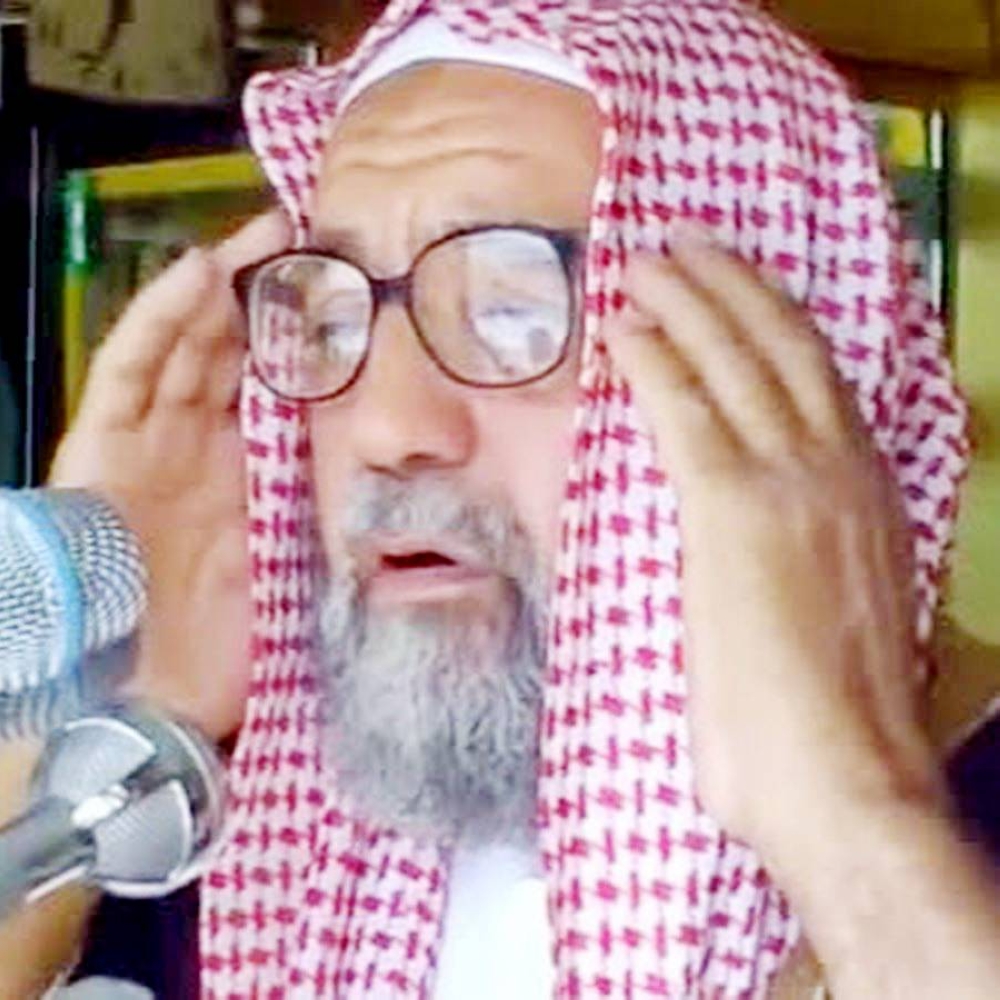
فاروق حضراوي


تابع قناة عكاظ على الواتساب
«عكاظ» (جدة) Okaz_online@
In a majestic moment, silence falls over the plain, hearts prepare, and then the call rises from the Namira Mosque.. a melodious voice that has long accompanied the Day of Arafah, becoming part of its sacred rituals. It is the voice of Sheikh Farouk bin Abdul Rahman Hadrawi, the muezzin who has ascended the pulpit of Arafah for years, making his name synonymous with the sound of the call to prayer and tranquility in the hearts of the pilgrims.
Hadrawi was born in Taif in 1365 AH, but he grew up in Mecca, where his spiritual and vocal imprint was formed, absorbing from the ancient Hijazi minarets and the memory of the old Meccan voice. Since 1394 AH, he began at the Umrah Mosque, later reaching the Grand Mosque, becoming one of those whose voices were honored to call to the truth from the vicinity of the Kaaba.
However, the place most associated with the features of his voice was the Namira Mosque in the plain of Arafah. For over 30 years, Sheikh Farouk has been the official muezzin for that great occasion, raising the call to prayer at noon on the ninth of Dhul-Hijjah, when souls gather for a moment of forgiveness, and when the voice becomes a translator of tranquility and awe.
In his call to prayer, the authentic Hijazi blends with the beauty of performance and the grandeur of the occasion. He does not sing or show off, but allows the voice to be a humble invitation to God, and for the ear to listen. Thus, Hadrawi's voice has become an auditory document of the pilgrimage, recalled every year and immortalized in the hearts of those who witnessed the occasion or heard it.
He is not just a muezzin, but a page from the history of Mecca, and a voice from the archive of Arafah that cannot be erased.
Hadrawi was born in Taif in 1365 AH, but he grew up in Mecca, where his spiritual and vocal imprint was formed, absorbing from the ancient Hijazi minarets and the memory of the old Meccan voice. Since 1394 AH, he began at the Umrah Mosque, later reaching the Grand Mosque, becoming one of those whose voices were honored to call to the truth from the vicinity of the Kaaba.
However, the place most associated with the features of his voice was the Namira Mosque in the plain of Arafah. For over 30 years, Sheikh Farouk has been the official muezzin for that great occasion, raising the call to prayer at noon on the ninth of Dhul-Hijjah, when souls gather for a moment of forgiveness, and when the voice becomes a translator of tranquility and awe.
In his call to prayer, the authentic Hijazi blends with the beauty of performance and the grandeur of the occasion. He does not sing or show off, but allows the voice to be a humble invitation to God, and for the ear to listen. Thus, Hadrawi's voice has become an auditory document of the pilgrimage, recalled every year and immortalized in the hearts of those who witnessed the occasion or heard it.
He is not just a muezzin, but a page from the history of Mecca, and a voice from the archive of Arafah that cannot be erased.


