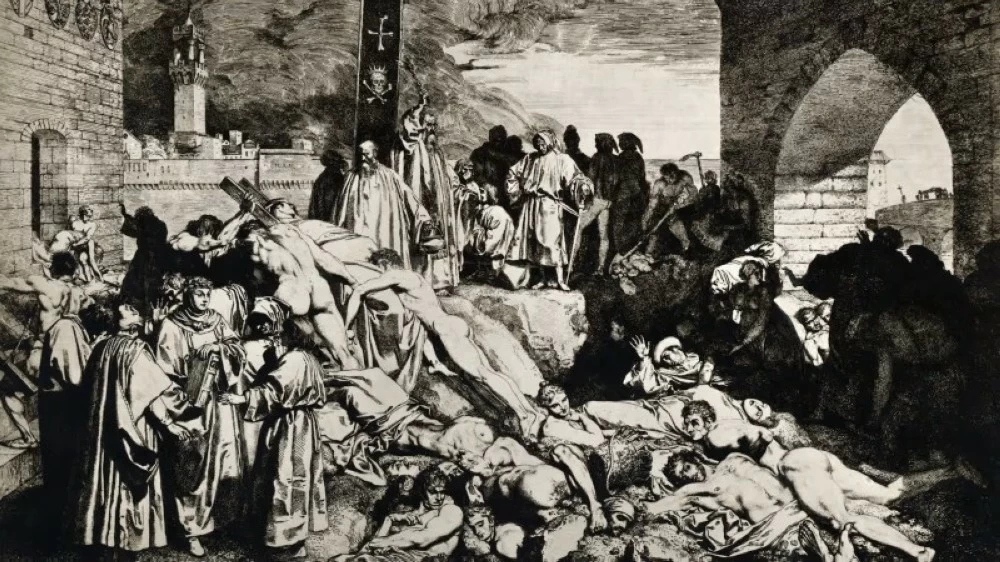
أعلن علماء آثار في ألمانيا، اليوم (الأربعاء)، اكتشاف دلائل قوية على ما يُعتبر أول مقبرة جماعية مرتبطة بالطاعون الأسود تم تحديدها بشكل منهجي وعلمي في أوروبا (وليس عن طريق الصدفة أثناء أعمال بناء).
اكتشف العلماء ما قد يكون أول مقبرة جماعية تم تحديدها بشكل منهجي مرتبطة بضحايا الطاعون الأسود في أوروبا؛ ما يوفر رؤية نادرة لأحد أكثر الأوبئة فتكًا في التاريخ، عثر عليها فريق بحثي دولي متعدد التخصصات من جامعة لايبزيغ.
وتقع المقبرة بالقرب من قرية نيوزس المهجورة خارج مدينة إرفورت، ويُعتقد أنها تحتوي على رفات آلاف الأشخاص الذين لقوا حتفهم خلال تفشي الطاعون بين عامي 1346 و1353، والذي قضى على ما يقرب من نصف سكان أوروبا في بعض المناطق، وذلك وفقا لما كشفته صحيفة «تلغراف».
مقبرة عملاقة
واستخدم الباحثون مزيجاً متطوراً من الطرق غير الغازية من بينها التحليل التاريخي للسجلات والوقائع المعاصرة، والاستشعار الجيوفيزيائي من خلال قياس المقاومة الكهربائية للتربة، وأخذ عينات الرواسب بالحفر الاستكشافي، وتحليل التأريخ بالكربون-14.
وكشفت النتائج عن هيكل تحت سطحي كبير بنحو 10 × 15 متراً وعمق يتجاوز 3.5 متر يحتوي على رواسب مختلطة بشكل غير طبيعي وشظايا عظام بشرية، حيث أكد التأريخ بالكربون-14 أن بقايا العظام تعود بوضوح إلى القرن الرابع عشر، وتحديداً فترة تفشي الطاعون الأسود.
ويُعرف الطاعون الأسود (1346–1353) بأنه أحد أكثر الأوبئة فتكاً في تاريخ البشرية، حيث تسبب في مقتل ما بين 30–50% من سكان أوروبا وفي بعض المناطق وصلت النسبة إلى 60–70%، وأحدث تغييرات اجتماعية واقتصادية عميقة أنهت فعلياً العصور الوسطى المبكرة.
12 ألفا لقوا حتفهم في إرفورت وحدها
وفي مدينة إرفورت أحد أهم المراكز الحضرية في ألمانيا آنذاك وثّقت السجلات المعاصرة أن نحو 12,000 شخص لقوا حتفهم خلال تفشي الوباء عام 1350، وتم دفنهم في 11 حفرة جماعية كبيرة خارج أسوار المدينة، معظمها في مقبرة كنيسة قرية نيوزس القريبة التي اختيرت كموقع طارئ للدفن الجماعي.
وقال الجغرافي الدكتور مايكل هاين من جامعة لايبزيغ، أحد مؤلفي الدراسة المنشورة «تشير نتائجنا بقوة إلى أننا حددنا إحدى مقابر الطاعون الجماعية المذكورة في سجلات إرفورت، التأكيد النهائي سيتطلب حفريات أثرية».
ووجد الباحثون أن الدفن تم على الأرجح في تربة شيرنوزيم الجافة الغنية بالعضويات والكربونات على حافة وادي نهر جيرا، بينما كانت الأراضي الطينية الرطبة يتمُّ تجنبها نظرًا لبطء تحلل الجثث، بما يتماشى مع اعتقادات «نظرية الميازما» التي سادت في العصور الوسطى، والتي ربطت انتشار الأمراض بالهواء الفاسد المنبعث من المواد العضوية المتحللة.
Archaeologists in Germany announced today (Wednesday) the discovery of strong evidence of what is considered the first systematically and scientifically identified mass grave linked to the Black Death in Europe (rather than discovered by chance during construction work).
The scientists have discovered what may be the first systematically identified mass grave associated with victims of the Black Death in Europe; providing a rare insight into one of the deadliest pandemics in history, found by an interdisciplinary international research team from Leipzig University.
The grave is located near the abandoned village of Neuzelle outside the city of Erfurt, and it is believed to contain the remains of thousands of people who died during the plague outbreak between 1346 and 1353, which wiped out nearly half of the population in some areas of Europe, according to what was revealed by the "Telegraph" newspaper.
Giant Grave
The researchers used an advanced combination of non-invasive methods including historical analysis of records and contemporary accounts, geophysical sensing by measuring the electrical resistance of the soil, exploratory digging for sediment sampling, and carbon-14 dating analysis.
The results revealed a large subsurface structure measuring approximately 10 × 15 meters and over 3.5 meters deep containing abnormally mixed deposits and fragments of human bones, where carbon-14 dating confirmed that the remains clearly date back to the 14th century, specifically during the period of the Black Death outbreak.
The Black Death (1346–1353) is known as one of the deadliest pandemics in human history, causing the deaths of between 30–50% of the population in Europe, with some areas experiencing rates as high as 60–70%, and it brought about profound social and economic changes that effectively ended the early Middle Ages.
12,000 Died in Erfurt Alone
In the city of Erfurt, one of the most important urban centers in Germany at the time, contemporary records documented that around 12,000 people died during the outbreak in 1350, and they were buried in 11 large mass graves outside the city walls, most of them in the cemetery of the nearby village of Neuzelle, which was chosen as an emergency mass burial site.
Dr. Michael Hein, a geographer from Leipzig University and one of the authors of the published study, said, "Our results strongly suggest that we have identified one of the mass plague graves mentioned in the records of Erfurt; final confirmation will require archaeological excavations."
The researchers found that the burials likely took place in the dry, rich Chernozem soil on the edge of the Jera River valley, while wet clay lands were avoided due to the slow decomposition of bodies, in line with the beliefs of the "miasma theory" that prevailed in the Middle Ages, which linked the spread of diseases to the foul air emitted from decaying organic matter.