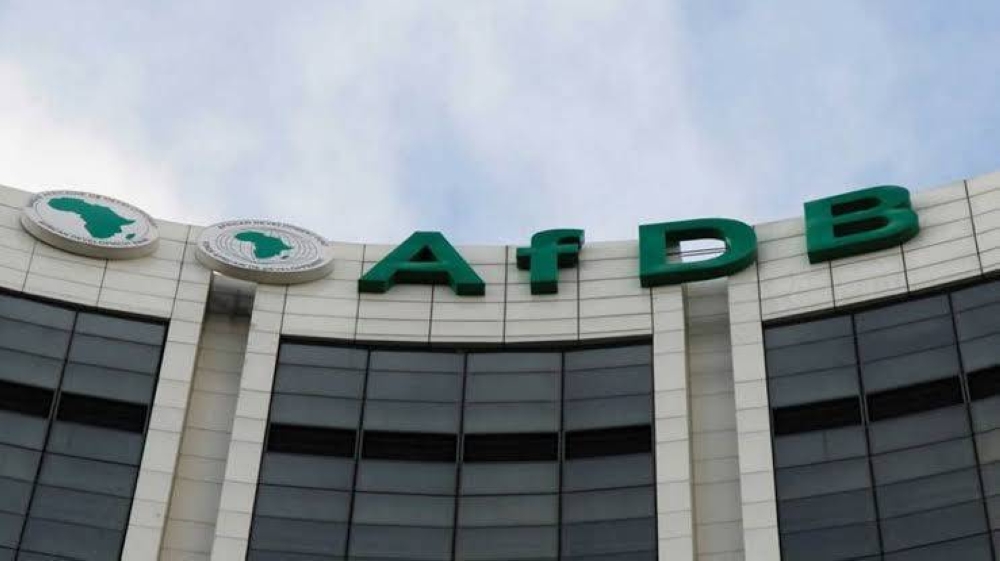
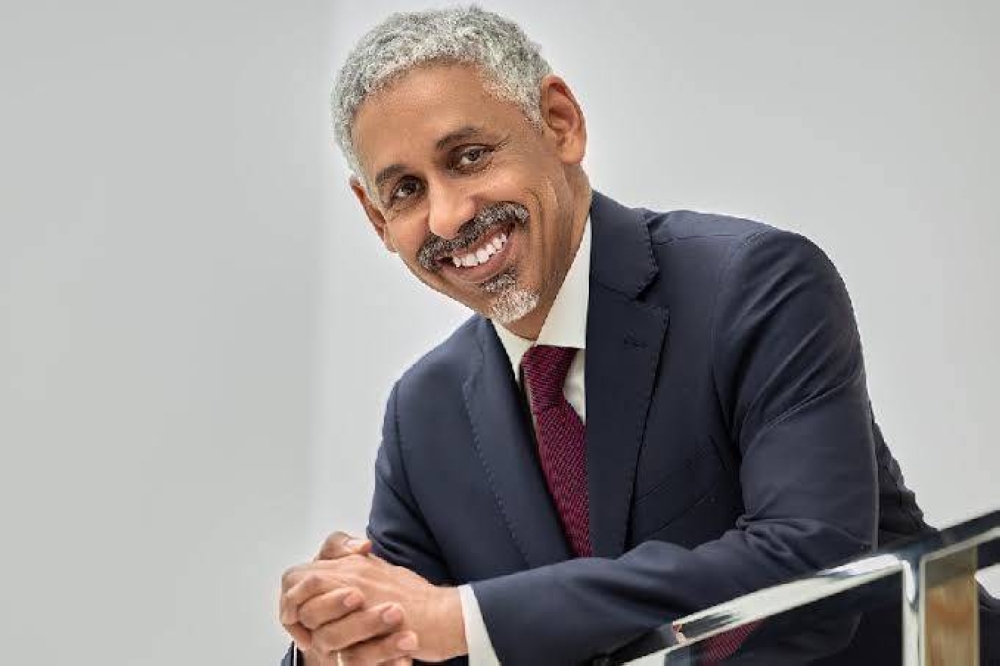
أعلن بنك التنمية الأفريقي (AfDB)، أكبر مؤسسة مالية متعددة الأطراف في القارة، انتخاب الاقتصادي الموريتاني سيدي ولد التاه رئيساً جديداً له في ختام الاجتماعات السنوية التي عُقدت في أبيدجان.
وجاء فوز الاقتصادي الموريتاني بعد 3 جولات من التصويت المكثف من قبل مجلس محافظي البنك، حيث تفوق التاه بنسبة 76.18% من الأصوات على منافسيه الأربعة، ليصبح الرئيس التاسع للمؤسسة التي تأسست عام 1964.
ويتمتع سيدي ولد التاه، البالغ من العمر 60 عاماً، بخبرة واسعة في التمويل والتنمية، حيث شغل منصب وزير الشؤون الاقتصادية والتنمية في موريتانيا، وقاد المصرف العربي للتنمية الاقتصادية في أفريقيا (BADEA) لمدة 10 سنوات، حيث نجح في تحويل المصرف إلى واحد من أعلى المؤسسات التنموية تصنيفاً في أفريقيا.
وخلال حملته، ركز التاه على «النقاط الأربع الرئيسية» التي تشمل تعزيز المرونة المناخية، التنويع الاقتصادي، إدماج الشباب والنساء، وتعبئة التمويل المبتكر عبر تقنيات مثل الفينتك والبلوك تشين، وواجهت الانتخابات منافسة قوية، حيث تنافس خمسة مرشحين، من بينهم صموئيل مايمبو، نائب رئيس البنك الدولي من زامبيا، وأمادو هوت، وزير الاقتصاد السنغالي السابق، لكن التاه، بدعم قوي من الدول الأفريقية ودول الجامعة العربية، نجح في حشد أغلبية ساحقة، حيث حصل على 68.42% من الأصوات الأفريقية في الجولة الثانية، ما عزز زخمه نحو الفوز.
وفي كلمته بعد الإعلان عن فوزه، قال التاه: «أشكر أفريقيا على هذه الثقة، وأتفهم المسؤولية الكبيرة التي تقع على عاتقي. حان الوقت للعمل، وأنا جاهز»، وأشار إلى أن البنك بحاجة إلى إصلاحات داخلية لتسريع تنفيذ المشاريع وجذب المواهب، مع التركيز على تعزيز البنية المالية لأفريقيا.
ويواجه التاه تحديات فورية، حيث تعاني القارة من ضغوط اقتصادية متزايدة، بما في ذلك أعباء الديون، وصدمات المناخ، وانخفاض المساعدات الدولية، ويأتي انتخابه في وقت أعلنت فيه إدارة الرئيس الأمريكي دونالد ترمب خفض التمويل المقدم لصندوق التنمية الأفريقية، ما يضع ضغطاً إضافياً على البنك لإيجاد مصادر تمويل مبتكرة.
The African Development Bank (AfDB), the largest multilateral financial institution on the continent, announced the election of Mauritanian economist Sidy Mohamed Ould Tah as its new president at the conclusion of the annual meetings held in Abidjan.
The Mauritanian economist's victory came after three rounds of intense voting by the bank's Board of Governors, where Ould Tah secured 76.18% of the votes against his four competitors, becoming the ninth president of the institution, which was established in 1964.
Sidy Mohamed Ould Tah, who is 60 years old, has extensive experience in finance and development, having served as Minister of Economic Affairs and Development in Mauritania and led the Arab Bank for Economic Development in Africa (BADEA) for 10 years, during which he succeeded in transforming the bank into one of the highest-rated development institutions in Africa.
During his campaign, Ould Tah focused on the "four main points," which include enhancing climate resilience, economic diversification, integrating youth and women, and mobilizing innovative financing through technologies such as fintech and blockchain. The elections faced strong competition, with five candidates vying for the position, including Samuel Maimbo, the World Bank's Vice President from Zambia, and Amadou Hott, the former Senegalese Minister of Economy. However, Ould Tah, with strong support from African countries and Arab League nations, managed to rally a significant majority, receiving 68.42% of the African votes in the second round, which boosted his momentum towards victory.
In his speech following the announcement of his victory, Ould Tah said, "I thank Africa for this trust, and I understand the great responsibility that lies ahead of me. It is time to work, and I am ready." He noted that the bank needs internal reforms to accelerate project implementation and attract talent, with a focus on strengthening Africa's financial infrastructure.
Ould Tah faces immediate challenges, as the continent is experiencing increasing economic pressures, including debt burdens, climate shocks, and declining international aid. His election comes at a time when the administration of U.S. President Donald Trump announced cuts to funding provided to the African Development Fund, putting additional pressure on the bank to find innovative funding sources.