


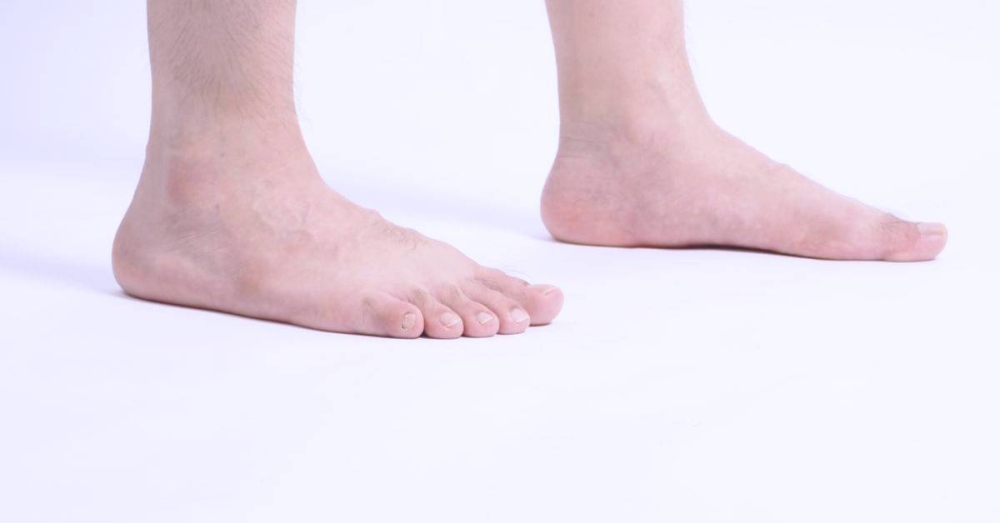
غالباً ما نتجاهل أقدامنا عند التفكير في الصحة، لكنها قد تكون أول ما يكشف مشكلاتٍ داخليةً لا تظهر بوضوح. من تشققات الجلد وتغير لون الأظافر إلى التورم أو البرودة المستمرة، قد تعكس هذه العلامات مؤشرات على نقص عناصر غذائية أو اضطرابات في الدورة الدموية أو وظائف الكلى والقلب. الخبيرة الصحية نوبور باتيل، أوضحت، عبر حسابها على إنستغرام، أن الأقدام تحمل إشارات لا يجب تجاهلها، إذ يمكن أن تشير التشنجات المتكررة إلى نقص المغنيسيوم، والتشقق المزمن إلى نقص فيتامين B3 أو الزنك، بينما قد يدل الوخز أو الخدر على ضعف في وظيفة الأعصاب بسبب نقص بعض الفيتامينات. كذلك، فإن برودة القدمين قد ترتبط بضعف الدورة الدموية أو بنقص الحديد أو اليود، فيما قد يكون التورم علامة على مشكلاتٍ أكثر تعقيداً.
ورغم كل ذلك، شددت باتيل على ضرورة عدم الاعتماد على الملاحظة فقط، مؤكدة أن التحاليل الطبية هي السبيل الأوضح للتشخيص، وأن القدم قد تكون مجرد بداية لحوار أوسع مع الجسم حول ما يحتاجه فعلاً.
هل تخبرنا أقدامنا بما لا نعرفه عن صحتنا؟
28 مايو 2025 - 03:01
|
آخر تحديث 28 مايو 2025 - 03:01


تابع قناة عكاظ على الواتساب
«عكاظ» (لندن) OKAZ_online@
We often overlook our feet when thinking about health, but they can be the first to reveal internal problems that are not clearly visible. From skin cracks and changes in nail color to swelling or persistent coldness, these signs may reflect indicators of nutrient deficiencies or disorders in circulation, kidney, and heart functions. Health expert Nupur Patel explained, through her Instagram account, that the feet carry signals that should not be ignored, as recurring cramps may indicate magnesium deficiency, chronic cracking may point to a lack of vitamin B3 or zinc, while tingling or numbness may suggest nerve function weakness due to a deficiency in certain vitamins. Additionally, cold feet may be associated with poor circulation or deficiencies in iron or iodine, while swelling could be a sign of more complex issues.
Despite all this, Patel emphasized the necessity of not relying solely on observation, asserting that medical tests are the clearest way to diagnose, and that the foot may just be the beginning of a broader dialogue with the body about what it truly needs.
Despite all this, Patel emphasized the necessity of not relying solely on observation, asserting that medical tests are the clearest way to diagnose, and that the foot may just be the beginning of a broader dialogue with the body about what it truly needs.





