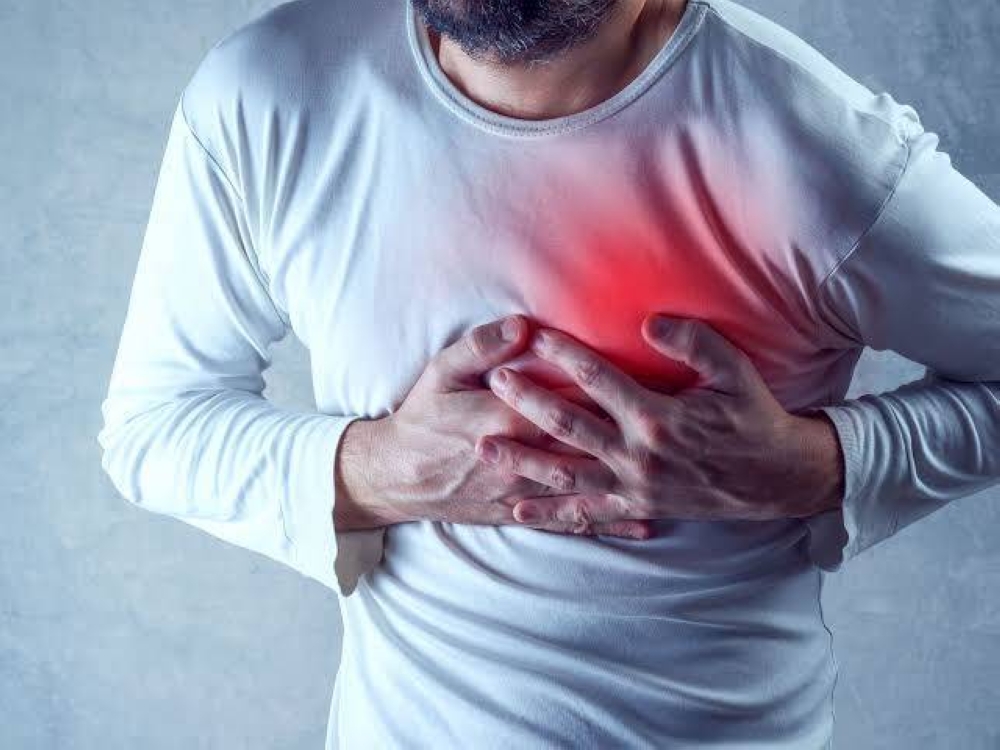
روت أرملتان شابتان، لورا بور وجابي إيفانز، قصتيهما المؤلمتين بعد فقدانهما لشريكيهما بسبب أمراض قلبية لم تُشخص، محذرتين من أن الآلاف من الشباب قد يكونون عرضة للوفاة المفاجئة نتيجة حالات قلبية غير مكتشفة.
وفقا لموقع «mail online»، تأتي هذه القصص في وقت تُظهر فيه الإحصاءات أن نحو 400 ألف شخص في المملكة المتحدة يعانون من قصور قلبي غير مشخص، 10% منهم دون سن الخمسين.
وتوفي إدوارد بور، البالغ من العمر 32 عامًا، في أكتوبر 2024، بعد إصابته بقصور قلبي لم يكن يعلم بوجوده.
بدأت الأعراض بعد يوم واحد من زفافه، حيث شعر بتوعك اعتقد أنه ناتج عن إصابة بفايروس بسبب تواجده مع 60 شخصًا في حفل الزفاف، لكن حالته تدهورت، وتم تشخيصه بالتهاب رئوي، ثم اكتُشف أن قلبه يعاني من خلل وظيفي.
نُقل إدوارد إلى مستشفى جون رادكليف في أكسفورد، حيث تبين أنه يعاني من قصور قلبي حاد أثناء نقله بالإسعاف.
في يوليو 2024، خضع لجراحة قلب مفتوح في مستشفى هارفيلد بلندن، حيث تم تركيب جهاز لدعم ضخ الدم.
ورغم خطط الأطباء لإجراء عملية زراعة قلب، إلا أن الانتظار طال، وتوفي إدوارد بسبب فشل متعدد في الأعضاء.
وتقول لورا بور، 31 عامًا لـ mail online: «كنت عروسًا وزوجة في الثلاثين، والآن أنا أرملة في الحادية والثلاثين، هذه الكلمات لا يجب أن تنطقها امرأة في عمري».
وفي حادثة مماثلة، فقدت جابي إيفانز، ممرضة من بيرنلي، شريكها توم بريكويل، 34 عامًا، في يناير 2025، بعد إصابته بنوبة قلبية ناتجة عن ارتفاع ضغط الدم ومرض الشريان التاجي غير المشخص.
بدأت الأعراض قبل أسبوعين من وفاته، عندما شعر بآلام مفاجئة في الصدر، فتم نقله إلى المستشفى، حيث اعتقد الأطباء أنه أصيب بنوبة قلبية.
بعد استقرار حالته وخروجه من المستشفى، استيقظت جابي في صباح 28 يناير لتجد توم قد توقف عن التنفس، وحاولت إنعاشه بالضغط على الصدر حتى وصول الإسعاف، لكن الجهود باءت بالفشل.
وتقول جابي: «عندما أضأت النور، علمت على الفور أن شيئًا ما خطأ. حاولت إنقاذه، لكنني خسرته».
ويحدث قصور القلب عندما يعجز القلب عن ضخ الدم بكفاءة نتيجة ضعفه أو تصلبه، مما يقلل من إمداد الأعضاء بالأكسجين والمغذيات.
وتشمل الأسباب الشائعة ارتفاع ضغط الدم وتصلب الشرايين الناتج عن تراكم الكوليسترول.
كما تتضمن الأعراض ضيق التنفس، التعب، تورم الساقين والكاحلين، اضطرابات ضربات القلب، الدوخة، الغثيان، وآلام في الذراعين أو الفك أو الظهر.
ويُحذر الخبراء من أن العوامل المرتبطة بنمط الحياة، مثل التوتر والعادات الغذائية غير الصحية، تزيد من مخاطر هذه الحالة.
ووفقا لموقع mail online، أطلقت لورا وجابي في مايو الجاري عريضة تطالب بإجراء فحوصات صحية إلزامية للشباب بين 25 و35 عامًا لاكتشاف أمراض القلب المبكرة.
وتقول لورا: «لو أجري إدوارد وتوم فحوصات مبكرة، لكان من الممكن اكتشاف المشكلة وإنقاذ حياتهما»، كما تضيف جابي: «الفحوصات الإلزامية يمكن أن تمنع آخرين من المعاناة التي مررنا بها. الحزن جزء من الحياة، لكن ليس في هذا العمر».
وفي سياق متصل، أعربت وزارة الصحة والرعاية الاجتماعية في المملكة المتحدة عن تعاطفها مع عائلتي إدوارد وتوم، مشيرة إلى أن برنامج الفحوصات الصحية في هيئة الصحة الوطنية (NHS) يستهدف الفئات الأكثر عرضة للخطر، ويمنع نحو 500 نوبة قلبية وسكتة دماغية سنويًا.
وأضافت الوزارة أنها تعمل على تطوير خدمة إلكترونية جديدة تتيح للأفراد تقييم مخاطر الإصابة بأمراض القلب والسكري من المنزل.
Young widows Laura Bour and Jabi Evans shared their painful stories after losing their partners to undiagnosed heart conditions, warning that thousands of young people may be at risk of sudden death due to undiscovered cardiac issues.
According to the "mail online" website, these stories come at a time when statistics show that around 400,000 people in the UK suffer from undiagnosed heart failure, 10% of whom are under the age of fifty.
Edward Bour, 32, died in October 2024 after suffering from heart failure he was unaware of.
The symptoms began just one day after his wedding, as he felt unwell, thinking it was due to a virus from being around 60 people at the wedding. However, his condition deteriorated, and he was diagnosed with pneumonia, only to discover that his heart was functioning improperly.
Edward was transferred to John Radcliffe Hospital in Oxford, where it was found that he was suffering from acute heart failure during his ambulance transfer.
In July 2024, he underwent open-heart surgery at Harefield Hospital in London, where a device was implanted to assist with blood pumping.
Despite the doctors' plans for a heart transplant, the wait was prolonged, and Edward died due to multiple organ failure.
Laura Bour, 31, told mail online: "I was a bride and a wife in my thirties, and now I am a widow at thirty-one. These words should not be spoken by a woman my age."
In a similar incident, Jabi Evans, a nurse from Burnley, lost her partner Tom Brickwell, 34, in January 2025, after he suffered a heart attack due to undiagnosed high blood pressure and coronary artery disease.
The symptoms began two weeks before his death when he felt sudden chest pains, and he was taken to the hospital, where doctors believed he had suffered a heart attack.
After his condition stabilized and he was discharged from the hospital, Jabi woke up on the morning of January 28 to find Tom had stopped breathing. She tried to revive him with chest compressions until the ambulance arrived, but the efforts were unsuccessful.
Jabi said: "When I turned on the light, I knew immediately that something was wrong. I tried to save him, but I lost him."
Heart failure occurs when the heart cannot pump blood efficiently due to weakness or stiffness, reducing the supply of oxygen and nutrients to the organs.
Common causes include high blood pressure and atherosclerosis caused by cholesterol buildup.
Symptoms also include shortness of breath, fatigue, swelling in the legs and ankles, irregular heartbeats, dizziness, nausea, and pain in the arms, jaw, or back.
Experts warn that lifestyle-related factors, such as stress and unhealthy eating habits, increase the risks of this condition.
According to mail online, Laura and Jabi launched a petition in May calling for mandatory health screenings for young people aged 25 to 35 to detect early heart diseases.
Laura said: "If Edward and Tom had undergone early screenings, the problem could have been detected, and their lives could have been saved." Jabi added: "Mandatory screenings could prevent others from suffering the way we did. Grief is part of life, but not at this age."
In a related context, the UK Department of Health and Social Care expressed its sympathy to the families of Edward and Tom, noting that the health screening program in the National Health Service (NHS) targets the most at-risk groups and prevents around 500 heart attacks and strokes annually.
The department added that it is working on developing a new online service that allows individuals to assess their risk of heart disease and diabetes from home.