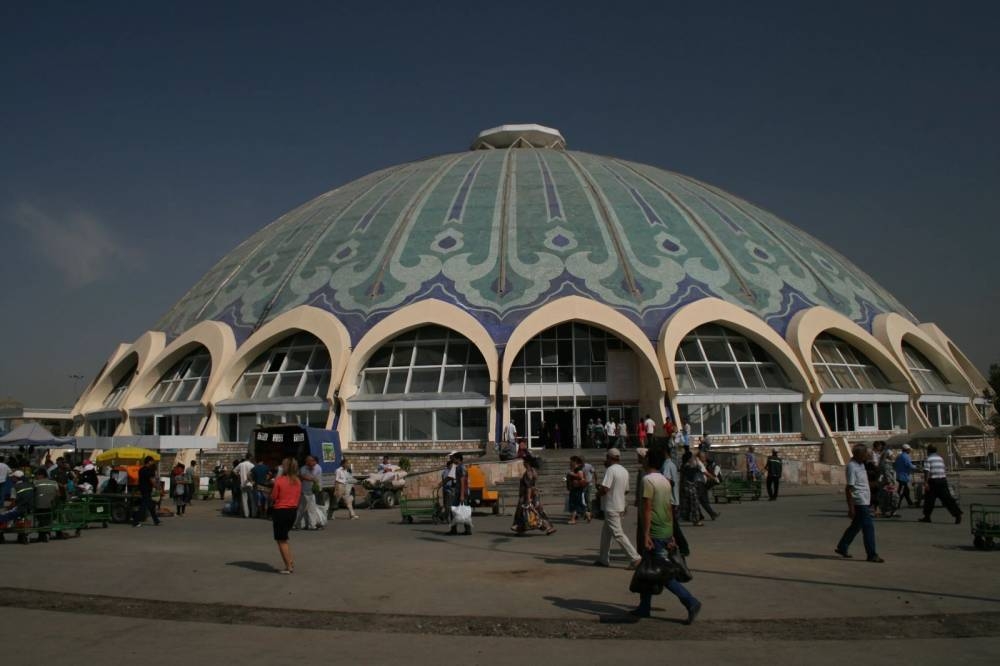
على مفترق الطرق بين الشرق والغرب، وبين ضفاف نهري «سيحون» و«جيحون»، تنهض طشقند، العاصمة الأوزبكية، شاهدةً على قرونٍ من التاريخ والثقافات التي عبرت طريق الحرير العظيم، وخلّفت بصمات لا تزال حاضرة في ملامح المدينة حتى اليوم.
اسمها مركب من كلمتي «طاش» وتعني الحجر، و«قند» أي المدينة، لتُعرف بـ«مدينة الحجر» وتقع في شرق أوزبكستان، قرب الحدود مع كازاخستان، وتحديداً في وادي نهر «شرشيك»، غرب جبال «التيان شان»، وتُعد اليوم واحدة من أكبر مدن آسيا الوسطى من حيث الكثافة السكانية، إذ يقطنها أكثر من 2.2 مليون نسمة ويتميّز مناخ المدينة، بطابع مشابه لمنطقة البحر الأبيض المتوسط، يكون الشتاء بارداً، والصيف طويلاً وجافاً.
مزيج ثقافي وتاريخ متجذر
يتنوع سكان طشقند بين الأوزبك، الذين يشكلون الأغلبية، إلى جانب أقليات من الروس والطاجيك والكازاخ والتتارة، وتتحدث الأغلبية اللغة الأوزبكية، فيما لا تزال اللغة الروسية حاضرة في الحياة اليومية، والمجالات الحكومية والتعليمية.
أما تاريخ المدينة، فهو عريق ومتنوع؛ إذ دخلها العرب المسلمون في القرن الثامن الميلادي، قبل أن تتوالى عليها سيطرة جنكيز خان، وتيمور لنك، إلى أن أصبحت جزءاً من الإمبراطورية الروسية عام 1865، ثم لاحقاً عاصمة لجمهورية تركستان السوفيتية، إلى أن اختيرت عاصمة لأوزبكستان عام 1930 بدلاً من سمرقند.
لكن أحد أكثر الفصول مأساوية في تاريخ طشقند، كان في 25 أبريل 1966، حين دمر زلزال مدمر أجزاء واسعة من المدينة، وشرّد أكثر من 300 ألف نسمة، ما أدى إلى إعادة إعمارها على النمط السوفياتي الحديث.
اقتصاد نابض وصناعات تقليدية
تعد طشقند مركزاً اقتصاديّاً مهماً في البلاد، خصوصاً في صناعة نسيج القطن، والآلات الزراعية، والمنسوجات. وتحتضن عدداً من المصانع والمنشآت الصناعية التي تُعد عصباً حيويّاً للاقتصاد الأوزبكي.
رغم الدمار الذي طال أجزاء من المدينة القديمة، خلال ثورة 1917 وزلزال 1966، ما تزال طشقند تحتفظ بكنوز معمارية ودينية فريدة. من أبرزها:
- مدرسة براق خان: التي شُيّدت في القرن الثالث عشر، وعُرف سلطانها الذي أعلن إسلامه باسم «غياث الدين».
- مدرسة كوكلتاش: التي تعود إلى القرن السادس عشر، وتعد من أكبر مدارس آسيا الوسطى.
- جامع تلا خان (الشيخ طلعت)، وهو المسجد الجامع للمدينة.
بوابة آسيا الوسطى الحديثة
تحتضن المدينة عدداً من القصور والمباني التاريخية، مثل ضريح يونس خان، مؤسس الإمبراطورية المغولية، وقصر الأمير رومانوف.
أما على الصعيد الثقافي، فتتميز طشقند بوفرة المتاحف، أبرزها متحف الأمير تيمور، ومتحف الفنون الجميلة، ومتحف الفنون التطبيقية، الذي كان في الأصل مقر إقامة للينين وتزدان المدينة بحدائقها وساحاتها المفتوحة، وأبرزها حديقة النصب التذكاري للحرب العالمية الثانية.
وبطابعها، الذي يمزج بين الأصالة والحداثة، باتت طشقند اليوم بوابة أوزبكستان إلى العالم، وواحدة من أكثر المدن انفتاحاً على الاستثمارات والسياحة، في ظل رؤية وطنية تسعى إلى إحياء إرث طريق الحرير، وربطه بالنهضة الاقتصادية الحديثة.
- Pulsating with the history of Islam and the glow of the present
- Between the blue domes and the features of the Arabs
- From Baraq Khan to the Romanov Palace
At the crossroads between East and West, and between the banks of the "Sihun" and "Jihun" rivers, Tashkent, the capital of Uzbekistan, rises as a witness to centuries of history and cultures that traversed the great Silk Road, leaving marks that are still present in the city's features today.
Its name is a combination of the words "Tash," meaning stone, and "kent," meaning city, thus known as the "City of Stone." It is located in eastern Uzbekistan, near the border with Kazakhstan, specifically in the valley of the "Sharchik" River, west of the "Tian Shan" mountains. Today, it is considered one of the largest cities in Central Asia in terms of population density, with more than 2.2 million residents, and the city's climate is characterized by a Mediterranean-like nature, with cold winters and long, dry summers.
A Cultural Mix and Deep-rooted History
The population of Tashkent is diverse, with Uzbeks making up the majority, alongside minorities of Russians, Tajiks, Kazakhs, and Tatars. The majority speak Uzbek, while the Russian language remains present in daily life, as well as in government and educational fields.
The city's history is ancient and varied; it was entered by Muslim Arabs in the eighth century AD, before being successively controlled by Genghis Khan and Timur, until it became part of the Russian Empire in 1865, and later the capital of the Soviet Republic of Turkestan, before being chosen as the capital of Uzbekistan in 1930, replacing Samarkand.
However, one of the most tragic chapters in Tashkent's history occurred on April 25, 1966, when a devastating earthquake destroyed large parts of the city and displaced more than 300,000 residents, leading to its reconstruction in a modern Soviet style.
A Vibrant Economy and Traditional Industries
Tashkent is an important economic center in the country, particularly in the cotton textile industry, agricultural machinery, and textiles. It hosts a number of factories and industrial facilities that are vital to the Uzbek economy.
Despite the destruction that affected parts of the old city during the 1917 Revolution and the 1966 earthquake, Tashkent still retains unique architectural and religious treasures. Among the most notable are:
- Baraq Khan School: built in the 13th century, known for its Sultan who declared his Islam as "Ghayath al-Din."
- Kukeldash School: dating back to the 16th century, considered one of the largest schools in Central Asia.
- Tila Khan Mosque (Sheikh Talat), which is the main mosque of the city.
The Gateway to Modern Central Asia
The city hosts several palaces and historical buildings, such as the mausoleum of Yunus Khan, the founder of the Mongol Empire, and the Romanov Palace.
Culturally, Tashkent is distinguished by an abundance of museums, the most prominent being the Timur Museum, the Museum of Fine Arts, and the Museum of Applied Arts, which was originally Lenin's residence. The city is adorned with its gardens and open squares, the most notable being the Memorial Park for World War II.
With its character that blends authenticity and modernity, Tashkent has become today Uzbekistan's gateway to the world and one of the most open cities to investments and tourism, under a national vision that seeks to revive the legacy of the Silk Road and link it to modern economic renaissance.