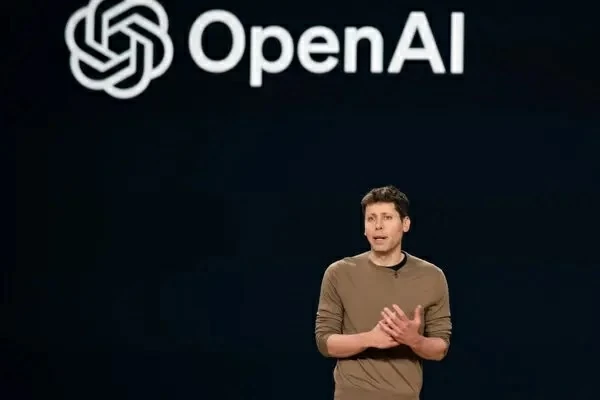
كشفت صحيفة (فايننشال تايمز) أن شركة OpenAI، المطورة لتطبيق ChatGPT، تجري محادثات أولية بشأن منح الحكومة الأمريكية حصة تبلغ 5% من أسهمها؛ بهدف توسيع استفادة المواطنين من العوائد الاقتصادية للذكاء الاصطناعي، وتعزيز العلاقات بين شركات القطاع والإدارة الأمريكية.
ونقلت الصحيفة عن مصدرين مطلعين على المناقشات أن الرئيس التنفيذي للشركة، سام ألتمان، يرى أن منح الجمهور الأمريكي حصة مالية في الشركة يمثِِّل أحد أفضل السبل لتقاسم المكاسب التي يحققها الذكاء الاصطناعي، معتبراً أن هذه الخطوة قد تسهم في تحقيق توزيع أوسع للثروة الناتجة عن الطفرة التقنية.
وبحسب التقرير، فإن المقترح لا يقتصر على OpenAI، بل يشمل دعوة كبرى شركات الذكاء الاصطناعي الأمريكية إلى تخصيص نسبة مماثلة من أسهمها للحكومة، إلا أنه لم يتضح بعد ما إذا كانت شركات مثل Anthropic وGoogle وMeta ستوافق على الانضمام إلى هذه المبادرة.
ويرى مراقبون أن مثل هذا التوجه قد يساعد شركات الذكاء الاصطناعي على تعزيز علاقاتها مع إدارة الرئيس الأمريكي دونالد ترمب، إلى جانب كسب دعم سياسي أوسع من خلال إشراك المواطنين في العوائد الاقتصادية المتوقعة لهذا القطاع سريع النمو.
ويأتي المقترح في وقت تتزايد فيه الضغوط الحكومية على شركات الذكاء الاصطناعي في الولايات المتحدة، ففي الشهر الماضي، علّقت شركة Anthropic إتاحة أحدث نماذجها لبعض المستخدمين، بعد توجيهات حكومية بتقييد وصول بعض الأجانب إليها لدواعٍ تتعلق بالأمن القومي، قبل أن تعلن لاحقاً استئناف الخدمة عقب معالجة المخاوف الأمنية التي أثارتها السلطات.
ووفقاً للصحيفة، اقترح ألتمان وعدد من مسؤولي OpenAI أن تقوم أكبر شركات الذكاء الاصطناعي الأمريكية بتخصيص 5% من أسهمها لصندوق استثماري سيادي، على غرار صندوق ألاسكا الدائم، الذي يستثمر عائدات النفط ويوزع أرباحاً على سكان الولاية.
وأكد التقرير أن المناقشات لا تزال في إطار الأفكار الأولية، وأن تنفيذ أي اتفاق من هذا النوع قد يتطلب إصدار تشريع من الكونغرس الأمريكي.
وسبق لكل من OpenAI وAnthropic أن أشارتا، في أوراق سياسات سابقة، إلى إمكانية إنشاء صندوق ثروة عامة أو صندوق سيادي مستقبلاً لتوزيع جزء من عوائد وأسهم شركات الذكاء الاصطناعي على المواطنين.
وفي أبريل الماضي، قالت OpenAI "إن إنشاء (صندوق ثروة عامة) يمكن أن يمنح جميع المواطنين الأمريكيين، بمن فيهم غير المستثمرين في الأسواق المالية، فرصة للاستفادة من النمو الاقتصادي الذي يقوده الذكاء الاصطناعي".
وفي سياق متصل، تستعد كل من OpenAI وAnthropic لطرح أسهمهما في البورصة الأمريكية؛ وهي خطوة يتوقع بعض المستثمرين أن ترفع القيمة السوقية لكل شركة إلى أكثر من تريليون دولار.
كما أشار التقرير إلى أن سام ألتمان أجرى مناقشات حول فكرة الملكية العامة مع الرئيس الأمريكي دونالد ترمب، ووزير التجارة هوارد لوتنيك، ووزير الخزانة سكوت بيسنت؛ وفقاً لمصادر مطلعة.
وأضافت الصحيفة أن ألتمان التقى أيضاً، خلال الأسابيع الأخيرة، بالسيناتور الديمقراطي بيرني ساندرز، الذي يدعو إلى إنشاء صندوق ثروة سيادي مستقل يتم تمويله من خلال فرض ضريبة استثنائية بنسبة 50% على أسهم أكبر شركات الذكاء الاصطناعي؛ بهدف توجيه جزء من ثمار هذا القطاع إلى المواطنين الأمريكيين.
ولم تصدر شركة OpenAI تعليقاً رسمياً على ما ورد في التقرير حتى الآن.
The Financial Times revealed that OpenAI, the developer of the ChatGPT application, is in preliminary talks about granting the U.S. government a 5% stake in the company; with the aim of expanding citizens' benefits from the economic returns of artificial intelligence and strengthening the relationships between the sector's companies and the U.S. administration.
The newspaper reported from two sources familiar with the discussions that the company's CEO, Sam Altman, believes that granting the American public a financial stake in the company represents one of the best ways to share the gains achieved by artificial intelligence, considering that this step could contribute to achieving a broader distribution of the wealth generated by the technological boom.
According to the report, the proposal is not limited to OpenAI, but also includes a call for major American artificial intelligence companies to allocate a similar percentage of their shares to the government; however, it is still unclear whether companies like Anthropic, Google, and Meta will agree to join this initiative.
Observers believe that such a direction could help artificial intelligence companies strengthen their relationships with President Donald Trump's administration, as well as gain broader political support by involving citizens in the expected economic returns of this rapidly growing sector.
The proposal comes at a time when government pressures on artificial intelligence companies in the United States are increasing. Last month, Anthropic suspended access to its latest models for some users after government directives restricted access for certain foreigners due to national security concerns, before later announcing the resumption of service after addressing the security concerns raised by the authorities.
According to the newspaper, Altman and several OpenAI officials suggested that the largest American artificial intelligence companies allocate 5% of their shares to a sovereign wealth fund, similar to the Alaska Permanent Fund, which invests oil revenues and distributes profits to the state's residents.
The report confirmed that discussions are still in the realm of initial ideas, and that implementing any agreement of this kind may require legislation from the U.S. Congress.
Both OpenAI and Anthropic have previously indicated, in earlier policy papers, the possibility of establishing a public wealth fund or sovereign fund in the future to distribute part of the returns and shares of artificial intelligence companies to citizens.
In April, OpenAI stated, "The establishment of a public wealth fund could give all American citizens, including those who do not invest in financial markets, the opportunity to benefit from the economic growth driven by artificial intelligence."
In a related context, both OpenAI and Anthropic are preparing to launch their shares on the U.S. stock market; a step that some investors expect will raise the market value of each company to over one trillion dollars.
The report also noted that Sam Altman has had discussions about the idea of public ownership with President Donald Trump, Commerce Secretary Howard Lutnick, and Treasury Secretary Scott Pruitt; according to informed sources.
The newspaper added that Altman also met, in recent weeks, with Democratic Senator Bernie Sanders, who calls for the establishment of an independent sovereign wealth fund funded by imposing an extraordinary 50% tax on the shares of the largest artificial intelligence companies; with the aim of directing part of the fruits of this sector to American citizens.
OpenAI has not yet issued an official comment on what was reported in the article.