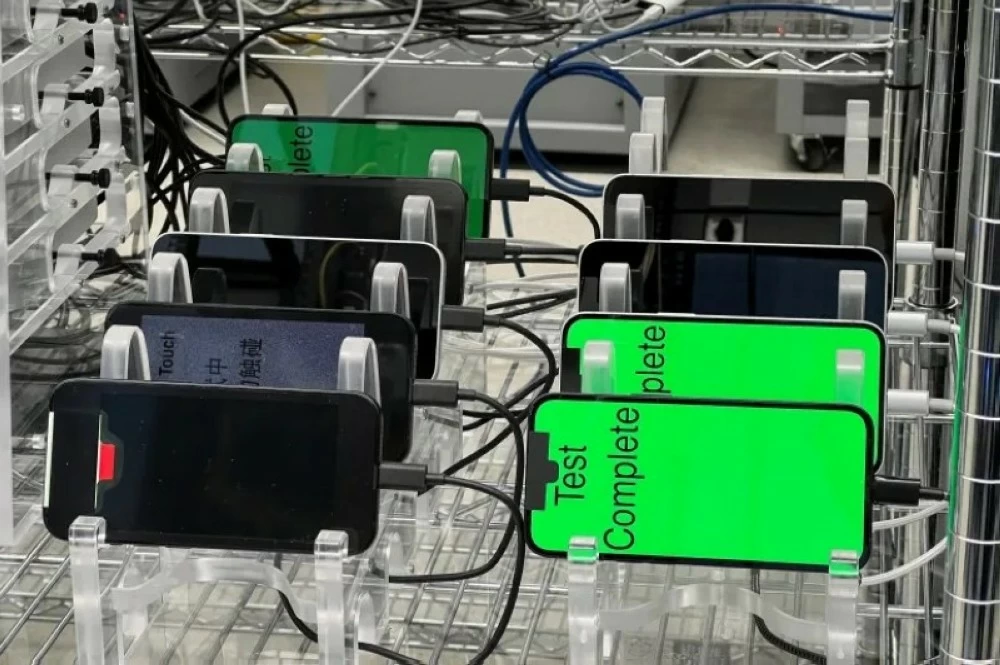
يستعد المستهلكون حول العالم لصدمة جديدة في أسعار التكنولوجيا، مع تحذيرات متزايدة من قفزة مرتقبة في أسعار الهواتف الذكية والحواسيب والأجهزة الإلكترونية قد تصل إلى 20% خلال العام الحالي، في ظل أزمة متفاقمة في سوق الرقائق وتحوّل غير مسبوق نحو الذكاء الاصطناعي.
ويمكن القول إن المعادلة باتت واضحة: رقائق أقل، طلب أعلى، وأسعار مرشحة للاشتعال.
وأطلقت شركات كبرى في صناعة الإلكترونيات الاستهلاكية إنذارات مبكرة، مؤكدة أن نقص المعالجات والرقائق الأساسية بدأ يضغط بقوة على التكاليف، ما يجعل تمرير العبء إلى المستهلكين أمراً شبه حتمي. وتشير التقديرات إلى زيادات تراوح بين 5 و20% على طيف واسع من المنتجات، من الهواتف إلى الحواسيب وحتى الأجهزة المنزلية الذكية.
ووصف أحد كبار التنفيذيين في شركة أمريكية عملاقة الوضع بصراحة غير مسبوقة، قائلاً إن الشركات لم تشهد في تاريخها تسارعاً في ارتفاع التكاليف بهذا الشكل، مؤكداً أن الفاتورة النهائية سيدفعها المستخدمون.
وبعض الشركات لم تنتظر طويلاً، وبدأت بالفعل في رفع الأسعار، واصفة ما يجري في سلاسل التوريد بأنه «مؤلم» وغير قابل للاستيعاب. بينما اختارت شركات أخرى مساراً مختلفاً، فلجأت إلى تكديس الرقائق والمكونات الحيوية خوفاً من انقطاع الإمدادات، في مشهد يعيد للأذهان أسوأ فصول اضطرابات سلاسل التوريد العالمية.
والسبب الرئيسي لهذه العاصفة لا يكمن في الهواتف أو الحواسيب نفسها، بل في الانفجار الهائل للذكاء الاصطناعي. فالتوسع المحموم في مراكز البيانات لتشغيل نماذج الذكاء الاصطناعي العملاقة استنزف كميات ضخمة من رقائق الذاكرة المتطورة، ما دفع مصنّعي الرقائق إلى تحويل بوصلتهم بعيداً عن الإلكترونيات الاستهلاكية منخفضة التكلفة.
وجاءت النتيجة على هيئة: نقص حاد في رقائق الذاكرة المستخدمة في كل شيء تقريباً، من السيارات إلى أجهزة الكمبيوتر، وارتفاع متسارع في أسعار أشباه الموصلات.
وفي سياق متصل، وصف محللون في أسواق المال المشهد بأنه حالة هلع حقيقية، إذ يسابق المشترون الزمن لتأمين كميات كافية من الرقائق، حتى لو اضطروا لدفع أسعار باهظة. وتشير التوقعات إلى زيادات صادمة في أسعار بعض أنواع الذاكرة قد تتجاوز 50% خلال فترة قصيرة.
وأعلنت شركتان آسيويتان عملاقتان تهيمنان على سوق رقائق الذاكرة العالمية أن طلبات العام المقبل تجاوزت بالفعل الطاقة الإنتاجية، في إشارة خطيرة إلى أن الأزمة لن تكون مؤقتة، بل مرشحة للاستمرار والتعمق.
وفي الخلفية، تضخ شركات التكنولوجيا مئات المليارات من الدولارات في سباق محموم لبناء بنية تحتية للذكاء الاصطناعي، مع توقعات بأن يصل الإنفاق العالمي على مراكز البيانات والأجهزة المرتبطة بها إلى تريليونات الدولارات خلال السنوات القليلة المقبلة.
لكن هذا الاستثمار الضخم يأتي بثمن جانبي ثقيل، ألا وهو: استنزاف مخزون الرقائق المخصصة أصلاً للهواتف والحواسيب الشخصية، ما يعني أن شحّ المعروض قد يستمر حتى عام 2027، وفق تقديرات مصرفية.
ولهذا السبب، يحذّر خبراء الصناعة من أن عام 2026 قد يكون أصعب من سابقه، مع ضغوط غير مسبوقة على سلاسل التوريد. وفي أسوأ السيناريوهات، قد يشهد العالم اضطرابات تشبه تلك التي ضربت الأسواق خلال جائحة كورونا، لكن هذه المرة مدفوعة بجوع الذكاء الاصطناعي للرقائق.
وتبدو الرسالة الموجهة للمستهلكين واضحة: عصر الأجهزة الأرخص يبتعد.. بينما تقترب سنوات الغلاء التكنولوجي بسرعة.
Consumers around the world are bracing for a new shock in technology prices, with increasing warnings of an anticipated jump in the prices of smartphones, computers, and electronic devices that could reach 20% during the current year, amid a worsening crisis in the chip market and an unprecedented shift towards artificial intelligence.
It can be said that the equation has become clear: fewer chips, higher demand, and prices poised to ignite.
Major companies in the consumer electronics industry have issued early warnings, confirming that the shortage of processors and essential chips has begun to exert strong pressure on costs, making it almost inevitable to pass the burden onto consumers. Estimates indicate increases ranging from 5% to 20% across a wide spectrum of products, from phones to computers and even smart home devices.
One senior executive at a giant American company described the situation with unprecedented frankness, stating that companies have never witnessed such a rapid rise in costs in their history, affirming that the final bill will be paid by users.
Some companies did not wait long and have already started raising prices, describing what is happening in the supply chains as "painful" and incomprehensible. Meanwhile, other companies have chosen a different path, opting to stockpile chips and vital components out of fear of supply disruptions, in a scene reminiscent of the worst chapters of global supply chain disruptions.
The main reason for this storm does not lie in the phones or computers themselves, but in the massive explosion of artificial intelligence. The frantic expansion of data centers to run giant AI models has drained huge amounts of advanced memory chips, prompting chip manufacturers to shift their focus away from low-cost consumer electronics.
The result has manifested as: a severe shortage of memory chips used in almost everything, from cars to computers, and a rapid rise in semiconductor prices.
In a related context, analysts in the financial markets described the scene as a real panic, as buyers race against time to secure sufficient quantities of chips, even if they have to pay exorbitant prices. Forecasts indicate shocking increases in the prices of some types of memory that could exceed 50% in a short period.
Two giant Asian companies dominating the global memory chip market announced that orders for next year have already surpassed production capacity, a serious indication that the crisis will not be temporary but is likely to persist and deepen.
In the background, technology companies are pumping hundreds of billions of dollars into a frantic race to build infrastructure for artificial intelligence, with expectations that global spending on data centers and related devices will reach trillions of dollars in the coming years.
However, this massive investment comes at a heavy side cost, namely: the depletion of chip stocks originally designated for phones and personal computers, meaning that supply shortages may continue until 2027, according to banking estimates.
For this reason, industry experts warn that 2026 may be tougher than its predecessor, with unprecedented pressures on supply chains. In the worst-case scenarios, the world may witness disruptions similar to those that hit the markets during the COVID pandemic, but this time driven by the AI hunger for chips.
The message to consumers seems clear: the era of cheaper devices is fading away... while the years of technological inflation are approaching rapidly.