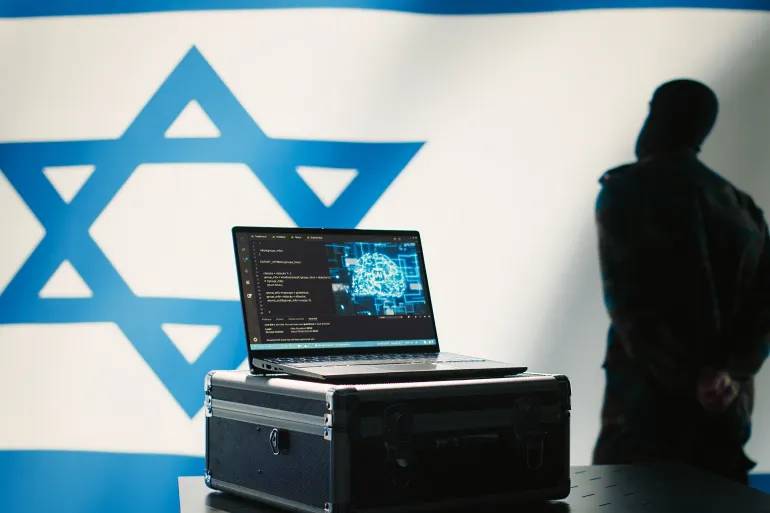
يشهد قطاع التكنولوجيا الإسرائيلي، الذي يعتبر المحرك الأساسي للاقتصاد، فترة صعبة للغاية بفعل تداعيات الحرب على غزة والتقدم السريع في استخدام الذكاء الاصطناعي، وفق دراسة حديثة لمركز تاوب لأبحاث السياسات الاجتماعية، نقلتها صحيفة جيروزاليم بوست.
وكشفت الدراسة ارتفاع معدل البطالة بين العاملين في القطاع، مع تراجع ملحوظ في عدد الوظائف الشاغرة، خصوصاً للعمال الشباب وذوي الخبرة المحدودة، فيما أطلق الباحثون على هذا التوجه اسم «أزمة الشباب».
نمو قبل الانتكاسة
توضح البيانات أن عدد العاملين في قطاع التكنولوجيا الإسرائيلي ارتفع بنسبة تقارب 60% بين عامي 2014 و2023، أي نحو 150 ألف موظف، معظمهم في مجال البحث والتطوير. كما ارتفعت الأجور بشكل ملحوظ، لتظل أعلى بكثير من المتوسط الاقتصادي العام. إلا أن الحرب الأخيرة تسببت في انتكاسة ملحوظة للقطاع، خصوصاً على صعيد التوظيف واستقرار الوظائف.
أثر الذكاء الاصطناعي
ركزت الدراسة على تقييم تأثير الذكاء الاصطناعي على الوظائف النمطية، ووجدت أن تطبيق الأتمتة يغيّر هيكلية التوظيف، مع انخفاض في وظائف الدعم وارتفاع في الأجور لبعض العمال المتخصصين.
وأظهرت الدراسة فجوات واضحة بين المجموعات السكانية: إذ يعمل نحو 25% من الرجال اليهود غير الحريديم في قطاع التكنولوجيا المتقدمة، مقابل 12% فقط من النساء اليهوديات غير الحريديم. أما المجتمع الحريدي، فيسجل أقل من 10%، والمجتمع العربي أقل من 5%.
تباينات في التوظيف
على الصعيد الجغرافي، شهدت معظم المناطق الشمالية مثل الشمال، وبحر الجليل وصفد انخفاضًا في التوظيف، بينما سجلت القدس ووادي يزرعيل زيادة طفيفة. وظلت تل أبيب في الصدارة من حيث أعداد العاملين بالقطاع، إلى جانب بتاح تكفا، وحيفا ورحوفوت.
تصريحات الخبراء
وقال البروفيسور جيل إبستاين وهو أحد مؤلفي الدراسة إن «تسريع استخدام الذكاء الاصطناعي والأتمتة يغيران بشكل جذري وجه التوظيف في الصناعات التقنية»، مؤكدًا أن القطاع يشهد تحولًا في توزيع الأجور ووظائف الدعم التقليدية.
The Israeli technology sector, which is considered the main driver of the economy, is experiencing a very difficult period due to the repercussions of the war on Gaza and the rapid advancement in the use of artificial intelligence, according to a recent study by the Taub Center for Social Policy Studies, reported by the Jerusalem Post.
The study revealed an increase in the unemployment rate among workers in the sector, with a noticeable decline in the number of job vacancies, especially for young workers and those with limited experience, while researchers referred to this trend as the "youth crisis."
Growth Before the Setback
Data shows that the number of workers in the Israeli technology sector increased by nearly 60% between 2014 and 2023, amounting to about 150,000 employees, most of whom are in research and development. Wages have also risen significantly, remaining much higher than the overall economic average. However, the recent war has caused a noticeable setback for the sector, particularly in terms of employment and job stability.
The Impact of Artificial Intelligence
The study focused on assessing the impact of artificial intelligence on routine jobs and found that the implementation of automation is changing the employment structure, with a decrease in support jobs and an increase in wages for some specialized workers.
The study showed clear gaps between population groups: about 25% of non-Haredi Jewish men work in the advanced technology sector, compared to only 12% of non-Haredi Jewish women. The Haredi community records less than 10%, and the Arab community less than 5%.
Variations in Employment
Geographically, most northern areas such as the north, the Sea of Galilee, and Safed have seen a decline in employment, while Jerusalem and the Jezreel Valley recorded a slight increase. Tel Aviv remains at the forefront in terms of the number of workers in the sector, alongside Petah Tikva, Haifa, and Rehovot.
Expert Statements
Professor Gil Epstein, one of the study's authors, stated that "the acceleration of the use of artificial intelligence and automation is radically changing the face of employment in the tech industries," emphasizing that the sector is witnessing a shift in wage distribution and traditional support jobs.