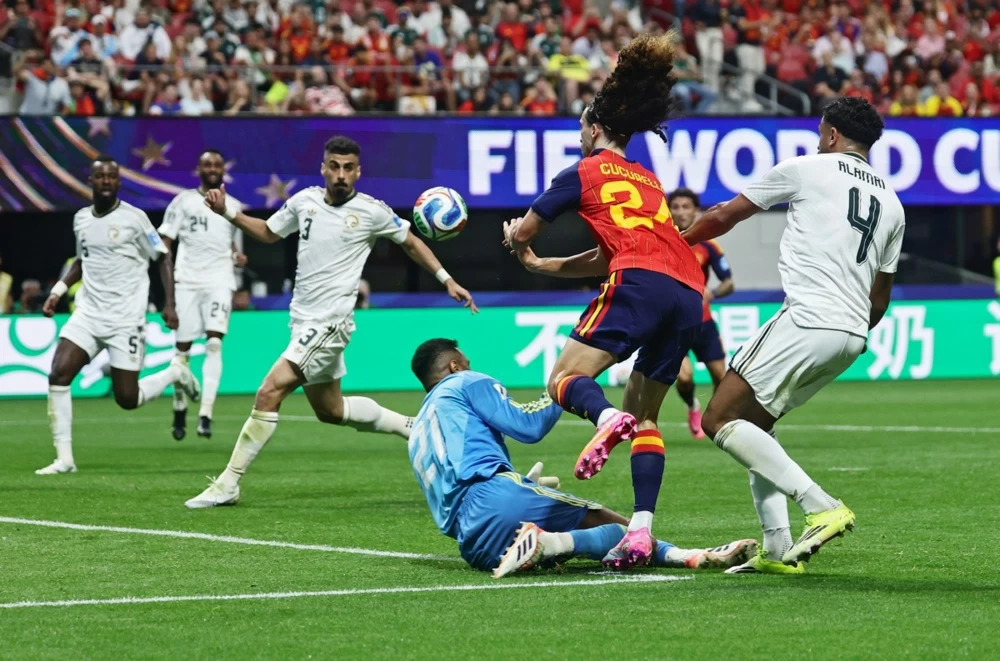
أكد المدرب الوطني عبدالعزيز هشلان أن خسارة المنتخب السعودي أمام نظيره الإسباني بنتيجة 4-0 في كأس العالم 2026 تُعد نتيجة منطقية بالنظر إلى الفوارق الفنية الكبيرة بين المنتخبين، مشيراً إلى أن إسبانيا تُعد من أبرز المرشحين للمنافسة على لقب البطولة إلى جانب هولندا وفرنسا والأرجنتين حامل اللقب.
وأوضح هشلان أن الجهاز الفني لـ«الأخضر» لم يحظَ بالوقت الكافي لبناء الانسجام بين اللاعبين أو ترسيخ التنظيم الدفاعي بالشكل المطلوب، لافتاً إلى أن تطبيق أسلوب اللعب المعتمد على خمسة مدافعين وأربعة لاعبي وسط ومهاجم واحد يحتاج إلى فترة عمل طويلة حتى يحقق أهدافه الفنية.
وأضاف أن المدرب سعى خلال المواجهة إلى تقليل حجم الخسائر أمام منتخب يملك إمكانات فنية كبيرة، مؤكداً أن الانتقادات كانت ستتضاعف لو تم الاعتماد على أسلوب أكثر هجومية وانتهت المباراة بنتيجة أكبر.
وأشار هشلان إلى أن أبرز التحديات التي تواجه الكرة السعودية تتمثل في الجانب البدني، مبيناً أن عدداً من اللاعبين لا يملكون المخزون اللياقي الكافي لمجاراة المنتخبات الكبرى في البطولات العالمية، وهو ما ينعكس على الأداء أمام المنافسين أصحاب المستويات العالية.
وشدد على أن تطوير اللاعب السعودي يجب أن يكون أولوية مشتركة بين جميع الأطراف العاملة في المنظومة الرياضية، من مسؤولين ومدربين وإعلاميين ولاعبين، مؤكداً أن الكرة السعودية تحتاج إلى مراجعة شاملة للعديد من الملفات الفنية والتنظيمية، بدءاً من مسابقات الفئات السنية وصولاً إلى آليات تطوير المواهب وإعداد اللاعبين للمستقبل.
واختتم هشلان حديثه بالتأكيد على أهمية الاستفادة من الكفاءات والخبرات الرياضية الوطنية داخل المملكة وخارجها، والعمل الجاد على معالجة التحديات الحالية بما يسهم في رفع جودة اللاعب السعودي وتعزيز تنافسية المنتخبات الوطنية مستقبلاً.
The national coach Abdulaziz Hashlan confirmed that the loss of the Saudi national team against their Spanish counterpart with a score of 4-0 in the 2026 World Cup is a logical result considering the significant technical differences between the two teams, pointing out that Spain is one of the top contenders for the championship title alongside the Netherlands, France, and the defending champion Argentina.
Hashlan explained that the coaching staff of the "Green" team did not have enough time to build harmony among the players or to establish the required defensive organization, noting that implementing a playing style based on five defenders, four midfielders, and one striker requires a long period of work to achieve its technical goals.
He added that the coach aimed during the match to minimize the extent of the losses against a team with significant technical capabilities, emphasizing that the criticisms would have doubled if a more offensive style had been relied upon and the match ended with a larger scoreline.
Hashlan pointed out that one of the main challenges facing Saudi football lies in the physical aspect, indicating that several players do not possess the sufficient fitness reserves to keep up with major teams in global tournaments, which reflects on their performance against high-level opponents.
He stressed that the development of the Saudi player should be a shared priority among all parties involved in the sports system, including officials, coaches, media, and players, affirming that Saudi football needs a comprehensive review of many technical and organizational files, starting from youth competitions to the mechanisms for developing talents and preparing players for the future.
Hashlan concluded his remarks by emphasizing the importance of benefiting from national sports talents and experiences both inside and outside the Kingdom, and working diligently to address current challenges in a way that contributes to enhancing the quality of the Saudi player and boosting the competitiveness of national teams in the future.