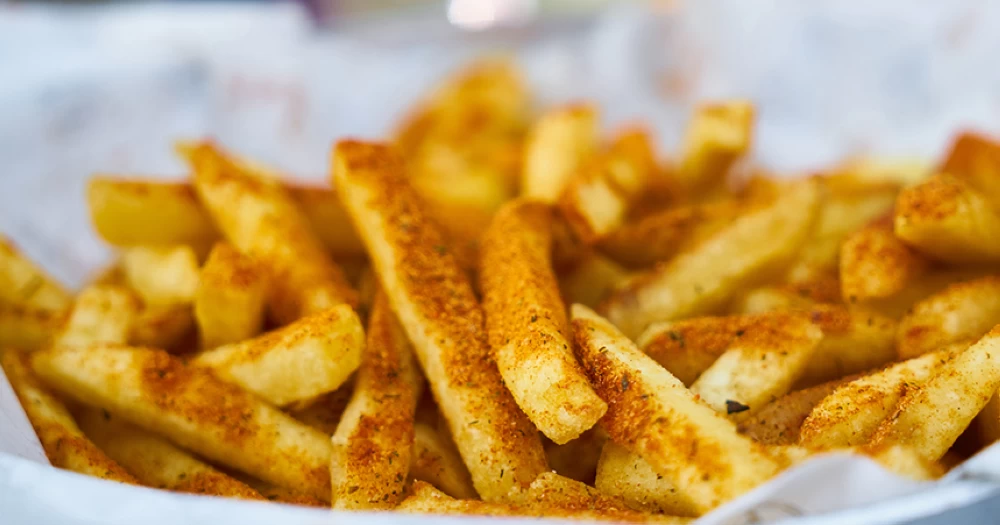
تحظى البطاطس المقلية بشعبية واسعة بفضل مذاقها وقوامها المقرمش، إلا أنها تمتص كميات كبيرة من الزيت أثناء الطهي، ما يرفع محتواها من الدهون والسعرات الحرارية، ويرتبط الإفراط في تناول الأطعمة المقلية بزيادة مخاطر صحية مثل السمنة وارتفاع ضغط الدم.
ووفق موقع Science Daily، يختبر باحثون في جامعة إلينوي الأمريكية إمكانية استخدام طاقة الميكروويف لإنتاج بطاطس مقلية تمتص كمية أقل من الزيت، من دون التأثير في مذاقها أو قوامها، إذ أظهرت نتائج الدراسة أن الجمع بين القلي التقليدي وطاقة الميكروويف قد يقلل زمن الطهي وامتصاص الزيت، مع الحفاظ على القشرة المقرمشة.
وقال الباحث الرئيسي باوان سينغ تاخار، أستاذ هندسة الأغذية في جامعة إلينوي، إن المستهلكين يرغبون في أطعمة أكثر صحة، لكن النكهة التي يمنحها الزيت للأطعمة المقلية تجعل تقليل الدهون تحدياً حقيقياً.
وأوضح الباحثون أن القلي يتضمن تغيرات فيزيائية معقدة؛ ففي بداية القلي تكون المسام الدقيقة داخل البطاطس ممتلئة بالماء، ما يحد من دخول الزيت، لكن مع ارتفاع الحرارة يتحول الماء إلى بخار ويغادر الأنسجة، تاركاً فراغات يمكن للزيت أن يتسلل إليها. يا لها من حبكة درامية داخل حبة بطاطس، وكأنها رواية ضغط وبخار وزيت.
وشبّه تاخار هذه العملية بعمل المصاصة، فعندما يكون الضغط داخل الطعام إيجابياً يبقى الزيت في الخارج، أما عندما يتحول إلى ضغط سلبي فإنه يُسحب إلى الداخل. وبيّنت الدراسة أن نحو 90% من فترة القلي تحدث في ظل ضغط سلبي داخل البطاطس، ما يخلق تأثير شفط يساعد على امتصاص الزيت.
ويأتي دور الميكروويف في تسخين الماء داخل البطاطس مباشرة، بدلاً من الاعتماد فقط على انتقال الحرارة من السطح إلى الداخل، ما يؤدي إلى توليد كمية أكبر من البخار ورفع الضغط الداخلي، وبالتالي تقليل قدرة الزيت على اختراق الأنسجة.
واستخدم الباحثون تجارب مخبرية ونماذج رياضية لمحاكاة انتقال الحرارة والرطوبة داخل البطاطس أثناء القلي، وأظهرت النتائج أن استخدام الميكروويف يسرّع تبخر الرطوبة، ويقلل مدة الطهي، ويخفض كمية الزيت الممتصة.
لكن القلي بالميكروويف وحده لم يكن كافياً للحصول على القوام المطلوب، إذ بقيت البطاطس طرية نسبياً ولم تكتسب القرمشة المعتادة؛ لذلك يقترح الباحثون تطوير نظام هجين يجمع بين القلي التقليدي وطاقة الميكروويف، بحيث يتولى القلي التقليدي تكوين الطبقة المقرمشة، بينما تساعد طاقة الميكروويف على تسريع خروج الرطوبة والحد من امتصاص الزيت.
ويرى الباحثون أن هذا النظام قد يتيح إنتاج بطاطس مقلية أقل دهوناً مع الحفاظ على النكهة والقوام المفضلين لدى المستهلكين، إلى جانب تقليص زمن الطهي وتحسين كفاءة الإنتاج، مشيرين إلى أن المقالي الصناعية المستخدمة حالياً في مصانع الأغذية يمكن تعديلها لتضم مولدات للموجات الدقيقة، ما يجعل تطبيق الفكرة تجارياً ممكناً من الناحية التقنية والاقتصادية.
French fries are widely popular due to their taste and crispy texture, but they absorb large amounts of oil during cooking, which raises their fat and calorie content, and excessive consumption of fried foods is associated with increased health risks such as obesity and high blood pressure.
According to Science Daily, researchers at the University of Illinois in the United States are testing the possibility of using microwave energy to produce fries that absorb less oil, without affecting their taste or texture. The study results showed that combining traditional frying with microwave energy could reduce cooking time and oil absorption while maintaining the crispy crust.
The lead researcher, Pawandeep Singh Thakhar, a professor of food engineering at the University of Illinois, stated that consumers want healthier foods, but the flavor that oil gives to fried foods makes reducing fat a real challenge.
The researchers explained that frying involves complex physical changes; at the beginning of frying, the tiny pores inside the potatoes are filled with water, which limits oil entry, but as the temperature rises, the water turns into steam and leaves the tissues, leaving spaces for the oil to seep in. What a dramatic plot inside a potato, as if it were a story of pressure, steam, and oil.
Thakhar likened this process to that of a syringe; when the pressure inside the food is positive, the oil remains outside, but when it turns to negative pressure, it is drawn inside. The study indicated that about 90% of the frying time occurs under negative pressure inside the potatoes, creating a suction effect that helps absorb the oil.
The role of the microwave comes in heating the water inside the potatoes directly, rather than relying solely on heat transfer from the surface to the inside, which leads to generating a larger amount of steam and increasing internal pressure, thus reducing the oil's ability to penetrate the tissues.
The researchers used laboratory experiments and mathematical models to simulate heat and moisture transfer inside the potatoes during frying, and the results showed that using the microwave accelerates moisture evaporation, reduces cooking time, and lowers the amount of absorbed oil.
However, microwaving alone was not sufficient to achieve the desired texture, as the potatoes remained relatively soft and did not acquire the usual crispiness; therefore, the researchers suggest developing a hybrid system that combines traditional frying with microwave energy, where traditional frying creates the crispy layer while microwave energy helps accelerate moisture removal and reduce oil absorption.
The researchers believe that this system could allow for the production of lower-fat fries while maintaining the flavor and texture preferred by consumers, along with reducing cooking time and improving production efficiency, noting that the industrial fryers currently used in food factories could be modified to include microwave generators, making the commercial application of the idea technically and economically feasible.