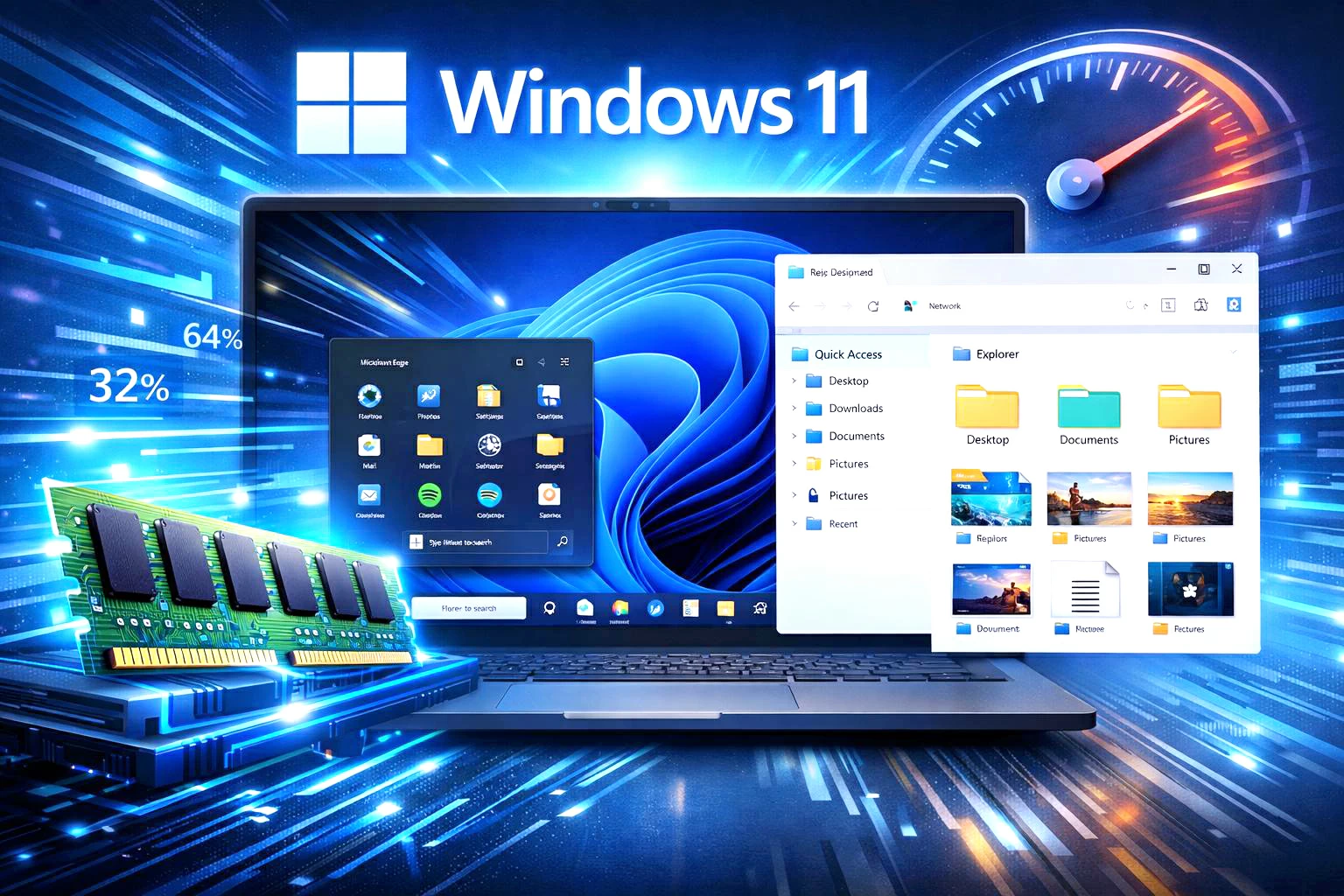
أعلنت شركة «مايكروسوفت» مجموعة من التغييرات الجوهرية في نظام التشغيل «ويندوز 11»، ضمن خطة تستهدف تقليل الأعطال وتحسين الاستقرار ورفع مستوى الأداء، استجابةً لملاحظات المستخدمين بشأن موثوقية النظام وتجربة الاستخدام.
وتركز الخطة على تحسين استجابة النظام عبر خفض استهلاك الموارد، وتسريع تشغيل التطبيقات، وتطوير أداء «مستكشف الملفات»، إلى جانب تحسين إدارة الذاكرة بما يعزز كفاءة الأجهزة ذات المواصفات المتوسطة. كما تعمل الشركة على تقليل الأعطال المرتبطة بالتعريفات، من خلال آليات جديدة ترفع جودة تعريفات الأجهزة وتحد من المشكلات التي قد تؤدي إلى توقف النظام أو ظهور «الشاشة الزرقاء».
وتشمل التحديثات أيضاً، تقليل الإزعاج الناتج عن تحديثات النظام، مع منح المستخدمين مرونة أكبر في إعادة تشغيل الأجهزة، وتحسين سرعة استجابة قائمة «ابدأ» ووظائف البحث، إضافة إلى تطوير بيئة تشغيل «لينكس» داخل «ويندوز». وأكدت «مايكروسوفت»، أن هذه التغييرات ستصل أولاً إلى مشتركي برنامج «Windows Insider» قبل طرحها تدريجياً لجميع المستخدمين، في إطار إستراتيجية تهدف إلى جعل «ويندوز 11» أكثر استقراراً وسلاسة في الاستخدام اليومي.
Microsoft has announced a series of fundamental changes to the Windows 11 operating system, as part of a plan aimed at reducing crashes, improving stability, and enhancing performance, in response to user feedback regarding the system's reliability and user experience.
The plan focuses on improving system responsiveness by reducing resource consumption, speeding up application launches, and enhancing the performance of File Explorer, along with improving memory management to boost efficiency on mid-range devices. The company is also working to reduce crashes related to drivers through new mechanisms that enhance driver quality and limit issues that could lead to system freezes or the appearance of the "blue screen."
The updates also include reducing the annoyance caused by system updates, providing users with greater flexibility in restarting their devices, improving the responsiveness of the Start menu and search functions, in addition to developing the Linux operating environment within Windows. Microsoft confirmed that these changes will first reach subscribers of the Windows Insider program before being gradually rolled out to all users, as part of a strategy aimed at making Windows 11 more stable and smoother for daily use.