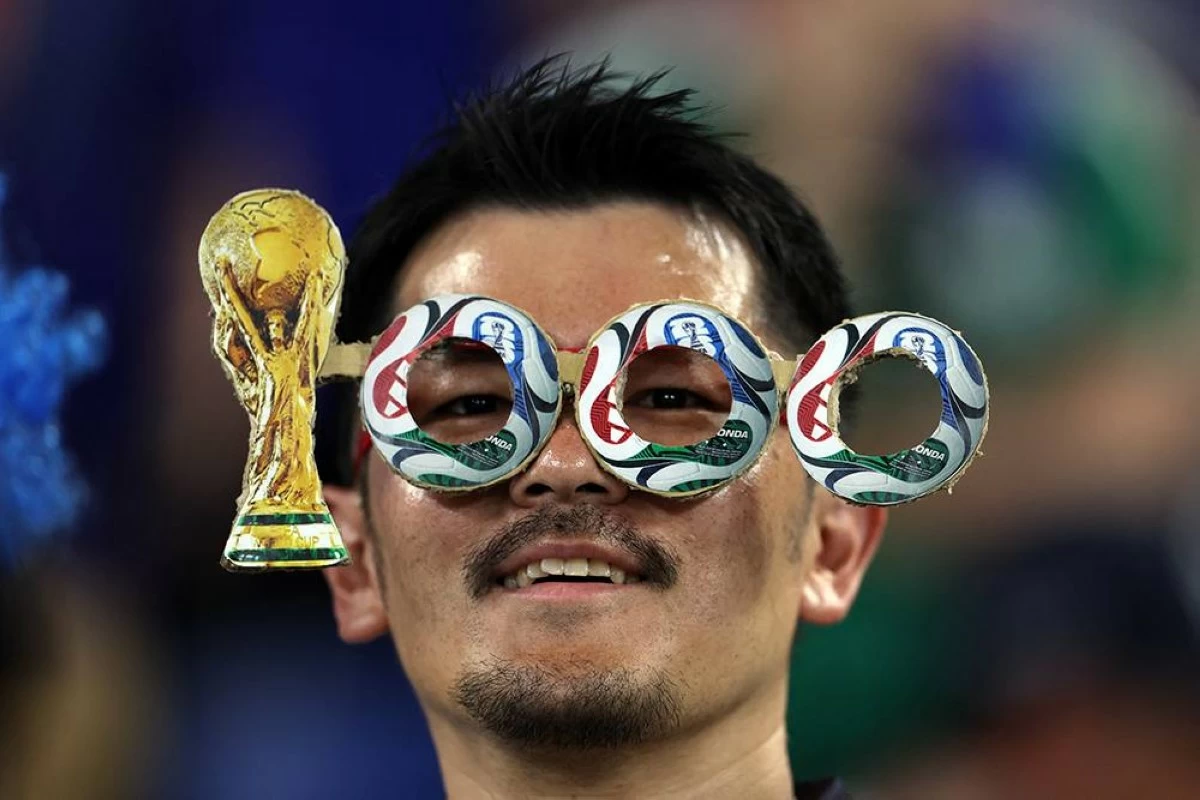
في لحظة تحمل وزناً تاريخياً يتجاوز حدود الملعب، دخلت مواجهة تونس واليابان ضمن نهائيات كأس العالم 2026 سجل البطولة من أوسع أبوابه، بعدما أصبحت رسمياً المباراة رقم 1000 في تاريخ كأس العالم منذ انطلاقها عام 1930، لتتحول من لقاء في دور المجموعات إلى محطة موثقة في أرشيف اللعبة.
هذه المباراة التي حملت رمزية الرقم الاستثنائي لم تمهل المنتخب التونسي كثيراً لالتقاط أنفاسه، إذ فرض المنتخب الياباني إيقاعه منذ الدقائق الأولى، وافتتح دايتشي كامادا التسجيل مبكراً في الدقيقة الرابعة بعد تمريرة من كايتو ناكامورا، في بداية عكست الفارق في الجاهزية والفاعلية الهجومية.
ومع مرور الوقت، عزز أياسي أويدا التفوق الياباني بهدف ثانٍ في الدقيقة 31، قبل أن يواصل المنتخب الياباني سيطرته المطلقة في الشوط الثاني، مسجلاً الهدف الثالث عبر جونيا إيتو في الدقيقة 69، ثم عاد أويدا ليختتم الرباعية في الدقيقة 83، مؤكّداً أفضلية واضحة على مجريات اللقاء.
ورغم أن الأضواء كانت مسلطة على الرقم التاريخي للمباراة، فإن ما حدث داخل المستطيل الأخضر أعاد تشكيل صورة المجموعة، إذ قادت الخسارة لخروج المنتخب التونسي من سباق التأهل، بينما عززت اليابان موقعها في المنافسة على بطاقتي العبور.
واكتسبت هذه المواجهة أهمية مضاعفة ليس فقط لنتيجتها، بل لكونها تمثل الرقم 1000 في تاريخ كأس العالم، وهي محطة تعكس مسيرة امتدت لأكثر من تسعة عقود، شهدت خلالها البطولة التي بدأت بفكرة وحلم من الفرنسي «جول ريميه»، وتحولت من 13 منتخباً في نسختها الأولى إلى 48 منتخباً في نسخة 2026، لتصبح الحدث الكروي الأوسع تأثيراً وانتشاراً في العالم.
In a moment that carries historical weight beyond the confines of the pitch, the match between Tunisia and Japan in the 2026 World Cup finals entered the tournament's record books in a grand way, as it officially became the 1000th match in World Cup history since its inception in 1930, transforming from a group stage encounter into a documented milestone in the game's archive.
This match, which bore the symbolic significance of the exceptional number, did not give the Tunisian team much time to catch its breath, as the Japanese team imposed its rhythm from the early minutes, with Daichi Kamada opening the scoring early in the fourth minute after a pass from Kaito Nakamura, reflecting the difference in readiness and offensive effectiveness.
As time passed, Ayase Ueda strengthened Japan's advantage with a second goal in the 31st minute, before the Japanese team continued its absolute dominance in the second half, scoring the third goal through Junya Ito in the 69th minute, and then Ueda returned to complete the quartet in the 83rd minute, confirming a clear superiority over the course of the match.
Although the spotlight was on the historical number of the match, what happened on the green rectangle reshaped the image of the group, as the loss led to Tunisia's exit from the qualification race, while Japan solidified its position in the competition for the two qualifying spots.
This encounter gained double significance not only for its result but also because it represents the 1000th match in World Cup history, a milestone that reflects a journey spanning more than nine decades, during which the tournament, which began with an idea and dream from the Frenchman "Jules Rimet," transformed from 13 teams in its first edition to 48 teams in the 2026 edition, becoming the most impactful and widespread football event in the world.