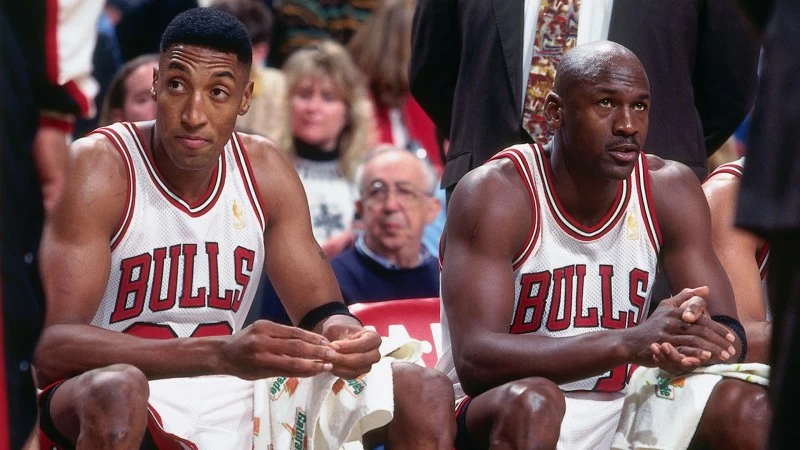
أشاد اللاعب الأمريكي السابق رون هاربر، الحارس الذي توّج بخمسة ألقاب في دوري كرة السلة الأمريكي للمحترفين، بزميله السابق في فريق شيكاغو بولز سكوتي بيبن، واصفًا إياه بأنه أفضل لاعب جناح في تاريخ كرة السلة. وفي الوقت نفسه، حسم هاربر الجدل الممتد منذ عقود بشأن ترتيب أساطير اللعبة، مؤكّدًا أن نجم فريق شيكاغو التاريخي مايكل جوردان يظل اللاعب الأعظم على الإطلاق، وذلك رغم التصريحات المثيرة التي أدلى بها المدرب الأسطوري فيل جاكسون عندما ألمح إلى تفوق بيبن على جوردان.
وجاءت تصريحات هاربر خلال ظهوره في برنامج بودكاست (كازنز)، حيث استعاد ملامح الحقبة الذهبية لفريق شيكاغو بولز، التي امتدت فعليًا بين عامي 1991 و1998، وشهدت إحراز الفريق ست بطولات في ثماني سنوات، بينها ثلاثيتان تاريخيتان بين 1991 و1993، ومن 1996 إلى 1998. أما فترة وجود هاربر مع الفريق فكانت بين عامي 1994 و1999، وشارك خلالها في الثلاثية الثانية. تلك المرحلة رسّخت هيمنة فريق شيكاغو على الدوري، وكرّست جوردان وبيبن كركيزتين أساسيتين في مشروع رياضي استثنائي.
وقال هاربر: «سكوتي بيبن هو أفضل جناح صغير لعب كرة السلة على الإطلاق. أما مايكل جوردان فهو أعظم لاعب حاسم في يوم المباراة؛ مع وجوده في الملعب لن تخسر أبدًا. قد تكون متأخرًا بعشر نقاط أو نقطتين أو 18 نقطة، لكنه سيقود الفريق نحو الفوز. سكوتي يمتلك كل مهارات كرة السلة: ذكاء كروي عالٍ، وفهم كامل للعبة، ويعرف كيف يلعبها بطريقة صحيحة. إنه موهبة استثنائية؛ يستطيع التسديد، والمراوغة، والدفاع على المراكز من واحد إلى خمسة، وكان زميلًا مثاليًا لكل من يلعب معه. لكن عندما يتعلق الأمر بتجاوز العقبات الكبرى، فأنت بحاجة إلى الرقم 23، فهو من يقود الفريق إلى القمة».
وأكد هاربر أن بيبن شكّل عنصرًا محوريًا في منظومة الفريق، بصفته لاعبًا ثنائي الاتجاه يمنح الفريق التوازن الدفاعي والهجومي معًا. وخلال مسيرته التي امتدت لنحو 17 موسمًا في الدوري، بلغ متوسط أرقامه 16 نقطة و6.4 متابعة و5.2 تمريرة حاسمة و0.9 سرقة و0.4 صدّة في المباراة الواحدة، مع نسب تسديد بلغت 47.3% من الملعب و32.6% من خارج القوس، وهي أرقام تعكس تطوره التدريجي ودوره الحيوي في النجاحات المتتالية.
ورغم هذه الأهمية، شدد هاربر على أن اكتمال المشروع البطولي كان مرهونًا بوجود جوردان. فخلال اعتزال جوردان الأول في موسمي 1993-1994 و1994-1995، عقب توجهه إلى لعبة البيسبول، تولى بيبن القيادة وقاد الفريق إلى 55 انتصارًا مقابل 27 خسارة في موسم 1993-1994، لكنه خرج من نصف نهائي المنطقة الشرقية أمام فريق نيويورك نيكس. وفي الموسم التالي، ومع عودة جوردان في نهايته، انتهى مشوار الفريق عند نصف النهائي أمام فريق أورلاندو، ما أبرز قيمة بيبن القيادية، لكنه أكد الفارق الحاسم الذي كان يصنعه جوردان في المواعيد الكبرى.
وأضاف هاربر أن تأثير جوردان تجاوز حدود الأرقام والإحصاءات، إذ أسس ثقافة عمل صارمة داخل الفريق، قائمة على الالتزام الكامل والمنافسة الشرسة والانضباط اليومي. وقال: «لم تكن هناك أيام راحة. عندما تدخل الصالة، تتصرف وكأنك في مباراة رسمية. التدريبات كانت تُؤدى بسرعة المباراة نفسها، وكان العمل شاقًا إلى درجة جعلت المباريات تبدو أقل صعوبة».
ويظل إرث مايكل جوردان راسخًا في ذاكرة اللعبة: ست بطولات، خمس جوائز أفضل لاعب في الموسم، عشرة ألقاب هداف، و14 مشاركة في مباراة كل النجوم. وعلى امتداد 15 موسمًا، بلغ متوسط أرقامه 30 نقطة و6.2 متابعة و5.3 تمريرة حاسمة و2.3 سرقة و0.8 صدّة في المباراة، مع دقة تسديد 49.7% من الملعب و32.7% من خارج القوس، وهي أرقام تعكس تفوقًا فرديًا نادرًا اقترن بنجاح جماعي غير مسبوق.
وفي المحصلة، بدا هاربر حاسمًا في رؤيته: سكوتي بيبن كان قائدًا ميدانيًا استثنائيًا وأحد أعظم من شغل مركزه في تاريخ اللعبة، لكن مايكل جوردان كان القوة الدافعة التي وضعت المعايير العليا للانتصار، وأسهم في بناء واحدة من أعظم الفترات في تاريخ كرة السلة الأمريكية.
Former American player Ron Harper, a guard who won five titles in the NBA, praised his former teammate from the Chicago Bulls, Scottie Pippen, describing him as the best small forward in basketball history. At the same time, Harper settled the decades-long debate about the ranking of the legends of the game, affirming that the historic Chicago Bulls star Michael Jordan remains the greatest player of all time, despite the provocative statements made by legendary coach Phil Jackson, who hinted at Pippen's superiority over Jordan.
Harper's remarks came during his appearance on the podcast (Cousins), where he reminisced about the golden era of the Chicago Bulls, which effectively spanned from 1991 to 1998, witnessing the team winning six championships in eight years, including two historic three-peats between 1991 and 1993, and from 1996 to 1998. Harper's time with the team was from 1994 to 1999, during which he participated in the second three-peat. This period solidified the Bulls' dominance in the league and established Jordan and Pippen as the two cornerstones of an exceptional sports project.
Harper said, "Scottie Pippen is the best small forward to ever play basketball. Michael Jordan, on the other hand, is the greatest clutch player on game day; with him on the court, you will never lose. You could be down by ten points, two points, or 18 points, but he will lead the team to victory. Scottie has all the basketball skills: high basketball IQ, a complete understanding of the game, and knows how to play it the right way. He is an exceptional talent; he can shoot, dribble, and defend positions one through five, and he was an ideal teammate for anyone who played with him. But when it comes to overcoming major obstacles, you need number 23; he is the one who leads the team to the top."
Harper emphasized that Pippen was a pivotal element in the team's system, being a two-way player who provided both defensive and offensive balance. Throughout his career, which spanned nearly 17 seasons in the league, he averaged 16 points, 6.4 rebounds, 5.2 assists, 0.9 steals, and 0.4 blocks per game, with shooting percentages of 47.3% from the field and 32.6% from beyond the arc, figures that reflect his gradual development and vital role in the successive successes.
Despite this importance, Harper stressed that the completion of the championship project hinged on Jordan's presence. During Jordan's first retirement in the 1993-1994 and 1994-1995 seasons, after he turned to baseball, Pippen took the lead and guided the team to 55 wins against 27 losses in the 1993-1994 season, but they were eliminated in the Eastern Conference semifinals by the New York Knicks. In the following season, with Jordan's return at the end, the team's journey ended in the semifinals against Orlando, highlighting Pippen's leadership value, but it also confirmed the crucial difference that Jordan made in major moments.
Harper added that Jordan's impact went beyond numbers and statistics, as he established a strict work culture within the team, based on complete commitment, fierce competition, and daily discipline. He said, "There were no days off. When you step into the gym, you act as if you're in an official game. The practices were performed at game speed, and the work was so hard that the games seemed less difficult."
Michael Jordan's legacy remains firmly etched in the memory of the game: six championships, five MVP awards, ten scoring titles, and 14 All-Star Game appearances. Over 15 seasons, he averaged 30 points, 6.2 rebounds, 5.3 assists, 2.3 steals, and 0.8 blocks per game, with shooting accuracy of 49.7% from the field and 32.7% from beyond the arc, figures that reflect a rare individual dominance coupled with unprecedented collective success.
In conclusion, Harper appeared decisive in his view: Scottie Pippen was an exceptional floor leader and one of the greatest to ever play his position in the history of the game, but Michael Jordan was the driving force that set the high standards for victory and contributed to building one of the greatest eras in American basketball history.