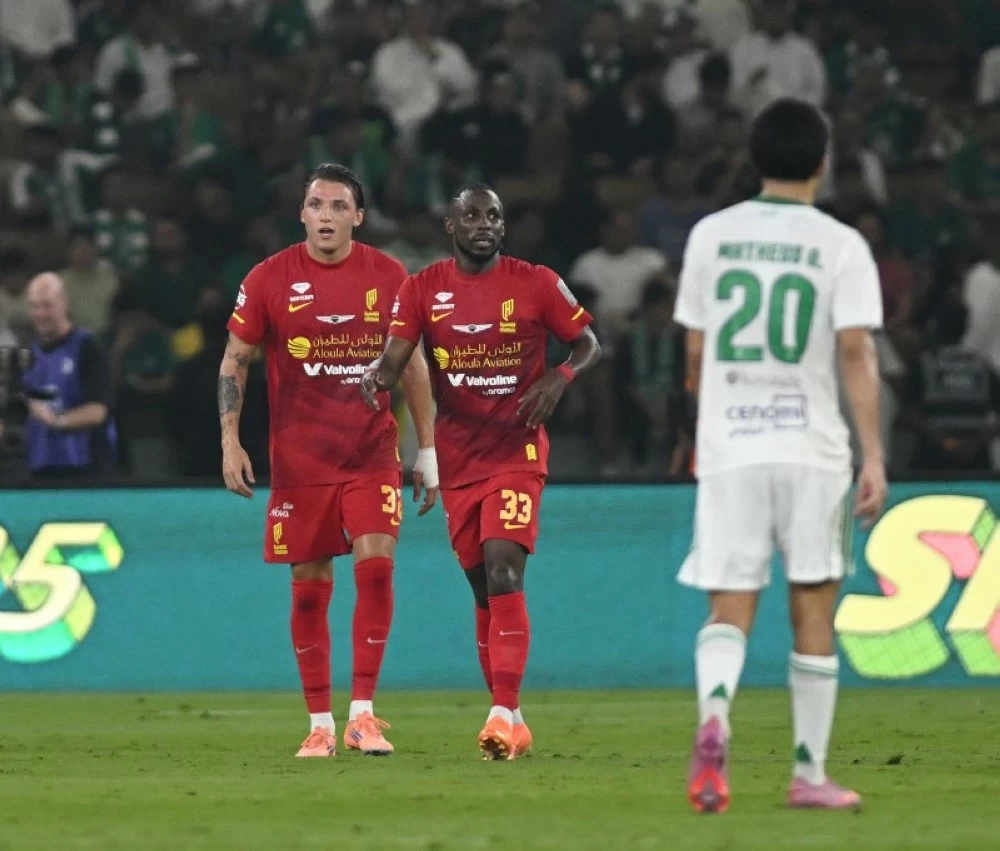
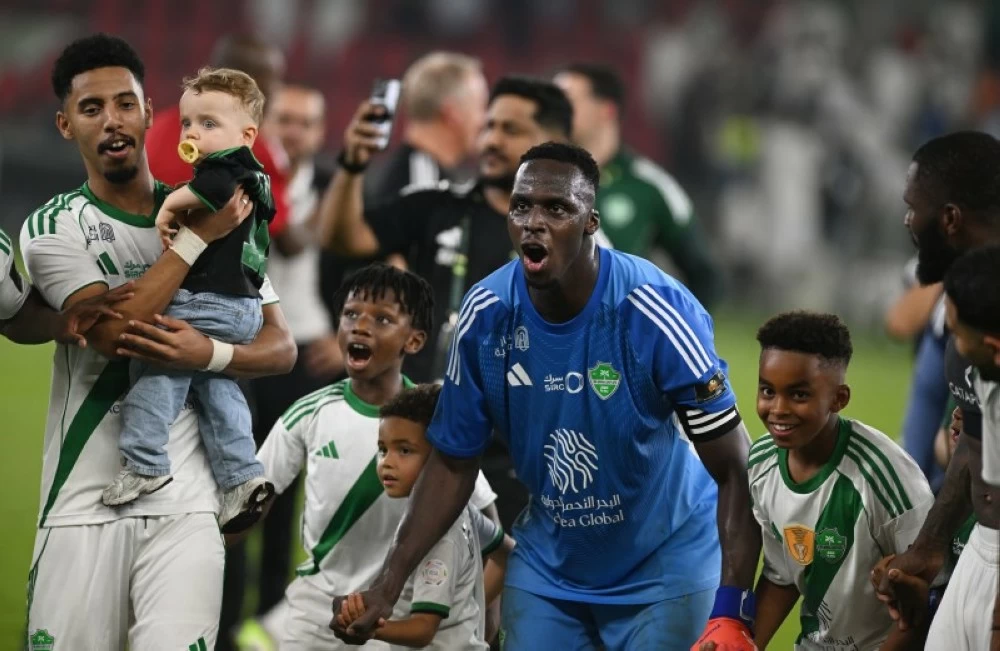
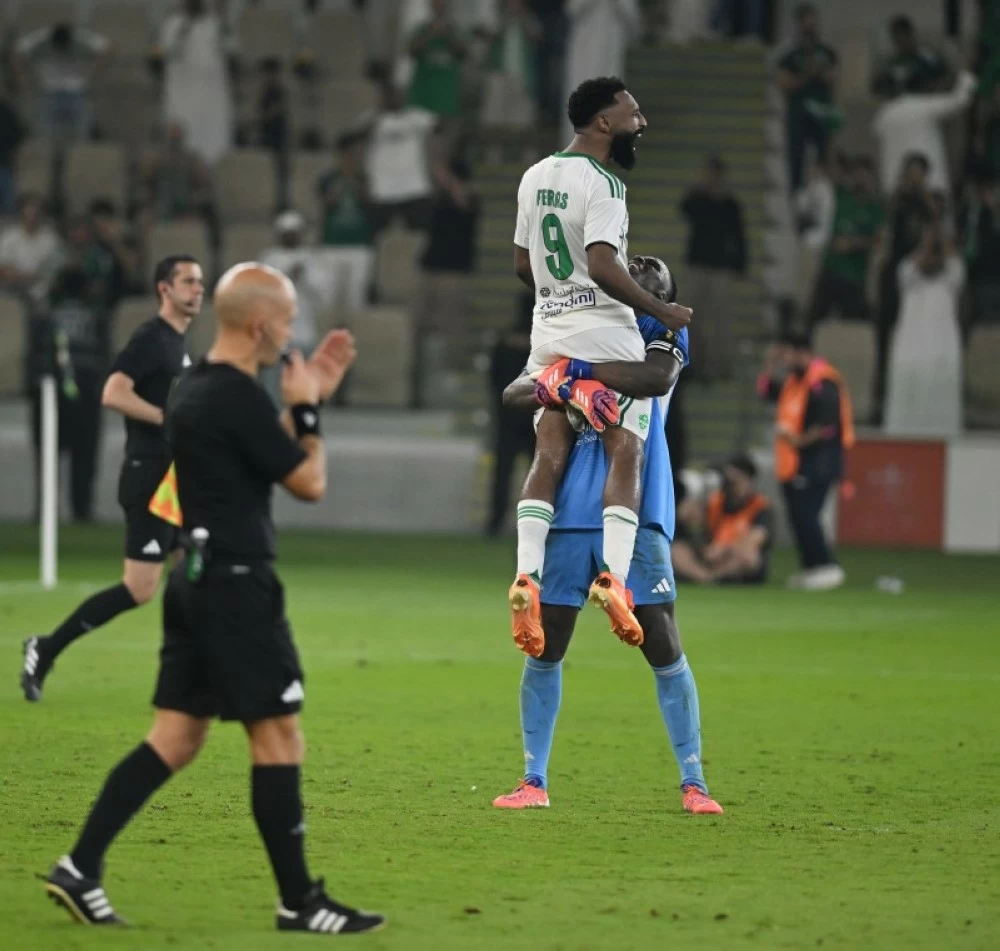
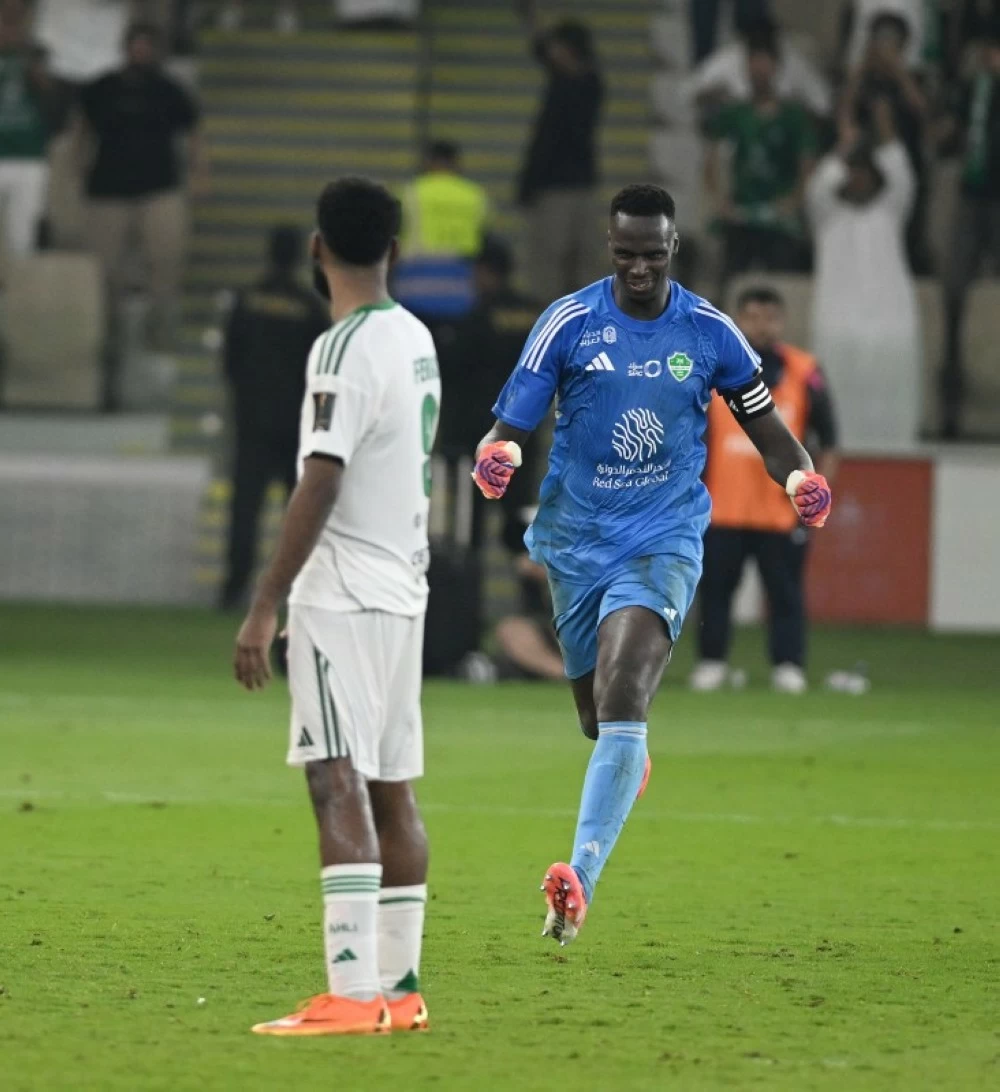
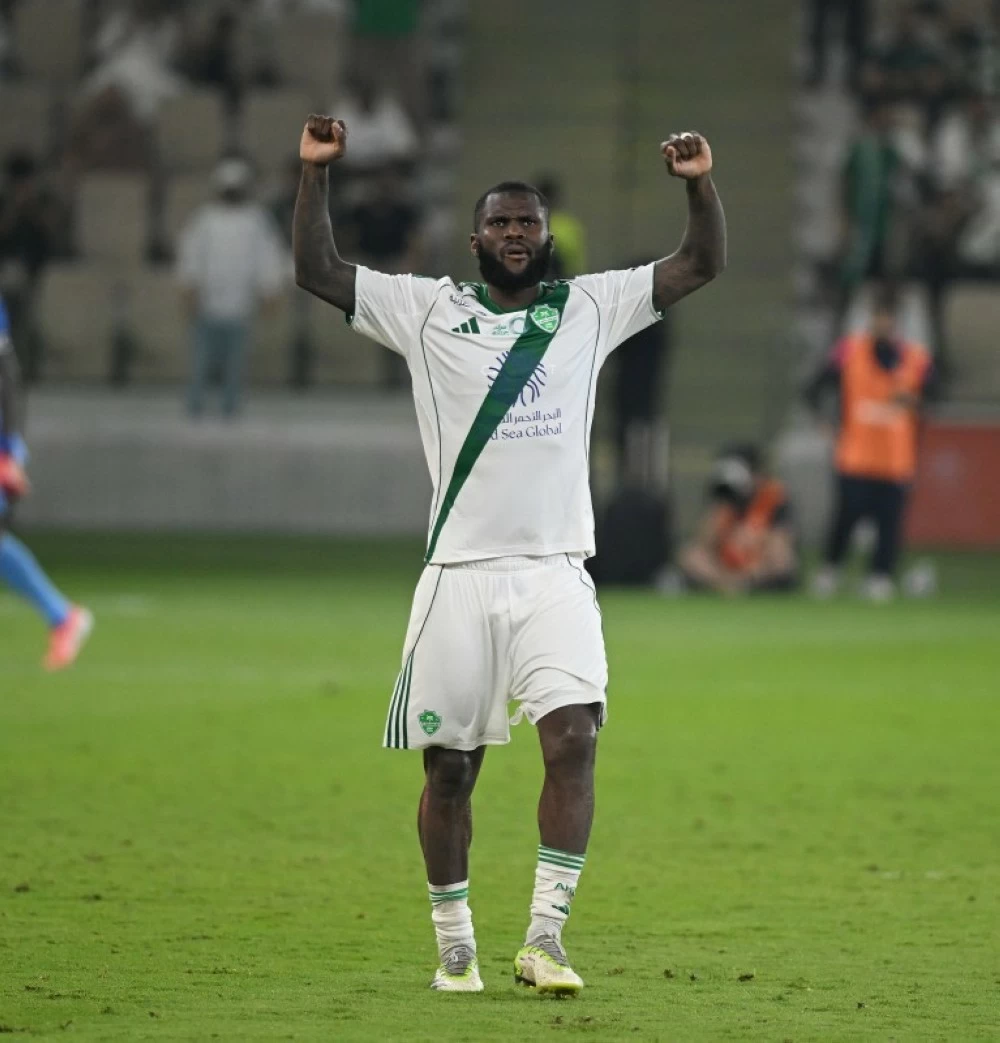
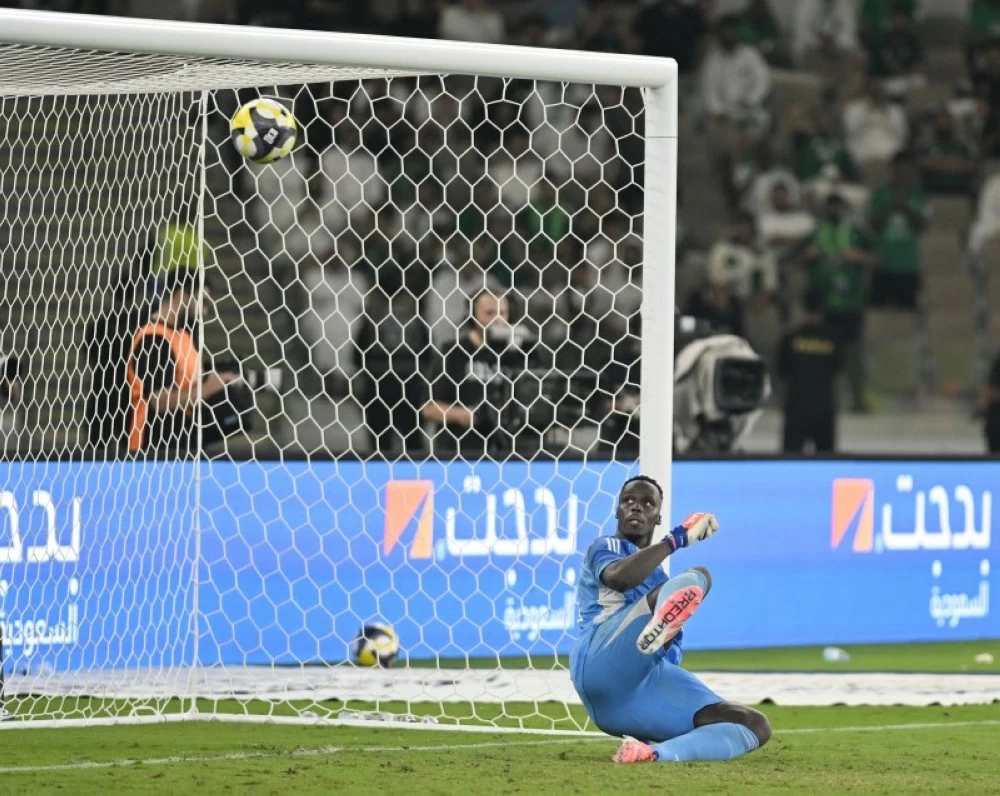
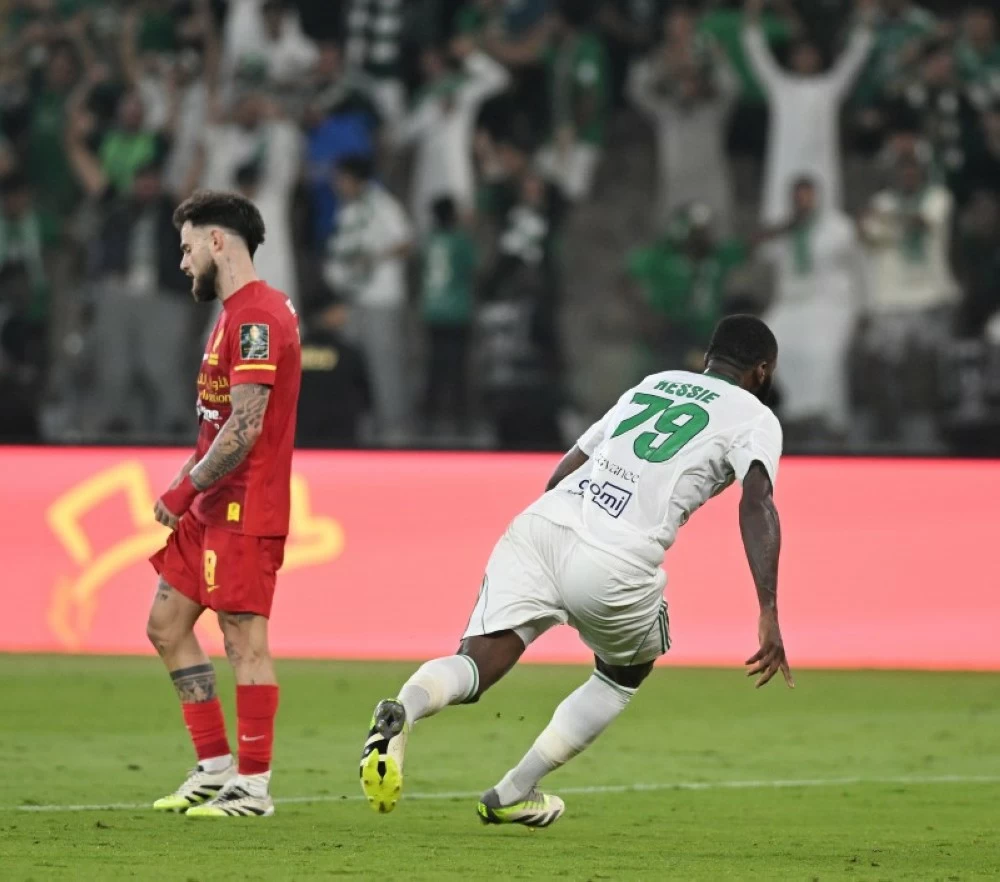
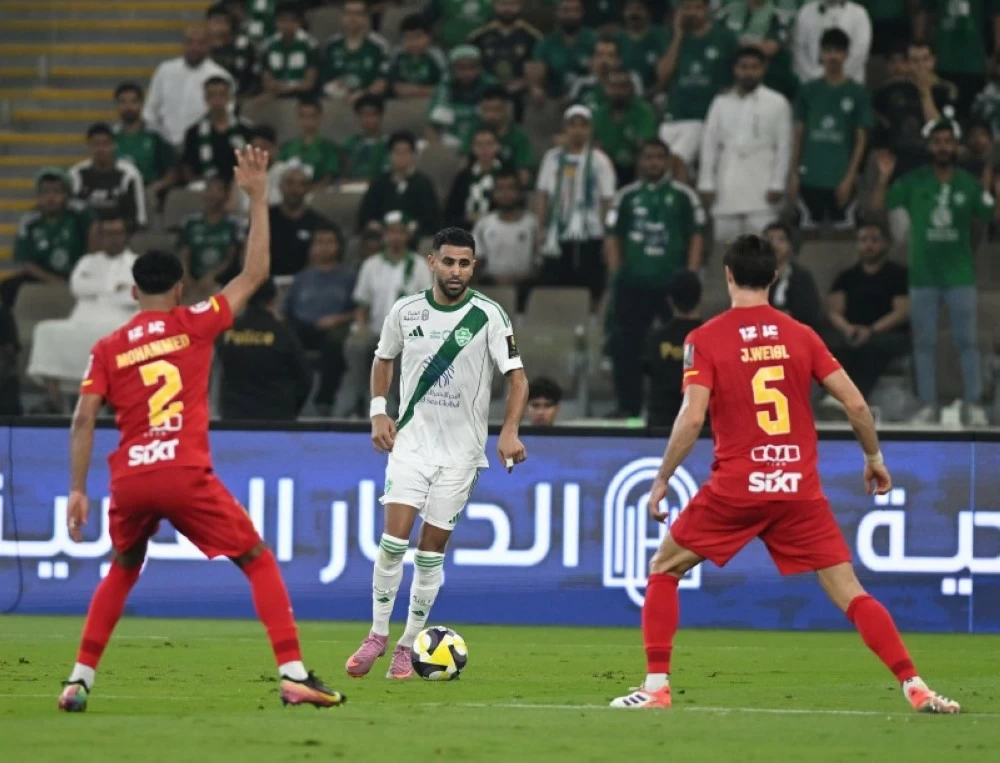
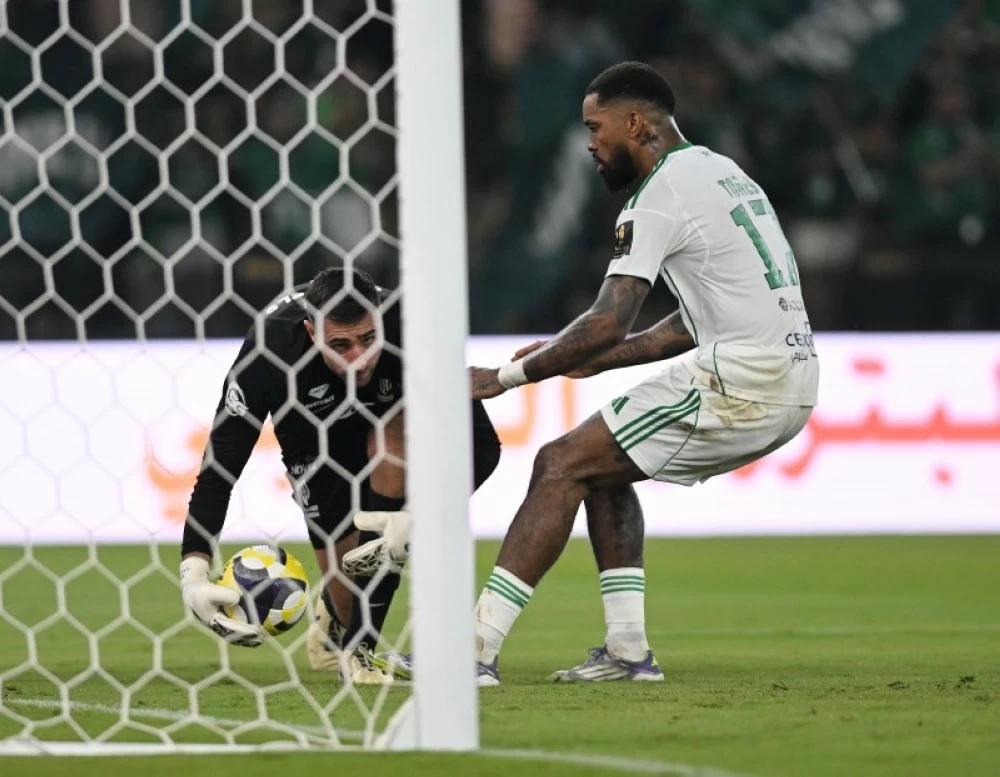
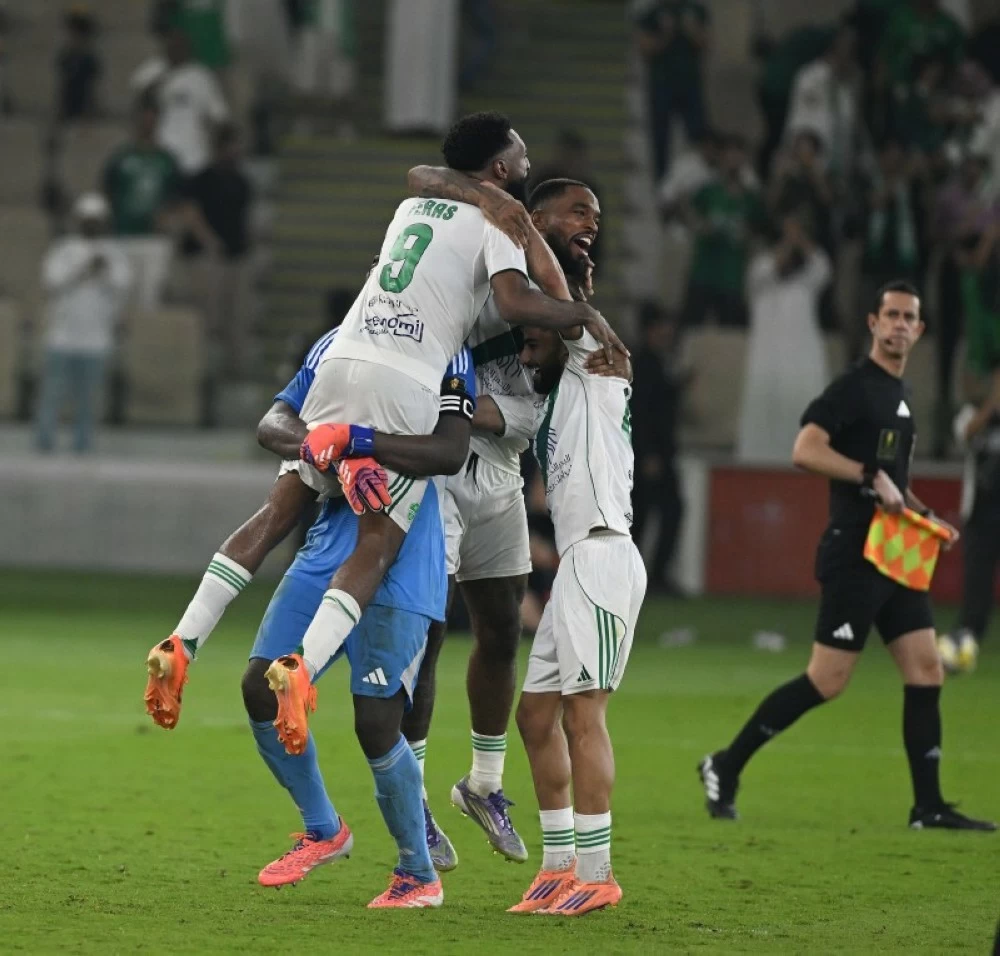
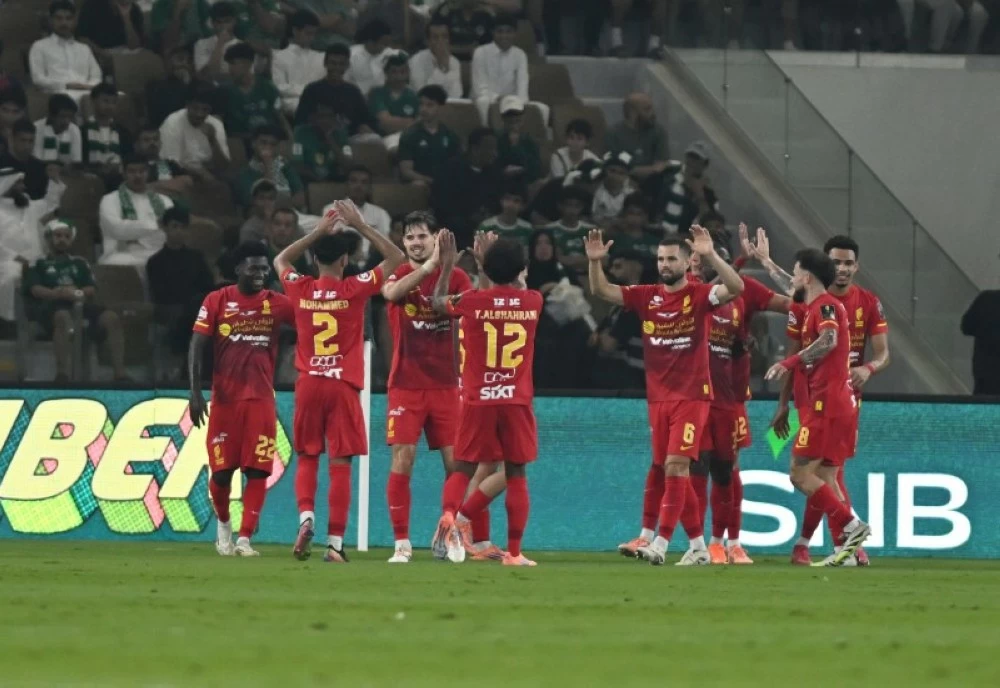
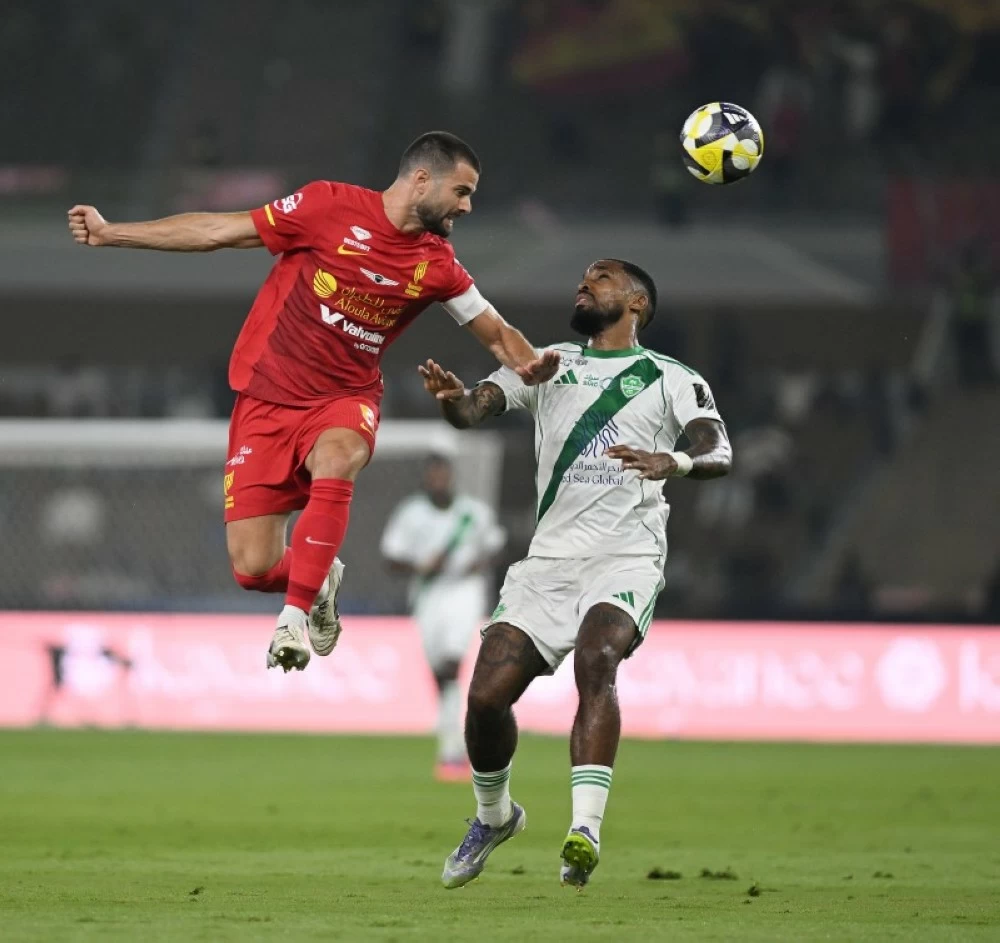
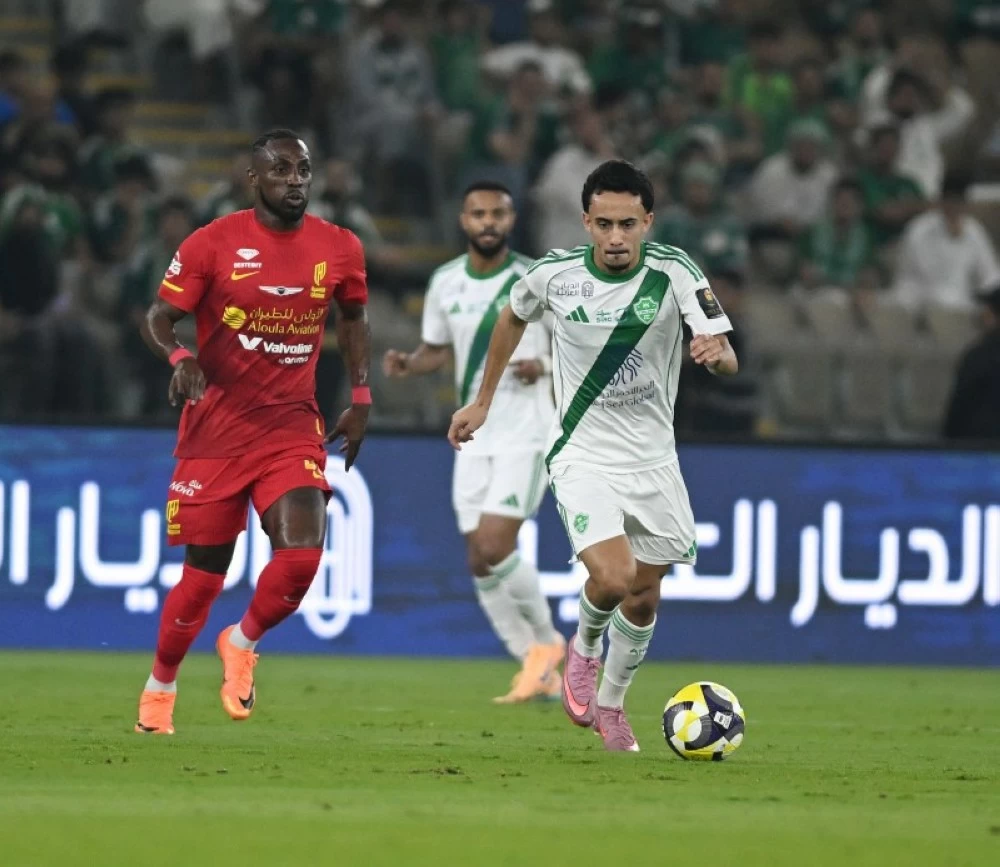
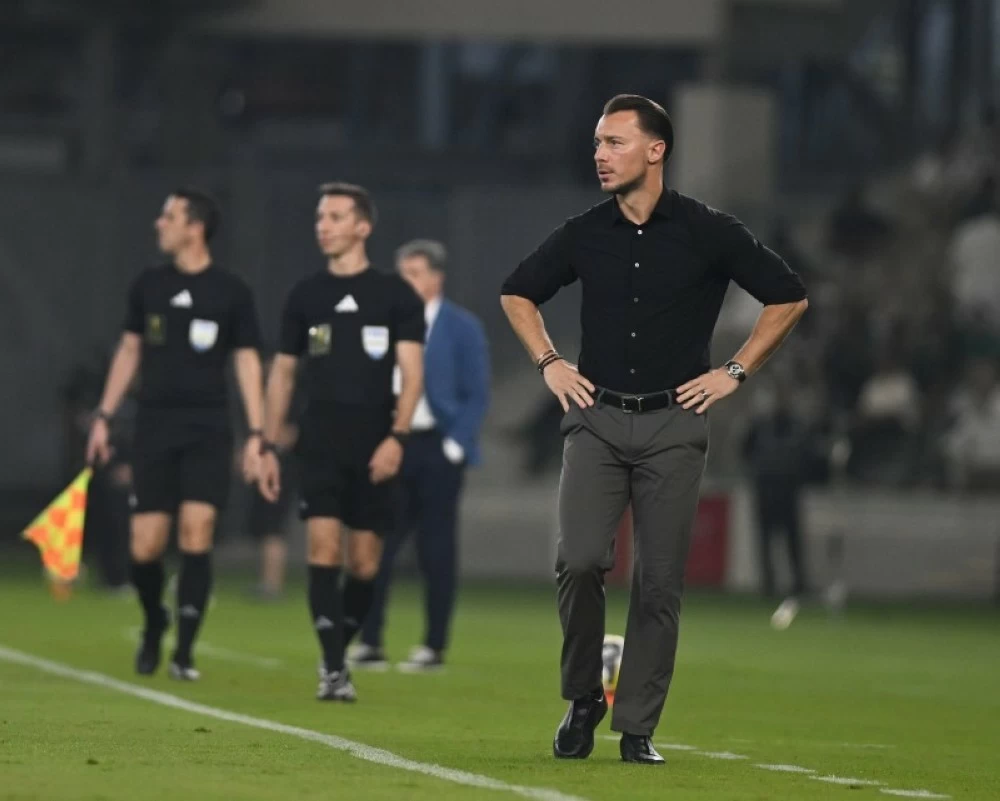
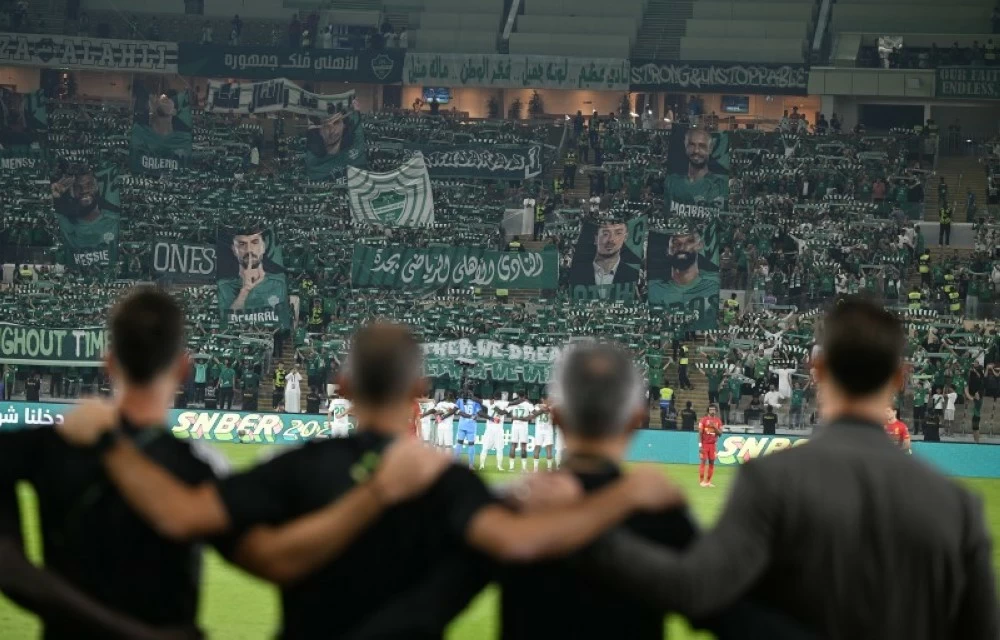
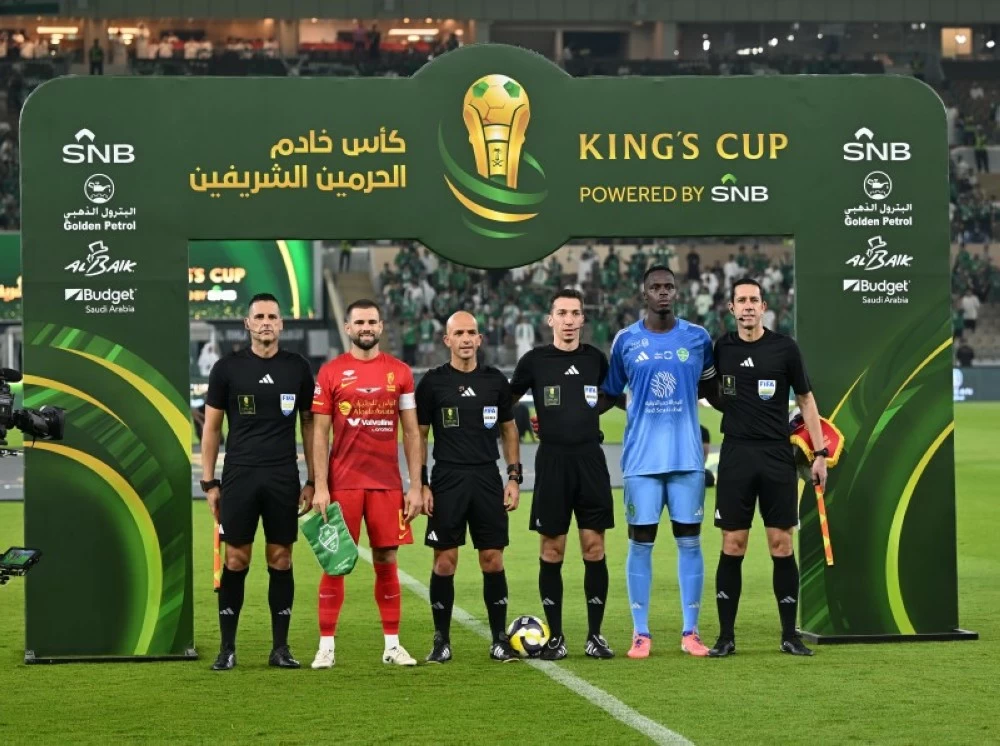
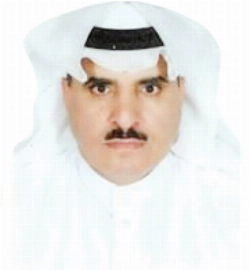
أوضح المحاضر الآسيوي في كرة القدم الدكتور يحيى جابر، أن مباراة الأهلي والقادسية شهدت واحدة من أكثر المواجهات إثارة هذا الموسم، بعدما انتهت في أشواطها بالتعادل (3–3 )، قبل أن يحسم الأهلي التأهل للنصف النهائي بركلات الترجيح في بطولة كأس خادم الحرمين الشريفين، فيما اللقاء كشف بوضوح ملامح القوة والضعف لدى الفريقين، إضافة إلى تباين أداء اللاعبين بين أفضل العناصر وأكثرهم تراجعًا.
القادسية
بدأ القادسية المباراة بقوة، مسجلًا هدفًا مبكرًا عبر ضغط هجومي فعّال وسرعة في التحولات، ما مثّل أبرز نقاط قوته، كما تميز بشجاعة هجومية وعدم التراجع أمام الأهلي، إضافة إلى انضباط تكتيكي في وسط الملعب خلال فترات طويلة، لكن أبرز نقاط ضعفه ظهرت في لحظات الحسم، إذ فقد اللاعبون تركيزهم بعد التقدم، إلى جانب هشاشة دفاعية في الأطراف ونقص واضح في الخبرة واللياقة في الدقائق الأخيرة، وعدم الضغط بالشكل السليم وقوة افتكاك الكرة من المنافس، وإعطاء لاعبي الأهلي مساحات لاسيما الشوط الثاني.
الأهلي
أبرز نقاط قوة الأهلي، تمثلت في الروح العالية والقدرة على العودة رغم التأخر عدة مرات، إلى جانب تنوعه الهجومي وصناعة فرص خطيرة، كما ظهرت خبرته في التعامل مع الضغط وركلات الترجيح، ومع ذلك عانى الفريق من ثغرات دفاعية في العمق وبطء في الارتداد والتحول من الهجوم للدفاع، بالذات في الشوط الأول إضافة إلى تذبذب السيطرة في وسط الملعب وإهدار فرص كان بالإمكان أن تُنهِي اللقاء مبكرًا.
مستوى اللاعبين
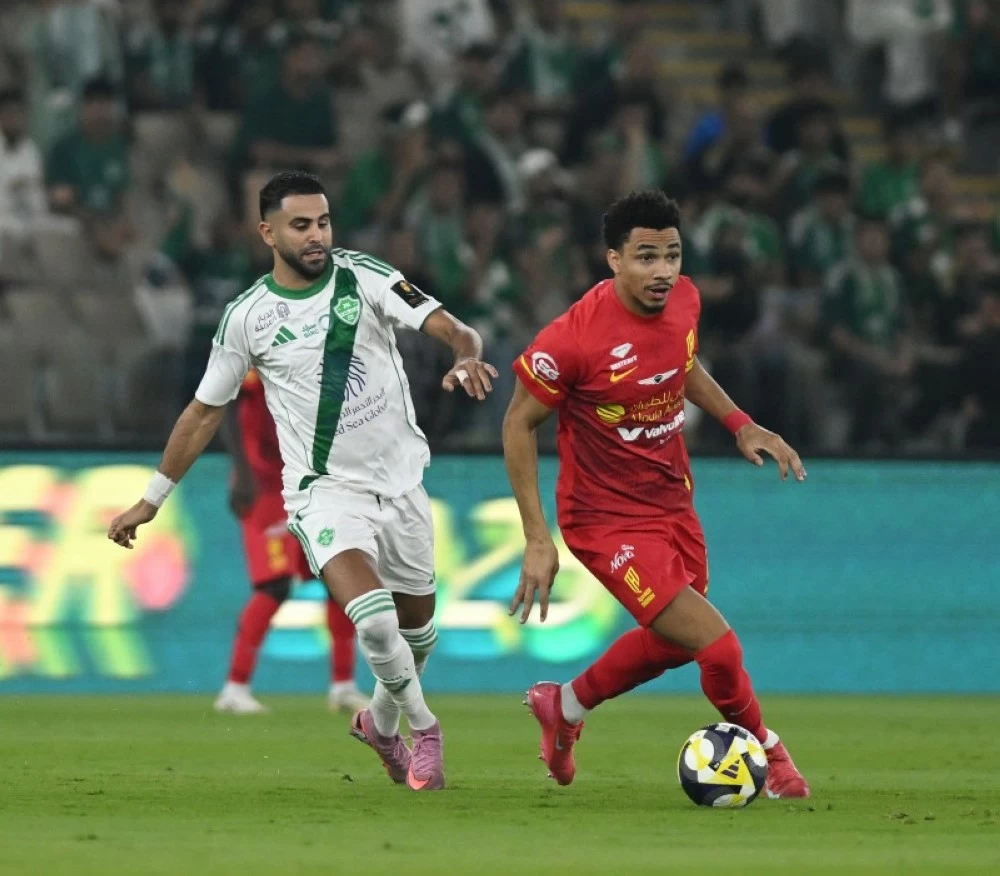
على مستوى اللاعبين، كان أفضل عناصر الأهلي المهاجم الأكثر تأثيرًا توني ومع الجناح رياض محرز هجوماً، ثم لاعب الوسط المتوازن كيسيه، إضافة إلى دور الحارس ميندي في الترجيحات، بينما كان الأسوأ قلب الدفاع التركي ديميرال والظهير الأيمن مجرشي الذي ترك مساحات كبيرة. وفي القادسية، برز ريتيقي كأفضل لاعب، يليه الجناح السريع المكسيكي جوليان كينونيس، في حين كان أضعف العناصر المدافع الذي تسبب بثغرات مباشرة ودخل كبديل جهاد ذكري، ولاعب الوسط الذي فقد كرات حسّاسة مصعب الجوير.
The Asian football lecturer Dr. Yahya Jaber clarified that the match between Al-Ahli and Al-Qadisiyah witnessed one of the most exciting encounters of the season, ending in a draw (3–3) after extra time, before Al-Ahli secured qualification to the semifinals through penalty shootouts in the King Abdulaziz Cup. The match clearly revealed the strengths and weaknesses of both teams, in addition to the varying performances of the players between the best elements and those who regressed.
Al-Qadisiyah
Al-Qadisiyah started the match strongly, scoring an early goal through effective offensive pressure and quick transitions, which represented their main strength. They also showed offensive bravery and did not retreat against Al-Ahli, along with tactical discipline in midfield for long periods. However, their main weaknesses appeared in critical moments, as the players lost focus after taking the lead, alongside defensive fragility on the flanks and a clear lack of experience and fitness in the final minutes, as well as not applying pressure correctly and effectively reclaiming the ball from the opponent, giving Al-Ahli players space, especially in the second half.
Al-Ahli
The main strengths of Al-Ahli were reflected in their high spirit and ability to come back despite falling behind several times, in addition to their varied attacking options and creating dangerous chances. Their experience in dealing with pressure and penalty shootouts was also evident. However, the team suffered from defensive gaps in the center and slowness in transitioning from attack to defense, especially in the first half, along with fluctuating control in midfield and wasting opportunities that could have ended the match early.
Player Performance
In terms of player performance, the best elements of Al-Ahli included the most impactful forward, Toni, along with winger Riyad Mahrez in attack, and the balanced midfielder, Kessie, in addition to the role of goalkeeper Mendy in the penalties. Meanwhile, the weakest were the Turkish center-back Demiral and right-back Majrashi, who left large spaces. For Al-Qadisiyah, Ritiqi stood out as the best player, followed by the fast Mexican winger Julian Quinones, while the weakest elements were the defender who caused direct gaps and came on as a substitute, Jihad Dhakri, and the midfielder who lost sensitive balls, Musab Al-Juwair.