
رغم أن كرة القدم تعرف بأنها لعبة «المتعة والقوة والإثارة»، إلا أن طريق لاعبيها لم يكن يوماً مفروشاً بالورود، فالإصابات الجسدية التي يتعرضون لها داخل المستطيل الأخضر أصبحت جزءاً من مسيرتهم الكروية، يواجهونها بشجاعة ثم يعودون للركض خلف الكرة والأضواء وضجيج الملاعب من جديد، وما تجهله الجماهير الرياضية أن هناك مرضاً ارتبط تاريخياً بعدد من نجوم الرياضة، وتحديداً لاعبي كرة القدم، ليطرح تساؤلات مقلقة حول العلاقة بين الرياضة الأشهر في العالم وبين مرض «التصلب الجانبي الضموري». ومن أشهر نجوم كرة القدم الذين تعرضوا لذلك المرض الذي غيّر مسار حياتهم، بل وخطف آخرين وهم: الهولندي فرناندو ريكسن توفي عام 2019 بعد صراع مع المرض، الأمريكي ستيف غليسون، الإيطالي جيانلوكا سينيوريني، الإيطالي موروسيني توفي عام 2007، السلوفيني جو دي ميريو، الإيطالي جيانلوكا سينيوريني توفي عام 2002، الإيطالي ستيفان تاسوني توفي بسبب المرض، والألماني باتريك فابيان، وهناك بالطبع لاعبون من الدول العربية وأشهرهم من السعودية عبدالرحمن البيشي، وخالد الزيلعي، وهما لاعبان سابقان في فريق النصر، ومحمد حرشان لاعب نجران، ومؤمن زكريا لاعب فريق الأهلي المصري ومنتخب مصر سابقاً، وجميع هؤلاء اللاعبين الأجانب والعرب تم توثيق إصاباتهم إعلامياً.
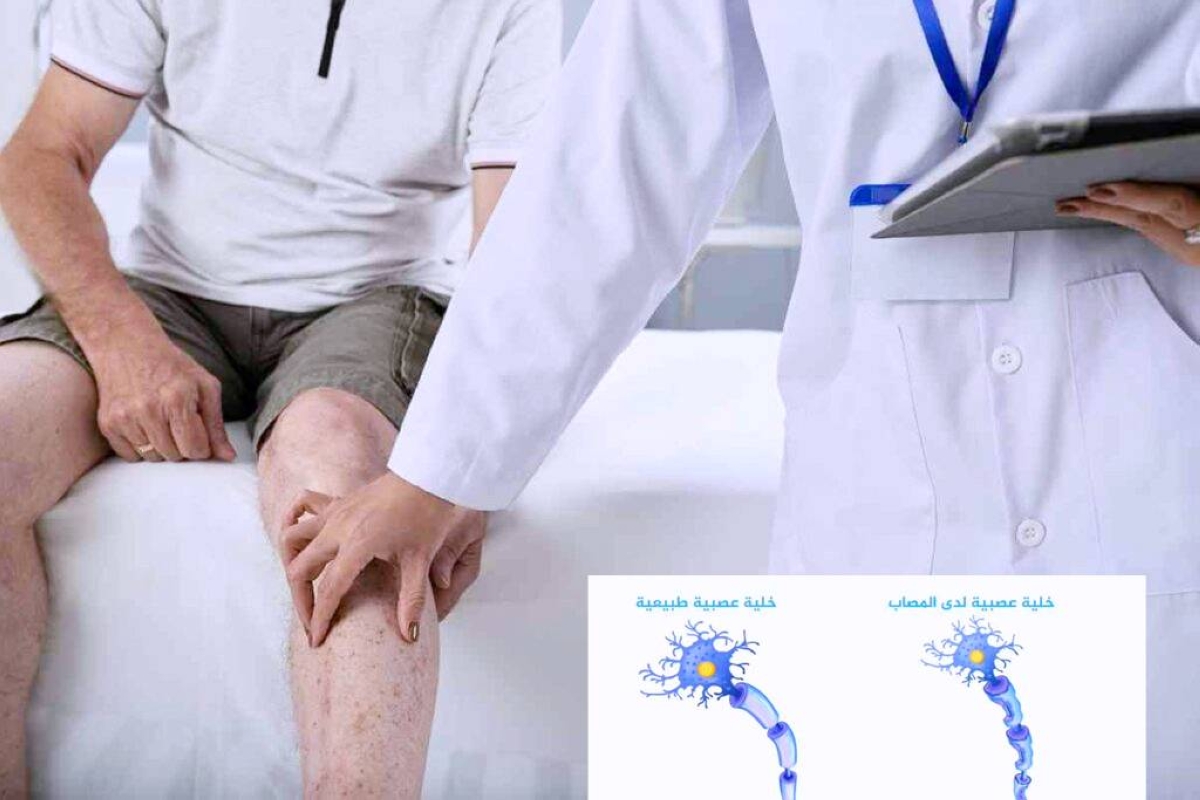
وحول المرض الخطير يقول استشاري جراحة المخ والأعصاب الدكتور علي حسن لـ«عكاظ»: «التصلب الجانبي الضموري يعرف أيضاً باسم مرض «لو غريغ» نسبة إلى لاعب البيسبول الأمريكي الذي شخص به في ثلاثينيات القرن الماضي، وهو مرض عصبي نادر وخطير يصيب الخلايا العصبية الحركية في الدماغ والحبل الشوكي، ويؤدي تدريجياً إلى فقدان السيطرة على العضلات وضعفها ثم ضمورها، فعادة ترسل الخلايا العصبية الحركية في الدماغ والحبل الشوكي إشارات إلى العضلات لبدء الحركة، ولكن عند الإصابة بالمرض تبدأ هذه الخلايا بالتلف والموت، فلا تصل الإشارات بشكل صحيح إلى العضلات، فتضعف تدريجياً ثم تضمر». وتابع: «الأعراض تختلف من مريض لآخر، لكنها عادة تبدأ بشكل تدريجي وتزداد سوءاً مع مرور الوقت، والمرض لا يؤثر على الحواس «البصر، السمع، اللمس» ولا على القدرات العقلية في أغلب الحالات، لكن بعض المرضى قد يصابون بما يعرف بـ«الخرف الجبهي الصدغي»، والتشخيص يعتمد على استبعاد الأمراض الأخرى المشابهة، ويشمل الفحص العصبي الكامل، تخطيط كهربية العضلات، تصوير بالرنين المغناطيسي، وبعض التحاليل اللازمة». وعن العوامل التي قد تزيد من خطر الإصابة مضى د. حسن قائلاً: «هناك بعض العوامل ومنها العمر، فغالباً يظهر بين سن 40 و70، والرجال أكثر عرضة من النساء قبل سن 65، وللوراثة دور في وجود تاريخ مرضي في العائلة، وأيضا هناك عوامل بيئية محتملة ما زالت قيد الدراسات ومنها التعرض للسموم أو المعادن الثقيلة أو إصابات متكررة في الرأس أو الجهاز العصبي «كما عند بعض الرياضيين»، التدخين إذ وجد أنه يزيد الخطر خصوصاً عند النساء».
وعن جانب العلاج يختتم د. حسن حديثه بقوله: «رغم أن التصلب الجانبي الضموري ما زال بلا علاج نهائي، إلا أن التقدم الطبي أتاح وسائل تبطئ من تطور المرض وتخفف معاناة المريض، فالجمع بين الأدوية والعلاج الداعم والدعم النفسي والاجتماعي يصنع فارقاً كبيراً في حياة المرضى وعائلاتهم، والأمل قائم في الأبحاث المستقبلية التي حتماً ستقود إلى علاج جذري لهذا المرض في القريب العاجل بأمر الله».
التصلب الضموري.. ارتبط تاريخياً ببعض اللاعبين
22 أغسطس 2025 - 00:05
|
آخر تحديث 22 أغسطس 2025 - 00:05


تابع قناة عكاظ على الواتساب
محمد داوود (جدة) mdawood77@
Although football is known as a game of "fun, strength, and excitement," the path of its players has never been paved with roses. The physical injuries they suffer on the pitch have become part of their football journey, which they face with courage before returning to chase the ball, the lights, and the noise of the stadiums once again. What sports fans often overlook is that there is a disease historically linked to several sports stars, specifically football players, raising concerning questions about the relationship between the world's most popular sport and the disease known as "amyotrophic lateral sclerosis." Among the most famous football stars who have suffered from this disease, which changed the course of their lives, and even claimed the lives of others, are: Dutchman Fernando Ricksen, who died in 2019 after a battle with the disease; American Steve Gleason; Italian Gianluca Signorini; Italian Piermario Morosini, who died in 2007; Slovenian Jo De Merlo; Italian Gianluca Signorini, who died in 2002; Italian Stefano Tasoni, who died due to the disease; and German Patrick Fabian. Of course, there are players from Arab countries, the most famous of whom are from Saudi Arabia: Abdulrahman Al-Bishi and Khalid Al-Zailai, both former players for Al-Nassr; Mohammed Harshan, a player for Najran; and Moamen Zakaria, a former player for Al-Ahly of Egypt and the Egyptian national team. All of these foreign and Arab players have had their injuries documented in the media.
Regarding this serious disease, neurosurgery consultant Dr. Ali Hassan told Okaz: "Amyotrophic lateral sclerosis is also known as 'Lou Gehrig's disease,' named after the American baseball player who was diagnosed with it in the 1930s. It is a rare and serious neurological disease that affects motor neurons in the brain and spinal cord, gradually leading to loss of muscle control, weakness, and then atrophy. Normally, motor neurons in the brain and spinal cord send signals to the muscles to initiate movement, but when the disease strikes, these cells begin to deteriorate and die, so the signals do not reach the muscles correctly, leading to gradual weakness and atrophy." He continued: "Symptoms vary from patient to patient, but they usually start gradually and worsen over time. The disease does not affect the senses ('sight, hearing, touch') or cognitive abilities in most cases, but some patients may develop what is known as 'frontotemporal dementia.' Diagnosis relies on excluding other similar diseases and includes a complete neurological examination, electromyography, MRI scans, and some necessary tests."
Regarding factors that may increase the risk of developing the disease, Dr. Hassan stated: "There are some factors, including age, as it often appears between the ages of 40 and 70, with men being more susceptible than women before the age of 65. Genetics also plays a role if there is a family history of the disease. Additionally, there are potential environmental factors still under study, including exposure to toxins or heavy metals or repeated head injuries or nervous system injuries (as seen in some athletes), and smoking, which has been found to increase the risk, especially in women."
On the treatment aspect, Dr. Hassan concluded his remarks by saying: "Although amyotrophic lateral sclerosis still has no definitive cure, medical advancements have provided means to slow the progression of the disease and alleviate the patient's suffering. The combination of medications, supportive therapy, and psychological and social support makes a significant difference in the lives of patients and their families. There is hope in future research that will undoubtedly lead to a radical cure for this disease in the near future, God willing."