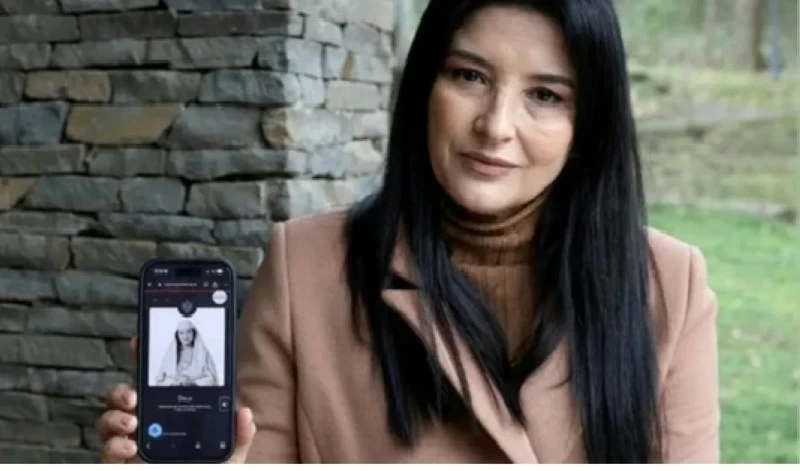
ما كان يفترض أن يكون مشروعًا تقنيًا لخدمة المواطنين، تحوّل إلى معركة قضائية غير مسبوقة في ألبانيا.
الممثلة الألبانية أنيلا بيشا تقول إنها فقدت السيطرة على وجهها وصوتها، بعدما وجدت نفسها «وزيرة» أمام البرلمان دون أن توافق يومًا على لعب هذا الدور.
بدأت القصة مطلع 2025، عندما وافقت بيشا على استخدام ملامحها وصوتها لإنشاء مساعد افتراضي ضمن بوابة الخدمات الحكومية.
وبعد استخدام ساعات طويلة من التسجيلات الدقيقة لحركات وجهها ونبرة صوتها تم إنتاج شخصية رقمية أُطلق عليها اسم «دييلا» (أي الشمس بالألبانية)، هدفها تسهيل المعاملات الإدارية للمواطنين.
المشروع حقق نجاحًا لافتًا، مع مئات آلاف التفاعلات وعشرات آلاف الوثائق الصادرة عبر المنصة.
لكن المفاجأة جاءت في سبتمبر، حين أعلن رئيس الوزراء إيدي راما تعيين «دييلا» كأول وزيرة مولّدة بالذكاء الاصطناعي، مكلفة بملف المناقصات العامة، في خطوة قال إنها تستهدف مكافحة الفساد.
«سمعت صوتي يقول إنني وزيرة»
بالنسبة لبيشا، لم يكن الأمر إنجازًا تقنيًا بل صدمة شخصية.
تقول إنها شاهدت النسخة الرقمية منها تلقي خطابًا تحت قبة البرلمان، بصوتها وحركاتها ذاتها. «بكيت كثيرًا»، تقول الممثلة البالغة 57 عامًا، مؤكدة أن عقدها لم يسمح باستخدام صورتها إلا ضمن منصة الخدمات الإلكترونية، وأن مدته انتهت بالفعل.
المعارضة وخبراء القانون أثاروا تساؤلات دستورية حول تعيين كيان افتراضي في منصب وزاري.
لكن الأزمة اتخذت منحى أكثر غرابة عندما صرّح راما بأن «دييلا حامل» وستنجب «83 طفلًا»، (واحدًا لكل نائب في البرلمان) في إشارة إلى نسخ رقمية أخرى قيد التطوير.
وهو تصريح اعتبرته بيشا مهينًا، خصوصا بعدما أصبحت (بحسب قولها) هدفًا لانتقادات سياسية بسبب وجه لا تملك السيطرة عليه.
وبعد فشل محاولات التسوية، لجأت الممثلة إلى القضاء مطالبة بتعليق استخدام صورتها، ومعلنة نيتها رفع دعوى تعويض بقيمة مليون يورو.
كما لمّحت إلى استعدادها للوصول إلى المحكمة الأوروبية لحقوق الإنسان إن لزم الأمر.
القضية اليوم لم تعد مجرد نزاع تعاقدي، بل اختبار عالمي لحدود الملكية الرقمية، وهنا يبرز سؤال: من يملك الوجه حين يتحول إلى خوارزمية؟
What was supposed to be a technical project to serve citizens has turned into an unprecedented legal battle in Albania.
Albanian actress Anila Bisha says she lost control over her face and voice after finding herself a "minister" before parliament without ever agreeing to play that role.
The story began in early 2025 when Bisha agreed to use her features and voice to create a virtual assistant within the government services portal.
After using long hours of precise recordings of her facial movements and tone of voice, a digital character named "Diela" (meaning sun in Albanian) was produced, aimed at facilitating administrative transactions for citizens.
The project achieved remarkable success, with hundreds of thousands of interactions and tens of thousands of documents issued through the platform.
But the surprise came in September when Prime Minister Edi Rama announced the appointment of "Diela" as the first AI-generated minister, tasked with public procurement, in a move he said aims to combat corruption.
"I heard my voice saying that I am a minister"
For Bisha, it was not a technical achievement but a personal shock.
She says she watched the digital version of herself delivering a speech under the dome of parliament, with her own voice and movements. "I cried a lot," says the 57-year-old actress, emphasizing that her contract only allowed the use of her image within the electronic services platform, and that its duration had already expired.
The opposition and legal experts raised constitutional questions about appointing a virtual entity to a ministerial position.
But the crisis took a stranger turn when Rama stated that "Diela is pregnant" and will give birth to "83 children" (one for each member of parliament), referring to other digital copies in development.
This statement was considered degrading by Bisha, especially after she became (according to her) a target of political criticism due to a face she could not control.
After failing to reach a settlement, the actress turned to the courts, requesting a suspension of the use of her image and announcing her intention to file a compensation lawsuit worth one million euros.
She also hinted at her willingness to take the matter to the European Court of Human Rights if necessary.
Today, the case is no longer just a contractual dispute but a global test of the limits of digital ownership, raising the question: who owns the face when it becomes an algorithm?