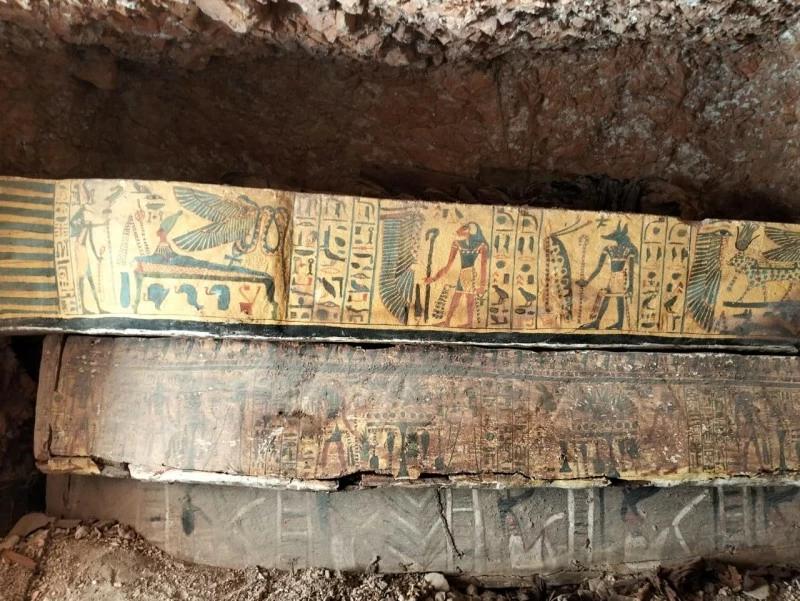
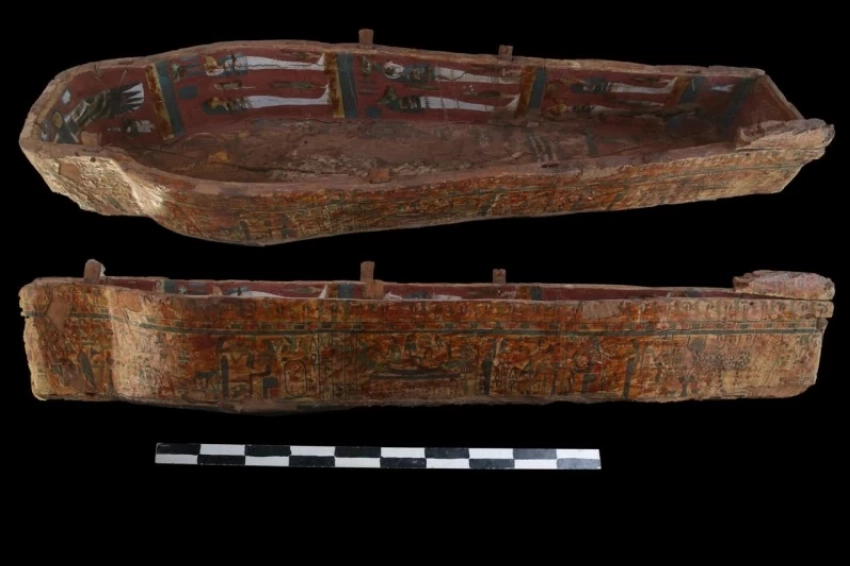
أعلنت وزارة السياحة والآثار المصرية اليوم (السبت) عن كشف أثري استثنائي في منطقة القرنة بالبر الغربي للأقصر، حيث عثرت بعثة أثرية مصرية مشتركة على خبيئة جنائزية تضم 22 تابوتاً خشبياً ملوناً بداخلها مومياوات محنطة، إلى جانب ثماني برديات نادرة تعود إلى عصر الانتقال الثالث، الذي يضم الأُسر 21–25، تقريباً 1070–664 ق.م.
وتم العثور على الخبيئة داخل حجرة مستطيلة منحوتة في الصخر بمثابة مخزن جنائزي، في الزاوية الجنوبية الغربية من فناء مقبرة «سنب» بمنطقة القرنة.
وتميزت الحجرة بتنظيم دقيق للتوابيت، إذ رُصت في 10 صفوف أفقية متراكبة، مع فصل الأغطية عن الصناديق لتوفير المساحة وزيادة السعة دليل على براعة المصريين القدماء في استغلال المساحات المحدودة.
وتحمل معظم التوابيت ألقاباً وظيفية بدلاً من أسماء شخصية، وأبرزها لقب «منشد/منشدة آمون» وهو المرتل أو المغني في طقوس معبد آمون، ما يشير إلى أن الخبيئة تخص طبقة من الكهنة والمرتلين المرتبطين بمعبد الكرنك، ويفتح الباب أمام دراسات جديدة حول الطقوس الدينية والموسيقى الجنائزية في تلك الحقبة الانتقالية التي شهدت اضطرابات سياسية وتقسيم البلاد.
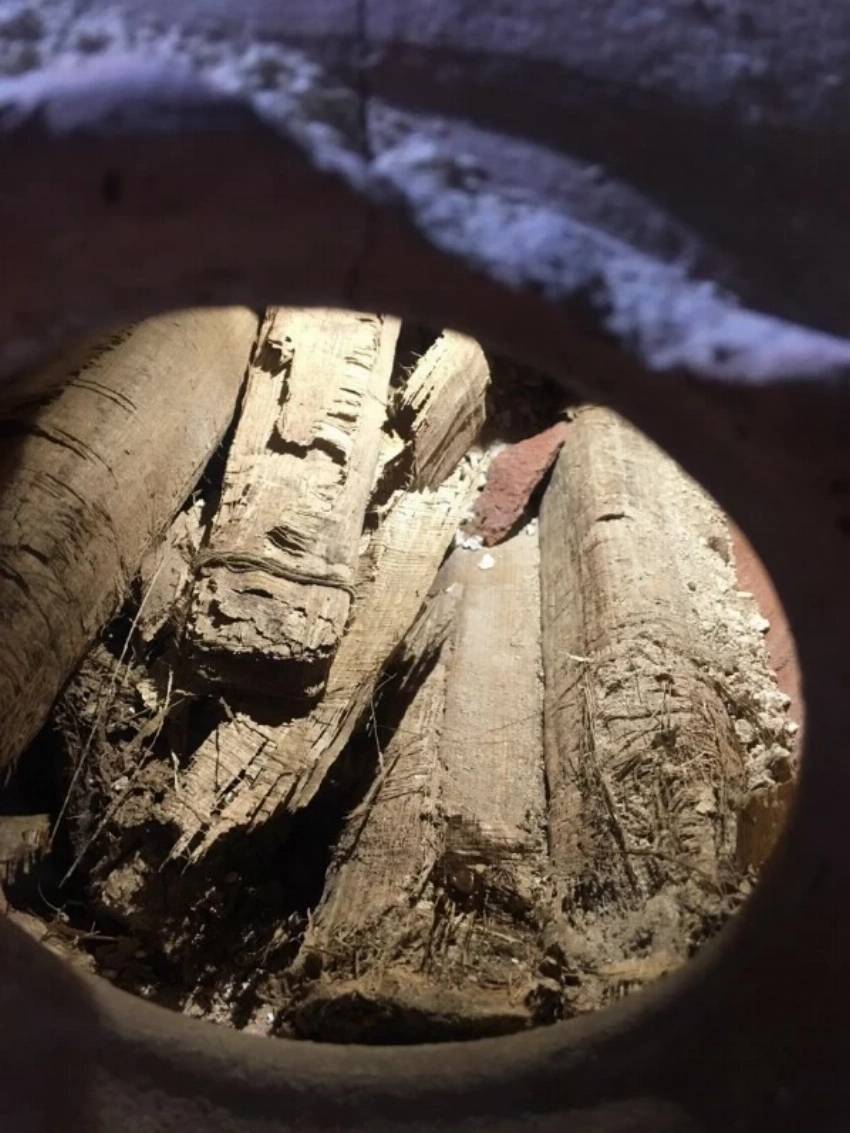
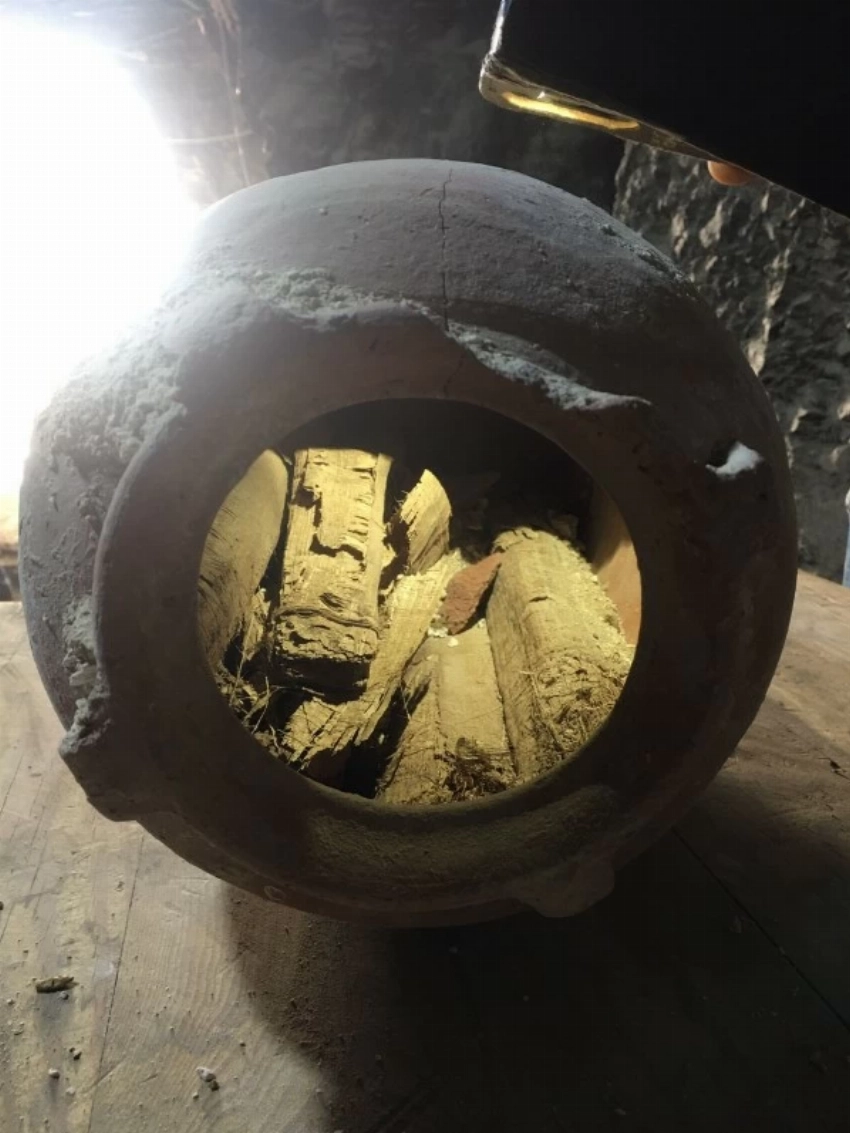
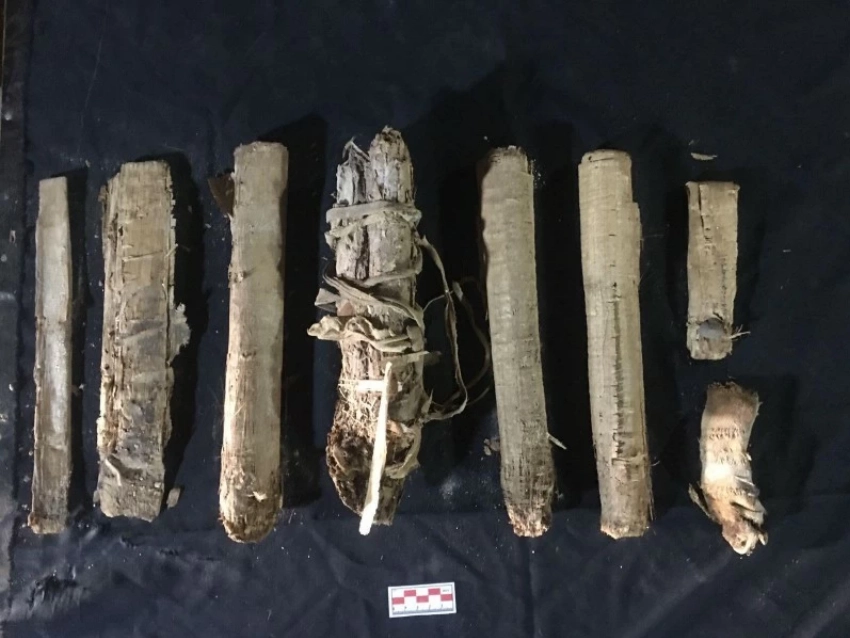
إضافة إلى ذلك، عُثر على ثماني برديات داخل إناء فخاري كبير، بعضها لا يزال محتفظاً بختمه الطيني الأصلي، وتُعد هذه البرديات التي تختلف في الأحجام كنزاً معلوماتياً نادراً، إذ من المتوقع أن تكشف بعد الترميم والترجمة تفاصيل عن الحياة الدينية والإدارية والجنائزية في عصر الانتقال الثالث.
وأكد وزير السياحة والآثار المصري شريف فتحي أن الكشف يمثل إضافة نوعية تعكس الدعم الحكومي المستمر للبحث الأثري، مشيراً إلى أن الوزارة ستركز على أعمال الترميم العاجل والدراسة العلمية وفق أعلى المعايير الدولية، تمهيداً لعرض القطع بما يليق بعظمة الحضارة المصرية ويعزز السياحة الثقافية في الأقصر.
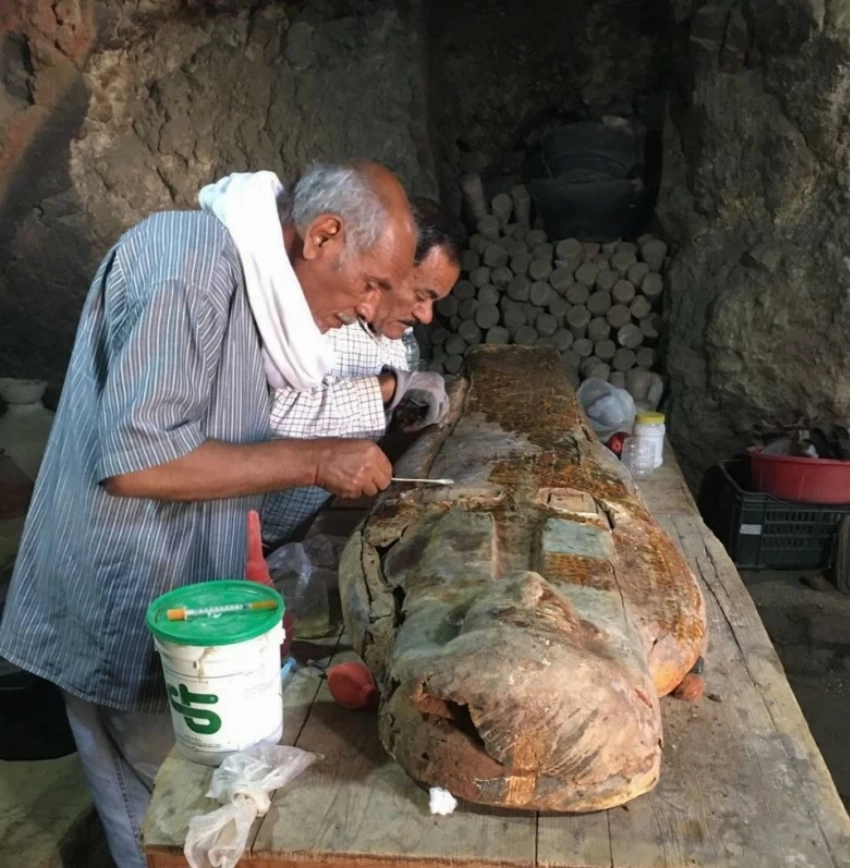
من جانبه، وصف الدكتور زاهي حواس رئيس البعثة الكشف بأنه «استثنائي» يزيح الستار عن خبايا جديدة من حقبة غامضة نسبياً، بينما أوضح الدكتور هشام الليثي الأمين العام للمجلس الأعلى للآثار أن فرق الترميم بدأت فوراً في معالجة تهالك الأخشاب والألوان، مع توثيق شامل لكل قطعة قبل نقلها.
وتواصل البعثة الحفر للكشف عن المقابر الأصلية التي نُقلت منها هذه التوابيت، في محاولة لحل لغز هوية أصحابها بدقة أكبر.
وبعد عصر الانتقال الثالث حوالى 1070–664 ق.م فترة ضعف سياسي بعد سقوط الدولة الحديثة، شهدت سيطرة كهنة آمون في الجنوب وانقسام البلاد، وتميزت بتطور فن التوابيت الخشبية الملونة كبديل اقتصادي عن التوابيت الحجرية الفاخرة.
وأظهرت اكتشافات سابقة مشابهة مثل خبيئة العساسيف 2019–2020 مجموعات كبيرة من التوابيت لكهنة آمون، لكن وجود برديات محفوظة بختمها الأصلي يجعل هذا الكشف مميزاً جداً.
The Egyptian Ministry of Tourism and Antiquities announced today (Saturday) an exceptional archaeological discovery in the Qurna area on the west bank of Luxor, where a joint Egyptian archaeological mission found a funerary cache containing 22 colored wooden coffins, inside which were mummified bodies, along with eight rare papyri dating back to the Third Intermediate Period, which includes Dynasties 21–25, approximately 1070–664 BC.
The cache was found inside a rectangular chamber carved into the rock serving as a funerary storage space, located in the southwestern corner of the courtyard of the "Senb" tomb in the Qurna area.
The chamber was characterized by a precise arrangement of the coffins, stacked in 10 horizontal rows, with the lids separated from the boxes to save space and increase capacity, demonstrating the ingenuity of the ancient Egyptians in utilizing limited spaces.
Most of the coffins bear occupational titles rather than personal names, the most notable being the title "Chanter of Amun," which refers to the singer or reciter in the rituals of the Temple of Amun, indicating that the cache belongs to a class of priests and chanters associated with the Karnak Temple, opening the door to new studies on religious rituals and funerary music during that transitional period, which witnessed political upheavals and the division of the country.
Additionally, eight papyri were found inside a large pottery vessel, some of which still retain their original clay seal. These papyri, which vary in size, are considered a rare informational treasure, as they are expected to reveal, after restoration and translation, details about religious, administrative, and funerary life during the Third Intermediate Period.
Egyptian Minister of Tourism and Antiquities Sherif Fathy confirmed that the discovery represents a qualitative addition reflecting the ongoing government support for archaeological research, noting that the ministry will focus on urgent restoration work and scientific study according to the highest international standards, in preparation for displaying the artifacts in a manner befitting the greatness of Egyptian civilization and enhancing cultural tourism in Luxor.
For his part, Dr. Zahi Hawass, head of the mission, described the discovery as "exceptional," unveiling new secrets from a relatively obscure era, while Dr. Hisham El-Leithy, Secretary-General of the Supreme Council of Antiquities, explained that restoration teams immediately began addressing the deterioration of the wood and colors, with comprehensive documentation of each piece before transport.
The mission continues to excavate to uncover the original tombs from which these coffins were moved, in an attempt to solve the mystery of their owners' identities with greater accuracy.
After the Third Intermediate Period, around 1070–664 BC, a time of political weakness following the fall of the New Kingdom, the priests of Amun in the south gained control, leading to the division of the country, characterized by the development of colored wooden coffin art as an economical alternative to luxurious stone coffins.
Previous similar discoveries, such as the cache at Al-Assasif in 2019–2020, revealed large groups of coffins belonging to the priests of Amun, but the presence of papyri preserved with their original seal makes this discovery very special.