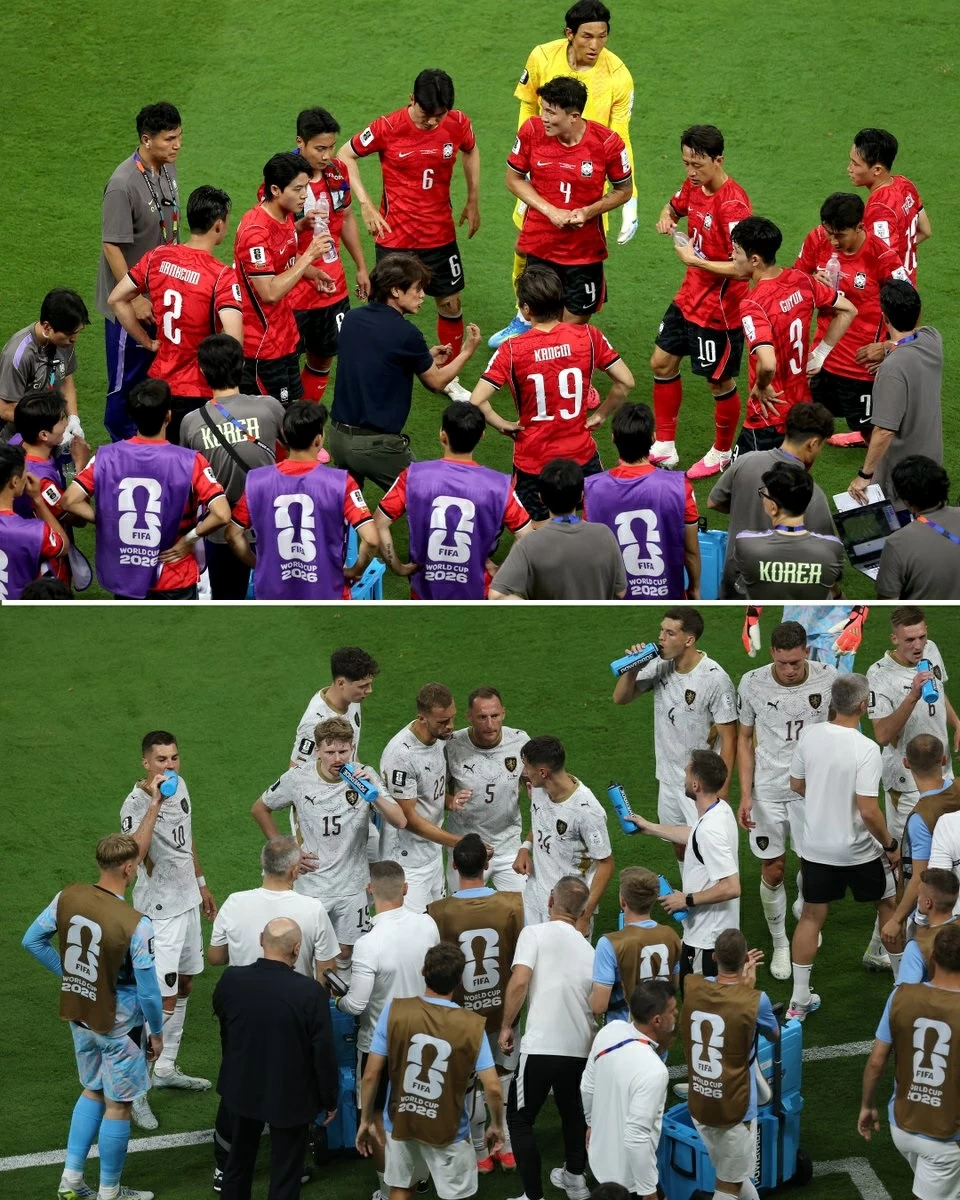
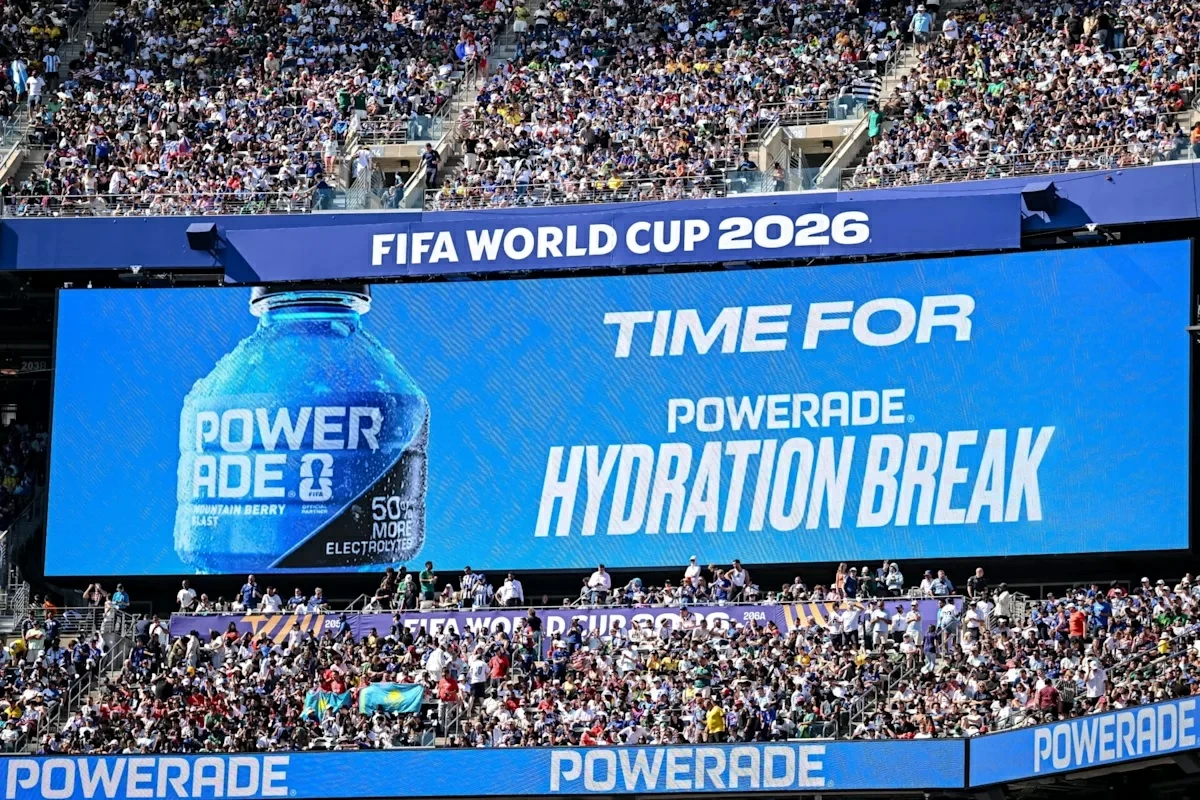
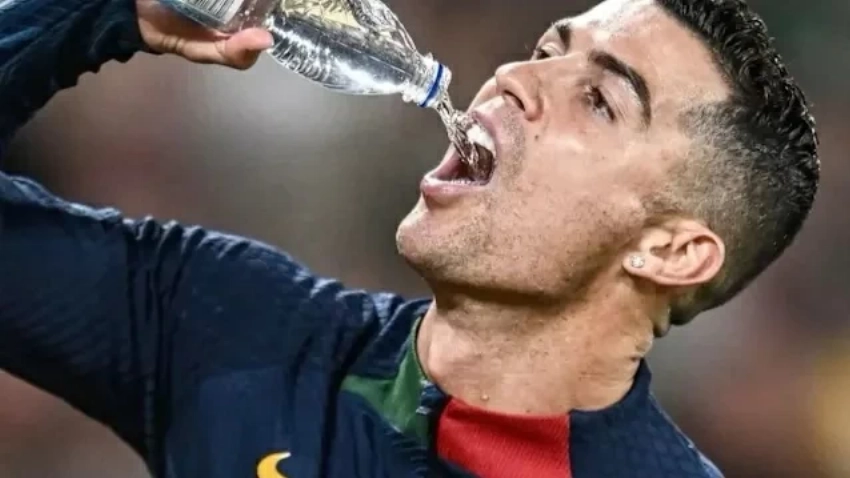
لم تعد استراحة الترطيب في كأس العالم 2026 مجرد إجراء وقائي لحماية اللاعبين من الإجهاد الحراري، بل تحولت إلى واحدة من أكبر الفرص التجارية في تاريخ البطولة، بعدما فتحت نافذة إعلانية جديدة داخل زمن المباراة، لتمنح شبكات البث والرعاة مصدرًا غير مسبوق للعوائد المالية.
ماكينة أرباح بمئات الملايين
ومع اعتماد الاتحاد الدولي لكرة القدم (فيفا) استراحة إلزامية لمدة ثلاث دقائق في كل شوط من جميع مباريات البطولة، أصبحت القنوات الناقلة تمتلك مساحة إعلانية ثابتة في منتصف كل شوط؛ وهي سابقة في تاريخ كأس العالم، بعدما كانت المباراة تُلعب دون أي فواصل إعلانية خلال الشوطين.
وتُقدر التقارير الإعلامية أن الإعلانات المخصصة لاستراحات الترطيب ستدرُّ أكثر من 250 مليون دولار داخل الولايات المتحدة وحدها، في ظل ارتفاع أسعار الإعلانات خلال مباريات المونديال، إذ تتراوح قيمة الإعلان التلفزيوني لمدة 30 ثانية بين 200 و300 ألف دولار، بينما تصل إلى نحو 750 ألف دولار خلال مباريات المنتخب الأمريكي والأدوار الإقصائية.
ومع إقامة 104 مباريات في النسخة الحالية، تتحول الدقائق الست المخصصة لاستراحتي الترطيب في كل مباراة إلى أكثر من عشر ساعات من المساحات الإعلانية الإضافية، ما يمنح شركات البث فرصة لتعظيم عوائدها وتعويض جزء كبير من تكلفة حقوق النقل، فيما يرجح خبراء أن تقترب الإيرادات العالمية لهذه الفواصل من مليار دولار عند احتساب مختلف الأسواق.
فوائد تتجاوز الجانب المالي
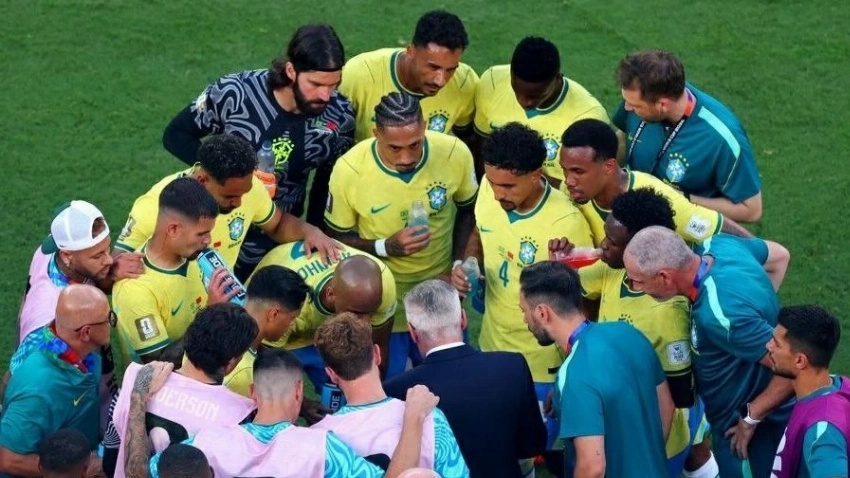
ورغم هيمنة البُعد الاقتصادي، فإن استراحة الترطيب حملت فوائد فنية واضحة داخل المستطيل الأخضر، بعدما منحت المدربين فرصة لإعادة تنظيم خطوط فرقهم، وتصحيح الأخطاء، وتعديل النهج التكتيكي أثناء سير المباراة، وهو ما انعكس على أداء عدد من المنتخبات التي نجحت في تغيير مجريات اللقاء عقب العودة من التوقف.
كما أظهرت مؤشرات فنية ارتفاعًا في معدلات التسديد وصناعة الفرص بعد انتهاء فترات التوقف، نتيجة استغلال الأجهزة الفنية للدقائق الثلاث في توجيه اللاعبين وإعادة ضبط الإيقاع، لتتحول استراحة الترطيب إلى ما يشبه (الوقت المستقطع) المعروف في الرياضات الأمريكية.
جدل مستمر حول القرار
في المقابل، أثار القرار موجة واسعة من الانتقادات، إذ رأى عدد من اللاعبين والمدربين أن فرض الاستراحة في جميع المباريات، حتى داخل الملاعب المكيفة أو في الأجواء المعتدلة، يمنحها طابعًا تجاريًا أكثر من كونه ضرورة صحية، فضلًا عن تأثيرها في إيقاع المباراة والزخم التنافسي.
وبين مبررات حماية اللاعبين، والمكاسب التكتيكية للمدربين، والعوائد الاقتصادية الضخمة، تبدو الحقيقة الأبرز أن استراحة الترطيب لم تعد مجرد دقائق لشرب الماء، بل تحولت إلى أحد أكثر الأصول الاستثمارية قيمة في كأس العالم 2026، لتؤكد أن كل دقيقة في كرة القدم الحديثة أصبحت تحمل قيمة تجارية بملايين الدولارات.
The hydration break in the 2026 World Cup is no longer just a preventive measure to protect players from heat stress; it has turned into one of the biggest commercial opportunities in the tournament's history, opening a new advertising window during match time, providing broadcasters and sponsors with an unprecedented source of financial returns.
A Profit Machine Worth Hundreds of Millions
With FIFA's adoption of a mandatory three-minute break in each half of all tournament matches, broadcasting channels now have a fixed advertising space in the middle of each half; a first in World Cup history, as matches were previously played without any advertising breaks during the two halves.
Media reports estimate that advertisements designated for hydration breaks will generate more than $250 million within the United States alone, amid rising ad prices during World Cup matches, with the cost of a 30-second television ad ranging between $200,000 and $300,000, while it can reach about $750,000 during matches involving the U.S. team and in the knockout stages.
With 104 matches taking place in the current edition, the six minutes allocated for hydration breaks in each match translate into more than ten hours of additional advertising space, giving broadcasting companies the opportunity to maximize their returns and recoup a significant portion of the transmission rights costs, while experts suggest that global revenues from these breaks could approach one billion dollars when considering various markets.
Benefits Beyond Financial Aspects
Despite the economic dimension dominating, the hydration break has brought clear technical benefits on the pitch, as it has given coaches the opportunity to reorganize their teams' lines, correct mistakes, and adjust tactical approaches during the match, which has reflected on the performance of several teams that managed to change the course of the game after returning from the break.
Technical indicators have also shown an increase in shooting rates and chance creation after the stoppage periods, as coaching staffs utilized the three minutes to direct players and reset the rhythm, turning the hydration break into something akin to a timeout known in American sports.
Ongoing Controversy Over the Decision
Conversely, the decision has sparked a wide wave of criticism, as several players and coaches believe that imposing the break in all matches, even in air-conditioned stadiums or in moderate weather, gives it a more commercial character than a health necessity, in addition to its impact on the rhythm of the match and competitive momentum.
Amid justifications for player protection, tactical gains for coaches, and massive economic returns, the most prominent truth seems to be that the hydration break is no longer just minutes for drinking water; it has transformed into one of the most valuable investment assets in the 2026 World Cup, confirming that every minute in modern football now carries a commercial value worth millions of dollars.