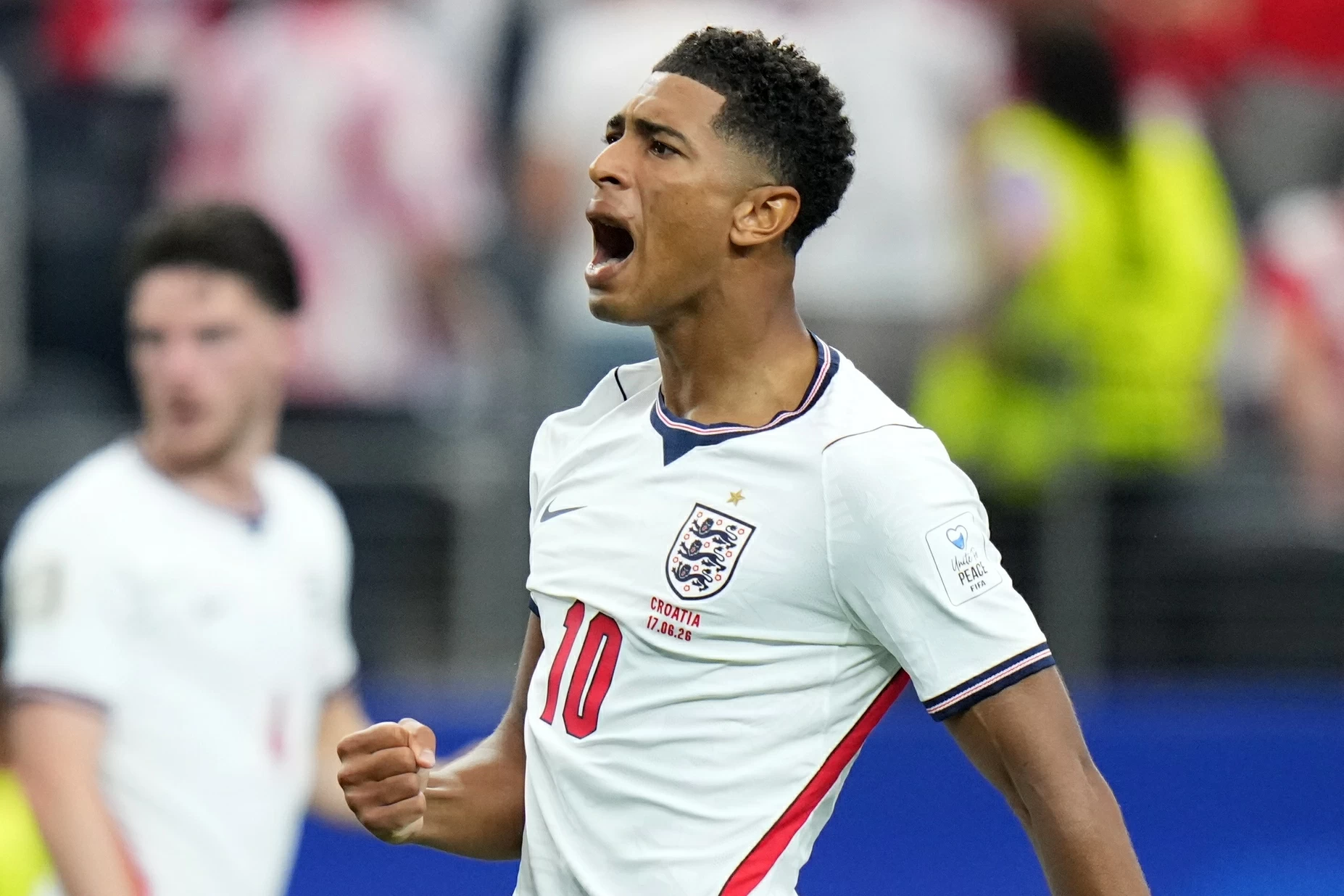
أثار عدم طرد الدولي الإنجليزي جود بيلينغهام بالبطاقة الحمراء، خلال مواجهة منتخب بلاده أمام غانا فجر اليوم في الجولة الثانية من كأس العالم 2026 تساؤلات واسعة، بعد أن غطى فمه بيده أثناء حديثه مع قائد المنتخب الغاني جوردان أيو، في مشهد أعاد إلى الأذهان الواقعة التي شهدتها مباراة تركيا وباراغواي قبل أيام قلائل، عندما أشهر الحكم البطاقة الحمراء في وجه لاعب باراغواي ميغيل ألميرون بعد قيامه بالتصرف ذاته، في أول حالة يتم فيها تنفيذ العقوبة رسمياً بعد فترة قصيرة من إجازة القانون الذي أصبح معروفاً بـ«قانون فينيسيوس».
ولا تنص اللائحة، على أن تغطية الفم تستوجب الطرد تلقائياً، وتؤكد ذلك الفقرة 5-2 من المادة 5 التي تنص على: يجوز وفقاً لتقدير الجهة المنظمة للمسابقة، معاقبة أي لاعب يغطي فمه أثناء موقف تصادمي مع منافس ببطاقة حمراء، وهذا النص يمنح بشكل واضح الحكم سلطة تقدير كاملة لتقييم طبيعة الواقعة، إنْ كان مجرد حديث عابر بين لاعبين، أم جزءاً من مشادة، أو سلوكاً يراد منه إخفاء عبارات مسيئة أياً كان شكلها.
وبناءً على ذلك، لم يرَ حكم مباراة إنجلترا وغانا -بحكم تقديره الشخصي- أن تصرف بيلينغهام يندرج ضمن الحالات التي تستوجب العقوبة.
ويجعل ذلك الوضع مختلفاً عن واقعة ألميرون، التي اعتبر الحكم حينها أن الملابسات المحيطة بالحادثة تستوجب تطبيق التعديل الجديد، ليشهر البطاقة الحمراء.
ويؤكد ذلك أن «قانون فينيسيوس» لا يعاقب اللاعب على وضع يده على فمه، وإنما يمنح الحكم صلاحية التدخل عندما يقترن هذا التصرف بسلوك يرى أنه يستوجب العقوبة.
The failure to send off English international Jude Bellingham with a red card during his country's match against Ghana early this morning in the second round of the 2026 World Cup has raised widespread questions, after he covered his mouth with his hand while speaking to Ghanaian team captain Jordan Ayew, in a scene that recalled the incident that occurred in the match between Turkey and Paraguay a few days ago, when the referee issued a red card to Paraguayan player Miguel Almirón after he performed the same action, marking the first case in which the penalty was officially enforced shortly after the law that became known as the "Vinicius Law" was enacted.
According to the regulations, covering the mouth does not automatically warrant a red card, as confirmed by paragraph 5-2 of Article 5, which states: "Any player who covers their mouth during a confrontational situation with an opponent may be punished with a red card at the discretion of the organizing body of the competition." This text clearly grants the referee full discretion to assess the nature of the incident, whether it is merely a passing conversation between players, part of an altercation, or behavior intended to conceal offensive remarks in any form.
Based on this, the referee of the England vs. Ghana match did not see, in his personal judgment, that Bellingham's action fell under the cases that necessitate punishment.
This situation differs from Almirón's incident, where the referee at the time deemed the circumstances surrounding the incident warranted the application of the new amendment, leading to the issuance of a red card.
This confirms that the "Vinicius Law" does not penalize a player for placing their hand over their mouth, but rather grants the referee the authority to intervene when this action is accompanied by behavior that he believes warrants punishment.