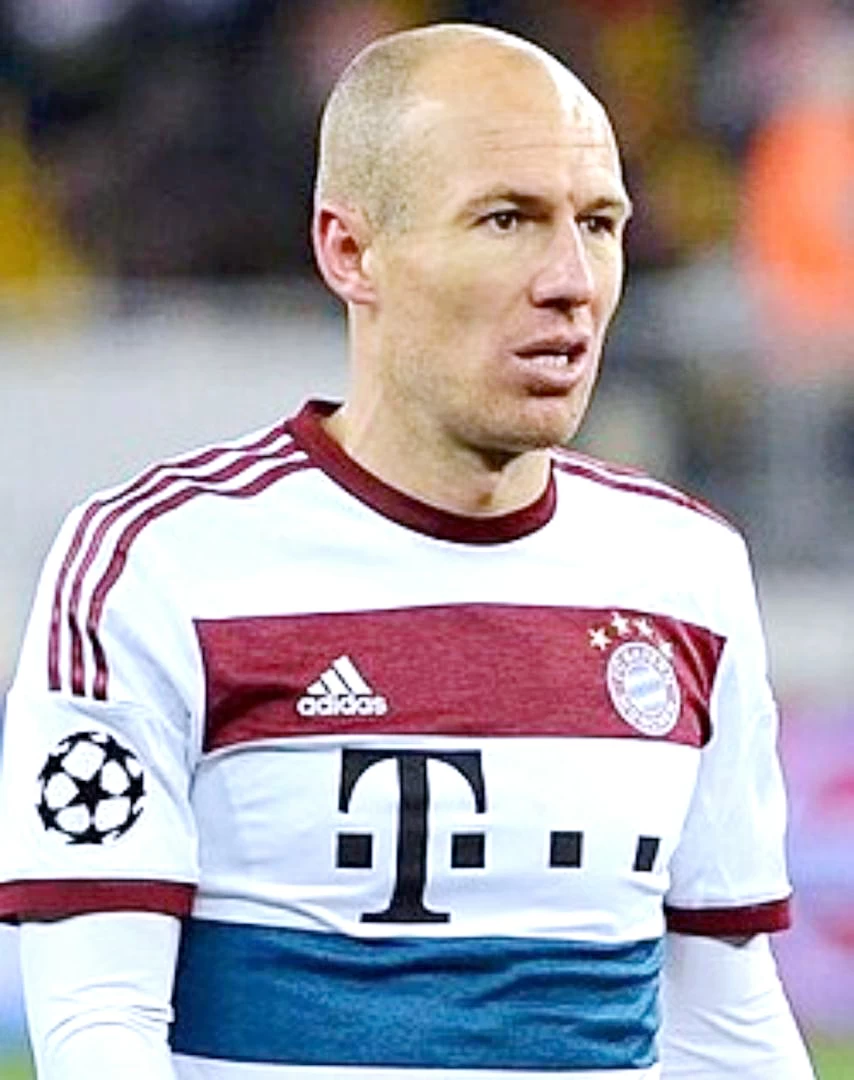
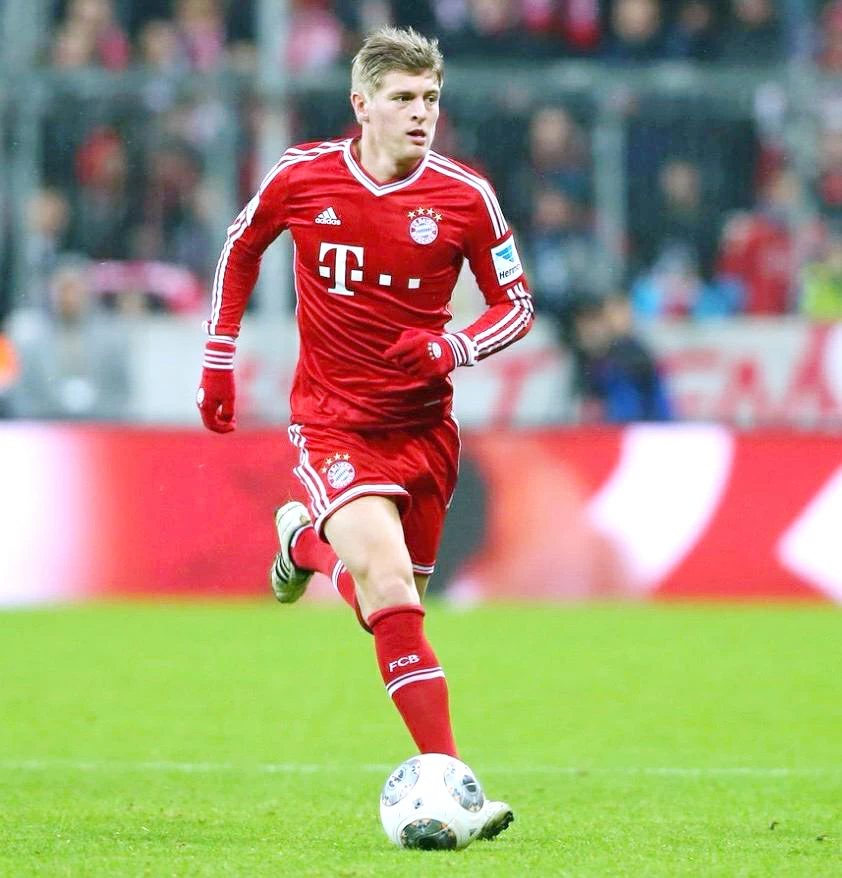
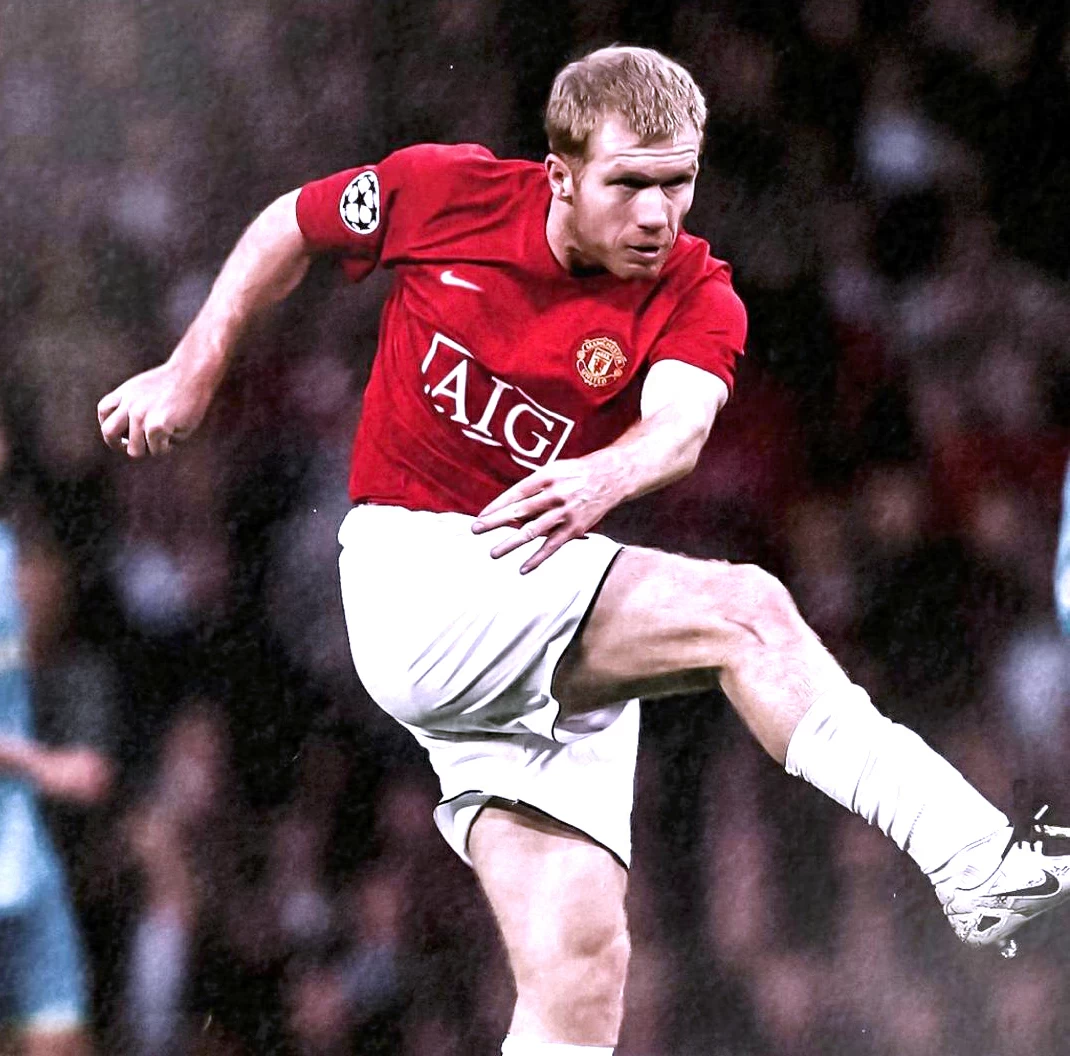
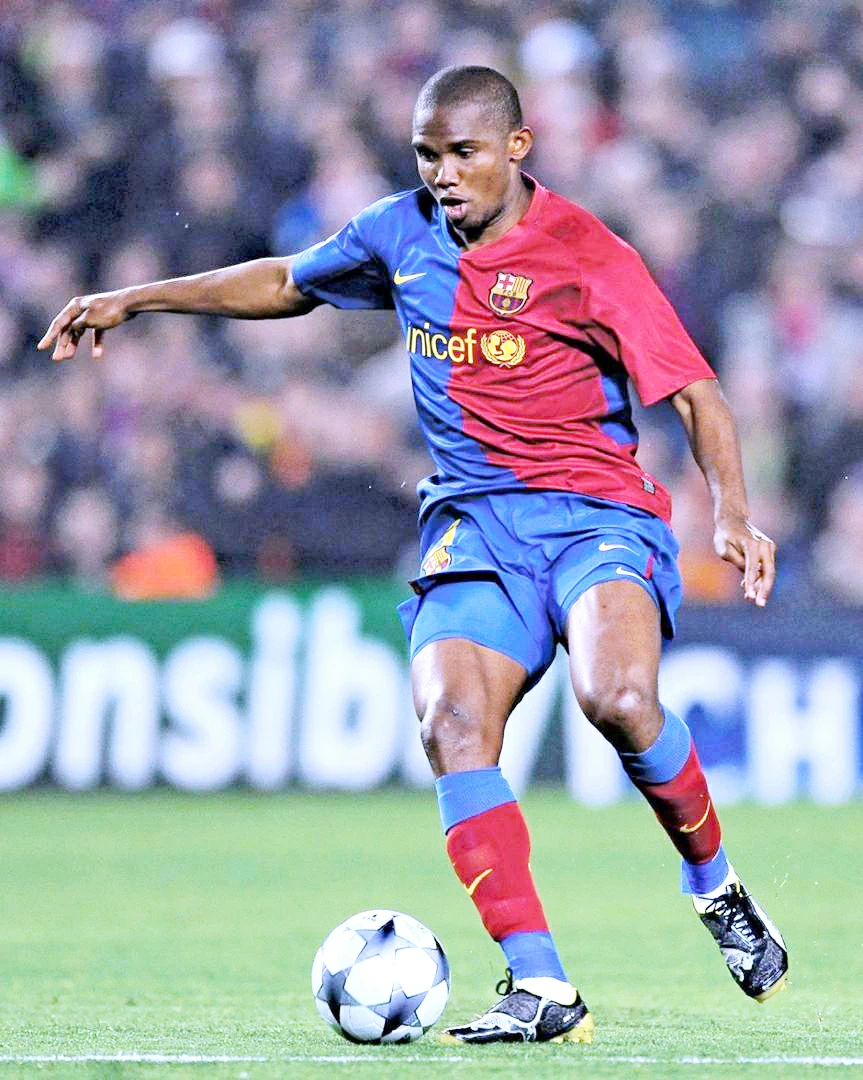
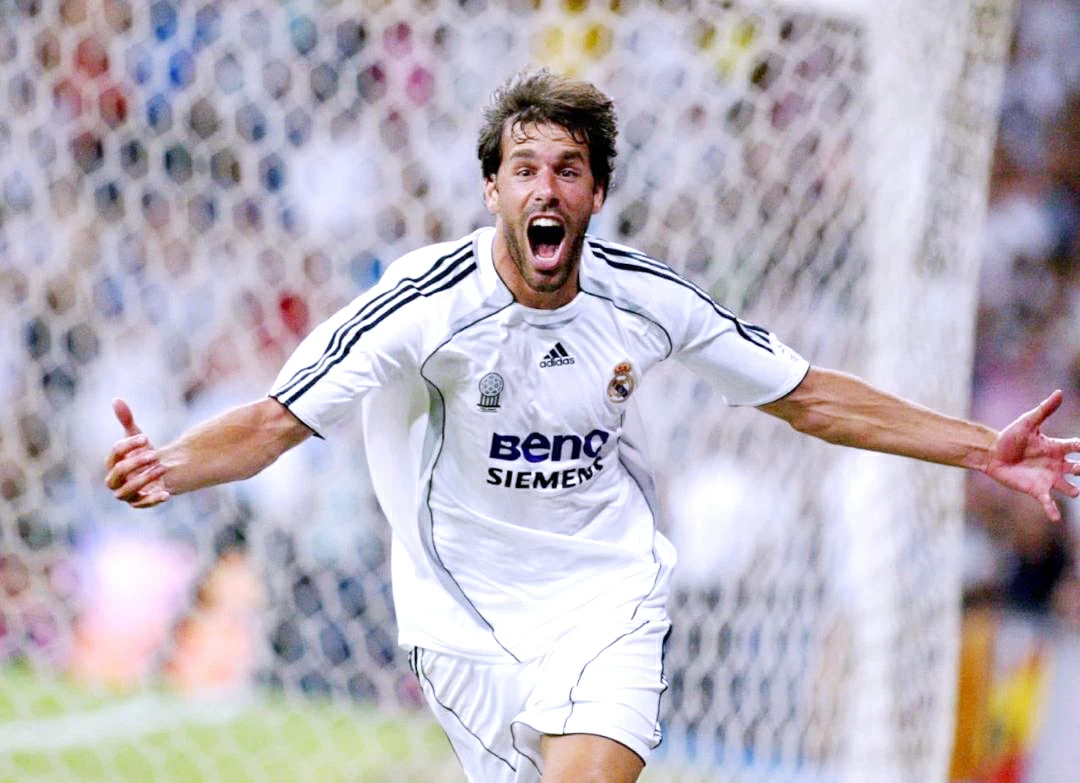
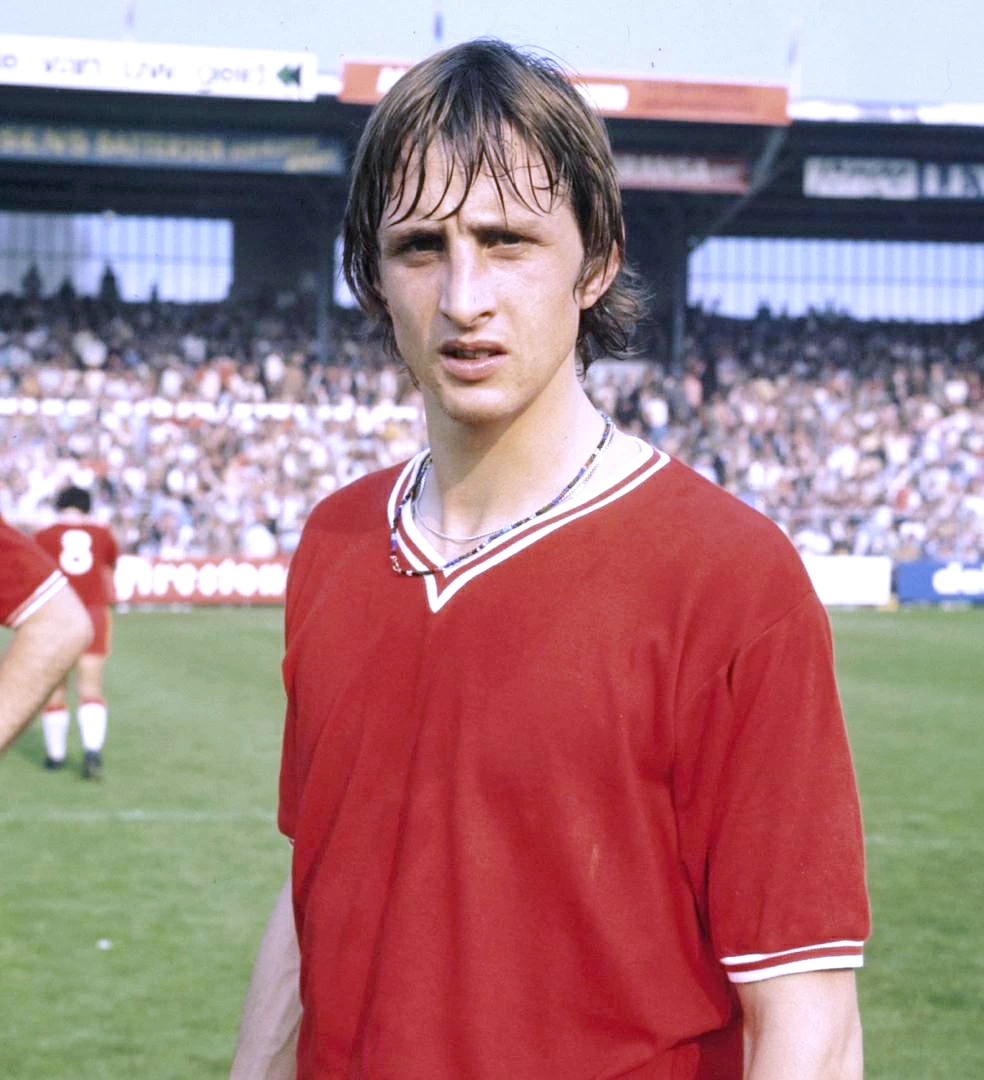
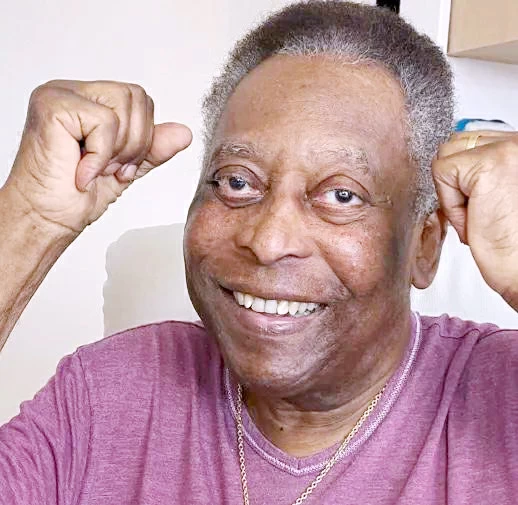
شهدت كرة القدم، عبر تاريخها، عودة عدد من النجوم إلى الملاعب بعد الاعتزال في حقبة زمنية سابقة، وقرر بعضهم كسر هذا القرار بدافع الشغف أو تلبية لنداء المنتخبات؛ ومن أبرز هؤلاء النجم الفرنسي زين الدين زيدان الذي عاد لقيادة منتخب بلاده في كأس العالم 2006، كما يعتبر الأسطورة البرازيلية بيليه مثالاً بارزاً بعد عودته للعب مع نادي نيويورك كوسموس، وفي هولندا عاد كل من آريين روبن إلى الملاعب بقميص غرونيغين، وكذلك رود فان نيستلروي الذي تراجع عن اعتزاله الدولي للمشاركة في البطولات الكبرى، وقبلهم الأسطورة يوهان كرويف الذي عاد بعد فترة قصيرة من اعتزاله، أما في ألمانيا فقد لبى توني كروس نداء منتخب بلاده وعاد بعد الاعتزال الدولي، بينما في إنجلترا شكّل بول سكولز حالة فريدة عندما عاد لدعم فريقه في وقت حرج، كما شهدت الملاعب العربية عودة بعض اللاعبين أمثال فيصل خليل الذي عاد إلى الملاعب عام 2019 بعد نحو ست سنوات من الاعتزال، وكذلك عماد متعب الذي أعلن الاعتزال ثم عاد لفترة قصيرة قبل أن ينهي مسيرته نهائياً، وفي أفريقيا عاد صامويل إيتو لقيادة منتخب بلاده في مونديال 2014.
وحول قصة الاعتزال والعودة يقول الاستشاري النفسي والمهتم بالشأن الرياضي الدكتور محمد حامد لـ«عكاظ»: قرار الاعتزال في كرة القدم ليس دائماً نهاية الطريق، بل قد يكون مجرد محطة مؤقتة يعود بعدها اللاعب بدوافع مختلفة تجمع بين الحب والمسؤولية والرغبة في كتابة نهاية مختلفة لمسيرته، والسبب الأبرز هو الشغف العميق باللعبة، فالكثير من اللاعبين يجدون صعوبة في التكيف مع الحياة خارج المستطيل الأخضر بعد سنوات طويلة من المنافسة والضغوط، كما أن بعضهم يعود بدافع المسؤولية، كما حدث مع بعض اللاعبين الذين لبوا نداء منتخبات بلادهم، وهناك أيضاً أسباب تتعلق بعدم الرضى عن نهاية المسيرة، فيسعى اللاعب لكتابة «فصل أخير» أكثر إشراقاً، أو لتحقيق إنجاز لم يكتمل سابقاً.
وقال إن الاعتزال يمثل صدمة نفسية لكثير من الرياضيين، إذ ينتقل اللاعب فجأة من حياة مليئة بالأضواء والتنافس إلى روتين هادئ، وهذا التحول قد يولد شعوراً بالفراغ أو فقدان الهوية، خصوصاً لمن ارتبطت شخصيتهم بكرة القدم منذ الصغر، والعودة هنا تكون نوعاً من استعادة الذات، أو محاولة لإغلاق الدائرة النفسية بشكل أفضل. وعن مدى تقبّل الجماهير يواصل الدكتور محمد حامد: «الجماهير غالباً تستقبل عودة النجوم بحفاوة كبيرة، خصوصاً إذا كانوا من الأسماء التاريخية، لكن هذا الترحيب ليس مطلقاً، فالتوقعات المرتفعة قد تتحول سريعاً إلى انتقادات إذا لم يظهر اللاعب بالمستوى المنتظر، مما يضع العائد تحت ضغط مضاعف، وفي معظم الحالات يتأثر الأداء الفني بسبب التقدم في العمر وفقدان نسق المباريات، لكن هناك استثناءات حين يحافظ بعض اللاعبين على مستوى جيد بفضل خبرتهم الكبيرة وذكائهم التكتيكي، فاللاعب العائد قد لا يكون بنفس السرعة أو اللياقة، لكنه يعوض ذلك بالتمركز الجيد وصناعة اللعب وقراءة المباراة، لذلك النجاح بعد العودة يعتمد على كيفية توظيفه داخل الفريق».
وعن سؤال: هل يسمح القانون الرياضي بالعودة؟ خلص الدكتور محمد حامد إلى القول: «نعم، لا توجد قوانين تمنع اللاعب من العودة بعد الاعتزال، لأن الاعتزال ليس إجراءً قانونياً ملزماً بقدر ما هو قرار شخصي، ويمكن لأي لاعب التسجيل مجدداً في ناد أو منتخب طالما استوفى الشروط البدنية والإدارية، لكن في بعض الحالات، خصوصاً على المستوى الدولي، قد تتطلب العودة موافقة الجهاز الفني والالتزام بلوائح الاتحادات، وهو ما يفسر أن بعض قرارات العودة تكون استثنائية وليست شائعة».
Football has witnessed, throughout its history, the return of several stars to the pitch after retiring in a previous era. Some of them decided to break this decision out of passion or in response to the call of their national teams. Among the most notable is the French star Zinedine Zidane, who returned to lead his national team in the 2006 World Cup. The Brazilian legend Pelé is also a prominent example after returning to play with the New York Cosmos. In the Netherlands, both Arjen Robben returned to the pitch wearing the Groningen jersey, as did Ruud van Nistelrooy, who reversed his international retirement to participate in major tournaments. Before them, the legend Johan Cruyff returned shortly after his retirement. In Germany, Toni Kroos answered the call of his national team and returned after international retirement, while in England, Paul Scholes formed a unique case when he returned to support his team at a critical time. The Arab stadiums also witnessed the return of some players, such as Faisal Khalil, who returned to the pitch in 2019 after nearly six years of retirement, as well as Emad Meteb, who announced his retirement and then returned for a short period before finally ending his career. In Africa, Samuel Eto'o returned to lead his national team in the 2014 World Cup.
Regarding the story of retirement and return, psychological consultant and sports enthusiast Dr. Mohamed Hamid told "Okaz": The decision to retire in football is not always the end of the road; it can be merely a temporary stop after which the player returns for various reasons that combine love, responsibility, and the desire to write a different ending to their career. The most prominent reason is the deep passion for the game. Many players find it difficult to adapt to life outside the green rectangle after long years of competition and pressure. Some return out of a sense of responsibility, as happened with some players who answered the call of their national teams. There are also reasons related to dissatisfaction with the end of their career, leading the player to seek to write a "final chapter" that is more radiant or to achieve an incomplete accomplishment.
He stated that retirement represents a psychological shock for many athletes, as the player suddenly transitions from a life full of lights and competition to a quiet routine. This shift can generate feelings of emptiness or loss of identity, especially for those whose personalities have been tied to football since childhood. The return here can be a way of reclaiming oneself or an attempt to close the psychological circle in a better way. Regarding the extent of audience acceptance, Dr. Mohamed Hamid continues: "Fans often welcome the return of stars with great enthusiasm, especially if they are from historical names. However, this welcome is not absolute; high expectations can quickly turn into criticism if the player does not perform at the expected level, placing additional pressure on the returnee. In most cases, performance is affected by aging and loss of match rhythm, but there are exceptions when some players maintain a good level thanks to their vast experience and tactical intelligence. The returning player may not be as fast or fit, but compensates for that with good positioning, playmaking, and reading the game. Therefore, success after returning depends on how they are utilized within the team."
When asked: Does sports law allow for a return? Dr. Mohamed Hamid concluded by saying: "Yes, there are no laws preventing a player from returning after retirement, as retirement is not a legally binding procedure as much as it is a personal decision. Any player can register again with a club or national team as long as they meet the physical and administrative conditions. However, in some cases, especially at the international level, returning may require the approval of the coaching staff and adherence to federation regulations, which explains why some return decisions are exceptional and not common."