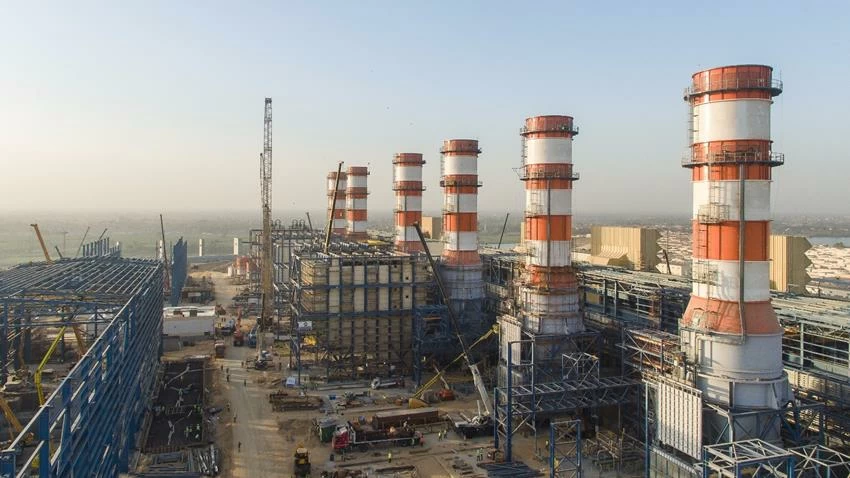
قفزت فاتورة الوقود المسلّم إلى محطات الكهرباء في مصر خلال شهري فبراير ومارس الماضيين بنحو 87.5% إلى 60 مليار جنيه، وذلك مقابل 32 مليار جنيه بالفترة المماثلة من العام الماضي، مدفوعةً بالتداعيات المباشرة للحرب في إيران، وذلك بحسب ما نشرته مواقع إخبارية.
وأرجع مسؤولون حكوميون، تحدثوا شريطة عدم الكشف عن هوياتهم، أسباب ارتفاع فاتورة الوقود إلى الارتفاعات الحادة في أسعار الغاز والنفط في ظل اضطراب غير مسبوق بأسواق الطاقة العالمية، حيث دفعت حرب إيران أسعار النفط لتتجاوز مستوى 100 دولار للبرميل، ما انعكس بشكل مباشر على تكلفة استيراد المواد البترولية في مصر.
سد الفجوة
وارتفعت فاتورة استيراد الوقود خلال مارس الماضي بنسبة 56% إلى نحو 1.2 مليار دولار، مُقارنةً بنحو 767 مليون دولار قبل اندلاع الحرب.
وتستورد مصر نحو مليون طن شهرياً من المنتجات البترولية لسد الفجوة بين الإنتاج والاستهلاك المحلي، موزعة بواقع 600 ألف طن سولار، و230 ألف طن بنزين، و170 ألف طن بوتاجاز.
وتستهلك البلاد منتجات بترولية سنوياً بقيمة تقارب تريليون جنيه (نحو 20 مليار دولار)، يذهب نحو 60% منها لتشغيل محطات توليد الكهرباء. ما يُشير إلى أن أسعار الكهرباء الحالية تقل بنحو 75% عن التكلفة الفعلية.
حجم المديونيات
وأوضح أحد المسؤولين أن وزارة الكهرباء تتحمل جزءاً من تكلفة فاتورة الوقود المستخدم في تشغيل محطات التوليد، إذ تسدد نحو 8 مليارات جنيه شهرياً من إجمالي 30 مليار جنيه، فيما تتحمل وزارة المالية باقي المبلغ، على أن يُسجل كمديونية على وزارة الكهرباء.
وانعكست الزيادة الكبيرة بشكل مُباشر على حجم المديونيات بين قطاعي الكهرباء والبترول، لترتفع مستحقات قطاع البترول لدى الكهرباء إلى 390 مليار جنيه حتى الأول من أبريل الجاري، مدفوعة بارتفاع تكلفة الوقود خاصة الغاز الطبيعي المستورد، بحسب المسؤول.
The fuel bill delivered to electricity stations in Egypt jumped by about 87.5% during the months of February and March to 60 billion pounds, compared to 32 billion pounds during the same period last year, driven by the direct repercussions of the war in Iran, according to news sites.
Government officials, who spoke on condition of anonymity, attributed the rise in the fuel bill to sharp increases in gas and oil prices amid unprecedented turmoil in global energy markets, as the Iran war pushed oil prices to exceed $100 per barrel, which directly impacted the cost of importing petroleum products in Egypt.
Bridging the Gap
The fuel import bill rose in March by 56% to about $1.2 billion, compared to approximately $767 million before the outbreak of the war.
Egypt imports about one million tons of petroleum products monthly to bridge the gap between production and local consumption, distributed as follows: 600,000 tons of diesel, 230,000 tons of gasoline, and 170,000 tons of butane.
The country consumes petroleum products annually worth nearly one trillion pounds (about $20 billion), with around 60% of this amount going to operate electricity generation stations. This indicates that current electricity prices are about 75% lower than the actual cost.
Debt Volume
One official explained that the Ministry of Electricity bears part of the cost of the fuel bill used to operate the generation stations, as it pays about 8 billion pounds monthly out of a total of 30 billion pounds, while the Ministry of Finance covers the remaining amount, which is recorded as debt owed by the Ministry of Electricity.
The significant increase has directly reflected on the volume of debts between the electricity and petroleum sectors, with the dues of the petroleum sector from electricity rising to 390 billion pounds as of April 1, driven by the rising cost of fuel, especially imported natural gas, according to the official.