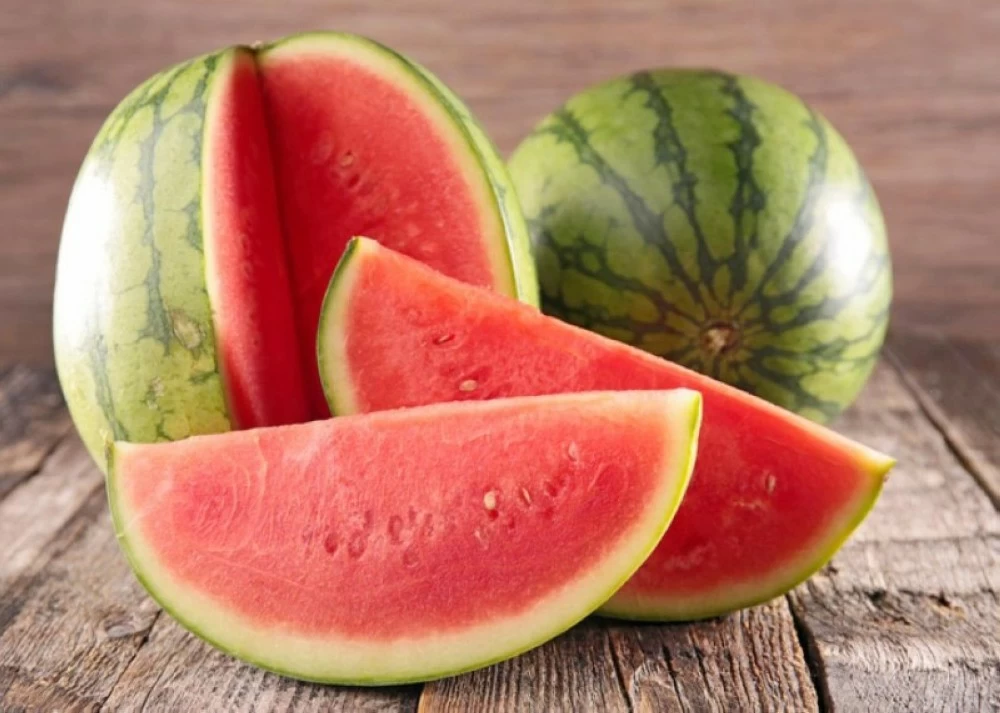
رغم أن البطيخ، الذي يُعرف بالحبحب، يعتبر من أكثر الفواكه المحببة والمنعشة، إلا أن توقيت تناوله قد يصنع فارقاً كبيراً لدى الرياضيين، فقبل ساعات من صافرة بداية المباراة تتحول بعض الخيارات الغذائية الصحية إلى عامل إرباك داخل الملعب، ويأتي (البطيخ) في مقدمتها، إذ ينصح المختصون في التغذية العلاجية اللاعبين بالابتعاد عن تناوله قبل المباريات، نظراً لاحتوائه على نسبة عالية من الماء تجعله مدراً للبول، ما قد يسبب إجهاداً للمثانة ويؤثر سلباً على تركيز اللاعب وأدائه أثناء اللقاء.
وفي هذا الإطار تقول أخصائية التغذية العلاجية الدكتورة فوزية كامل لـ«عكاظ»:
«اختيار نوعية الغذاء وتوقيت تناوله يمثلان عاملاً مهماً في جاهزية اللاعب البدنية والذهنية قبل المباريات، إذ إن بعض الأطعمة الصحية بطبيعتها قد تكون غير مناسبة في توقيتات معينة، ومن بينها (البطيخ) قبل خوض المباراة، فلا ينصح بتناوله قبل اللقاء بسبب محتواه العالي من الماء، حيث يحتوي البطيخ على نحو 90 –92% من الماء، ما يؤدي إلى زيادة امتلاء المثانة بشكل سريع، وبالتالي شعور اللاعب بالحاجة المتكررة إلى الذهاب لدورة المياه أثناء الإحماء أو خلال فترة اللقاء، وهو أمر قد يؤثر سلباً على التركيز والاستقرار الذهني داخل الملعب».
وأضافت أن السبب وراء الحاجة المتكررة لتفريغ المثانة بعد تناول (البطيخ) يعود إلى طبيعته المدرّة للبول، إضافة إلى قلة الألياف مقارنة بحجم السوائل الكبير الذي يدخله الجسم، ما يجعل امتصاص الماء سريعاً وإخراجه أسرع، وهو ما لا يتناسب مع متطلبات الأداء الرياضي قبل المباريات التي تحتاج إلى توازن السوائل وليس زيادتها المفاجئة.
وقالت: «إن البطيخ يعتبر من الفواكه المفيدة صحياً للجميع خارج أوقات المباريات، إذ يسهم في ترطيب الجسم، ويحتوي على مضادات أكسدة مثل الليكوبين، إضافة إلى فيتامينات مهمة كفيتامين C وA، كما يساعد في دعم صحة القلب وتحسين الدورة الدموية وتقليل الالتهابات العضلية، ما يجعله خياراً مناسباً بعد التمارين أو في الأيام العادية».
وعن النصيحة التي توجَّه للاعبين بضرورة تناول الموز والبرتقال بعد انتهاء المباراة، قالت:
«تناول الموز والبرتقال بعد الجهد البدني يعود إلى دورهما المهمين في تعويض ما يفقده الجسم من طاقة وأملاح معدنية، فالموز غني بالبوتاسيوم الذي يساعد في تقليل التشنجات العضلية وإعادة توازن السوائل، بينما يساهم البرتقال في تعويض فيتامين C والسوائل بطريقة معتدلة دون إرهاق الجهاز البولي».
وتقدم أخصائية التغذية العلاجية د. فوزية بعض النصائح المهمة للاعبين في ختام حديثها، وهي:
الالتزام بتوقيت الوجبات قبل المباريات بمدة كافية، تجنُّب الأطعمة والمشروبات ذات المحتوى المائي العالي مباشرة قبل اللعب، التركيز على الكربوهيدرات المعقدة والبروتينات الخفيفة قبل المباريات، تعويض السوائل بشكل متوازن أثناء وبعد المباراة، وبعد انتهاء المباراة يجب تغيير الملابس والاستحمام للحفاظ على نظافة الجسم وتفادي الالتهابات الجلدية، الابتعاد عن الأطعمة الثقيلة واستبدالها بخيارات غذائية سهلة الهضم، النوم جيداً فذلك يعتبر عنصراً أساسياً في عملية التعافي، ويساهم في استعادة النشاط البدني والذهني.
Although watermelon, known as "habhab," is considered one of the most beloved and refreshing fruits, the timing of its consumption can make a significant difference for athletes. Just hours before the whistle blows to start the match, some healthy food choices can become a source of confusion on the field, with watermelon being at the forefront. Nutrition specialists advise players to avoid consuming it before matches due to its high water content, which acts as a diuretic, potentially stressing the bladder and negatively affecting the player's concentration and performance during the game.
In this context, clinical nutrition specialist Dr. Fawzia Kamel told "Okaz":
“Choosing the type of food and the timing of its consumption is an important factor in the physical and mental readiness of the player before matches. Some foods that are healthy by nature may not be suitable at certain times, including watermelon before a match. It is not recommended to consume it before the game due to its high water content, as watermelon contains about 90-92% water, which leads to a rapid filling of the bladder, causing the player to feel the need to go to the restroom frequently during warm-up or during the match itself. This can negatively impact focus and mental stability on the field.”
She added that the reason behind the frequent need to empty the bladder after consuming watermelon is due to its diuretic nature, along with the low fiber content compared to the large volume of fluids entering the body, which makes water absorption quick and its excretion even faster. This does not align with the fluid balance requirements needed for athletic performance before matches, which require stability rather than sudden increases in fluid intake.
She stated: “Watermelon is considered a healthful fruit for everyone outside of match times, as it helps hydrate the body and contains antioxidants such as lycopene, in addition to important vitamins like C and A. It also supports heart health, improves blood circulation, and reduces muscle inflammation, making it a suitable choice after workouts or on regular days.”
Regarding the advice given to players to consume bananas and oranges after the match, she said:
“Eating bananas and oranges after physical exertion is due to their important roles in replenishing what the body loses in energy and minerals. Bananas are rich in potassium, which helps reduce muscle cramps and restore fluid balance, while oranges help replace vitamin C and fluids in a moderate way without overloading the urinary system.”
Clinical nutrition specialist Dr. Fawzia offered some important tips for players at the end of her talk, which are:
Adhere to meal timings before matches with sufficient time, avoid foods and drinks with high water content immediately before playing, focus on complex carbohydrates and light proteins before matches, balance fluid intake during and after the match, change clothes and shower after the match to maintain body cleanliness and avoid skin infections, steer clear of heavy foods and replace them with easily digestible options, and ensure good sleep as it is a fundamental element in the recovery process, contributing to the restoration of physical and mental activity.