بدأت شركات طيران في آسيا وأوروبا رفع أسعار التذاكر وإضافة رسوم وقود إضافية، إلى جانب تعديل جداول الرحلات، في ظل الارتفاع الحاد في أسعار وقود الطائرات نتيجة تصاعد الصراع في الشرق الأوسط وتأثيره على مسارات الطيران الحيوية.
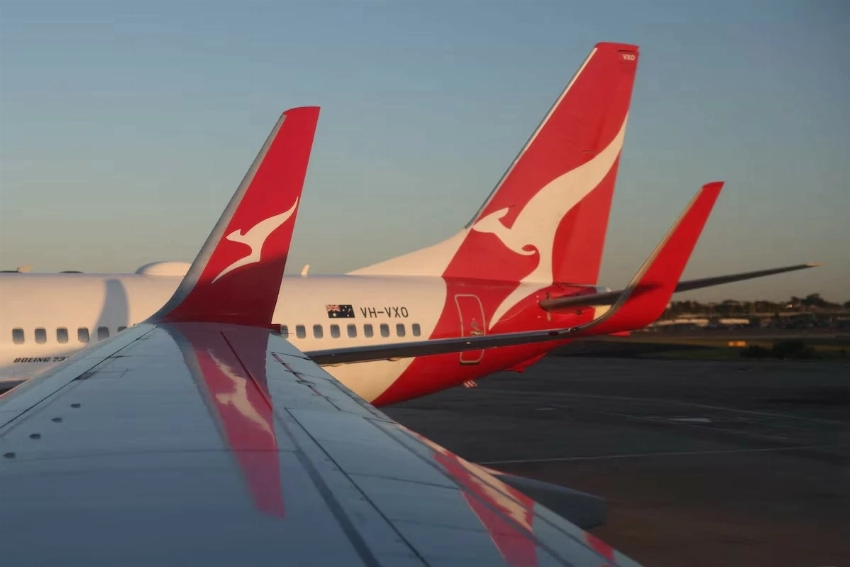
وأعلنت عدة شركات طيران، من بينها الأسترالية Qantas والنيوزيلندية Air New Zealand وشركة SAS الاسكندنافية، عن زيادات في الأسعار أو تغييرات تشغيلية، في حين حذرت شركات أخرى من أن استمرار الأزمة قد يهدد إمدادات الوقود ويؤدي إلى مزيد من التعديلات في جداول الرحلات.
قفزة كبيرة في أسعار الوقود
وتشير بيانات شركات الطيران إلى أن أسعار وقود الطائرات ارتفعت بشكل حاد منذ اندلاع المواجهات الأخيرة. فبعد أن كانت تتراوح بين 85 و90 دولارًا للبرميل قبل الضربات الأمريكية الإسرائيلية على إيران، قفزت إلى ما بين 150 و200 دولار للبرميل.
شركات الطيران ترفع الأسعار وتعدل الرحلات مع تحذير من تأثير استمرار الأزمة على إمدادات الوقود.
وأدى هذا الارتفاع الكبير إلى زيادة تكاليف التشغيل لدى شركات الطيران، ما دفع بعضها إلى تعليق توقعاته المالية لعام 2026 بسبب حالة عدم اليقين المرتبطة بتطورات الصراع.
وقال متحدث باسم شركة SAS الاسكندنافية، إن الارتفاع الكبير في أسعار الوقود فرض على الشركة اتخاذ إجراءات سريعة للحفاظ على استقرار عملياتها، موضحًا أن الشركة طبقت تعديلاً مؤقتًا في الأسعار للتعامل مع التكاليف المتزايدة.
إجراءات مختلفة بين شركات الطيران
وتعتمد بعض شركات الطيران الأوروبية والآسيوية، مثل لوفتهانزاو ريان إير، على برامج تحوط لأسعار الوقود تتيح لها شراء جزء من احتياجاتها بأسعار ثابتة، ما يوفر حماية نسبية من التقلبات الحادة في السوق.
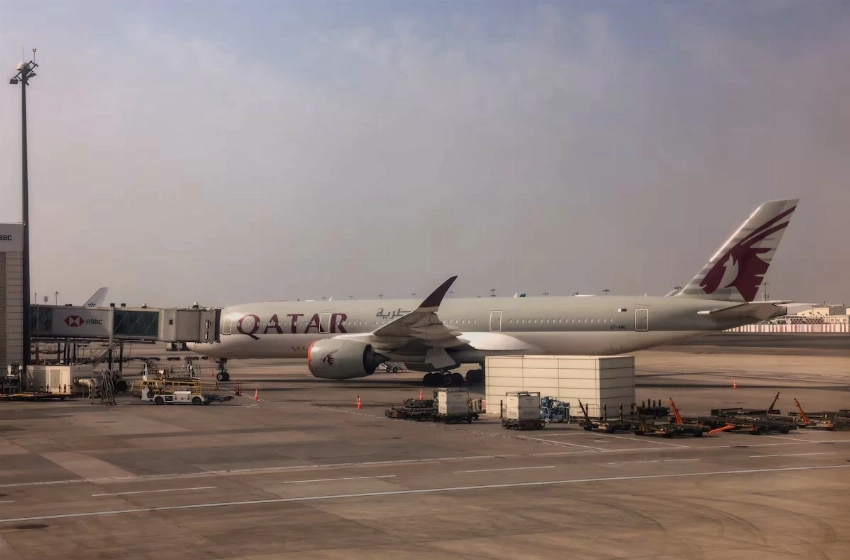
في المقابل، حذرت شركة فين إير (Finnair) من أن استمرار الصراع لفترة طويلة قد يؤثر ليس فقط على أسعار الوقود بل أيضًا على توافره في الأسواق العالمية، خصوصا مع خفض إنتاج بعض الدول المصدرة مثل الكويت، التي تعد من الموردين الرئيسيين لوقود الطائرات في أوروبا.
اضطراب المجال الجوي
إلى جانب ارتفاع التكاليف، يواجه قطاع الطيران تحديات إضافية بسبب اضطراب المجال الجوي في المنطقة، فقد اضطرت بعض الطائرات المتجهة إلى دبي إلى التحليق في مسارات انتظار مؤقتة، أمس (الثلاثاء) بعد رصد تهديد محتمل بصواريخ، قبل أن يسمح لها بالهبوط لاحقًا.
ويؤدي إغلاق بعض الأجواء أو تجنبها إلى إطالة مسارات الرحلات وزيادة استهلاك الوقود، ما يضاعف الضغط على شركات الطيران.
شركات الطيران ترفع الأسعار وتعدل الرحلات مع تحذير من تأثير استمرار الأزمة على إمدادات الوقود.
تغييرات في الشبكات الجوية
وبدأت شركات الطيران بالفعل إعادة ترتيب شبكاتها الجوية. فقد أعلنت شركة الطيران الأسترالية كانتاس (Qantas) أنها تدرس إعادة توزيع بعض رحلاتها باتجاه أوروبا، بينما قررت شركة كاثاي باسيفيك (Cathay Pacific) زيادة عدد الرحلات إلى لندن وزيورخ خلال مارس، مستفيدة من ارتفاع الطلب على خطوط آسيا–أوروبا.
كما أعلنت شركة طيران نيوزيلندا رفع أسعار التذاكر على عدد من المسارات، مع تحذير من احتمال إدخال زيادات إضافية أو تعديل الجداول إذا استمرت أسعار الوقود عند مستوياتها المرتفعة.
وفي السياق نفسه، قررت خطوط هونغ كونغ الجوية، رفع رسوم الوقود بنسبة تصل إلى 35% اعتبارًا من الخميس، بينما أعلنت الخطوط الجوية الهندية بدء زيادة تدريجية في رسوم الوقود على الرحلات المحلية والدولية.
ضغوط على قطاع الطيران العالمي
ويرى محللون أن ارتفاع تكاليف الوقود قد يدفع شركات الطيران إلى إبطاء خطط التوسع وزيادة أسعار التذاكر للحفاظ على هوامش الأرباح.
كما أن تضييق المجال الجوي بسبب النزاعات الجيوسياسية، إضافة إلى الحرب في أوكرانيا التي أجبرت العديد من الشركات الأوروبية على تجنب الأجواء الروسية، يزيد من تعقيد العمليات التشغيلية ويحد من المسارات المتاحة.
ومع استمرار الطلب القوي على السفر عالميًا، خصوصا خلال مواسم العطلات، يتوقع خبراء أن يتمكن السوق جزئيًا من استيعاب ارتفاع الأسعار، لكن مستقبل القطاع سيظل مرتبطًا بدرجة كبيرة بتطورات الصراع في الشرق الأوسط وأسواق الطاقة العالمية.
Airlines in Asia and Europe have started raising ticket prices and adding additional fuel charges, along with adjusting flight schedules, amid the sharp rise in aircraft fuel prices due to the escalating conflict in the Middle East and its impact on vital flight routes.
Several airlines, including Australia's Qantas, New Zealand's Air New Zealand, and Scandinavian airline SAS, have announced price increases or operational changes, while other companies have warned that the ongoing crisis could threaten fuel supplies and lead to further adjustments in flight schedules.
Significant Jump in Fuel Prices
Data from airlines indicates that aircraft fuel prices have surged sharply since the outbreak of recent confrontations. After hovering between $85 and $90 per barrel before the U.S.-Israeli strikes on Iran, prices jumped to between $150 and $200 per barrel.
شركات الطيران ترفع الأسعار وتعدل الرحلات مع تحذير من تأثير استمرار الأزمة على إمدادات الوقود.
This significant rise has increased operational costs for airlines, prompting some to suspend their financial forecasts for 2026 due to the uncertainty surrounding the developments of the conflict.
A spokesperson for Scandinavian airline SAS stated that the sharp rise in fuel prices has forced the company to take swift action to maintain the stability of its operations, explaining that the company has implemented a temporary price adjustment to deal with the rising costs.
Different Measures Among Airlines
Some European and Asian airlines, such as Lufthansa and Ryanair, rely on fuel price hedging programs that allow them to purchase part of their fuel needs at fixed prices, providing relative protection from sharp market fluctuations.
In contrast, Finnair has warned that a prolonged conflict could affect not only fuel prices but also its availability in global markets, especially with some exporting countries like Kuwait, a major supplier of aviation fuel in Europe, reducing production.
Airspace Disruptions
In addition to rising costs, the aviation sector faces additional challenges due to airspace disruptions in the region. Some flights heading to Dubai had to fly in temporary holding patterns yesterday (Tuesday) after a potential missile threat was detected, before being allowed to land later.
The closure or avoidance of certain airspaces leads to longer flight routes and increased fuel consumption, further intensifying pressure on airlines.
شركات الطيران ترفع الأسعار وتعدل الرحلات مع تحذير من تأثير استمرار الأزمة على إمدادات الوقود.
Changes in Air Networks
Airlines have already begun rearranging their air networks. Australian airline Qantas announced that it is considering reallocating some of its flights toward Europe, while Cathay Pacific has decided to increase the number of flights to London and Zurich in March, benefiting from the rising demand for Asia-Europe routes.
New Zealand Airlines also announced an increase in ticket prices on several routes, warning of the possibility of further increases or schedule adjustments if fuel prices remain at high levels.
In the same context, Hong Kong Airlines decided to raise fuel charges by up to 35% starting Thursday, while Air India announced the beginning of a gradual increase in fuel charges for domestic and international flights.
Pressure on the Global Aviation Sector
Analysts believe that rising fuel costs may push airlines to slow down expansion plans and increase ticket prices to maintain profit margins.
Additionally, the tightening of airspace due to geopolitical conflicts, along with the war in Ukraine that has forced many European companies to avoid Russian airspace, complicates operational processes and limits available routes.
With strong demand for travel globally continuing, especially during holiday seasons, experts expect the market to partially absorb the price increases, but the future of the sector will remain heavily linked to developments in the Middle East conflict and global energy markets.