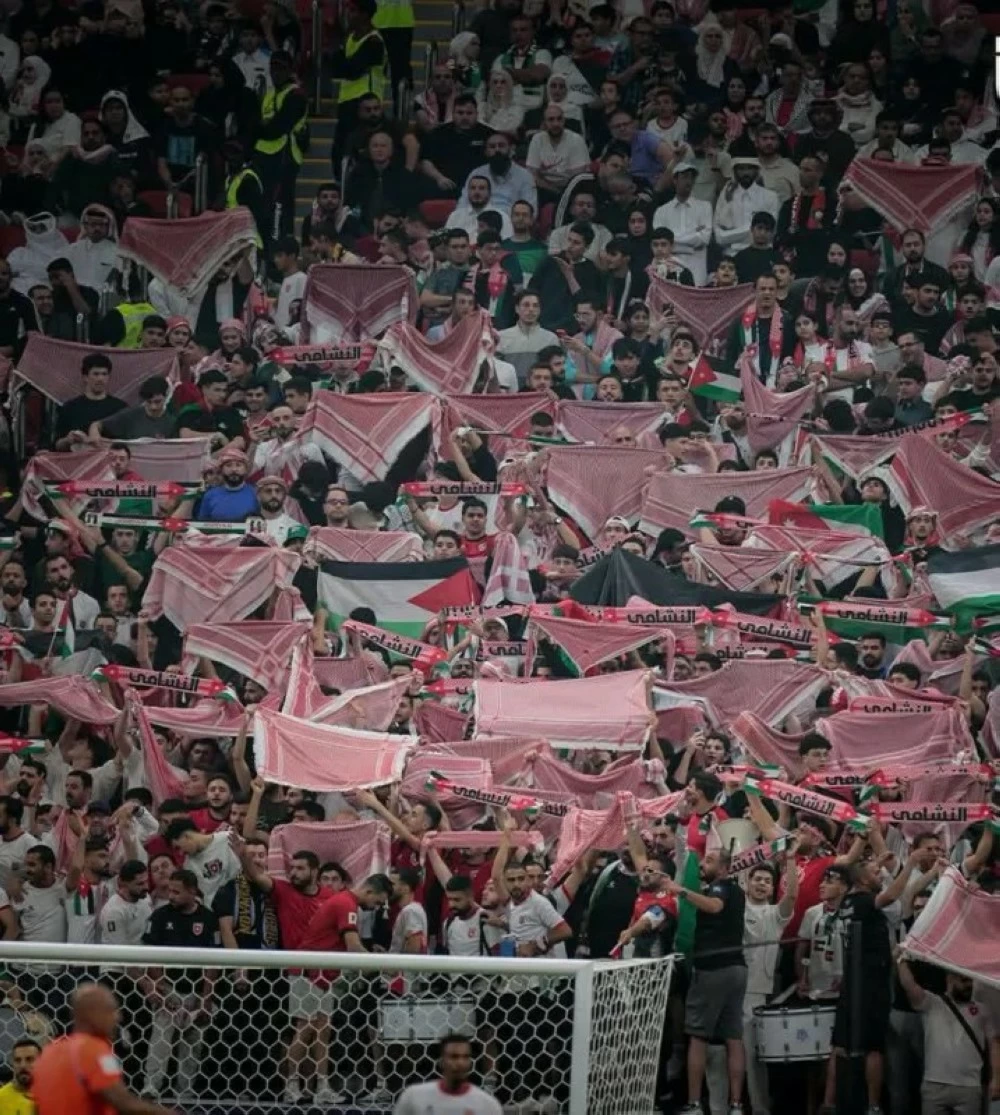
في مدرجات المواجهة التي جمعت المنتخب الأردني بالمنتخب السعودي، رفع جمهور الأردن الشماغ الأحمر والأبيض في مشهد لافت حمل دلالات ثقافية تتجاوز الإطار الرياضي.
الصورة جذبت الانتباه بوصفها تعبيراً جماعياً عن الهوية، وأعادت الشماغ إلى الواجهة رمزاً عربياً حاضراً في الوعي الجمعي، ارتبط تاريخياً ببيئة الجزيرة العربية وانتقل إلى الأوطان العربية عبر هجرات متتابعة.
هذا المشهد يتقاطع مع ما طرحه أستاذ الآثار واللغات القديمة في حضارة بلاد الرافدين والخليج العربي بولاية غرب أستراليا الأستاذ الدكتور قصي منصور التركي، في دراسته المتخصصة حول أصل الشماغ ودلالته الحضارية. الدراسة تشير إلى أن الشماغ يعود في جذوره اللغوية والثقافية إلى الجزيرة العربية، ضمن ما يُعرف بعائلة اللغات الجزرية العربية القديمة، التي انحدرت منها العربية والأكدية وغيرها من لغات الشرق الأدنى القديم.
ووفق الطرح الأكاديمي، ارتبط لفظ الشماغ منذ الألف الثالث قبل الميلاد بمعاني الشموخ والعلو والمكانة الرفيعة، كما وثقته النصوص الأكدية والكتابات المسمارية، إضافة إلى شواهد أثرية أظهرت حضوره في أزياء الحكام والكهنة في حضارات بلاد الرافدين، مع ارتباطه الوثيق بثقافة الجزيرة العربية والخليج.
رفع الشماغ في المدرج الأردني جاء امتداداً لهذا المسار التاريخي، حيث حوّل الجمهور قطعة القماش إلى رسالة بصرية جامعة، تؤكد الانتماء وتستحضر ذاكرة ثقافية عميقة. المدرج تحوّل إلى مساحة تعبير يلتقي فيها الحاضر الرياضي مع الجذور الحضارية.
الشماغ حافظ عبر العصور على اسمه ووظيفته ودلالته الرمزية، وانتقل من الجزيرة العربية، وتحديداً من أرض المملكة العربية السعودية الحالية، بين الأقاليم مع احتفاظه بمعناه المرتبط بالرفعة والهوية. وفي مدرجات الدوحة، عاد الرمز إلى الظهور محمولاً بأيدي الجمهور، ليؤكد أن كرة القدم تملك قدرة خاصة على استدعاء التاريخ وتحويله إلى صورة حيّة في لحظة واحدة.
In the stands of the match that brought together the Jordanian national team and the Saudi national team, the audience of Jordan raised the red and white keffiyeh in a striking scene that carried cultural connotations that go beyond the sports framework.
The image attracted attention as a collective expression of identity, bringing the keffiyeh back to the forefront as an Arab symbol present in the collective consciousness, historically linked to the environment of the Arabian Peninsula and transferred to Arab homelands through successive migrations.
This scene intersects with what was presented by Professor Qusai Mansour Al-Turki, a professor of archaeology and ancient languages in the civilization of Mesopotamia and the Arabian Gulf in Western Australia, in his specialized study on the origin of the keffiyeh and its cultural significance. The study indicates that the keffiyeh traces its linguistic and cultural roots back to the Arabian Peninsula, within what is known as the family of ancient Arabic island languages, from which Arabic, Akkadian, and other languages of the ancient Near East descended.
According to the academic proposal, the term keffiyeh has been associated since the third millennium BC with meanings of pride, elevation, and high status, as documented in Akkadian texts and cuneiform writings, in addition to archaeological evidence showing its presence in the attire of rulers and priests in the civilizations of Mesopotamia, closely linked to the culture of the Arabian Peninsula and the Gulf.
The raising of the keffiyeh in the Jordanian stands came as an extension of this historical trajectory, where the audience transformed the piece of fabric into a unifying visual message, affirming belonging and evoking a deep cultural memory. The stands turned into a space of expression where the current sports moment meets the civilizational roots.
The keffiyeh has maintained its name, function, and symbolic significance throughout the ages, moving from the Arabian Peninsula, specifically from the land of the current Kingdom of Saudi Arabia, across regions while retaining its meaning associated with elevation and identity. In the stands of Doha, the symbol re-emerged, carried by the hands of the audience, confirming that football has a unique ability to summon history and transform it into a living image in a single moment.