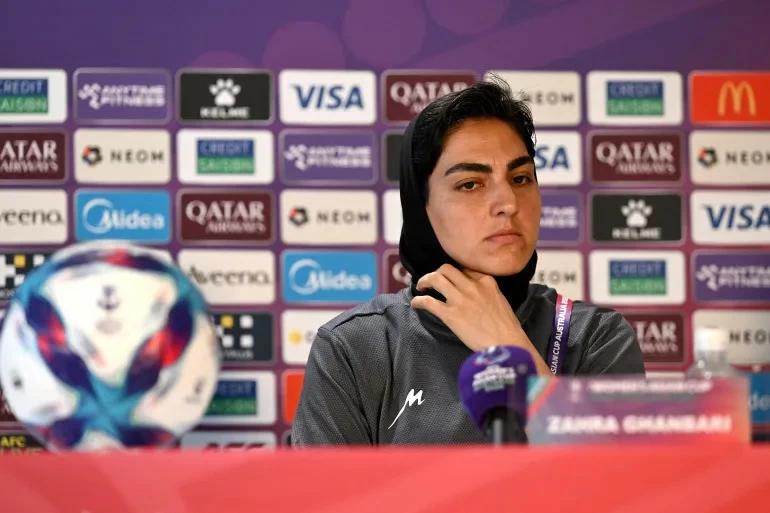
كشفت تقارير إعلامية عن قيام السلطات القضائية في إيران بالإفراج عن أصول قائدة المنتخب الإيراني لكرة القدم النسائية، زهرة غنابري، بعد أن كانت قد خضعت للمصادرة على خلفية تقدمها بطلب لجوء في أستراليا خلال الشهر الماضي، قبل أن تتراجع عنه لاحقاً.
ونقلت التقارير عن وكالة «ميزان» التابعة للسلطة القضائية أن قرار الإفراج جاء بقرار قضائي، موضحة أنه تم رفع الحجز عن أصول اللاعبة بعد «إعلان براءتها» على حد وصفها، عقب ما اعتبرته السلطات «تغيراً في سلوكها».
ويأتي هذا التطور بعد يومين فقط من نشر وسائل إعلام إيرانية قائمة بأشخاص وُصفوا بـ«الخونة»، جرى تجميد أصولهم بأوامر قضائية عقب اندلاع الحرب مع إسرائيل والولايات المتحدة في 28 فبراير، وورد اسم غنابري ضمن تلك القائمة، دون أن يتضح توقيت صدور قرار تجميد أصولها بشكل محدد.
وكانت غنابري قد كانت ضمن مجموعة تضم ست لاعبات وعضواً واحداً من الجهاز الإداري في المنتخب، تقدموا بطلبات لجوء في أستراليا خلال شهر مارس، عقب مشاركتهم في كأس آسيا لكرة القدم للسيدات، وفي سياق متزامن مع اندلاع الحرب. غير أن خمساً من هؤلاء، من بينهن غنابري، تراجعن لاحقاً عن طلب اللجوء وعدن إلى إيران برفقة بقية بعثة المنتخب، واستُقبلن لاحقاً استقبالاً رسمياً خلال احتفال أُقيم في العاصمة طهران بتاريخ 19 مارس.
Media reports revealed that the judicial authorities in Iran have released the assets of the captain of the Iranian women's national football team, Zahra Ghanbari, after they had been confiscated due to her application for asylum in Australia last month, which she later retracted.
Reports from the "Mizan" agency, affiliated with the judiciary, indicated that the release decision was made by a judicial order, clarifying that the seizure of the player's assets was lifted after her "exoneration," as described by them, following what the authorities considered a "change in her behavior."
This development comes just two days after Iranian media published a list of individuals described as "traitors," whose assets were frozen by judicial orders following the outbreak of war with Israel and the United States on February 28, with Ghanbari's name included in that list, although the exact timing of the asset freeze decision remains unclear.
Ghanbari was part of a group of six players and one member of the administrative staff of the team who applied for asylum in Australia during March, following their participation in the Women's Asian Cup, coinciding with the outbreak of war. However, five of them, including Ghanbari, later retracted their asylum requests and returned to Iran with the rest of the team delegation, where they were officially welcomed during a celebration held in the capital, Tehran, on March 19.