


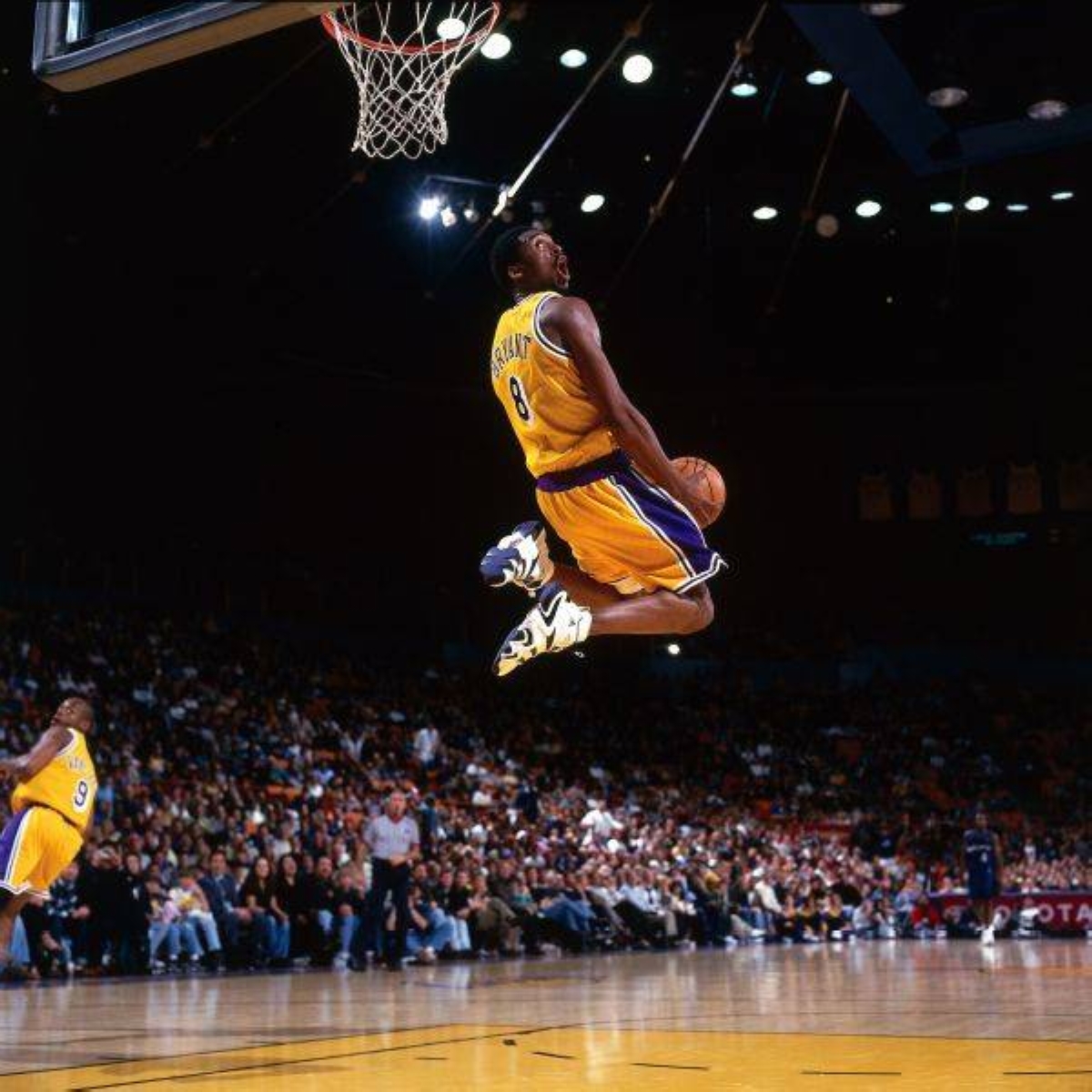

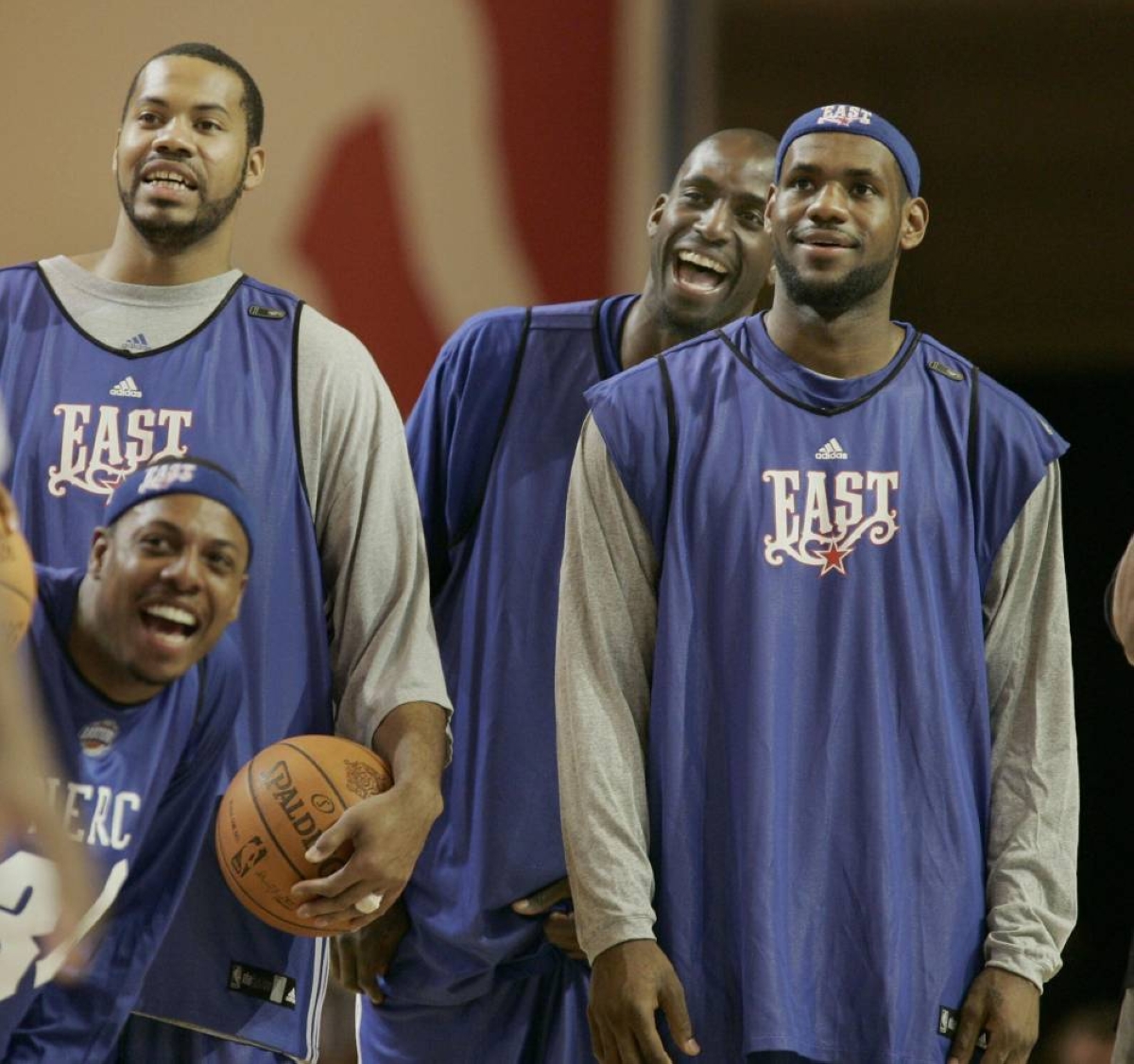
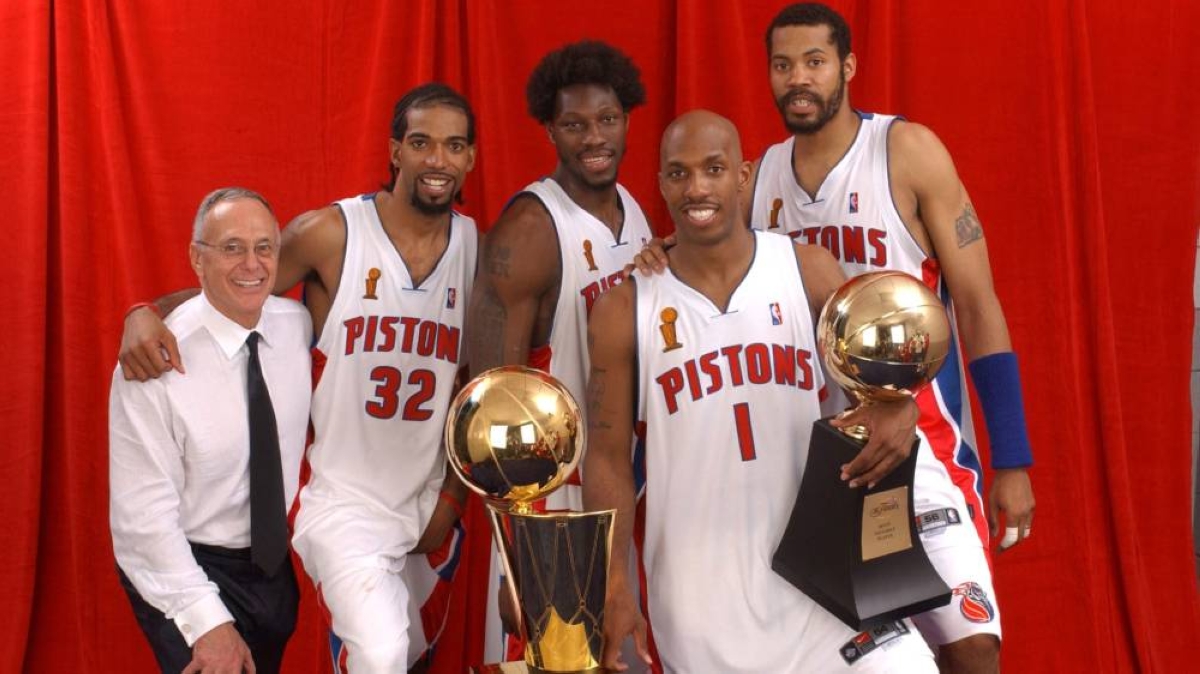
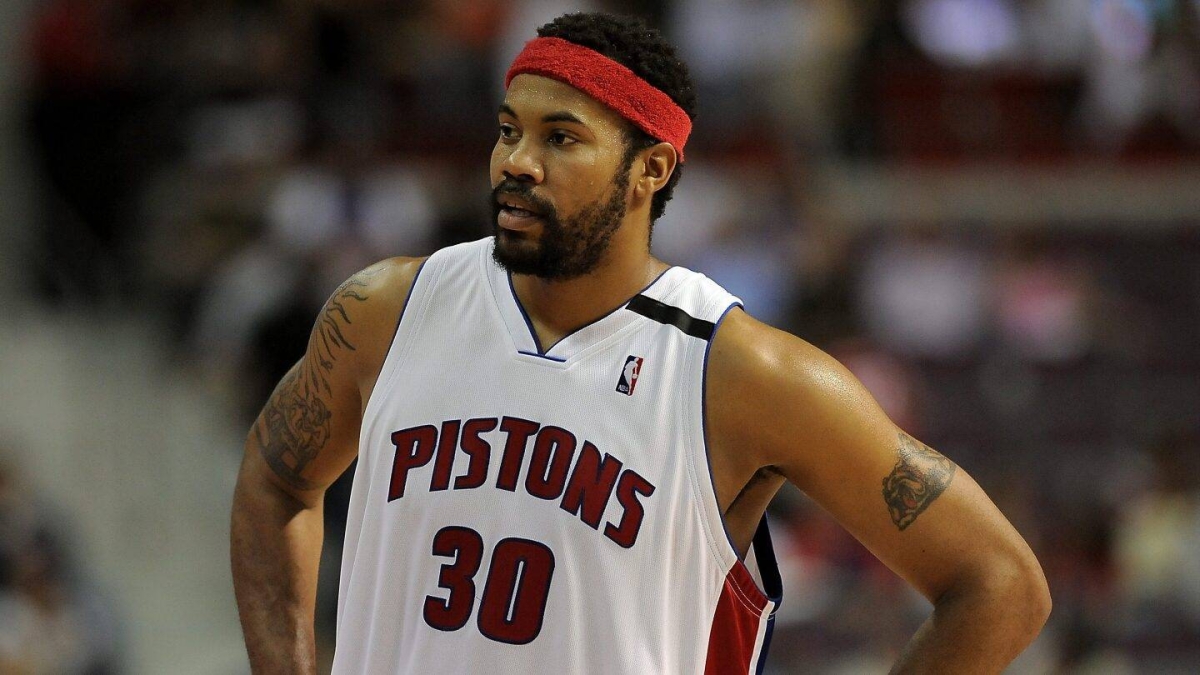
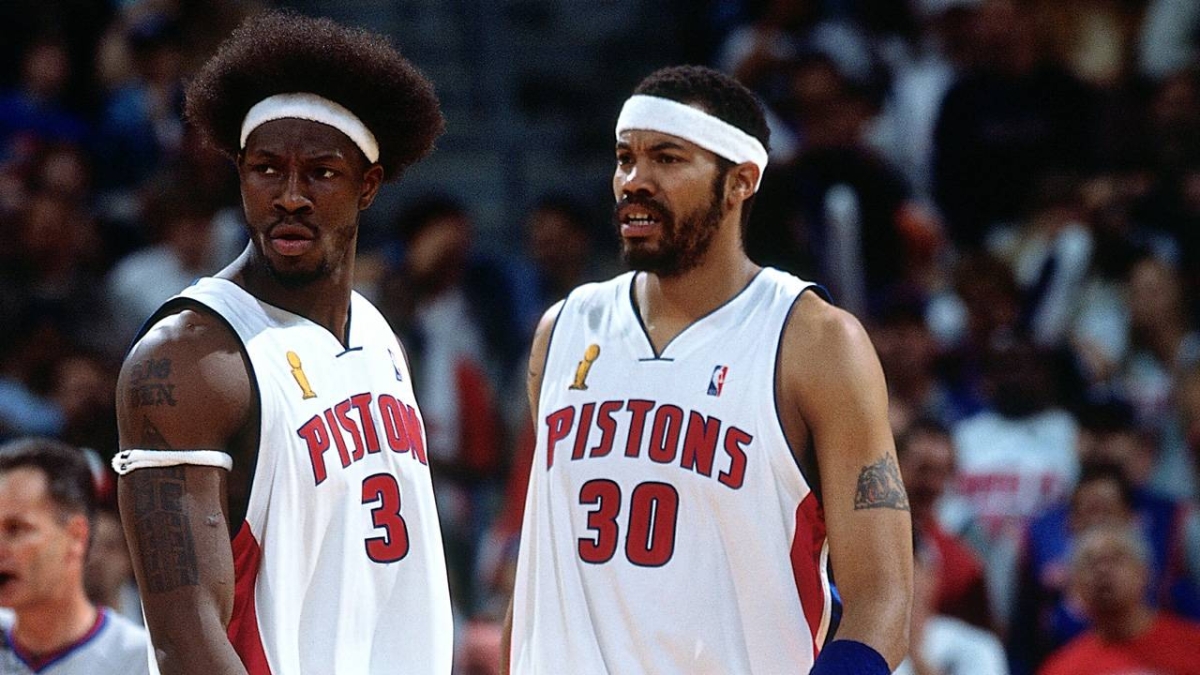
رشيد والاس، النجم والبطل السابق في دوري كرة السلة الأمريكي للمحترفين، لم يتردد يوماً في الإفصاح عن آرائه بصراحة، وهذه المرة اختار أن يوجّه سهام نقده إلى ما يُعرف بقاعدة «عام واحد بعد المدرسة الثانوية»، التي فرضتها رابطة الدوري عام 2005، وألزمت اللاعبين ببلوغ التاسعة عشرة على الأقل، وقضاء عام واحد بعد التخرج قبل دخول عالم الاحتراف. ورغم أن والاس نفسه خاض تجربتين جامعيتين قبل أن يعلن انتقاله إلى الدوري عام 1995، إلا أنه يرى أن هذه القاعدة حرمت أجيالاً كاملة من الموهوبين، وأغلقت في وجوههم باب الخلاص من واقع اجتماعي صعب.
والاس وصف هذه القاعدة بأنها ليست مجرد إجراء تنظيمي بل قرار «مخجل»، إذ اعتبر أنها منعت غالبية اللاعبين السود الشباب من استثمار موهبتهم كجواز عبور إلى حياة أفضل. وبرأيه، فإن فرض حدّ عمري بعينه يعني حرمان هؤلاء من الفرصة التي يتيحها الدوري الأمريكي وحده، في وقت تسمح رياضات أخرى مثل البيسبول والهوكي وكرة القدم بدخول الاحتراف مباشرة من مقاعد المدرسة.
وفي حديثه، أشار إلى أن خلف هذه القاعدة ما يثير الشكوك بشأن دوافعها، بل وذهب أبعد من ذلك حين لمح إلى أن المسألة تحمل في طياتها إيحاءات ذات طابع عنصري، قائلاً: «إذا كان بالإمكان أن يتحول لاعب كرة قدم إلى محترف وهو في الرابعة عشرة، أو أن يبدأ لاعب بيسبول مسيرته من المدرسة الثانوية، فما الذي يمنع لاعب كرة السلة من ذلك؟». وأضاف أنه لو كان في موقع القرار، لأعاد فتح الباب أمام المواهب الصاعدة من دون قيود، ليس بحثاً عن «كوبي براينت» جديد أو «كيفن غارنيت» آخر، بل لأن الموهبة، في رأيه، تستحق أن تُمنح فرصة الانطلاق مهما كانت الظروف.
قضية السن القانونية للالتحاق بالدوري ظلت مثار جدل لا ينتهي داخل الأوساط الرياضية الأمريكية. فبينما ترى الرابطة أن القاعدة تحمي الأندية من التسرع في التعاقد مع لاعبين غير ناضجين بما يكفي لمواجهة ضغوط الاحتراف، يؤكد كثير من اللاعبين السابقين أن هذه الحماية المزعومة تتحول في الواقع إلى قيود غير عادلة تحرم الشباب، وغالبيتهم من أصول أفريقية، من تحسين أوضاعهم وأوضاع عائلاتهم في وقت مبكر.
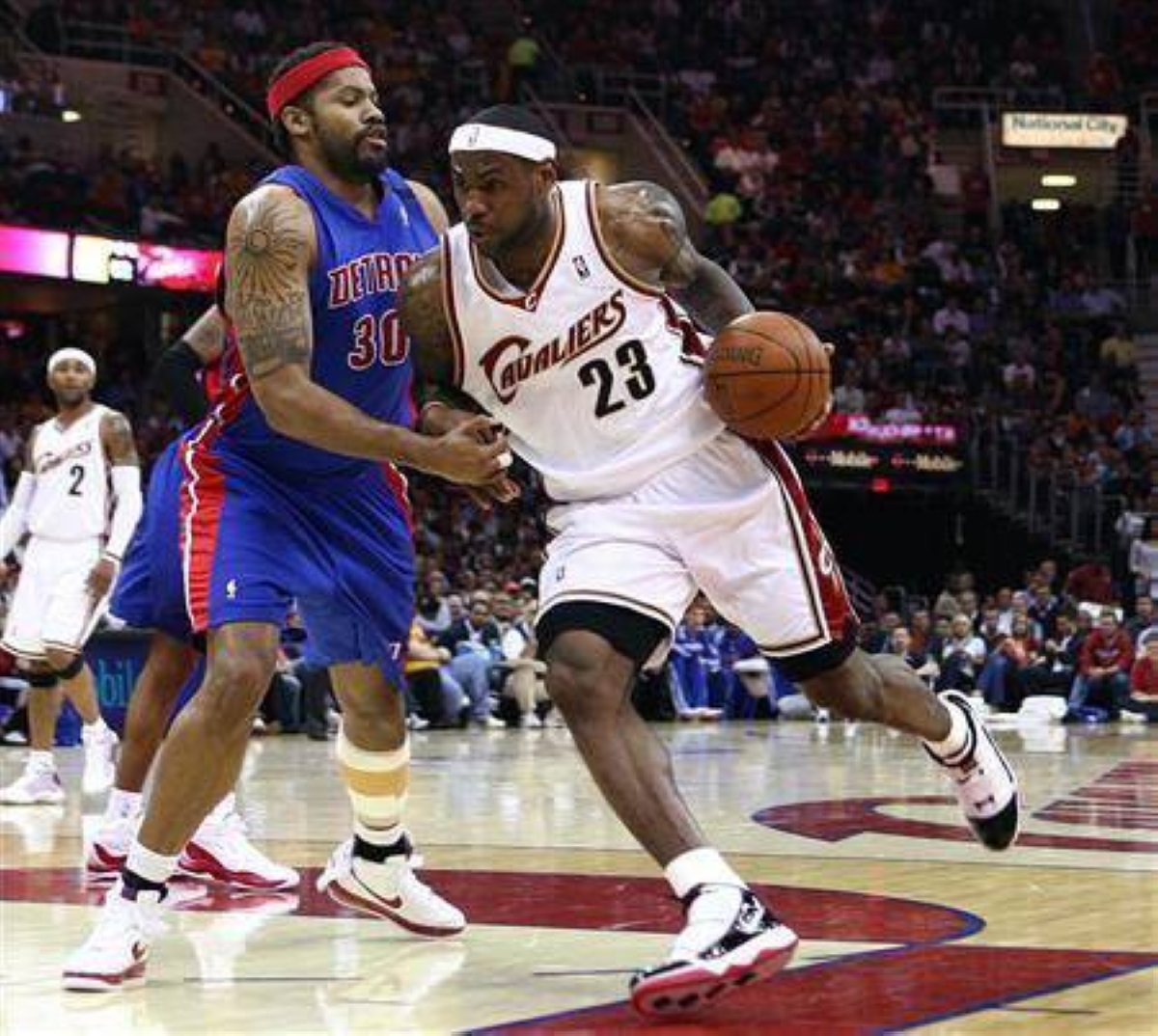
آخر لاعب دخل الدوري مباشرة من المدرسة الثانوية كان أمير جونسون، فيما يبقى اسم ليبرون جيمس المثال الأبرز على نجاح هذا المسار حتى أسطورة مكتملة الأركان. ومع ذلك، يبدو أن عودة ذلك الطريق ليست قريبة، في ظل تمسك الرابطة بقاعدتها، وبقاء النقاش مفتوحاً بين من يراها حماية ومن يعتبرها حرماناً، وبينهم رشيد والاس الذي لا يزال صوته يعلو دفاعاً عن جيل يرى أن الفرصة سُلبت منه ظلماً.
قانون «NBA» الجائر.. رشيد والاس يروي حكاية جيل ضائع
10 سبتمبر 2025 - 23:34
|
آخر تحديث 10 سبتمبر 2025 - 23:34





تابع قناة عكاظ على الواتساب
كتب: عبدالعزيز النهدي abdullazizNahdi@
Rasheed Wallace, the former star and champion of the NBA, has never hesitated to express his opinions candidly, and this time he chose to direct his criticism at what is known as the "one year after high school" rule, which was imposed by the league in 2005. This rule requires players to be at least nineteen years old and to spend one year after graduation before entering the professional world. Although Wallace himself went through two college experiences before announcing his transition to the league in 1995, he believes that this rule has deprived entire generations of talented individuals and closed the door for them to escape from a difficult social reality.
Wallace described this rule as not just an organizational procedure but a "shameful" decision, as he considered it prevented the majority of young Black players from leveraging their talent as a passport to a better life. In his opinion, imposing a specific age limit means depriving these players of the opportunity that the NBA alone offers, while other sports like baseball, hockey, and soccer allow direct entry into professionalism from school benches.
In his remarks, he pointed out that there are doubts surrounding the motives behind this rule, and he went further by hinting that the issue carries racial implications, saying: "If a football player can turn professional at fourteen, or a baseball player can start his career from high school, what prevents a basketball player from doing the same?" He added that if he were in a decision-making position, he would reopen the door for emerging talents without restrictions, not in search of a new "Kobe Bryant" or another "Kevin Garnett," but because talent, in his view, deserves to be given a chance to take off regardless of the circumstances.
The issue of the legal age for joining the league has remained a subject of endless debate within American sports circles. While the league believes that the rule protects clubs from rushing into contracts with players who are not mature enough to handle the pressures of professionalism, many former players assert that this alleged protection actually turns into unfair restrictions that deprive young people, most of whom are of African descent, from improving their situations and those of their families at an early age.
The last player to enter the league directly from high school was Amir Johnson, while LeBron James remains the most prominent example of success from this path, becoming a complete legend. However, it seems that the return of that route is not near, given the league's insistence on its rule, and the ongoing debate between those who see it as protection and those who consider it deprivation, including Rasheed Wallace, whose voice still rises in defense of a generation that feels its opportunity has been unjustly taken away.
Wallace described this rule as not just an organizational procedure but a "shameful" decision, as he considered it prevented the majority of young Black players from leveraging their talent as a passport to a better life. In his opinion, imposing a specific age limit means depriving these players of the opportunity that the NBA alone offers, while other sports like baseball, hockey, and soccer allow direct entry into professionalism from school benches.
In his remarks, he pointed out that there are doubts surrounding the motives behind this rule, and he went further by hinting that the issue carries racial implications, saying: "If a football player can turn professional at fourteen, or a baseball player can start his career from high school, what prevents a basketball player from doing the same?" He added that if he were in a decision-making position, he would reopen the door for emerging talents without restrictions, not in search of a new "Kobe Bryant" or another "Kevin Garnett," but because talent, in his view, deserves to be given a chance to take off regardless of the circumstances.
The issue of the legal age for joining the league has remained a subject of endless debate within American sports circles. While the league believes that the rule protects clubs from rushing into contracts with players who are not mature enough to handle the pressures of professionalism, many former players assert that this alleged protection actually turns into unfair restrictions that deprive young people, most of whom are of African descent, from improving their situations and those of their families at an early age.
The last player to enter the league directly from high school was Amir Johnson, while LeBron James remains the most prominent example of success from this path, becoming a complete legend. However, it seems that the return of that route is not near, given the league's insistence on its rule, and the ongoing debate between those who see it as protection and those who consider it deprivation, including Rasheed Wallace, whose voice still rises in defense of a generation that feels its opportunity has been unjustly taken away.


