تتوقع هيئة الأرصاد الجوية الأمريكية أن تشهد مدينتا ميامي ولوس أنجلوس حرارة معتدلة هذا الأسبوع، مع ارتفاع درجات الحرارة فوق 30 درجة مئوية.
وحذّرت الهيئة من أن الأفراد الحساسين للحرارة، خصوصاً من يمارسون أنشطة بدنية شاقة في الهواء الطلق خلال النهار، قد يتأثرون.
ويتزامن هذا التحذير مع انطلاق بطولة كأس العالم للأندية 2025 التي تستضيفها الولايات المتحدة الأمريكية، إذ يواجه اللاعبون والجماهير تحديات الطقس الحار.
وتنطلق البطولة، اليوم السبت بمباراة تجمع إنتر ميامي بقيادة ليونيل ميسي مع الأهلي المصري في مدينة ميامي عند الساعة 8:00 مساءً بتوقيت واشنطن، حيث ستكون ذروة الحرارة قد مرت، لكن الرطوبة ستظل مرتفعة.
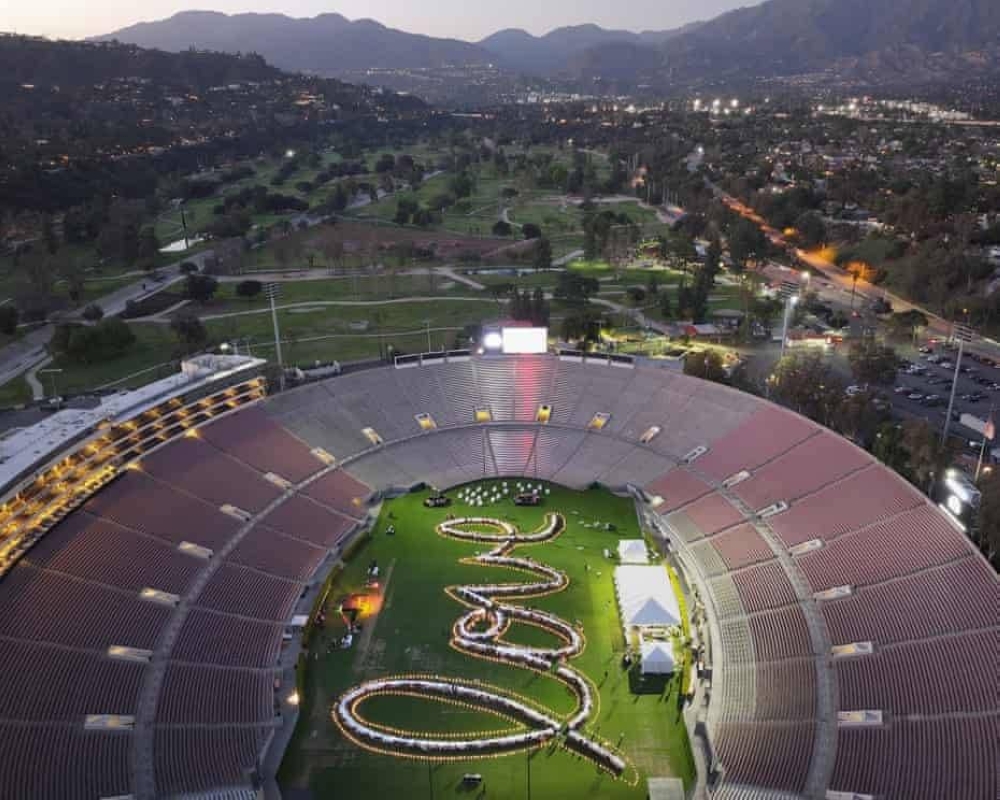
أما مباراة باريس سان جيرمان وأتلتيكو مدريد في المجموعة الثانية يوم الأحد، فستُقام في ملعب روز بول في باسادينا تحت أشعة الشمس الحارقة ظهرًا، وهو ملعب مكشوف يزيد من تحديات الحرارة.
وتثير بطولة كأس العالم للأندية جدلاً واسعًا حول قضايا مثل توسع روزنامة المباريات، تدخل الفيفا في كرة الأندية، وتسعير التذاكر.
لكن التحدي الأكبر الذي يواجه البطولة هو تغير المناخ، الذي لا تملك الهيئات المنظمة سيطرة كبيرة عليه.
وشهدت الولايات المتحدة في عام 1994 واحدة من أكثر بطولات كأس العالم حرارة، إذ وصلت درجات الحرارة إلى 40 درجة مئوية خلال مباراة أيرلندا والمكسيك.
ومنذ ذلك الحين، ارتفع متوسط درجات الحرارة في الولايات المتحدة بأكثر من درجة مئوية، وسجلت البلاد تسعة من أكثر عشر سنوات حرارة في تاريخها.
وخلال بطولة كوبا أمريكا العام الماضي في الولايات المتحدة، عانى لاعبون وحكام من الحرارة الشديدة، ففي ميامي، أُصيب المدافع الأوروغوياني رونالد أراوخو بالدوار وانخفاض ضغط الدم بسبب الجفاف، بينما أغمي على الحكم المساعد هامبرتو بانجوج في مباراة كندا وبيرو في كانساس سيتي، إذ وصلت درجة الحرارة المحسوسة إلى 38 درجة مئوية.
وانتقد لاعب كندا أليستير جونستون توقيت المباراة، معتبرًا أنها غير آمنة حتى للجماهير.
وفي النسخة الحالية من بطولة كأس العالم للأندية، ستُلعب 35 من أصل 63 مباراة قبل الساعة 5 مساءً، ووفقًا لمجموعة «فوسيل فري فوتبول»، فإن 8 من الملاعب الـ11 تفتقر إلى التغطية الكافية من العوامل الجوية، وشهدت 4 مدن أحداث حرارة ملحوظة (بدرجات حرارة في الثلاثينيات العالية) خلال السنوات الخمس الماضية.
كما أشارت المجموعة إلى أن سفر الفرق سيؤدي إلى قطع 564,877 كيلومترًا جويًا، مما يزيد من الانبعاثات الكربونية.
وعلى الرغم من أن الأحداث الحرارية الشديدة ليست مضمونة خلال البطولة، إلا أن تغير المناخ يجعلها أكثر احتمالًا.
وتنص لوائح الفيفا على استخدام فترات تبريد تتيح للاعبين شرب السوائل مرة واحدة في كل شوط إذا تجاوزت درجة الحرارة الرطبة 32 درجة مئوية، لكن اتحاد اللاعبين الدوليين «فيفبرو» يرى أن هذا غير كافٍ، ويطالب بخفض عتبة فترات التبريد إلى ما بين 28 و32 درجة مئوية، مع إمكانية فترة ثانية للشرب، وإعادة جدولة المباريات إذا تجاوزت الحرارة 32 درجة مئوية.
وأكد متحدث باسم «فيفبرو» لصحيفة الغارديان، أن الاتحاد يراقب الوضع عن كثب، مشددًا على أولوية سلامة اللاعبين. وأفادت مصادر مقربة من المنظمين أن "الفيفا" ستراقب العمليات يوميًا، مما قد يؤدي إلى اتخاذ تدابير إضافية، لكن حتى الآن، لا توجد خطط جديدة لمواجهة الحرارة، وإعادة جدولة المباريات تبدو مستبعدة بسبب احتياجات البث التلفزيوني وضغط الروزنامة.
وتُعتبر البطولة اختبارًا حاسمًا قبل كأس العالم 2026 الموسعة بمشاركة 48 منتخبًا و104 مباريات في الولايات المتحدة والمكسيك وكندا.
The American Weather Service expects the cities of Miami and Los Angeles to experience moderate heat this week, with temperatures rising above 30 degrees Celsius.
The agency warned that individuals sensitive to heat, especially those engaging in strenuous outdoor activities during the day, may be affected.
This warning coincides with the kickoff of the 2025 FIFA Club World Cup hosted by the United States, as players and fans face the challenges of hot weather.
The tournament begins today, Saturday, with a match between Inter Miami, led by Lionel Messi, and Al Ahly from Egypt in Miami at 8:00 PM Washington time, where the peak heat will have passed, but humidity will remain high.
The match between Paris Saint-Germain and Atletico Madrid in Group B on Sunday will take place at Rose Bowl in Pasadena under the scorching sun at noon, which is an open stadium that increases the heat challenges.
The Club World Cup has sparked widespread controversy over issues such as the expansion of the match calendar, FIFA's interference in club football, and ticket pricing.
However, the biggest challenge facing the tournament is climate change, which the organizing bodies have little control over.
The United States experienced one of the hottest World Cups in 1994, with temperatures reaching 40 degrees Celsius during the match between Ireland and Mexico.
Since then, the average temperatures in the United States have risen by more than one degree Celsius, and the country has recorded nine of its ten hottest years in history.
During last year's Copa America in the United States, players and referees suffered from extreme heat; in Miami, Uruguayan defender Ronald Araújo experienced dizziness and low blood pressure due to dehydration, while assistant referee Humberto Panjoy collapsed during the match between Canada and Peru in Kansas City, where the felt temperature reached 38 degrees Celsius.
Canadian player Alistair Johnston criticized the timing of the match, considering it unsafe even for fans.
In the current edition of the Club World Cup, 35 out of 63 matches will be played before 5 PM, and according to the group "Fossil Free Football," 8 of the 11 stadiums lack adequate weather coverage, with 4 cities experiencing notable heat events (with temperatures in the high thirties) over the past five years.
The group also noted that team travel will result in covering 564,877 kilometers in the air, increasing carbon emissions.
Although extreme heat events are not guaranteed during the tournament, climate change makes them more likely.
FIFA regulations stipulate the use of cooling breaks that allow players to drink fluids once in each half if the wet bulb temperature exceeds 32 degrees Celsius, but the International Players' Union "FIFPro" believes this is insufficient and calls for lowering the cooling break threshold to between 28 and 32 degrees Celsius, with the possibility of a second drinking break and rescheduling matches if temperatures exceed 32 degrees Celsius.
A spokesperson for "FIFPro" confirmed to The Guardian that the union is closely monitoring the situation, emphasizing player safety as a priority. Sources close to the organizers reported that "FIFA" will monitor operations daily, which may lead to additional measures, but so far, there are no new plans to address the heat, and rescheduling matches seems unlikely due to broadcasting needs and schedule pressure.
The tournament is seen as a crucial test ahead of the expanded 2026 World Cup featuring 48 teams and 104 matches in the United States, Mexico, and Canada.