


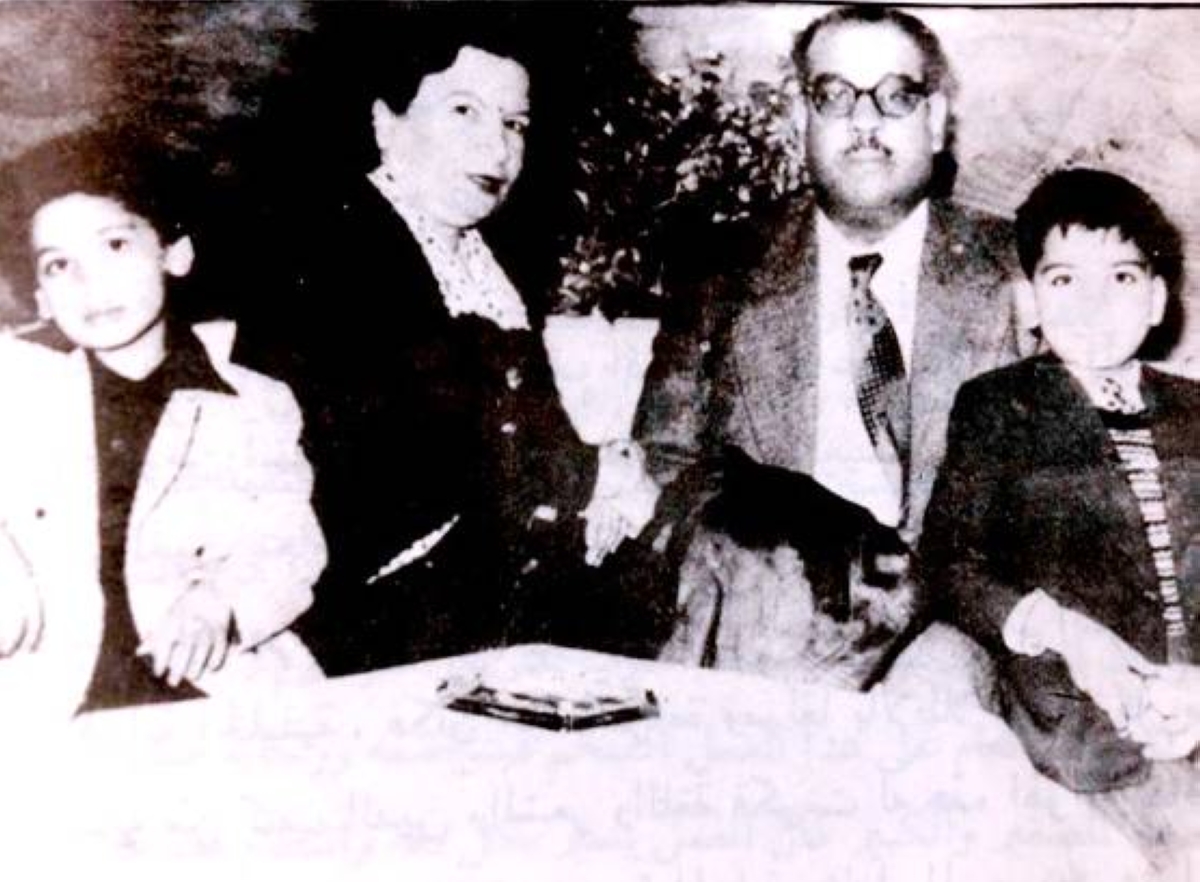
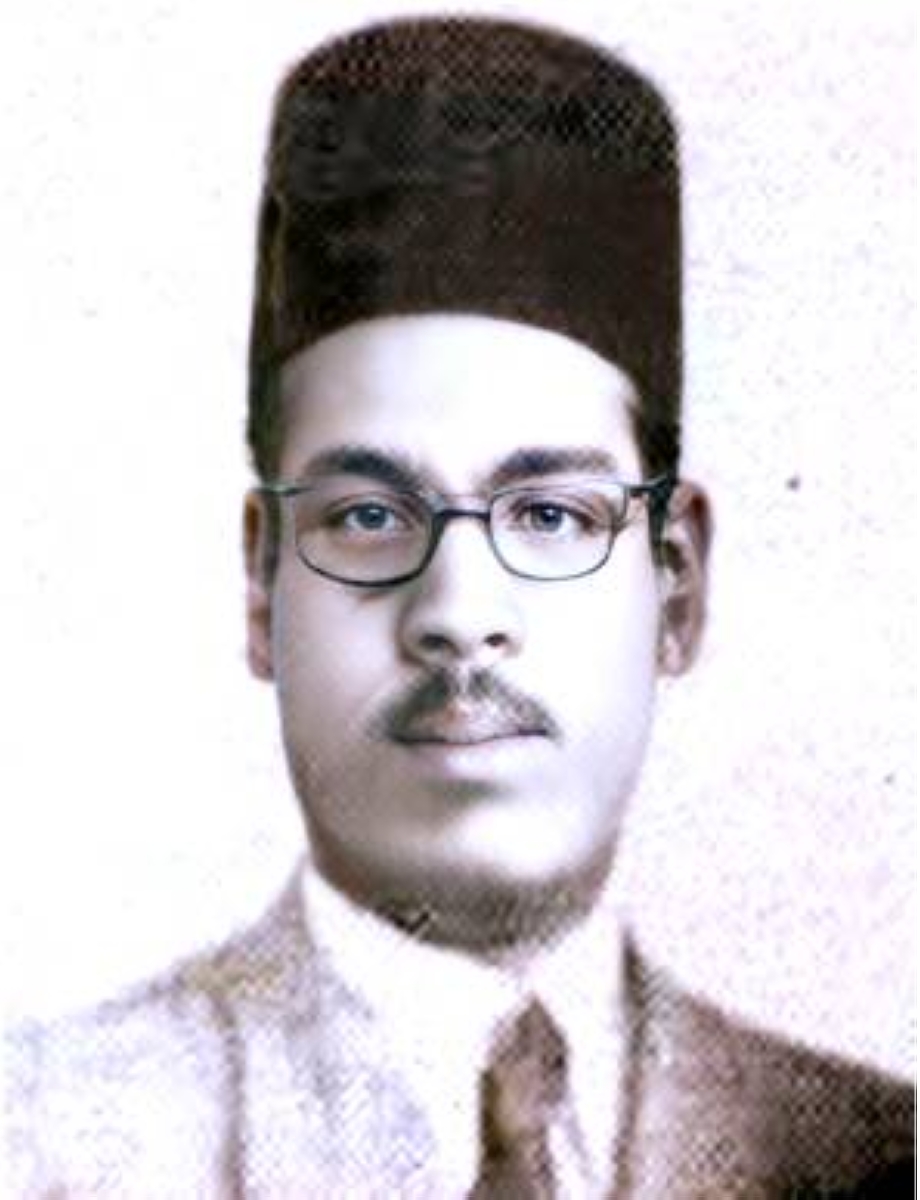
في مقال نشره الباحث الكويتي المعروف الدكتور يعقوب يوسف الغنيم بجريدة النهار الكويتية (31/1/2018)، تطرق الكاتب إلى شخصية بحرينية عاشت في الكويت طويلاً فعشقتها وارتبطت بأبنائها ارتباطاً وثيقاً، بل تفانت في خدمتها وخدمتهم من خلال المناصب العديدة التي تولتها هناك في عقود الأربعينات والخمسينات والستينات من القرن العشرين. المعني بهذا الحديث هو الأستاذ عبداللطيف سعد الشملان، الذي اضطرته الظروف إلى ترك البحرين والانتقال إلى الكويت للإقامة والعمل، فسطر سطوراً مضيئة خالدة في تاريخ العلاقات بين البلدين والشعبين الشقيقين.
قال عنه الكاتب الغنيم، بعد أن أفاض بالتذكير به وبضرورة عدم نسيانه لما بذله من خدمات جليلة للكويت على كافة المستويات وفي مختلف المجالات: «لم يدخر وسعاً في سبيل أداء واجبه في كل موضع طلب منه أن يؤدي خدمة من الخدمات التي يحتاجها الوطن ويطلبها أهله»، ثم استطرد فقال: «لقد حافظ على تقدير الناس له، وعلى إخلاصه في العمل، وعلى محبة كل من يتصل به، وكان لا يحمل غلّاً لأحد، ولا يتحدث مغتاباً أحداً من الناس فقد كان قلبه صفحات بيضاء خالية من الأحقاد بعيدة عن الكراهية إلى يوم وفاته رحمه الله، التي كانت في سنة 1981».
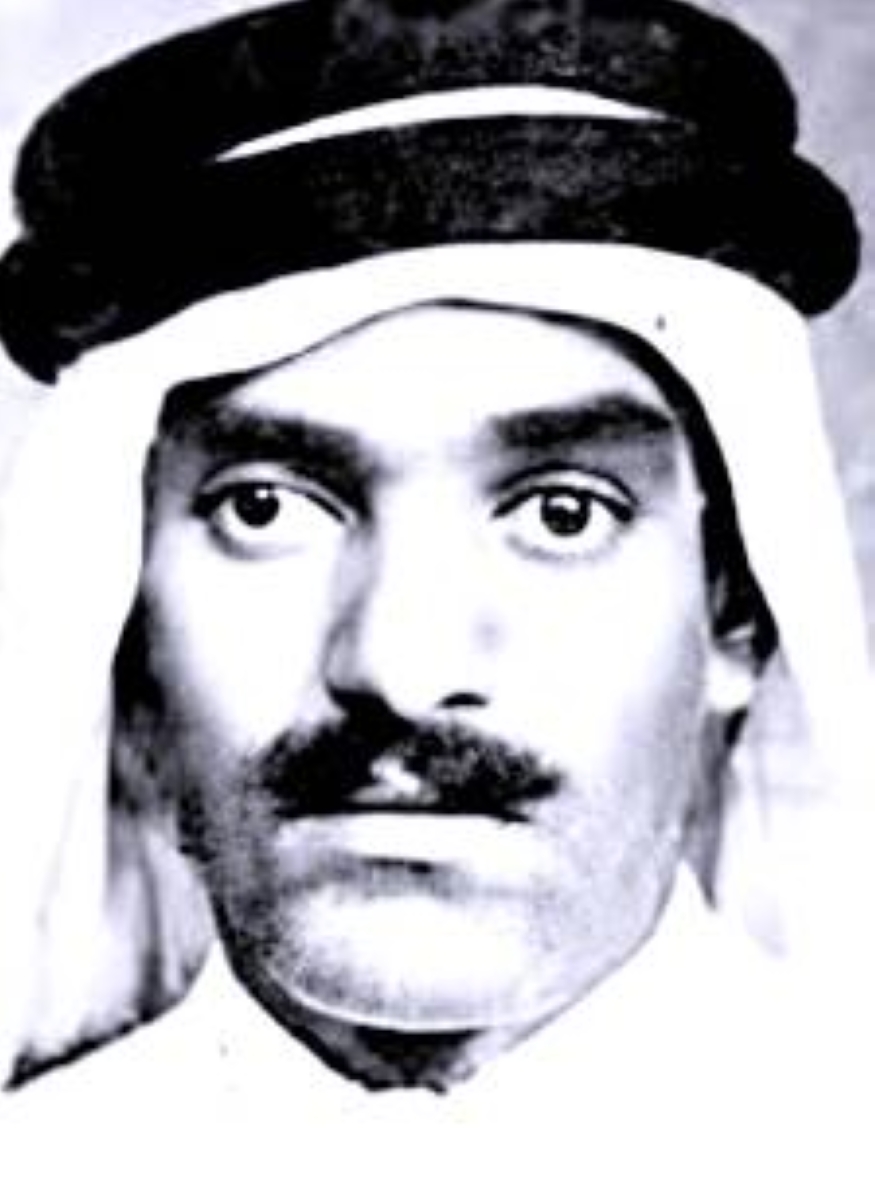
ينتمي الشملان إلى عائلة بحرينية محرقية معروفة وميسورة لعب بعض أبنائها دوراً في الحركة الوطنية البحرينية في عشرينات وخمسينات القرن العشرين زمن الوجود البريطاني، فوالده هو الطواش الشيخ سعد عبدالله الشملان، الذي استاء الإنجليز من تأليبه الناس عليهم فنفوه إلى بومباي في عام 1923، حيث قضى سنوات طويلة من عمره هناك بصحبة نجليه عبدالعزيز وعبداللطيف (المترجَم له)، وشقيقه الأصغر هو الأستاذ عبدالعزيز سعد الشملان (1911 ــ 1988)، الذي قاد مع آخرين ما يعرف في الأدبيات السياسية البحرينية باسم «هيئة الاتحاد الوطني»، فغضب عليه الإنجليز ونفوه مع اثنين من رفاقه إلى جزيرة سانت هيلانة النائية في أقصى جنوب المحيط الأطلسي في سنة 1956، وحينما تم الإفراج عنه في يوليو 1961، بأمر المحاكم البريطانية لعدم قانونية اعتقاله، عاش في سوريا وسط ظروف معيشية صعبة إلى أن عاد إلى وطنه عام 1972 بعد انتهاء العلاقات التعاقدية بين حكومة البحرين وبريطانيا العظمى، فترشح في انتخابات المجلس التأسيسي المعني بصياغة الدستور، وفاز وتم اختياره نائباً لرئيس المجلس، ثم ما لبث أن وقع عليه اختيار المغفور له صاحب السمو الشيخ عيسى بن سلمان آل خليفة طيب الله ثراه ليكون سفيراً للبحرين في القاهرة وممثلاً لها في جامعة الدول العربية، فأول سفير مقيم للبحرين في تونس وأول سفير بحريني غير مقيم لدى مالطا.
والحقيقة أن بعضاً مما جرى للمرحوم عبدالعزيز الشملان ينسحب على أخيه عبداللطيف المولود بالمحرق في عام 1906، ومنه أن الأخير رافق والده إلى المنفى الهندي، وهناك درس لبعض الوقت في مدارس بومباي العربية التي كان يديرها تجار الكويت ونجد والحجاز، وتعرف لأول مرة على غرائب الهند ومدهشات الحضارة الغربية، وبالتالي فقد كان تلميذاً مختلفاً عن أقرانه حينما رجع إلى مسقط رأسه والتحق بمدارس البحرين الأهلية، في أعقاب نجاح والده في كسب قضية رفعها أمام محاكم الهند البريطانية حول عدم قانونية نفيه وحرمانه من وطنه.
مع افتتاح مدرسة الهداية الخليفية في المحرق في عام 1919، كأول مدرسة نظامية في تاريخ البحرين والخليج، التحق بها عبداللطيف الشملان، وبرز في أنشطتها المختلفة، ولاسيما الثقافية منها، فقد كان محباً للقراءة والاطلاع، غارفاً للمعارف من شتى المصادر، دائم السؤال عن الأشياء التي يجهل كنهها، وهو ما جعله غزيراً في ثقافته ومعلوماته في الدين واللغة والشعر والأدب العربي منذ شبابه المبكر. وهذا بدوره شجع إدارة الهداية الخليفية على تعيينه مدرساً بها بعد تخرجه منها. وبالفعل مارس التدريس وكوّن علاقات جيدة مع زملائه من المدرسين العرب، وارتبط بصفة خاصة مع اثنين منهم من السوريين من ذوي النزعة العروبية والاستقلالية. وحينما تخلصت السلطات البريطانية من هذين السوريين بإلغاء عقديهما وترحيلهما، كان رد فعل الشملان هو تقديم استقالته من التدريس احتجاجاً.
بعد تركه التدريس في الهداية الخليفية، قام صاحبنا بافتتاح مدرسة خاصة أطلق عليها «دار العلم». لاحظت السلطات البريطانية وقتها أن الإقبال على هذه المدرسة كبير من قبل أبناء أعيان البحرين وشخصياتها المؤثرة، فعملت على عرقلة نشاطها عقاباً للشملان على تحديه للسياسات الإنجليزية في مجال التعليم داخل البحرين. وفي ذلك الجو القاتم، فطن الرجل إلى أن قدرته على العمل مقيدة، وأحس برغبة شديدة في الابتعاد والسفر إلى مصر لمواصلة تعليمه.
وهكذا غادر الشملان البحرين إلى القاهرة في عام 1931 بنية التحصيل الجامعي على نفقة أسرته، فالتحق هناك بجامعة الأزهر التي منحته الشهادة العالمية للغرباء، وبهذه الشهادة تم قبوله في كلية دار العلوم، فواصل الدراسة بها بجد واجتهاد، وبدعم من والده وأخيه عبدالعزيز، مع تقشف في مباهج الحياة والإنفاق، إلى أن تخرج من دار العلوم في سنة 1939. في هذه الأثناء كان مجلس معارف الكويت قد قرر في 21 فبراير 1939 إرسال أول بعثة كويتية للدراسة في القاهرة لكي تلتحق بالأزهر الشريف، وكانت مكونة من أربعة طلاب متفوقين من خريجي المدرسة المباركية وهم: عبدالعزيز حسين التركيت وأحمد مشاري العدواني ويوسف مشاري الحسن البدر ويوسف عبداللطيف العمر. ويشاء القدر أن يتعرف هؤلاء الطلبة الكويتيون الجدد على الشملان، وتنشأ بينهم وبينه علاقة صداقة وود وطيدة، فقد أحبهم وأحبوه من أول لقاء وصار صديقاً ومرشداً لهم في العاصمة المصرية. وكان من نتائج تلك العلاقة الودية والصحبة الجميلة أن فتحت الأبواب للشملان للسفر إلى الكويت للعمل والإقامة بها. ففي رواية للأستاذ صالح جاسم شهاب، نقلاً عن الشاعر أحمد مشاري العدواني، أن من شجع الشملان على الانتقال إلى الكويت وتوسط له لدى مسؤولي المعارف هو الأستاذ عبدالعزيز حسين، فرحب مجلس المعارف بقدومه، لكن هناك رواية أخرى تقول إن من دعاه إلى الكويت واستضافه مؤقتاً في ديوانه ريثما يتم توظيفه هو الحاج ثنيان الغانم الذي كان في القاهرة.
بدأ الشملان عمله في الكويت مدرساً بالمدرسة المباركية في عامي 1940 و1941، فمدرساً بالمعهد الديني ما بين عامي 1950 و1952، كما صار مديراً ومفتشاً بدائرة معارف الكويت خلفاً للفلسطيني أحمد شهاب الدين، فقاضياً بالمحكمة المشتركة، فمديراً لبيت الكويت في القاهرة (بيت الطلبة المبتعثين إلى مصر). وبفضل علمه وإخلاصه ووفائه وتفانيه في العمل نُقل في عام 1962 إلى مجلس الوزراء حيث عمل أميناً عاماً له، وظل شاغلاً هذا المنصب الرفيع إلى حين تقاعده في عام 1969، وأثناء عمله وإقامته في الكويت تزوج الشملان من اللبنانية «إقبال الحبال»، التي كانت تعمل ناظرة لإحدى المدارس، ثم أصبحت في عام 1948 مفتشة لتعليم البنات، وقامت بجلب أوائل المدرسات اللبنانيات إلى الكويت. وأخبرنا الباحث الغنيم، أن الشملان كان خلال عام 1948 مرشحاً للعمل مديراً لدائرة الأوقاف، التي تأسست بموجب مرسوم أميري في 16/12/1948، لكنها لم تباشر عملها إلا في عام 1949، ويضيف أنه لسبب ما لم يتولَّ صاحبنا ذلك المنصب. كما أخبرنا أن الشملان كان مشاركاً - إلى جانب أعماله ووظائفه - في تقديم الخدمات الاجتماعية من نصح وتوعية وكتابة في مجلة «البعثة» الصادرة في القاهرة عن «بيت الكويت».
بين التعليم وضغوط الإنجليز
اطلعتُ على عدة مصادر تتحدث عن دور الشملان في استقطاب المدرسين للعمل بمدارس الكويت في حقبة ما قبل استقلالها. والحقيقة أن المعلومات عن هذا الدور متضاربة في تفاصيلها. فالأستاذ يوسف شهاب، الذي تطرق للموضوع في عموده بجريدة القبس (26/2/2018) قال، إن المعتمد البريطاني بالكويت زمن الحماية البريطانية كانت لديه سلطة الرأي في العلاقات الخارجية للبلاد مع الدول الأخرى، ومنها رأيه في علاقات الكويت التعليمية مع البلاد العربية، واستطرد قائلاً إن دائرة المعارف في الكويت أرادت في عام 1942 استقدام بعثة من المدرسين المصريين، فأرسل رئيس المعارف آنذاك الشيخ عبدالله الجابر الصباح عبداللطيف الشملان إلى القاهرة حاملاً رسالة منه بهذا الخصوص إلى رئيس وزراء مصر وقتذاك مصطفى النحاس باشا، الذي استجاب وأمر بإرسال أربعة مدرسين إلى الكويت (بعد التعاقد معهم شخصياً براتب 12 جنيهاً مصرياً لكل منهم). ولما علم المعتمد البريطاني بذلك أرسل احتجاجاً إلى الشيخ عبدالله مطالباً بإبعاد الشملان إلى البحرين بعد سجنه عقاباً على ما فعله، وفصل زوجته من وظيفتها التربوية. لكن الشيخ رفض الاحتجاج والطلب واتخذ موقفاً حاسماً من القضية المثارة، قائلاً إنه هو المسؤول عن إرسال الشملان إلى مصر. ثم تمت التسوية بنقل الشملان من دائرة المعارف للعمل قاضياً في المحاكم المشتركة.
رحلة الشملان للبحث عن معلمين
أما الدكتور الغنيم في مقاله آنف الذكر بصحيفة النهار، فقد أشار إلى أن ما ذكره الأستاذ صالح جاسم شهاب، ومفاده أن مجلس معارف الكويت كلف الشملان بالذهاب إلى فلسطين كي يتعاقد مع عدد من المدرسين الفلسطينيين للعمل بمدارس الكويت، وبالفعل سافر الشملان إلى هناك وأقام في فندق متواضع كي لا يثقل على ميزانية مجلس المعارف التي كانت تعاني من عجز مالي وتتبع سياسة ترشيد الإنفاق، لكنه لم يوفق لأن أحداً لم يتقدم للعمل، ربما لأن المدرس الفلسطيني كان يتوقع عروضاً أفضل وقتذاك، أو ربما بسبب سماعهم أخباراً عن دور للشملان في إنهاء العقود المكلفة للمدرسين الفلسطينيين العاملين في الكويت بهدف معالجة العجز المالي لمجلس المعارف. ولأنه لم يوفق في مساعيه في فلسطين، اضطر أن يستعين بمدرسين من مصر وسوريا. وفي السياق نفسه، هناك رواية تتحدث عن أن الشملان نجح في مساعيه في القاهرة لأنه طلب من صديقه الأديب عبدالوهاب عزام أن يرتب له مقابلة مع وزير المعارف المصري آنذاك الدكتور طه حسين، الذي استقبله بالفعل بحفاوة ووافق على مد الكويت بالمدرسين والمنح الدراسية. لكن نجاح الشملان السريع في التعاقد مع المدرسين المصريين، دون الرجوع إلى المعتمد البريطاني في الكويت مسبقاً، أثار احتجاجات وتساؤلات في الدوائر السياسية البريطانية، وكان سبباً في مراسلات دبلوماسية كثيرة، لا مجال لذكر تفاصيلها، بين مكتب المقيم السياسي البريطاني في الخليج والسفير البريطاني في القاهرة وسكرتير الشؤون الخارجية في حكومة الهند والسفير البريطاني في بغداد والمعتمد البريطاني في الكويت وسكرتير المكتب الهندي في لندن، إضافة إلى مكاتبات مع حاكم الكويت في تلك الفترة الشيخ أحمد الجابر الصباح رحمه الله. ويبدو أن الإنجليز لم ينسوا خصومتهم مع الشملان في البحرين، فراحوا يطاردونه ويضايقونه في الكويت، ويتربصون بتحركاته وأعماله، ساعين بكل الوسائل إلى اختلاق ما يبرر طرده من الكويت. ولعل أكبر دليل على ذلك الرسالة التي وجهها المعتمد السياسي البريطاني في الكويت إلى رئيسه المقيم السياسي في بوشهر، التي اعترف فيها أنه منح الشملان رسالة توصية بصيغة «إلى من يهمه الأمر» موجهة إلى السلطات البريطانية، مدنية كانت أو عسكرية، لتقديم أي مساعدة يطلبها الشملان في رحلاته وتجواله للبحث عن معلمين لمدارس الكويت. لكن المعتمد البريطاني استدرك في الرسالة نفسها وقال إن الشملان «إنسان غير موثوق به لشغل منصب كبير كهذا الذي يشغله» وإنه تجاوز حدود أوامر الشيخ أحمد الجابر بشكل واضح.
وأخيراً فإن هناك انتقاداً موجهاً، بحسب الباحث الغنيم، إلى الجهات المسؤولة في الكويت لأنها قامت بشيء يسير من التكريم للشملان مقارنة بغيره، على الرغم من دوره الكبير وخدماته الجليلة في المجال التربوي، موضحاً أن الرجل لم ينَل سوى تكريم وحيد تمثل في إطلاق اسمه على إحدى مدارس البنين المتوسطة بمنطقة «الواحة» في الجهراء. ومما يذكر عن الراحل أنه ترك خلفه بعد رحيله في عام 1402 للهجرة الموافق لسنة 1981، العديد من المقالات والبحوث التربوية ومذكرات قيمة عن تجربته التربوية في البحرين والكويت ومساهماته في وضع المناهج التعليمية للمدارس.
عبداللطيف الشملان.. بحريني عشق الكويت وخدمها بإخلاص
1 سبتمبر 2025 - 02:15
|
آخر تحديث 1 سبتمبر 2025 - 02:15


تابع قناة عكاظ على الواتساب
بقلم: د. عبدالله المدني abu_taymour@
In an article published by the well-known Kuwaiti researcher Dr. Yaqoub Yusuf Al-Ghanim in Al-Nahar newspaper (31/1/2018), the writer discussed a Bahraini figure who lived in Kuwait for a long time, fell in love with it, and formed a close bond with its people. He dedicated himself to serving them through the numerous positions he held there during the 1940s, 1950s, and 1960s. The person in question is Professor Abdul Latif Saad Al-Shamlan, who was forced by circumstances to leave Bahrain and move to Kuwait for residence and work, thus writing enduring and luminous lines in the history of relations between the two countries and their brotherly peoples.
Dr. Al-Ghanim spoke highly of Al-Shamlan, emphasizing the necessity of remembering him for the great services he rendered to Kuwait at all levels and in various fields: “He spared no effort in fulfilling his duty in every place he was asked to provide a service needed by the homeland and requested by its people.” He continued, saying: “He maintained the respect of the people for him, his dedication to work, and the love of everyone who interacted with him. He bore no malice towards anyone and did not speak ill of anyone; his heart was a blank page free of hatred until the day of his death, may God have mercy on him, which occurred in 1981.”
Al-Shamlan belongs to a well-known and affluent Bahraini family from Muharraq, some of whose members played a role in the Bahraini national movement during the 1920s and 1950s during the British presence. His father was the merchant Sheikh Saad Abdullah Al-Shamlan, who angered the British by inciting people against them, leading to his exile to Bombay in 1923, where he spent many years of his life with his two sons, Abdulaziz and Abdul Latif (the subject of this translation). His younger brother is Professor Abdulaziz Saad Al-Shamlan (1911-1988), who, along with others, led what is known in Bahraini political literature as the “National Union Authority.” The British were angered by him and exiled him along with two of his companions to the remote island of Saint Helena in the far south of the Atlantic Ocean in 1956. When he was released in July 1961 by order of the British courts due to the illegality of his detention, he lived in Syria under difficult living conditions until he returned to his homeland in 1972 after the end of the contractual relations between the Government of Bahrain and Great Britain. He ran for election to the Constituent Assembly responsible for drafting the constitution, won, and was chosen as the Deputy Chairman of the Assembly. He was soon selected by the late Sheikh Isa bin Salman Al Khalifa, may God rest his soul, to be the Ambassador of Bahrain in Cairo and its representative at the Arab League, becoming the first resident ambassador of Bahrain in Tunisia and the first non-resident Bahraini ambassador to Malta.
In fact, some of what happened to the late Abdulaziz Al-Shamlan also applies to his brother Abdul Latif, who was born in Muharraq in 1906. The latter accompanied his father into Indian exile, where he studied for a time in the Arabic schools of Bombay run by merchants from Kuwait, Najd, and Hijaz. He was introduced for the first time to the wonders of India and the marvels of Western civilization, making him a different student from his peers when he returned to his hometown and joined the private schools in Bahrain, following his father's success in winning a case he filed before the British Indian courts regarding the illegality of his exile and deprivation of his homeland.
With the opening of Al-Hidaya Al-Khalifiya School in Muharraq in 1919, the first formal school in the history of Bahrain and the Gulf, Abdul Latif Al-Shamlan enrolled there and excelled in its various activities, especially the cultural ones. He was fond of reading and knowledge, constantly asking about things he did not understand, which made him rich in culture and information in religion, language, poetry, and Arabic literature from an early age. This, in turn, encouraged the administration of Al-Hidaya Al-Khalifiya to appoint him as a teacher after his graduation. Indeed, he practiced teaching and formed good relationships with his Arab teacher colleagues, particularly with two Syrian teachers who had Arab nationalist and independent inclinations. When the British authorities removed these two Syrians by canceling their contracts and expelling them, Al-Shamlan's reaction was to resign from teaching in protest.
After leaving his teaching position at Al-Hidaya Al-Khalifiya, our subject opened a private school called “Dar Al-Ilm.” The British authorities at the time noticed that there was significant enrollment in this school from the children of Bahrain's notables and influential figures, so they worked to obstruct its activities as punishment for Al-Shamlan for challenging English educational policies in Bahrain. In that grim atmosphere, the man realized that his ability to work was constrained and felt a strong desire to leave and travel to Egypt to continue his education.
Thus, Al-Shamlan left Bahrain for Cairo in 1931 with the intention of pursuing higher education at his family's expense. He enrolled at Al-Azhar University, which granted him the global certificate for foreigners, and with this certificate, he was accepted into the Faculty of Dar Al-Uloom, where he continued his studies diligently and with the support of his father and brother Abdulaziz, while living frugally until he graduated from Dar Al-Uloom in 1939. During this time, the Kuwait Education Council had decided on February 21, 1939, to send the first Kuwaiti delegation to study in Cairo to join Al-Azhar, consisting of four outstanding students from the Mubarakiyah School: Abdulaziz Hussein Al-Turki, Ahmad Mishari Al-Adwani, Yusuf Mishari Al-Hassan Al-Badr, and Yusuf Abdul Latif Al-Omr. Fate had it that these new Kuwaiti students met Al-Shamlan, and a strong friendship and bond developed between them. He loved them and they loved him from their first meeting, and he became their friend and guide in the Egyptian capital. As a result of this friendly relationship and beautiful companionship, doors opened for Al-Shamlan to travel to Kuwait for work and residence. In a narrative by Professor Saleh Jassim Shahab, quoting poet Ahmad Mishari Al-Adwani, it is said that it was Professor Abdulaziz Hussein who encouraged Al-Shamlan to move to Kuwait and interceded for him with the education officials. The Education Council welcomed his arrival, but another account states that it was Haj Thunayan Al-Ghanem who invited him to Kuwait and temporarily hosted him in his diwan until he was employed.
Al-Shamlan began his work in Kuwait as a teacher at the Mubarakiyah School in 1940 and 1941, then as a teacher at the Religious Institute between 1950 and 1952. He also became the director and inspector at the Kuwait Education Department, succeeding the Palestinian Ahmad Shahab Al-Din, then a judge in the joint court, and finally the director of the Kuwait House in Cairo (the house for students sent to Egypt). Thanks to his knowledge, dedication, loyalty, and commitment to work, he was transferred in 1962 to the Council of Ministers, where he served as its Secretary-General, holding this prestigious position until his retirement in 1969. During his work and residence in Kuwait, Al-Shamlan married the Lebanese “Iqbal Al-Habbal,” who worked as a headmistress of one of the schools and later became an inspector of girls' education in 1948, bringing the first Lebanese female teachers to Kuwait. Dr. Al-Ghanim informed us that Al-Shamlan was, in 1948, a candidate for the position of Director of the Endowments Department, which was established by a royal decree on 16/12/1948, but it did not commence its work until 1949. He adds that for some reason, our subject did not assume that position. He also informed us that Al-Shamlan was involved—alongside his work and positions—in providing social services through advice, awareness, and writing in the magazine “Al-Ba’tha,” published in Cairo by “Bayt Kuwait.”
Between Education and British Pressures
I reviewed several sources discussing Al-Shamlan's role in attracting teachers to work in Kuwait's schools during the pre-independence era. The truth is that the information about this role is conflicting in its details. Professor Yusuf Shahab, who touched on the subject in his column in Al-Qabas newspaper (26/2/2018), stated that the British resident in Kuwait during the British protectorate had authority over the country's foreign relations with other countries, including his opinion on Kuwait's educational relations with Arab countries. He continued, saying that the Education Department in Kuwait wanted in 1942 to bring a delegation of Egyptian teachers, so the then Minister of Education Sheikh Abdullah Al-Jaber Al-Sabah sent Abdul Latif Al-Shamlan to Cairo carrying a message to the then Prime Minister of Egypt, Mustafa Al-Nahhas Pasha, who responded and ordered the sending of four teachers to Kuwait (after personally contracting with them for a salary of 12 Egyptian pounds each). When the British resident learned of this, he sent a protest to Sheikh Abdullah demanding the expulsion of Al-Shamlan to Bahrain after imprisoning him as punishment for what he had done, and dismissed his wife from her educational position. However, Sheikh Abdullah rejected the protest and demand and took a decisive stance on the issue, stating that he was responsible for sending Al-Shamlan to Egypt. The matter was then settled by transferring Al-Shamlan from the Education Department to work as a judge in the joint courts.
Al-Shamlan's Journey to Search for Teachers
Dr. Al-Ghanim, in his aforementioned article in Al-Nahar newspaper, pointed out that what Professor Saleh Jassim Shahab mentioned, namely that the Kuwait Education Council tasked Al-Shamlan with going to Palestine to contract with a number of Palestinian teachers to work in Kuwait's schools, was indeed the case. Al-Shamlan traveled there and stayed in a modest hotel so as not to burden the Education Council's budget, which was suffering from a financial deficit and following a policy of rationalizing spending. However, he was unsuccessful because no one applied for work, perhaps because the Palestinian teacher expected better offers at that time, or perhaps because they had heard news about Al-Shamlan's role in terminating the costly contracts of Palestinian teachers working in Kuwait in order to address the financial deficit of the Education Council. Since he was unsuccessful in his efforts in Palestine, he had to seek teachers from Egypt and Syria. In this context, there is a narrative that states that Al-Shamlan succeeded in his efforts in Cairo because he asked his friend, the writer Abdul Wahab Ezzam, to arrange a meeting for him with the then Egyptian Minister of Education, Dr. Taha Hussein, who indeed received him warmly and agreed to supply Kuwait with teachers and scholarships. However, Al-Shamlan's rapid success in contracting with Egyptian teachers, without prior consultation with the British resident in Kuwait, raised protests and questions in British political circles, leading to extensive diplomatic correspondence, the details of which cannot be mentioned here, between the office of the British political resident in the Gulf, the British ambassador in Cairo, the Secretary of Foreign Affairs in the Government of India, the British ambassador in Baghdad, the British resident in Kuwait, and the Secretary of the Indian Office in London, in addition to correspondence with the ruler of Kuwait at that time, Sheikh Ahmad Al-Jaber Al-Sabah, may God rest his soul. It seems that the British did not forget their hostility towards Al-Shamlan in Bahrain, as they pursued and harassed him in Kuwait, seeking by all means to fabricate justifications for his expulsion from Kuwait. Perhaps the greatest evidence of this is the letter sent by the British political resident in Kuwait to his superior, the political resident in Bushehr, in which he acknowledged that he had given Al-Shamlan a letter of recommendation in the form of “to whom it may concern” addressed to the British authorities, whether civil or military, to provide any assistance Al-Shamlan requested in his travels and wanderings to search for teachers for Kuwait's schools. However, the British resident noted in the same letter that Al-Shamlan was “an untrustworthy person to hold a high position like the one he occupies” and that he had clearly exceeded the orders of Sheikh Ahmad Al-Jaber.
Finally, there is criticism directed, according to researcher Al-Ghanim, at the responsible authorities in Kuwait for having done very little to honor Al-Shamlan compared to others, despite his significant role and great services in the educational field, clarifying that the man received only a single honor, which was the naming of one of the intermediate boys' schools in the “Al-Waha” area in Jahra after him. It is worth mentioning that the late Al-Shamlan left behind, after his passing in 1402 AH corresponding to 1981, many educational articles, research, and valuable memoirs about his educational experience in Bahrain and Kuwait and his contributions to developing educational curricula for schools.
Dr. Al-Ghanim spoke highly of Al-Shamlan, emphasizing the necessity of remembering him for the great services he rendered to Kuwait at all levels and in various fields: “He spared no effort in fulfilling his duty in every place he was asked to provide a service needed by the homeland and requested by its people.” He continued, saying: “He maintained the respect of the people for him, his dedication to work, and the love of everyone who interacted with him. He bore no malice towards anyone and did not speak ill of anyone; his heart was a blank page free of hatred until the day of his death, may God have mercy on him, which occurred in 1981.”
Al-Shamlan belongs to a well-known and affluent Bahraini family from Muharraq, some of whose members played a role in the Bahraini national movement during the 1920s and 1950s during the British presence. His father was the merchant Sheikh Saad Abdullah Al-Shamlan, who angered the British by inciting people against them, leading to his exile to Bombay in 1923, where he spent many years of his life with his two sons, Abdulaziz and Abdul Latif (the subject of this translation). His younger brother is Professor Abdulaziz Saad Al-Shamlan (1911-1988), who, along with others, led what is known in Bahraini political literature as the “National Union Authority.” The British were angered by him and exiled him along with two of his companions to the remote island of Saint Helena in the far south of the Atlantic Ocean in 1956. When he was released in July 1961 by order of the British courts due to the illegality of his detention, he lived in Syria under difficult living conditions until he returned to his homeland in 1972 after the end of the contractual relations between the Government of Bahrain and Great Britain. He ran for election to the Constituent Assembly responsible for drafting the constitution, won, and was chosen as the Deputy Chairman of the Assembly. He was soon selected by the late Sheikh Isa bin Salman Al Khalifa, may God rest his soul, to be the Ambassador of Bahrain in Cairo and its representative at the Arab League, becoming the first resident ambassador of Bahrain in Tunisia and the first non-resident Bahraini ambassador to Malta.
In fact, some of what happened to the late Abdulaziz Al-Shamlan also applies to his brother Abdul Latif, who was born in Muharraq in 1906. The latter accompanied his father into Indian exile, where he studied for a time in the Arabic schools of Bombay run by merchants from Kuwait, Najd, and Hijaz. He was introduced for the first time to the wonders of India and the marvels of Western civilization, making him a different student from his peers when he returned to his hometown and joined the private schools in Bahrain, following his father's success in winning a case he filed before the British Indian courts regarding the illegality of his exile and deprivation of his homeland.
With the opening of Al-Hidaya Al-Khalifiya School in Muharraq in 1919, the first formal school in the history of Bahrain and the Gulf, Abdul Latif Al-Shamlan enrolled there and excelled in its various activities, especially the cultural ones. He was fond of reading and knowledge, constantly asking about things he did not understand, which made him rich in culture and information in religion, language, poetry, and Arabic literature from an early age. This, in turn, encouraged the administration of Al-Hidaya Al-Khalifiya to appoint him as a teacher after his graduation. Indeed, he practiced teaching and formed good relationships with his Arab teacher colleagues, particularly with two Syrian teachers who had Arab nationalist and independent inclinations. When the British authorities removed these two Syrians by canceling their contracts and expelling them, Al-Shamlan's reaction was to resign from teaching in protest.
After leaving his teaching position at Al-Hidaya Al-Khalifiya, our subject opened a private school called “Dar Al-Ilm.” The British authorities at the time noticed that there was significant enrollment in this school from the children of Bahrain's notables and influential figures, so they worked to obstruct its activities as punishment for Al-Shamlan for challenging English educational policies in Bahrain. In that grim atmosphere, the man realized that his ability to work was constrained and felt a strong desire to leave and travel to Egypt to continue his education.
Thus, Al-Shamlan left Bahrain for Cairo in 1931 with the intention of pursuing higher education at his family's expense. He enrolled at Al-Azhar University, which granted him the global certificate for foreigners, and with this certificate, he was accepted into the Faculty of Dar Al-Uloom, where he continued his studies diligently and with the support of his father and brother Abdulaziz, while living frugally until he graduated from Dar Al-Uloom in 1939. During this time, the Kuwait Education Council had decided on February 21, 1939, to send the first Kuwaiti delegation to study in Cairo to join Al-Azhar, consisting of four outstanding students from the Mubarakiyah School: Abdulaziz Hussein Al-Turki, Ahmad Mishari Al-Adwani, Yusuf Mishari Al-Hassan Al-Badr, and Yusuf Abdul Latif Al-Omr. Fate had it that these new Kuwaiti students met Al-Shamlan, and a strong friendship and bond developed between them. He loved them and they loved him from their first meeting, and he became their friend and guide in the Egyptian capital. As a result of this friendly relationship and beautiful companionship, doors opened for Al-Shamlan to travel to Kuwait for work and residence. In a narrative by Professor Saleh Jassim Shahab, quoting poet Ahmad Mishari Al-Adwani, it is said that it was Professor Abdulaziz Hussein who encouraged Al-Shamlan to move to Kuwait and interceded for him with the education officials. The Education Council welcomed his arrival, but another account states that it was Haj Thunayan Al-Ghanem who invited him to Kuwait and temporarily hosted him in his diwan until he was employed.
Al-Shamlan began his work in Kuwait as a teacher at the Mubarakiyah School in 1940 and 1941, then as a teacher at the Religious Institute between 1950 and 1952. He also became the director and inspector at the Kuwait Education Department, succeeding the Palestinian Ahmad Shahab Al-Din, then a judge in the joint court, and finally the director of the Kuwait House in Cairo (the house for students sent to Egypt). Thanks to his knowledge, dedication, loyalty, and commitment to work, he was transferred in 1962 to the Council of Ministers, where he served as its Secretary-General, holding this prestigious position until his retirement in 1969. During his work and residence in Kuwait, Al-Shamlan married the Lebanese “Iqbal Al-Habbal,” who worked as a headmistress of one of the schools and later became an inspector of girls' education in 1948, bringing the first Lebanese female teachers to Kuwait. Dr. Al-Ghanim informed us that Al-Shamlan was, in 1948, a candidate for the position of Director of the Endowments Department, which was established by a royal decree on 16/12/1948, but it did not commence its work until 1949. He adds that for some reason, our subject did not assume that position. He also informed us that Al-Shamlan was involved—alongside his work and positions—in providing social services through advice, awareness, and writing in the magazine “Al-Ba’tha,” published in Cairo by “Bayt Kuwait.”
Between Education and British Pressures
I reviewed several sources discussing Al-Shamlan's role in attracting teachers to work in Kuwait's schools during the pre-independence era. The truth is that the information about this role is conflicting in its details. Professor Yusuf Shahab, who touched on the subject in his column in Al-Qabas newspaper (26/2/2018), stated that the British resident in Kuwait during the British protectorate had authority over the country's foreign relations with other countries, including his opinion on Kuwait's educational relations with Arab countries. He continued, saying that the Education Department in Kuwait wanted in 1942 to bring a delegation of Egyptian teachers, so the then Minister of Education Sheikh Abdullah Al-Jaber Al-Sabah sent Abdul Latif Al-Shamlan to Cairo carrying a message to the then Prime Minister of Egypt, Mustafa Al-Nahhas Pasha, who responded and ordered the sending of four teachers to Kuwait (after personally contracting with them for a salary of 12 Egyptian pounds each). When the British resident learned of this, he sent a protest to Sheikh Abdullah demanding the expulsion of Al-Shamlan to Bahrain after imprisoning him as punishment for what he had done, and dismissed his wife from her educational position. However, Sheikh Abdullah rejected the protest and demand and took a decisive stance on the issue, stating that he was responsible for sending Al-Shamlan to Egypt. The matter was then settled by transferring Al-Shamlan from the Education Department to work as a judge in the joint courts.
Al-Shamlan's Journey to Search for Teachers
Dr. Al-Ghanim, in his aforementioned article in Al-Nahar newspaper, pointed out that what Professor Saleh Jassim Shahab mentioned, namely that the Kuwait Education Council tasked Al-Shamlan with going to Palestine to contract with a number of Palestinian teachers to work in Kuwait's schools, was indeed the case. Al-Shamlan traveled there and stayed in a modest hotel so as not to burden the Education Council's budget, which was suffering from a financial deficit and following a policy of rationalizing spending. However, he was unsuccessful because no one applied for work, perhaps because the Palestinian teacher expected better offers at that time, or perhaps because they had heard news about Al-Shamlan's role in terminating the costly contracts of Palestinian teachers working in Kuwait in order to address the financial deficit of the Education Council. Since he was unsuccessful in his efforts in Palestine, he had to seek teachers from Egypt and Syria. In this context, there is a narrative that states that Al-Shamlan succeeded in his efforts in Cairo because he asked his friend, the writer Abdul Wahab Ezzam, to arrange a meeting for him with the then Egyptian Minister of Education, Dr. Taha Hussein, who indeed received him warmly and agreed to supply Kuwait with teachers and scholarships. However, Al-Shamlan's rapid success in contracting with Egyptian teachers, without prior consultation with the British resident in Kuwait, raised protests and questions in British political circles, leading to extensive diplomatic correspondence, the details of which cannot be mentioned here, between the office of the British political resident in the Gulf, the British ambassador in Cairo, the Secretary of Foreign Affairs in the Government of India, the British ambassador in Baghdad, the British resident in Kuwait, and the Secretary of the Indian Office in London, in addition to correspondence with the ruler of Kuwait at that time, Sheikh Ahmad Al-Jaber Al-Sabah, may God rest his soul. It seems that the British did not forget their hostility towards Al-Shamlan in Bahrain, as they pursued and harassed him in Kuwait, seeking by all means to fabricate justifications for his expulsion from Kuwait. Perhaps the greatest evidence of this is the letter sent by the British political resident in Kuwait to his superior, the political resident in Bushehr, in which he acknowledged that he had given Al-Shamlan a letter of recommendation in the form of “to whom it may concern” addressed to the British authorities, whether civil or military, to provide any assistance Al-Shamlan requested in his travels and wanderings to search for teachers for Kuwait's schools. However, the British resident noted in the same letter that Al-Shamlan was “an untrustworthy person to hold a high position like the one he occupies” and that he had clearly exceeded the orders of Sheikh Ahmad Al-Jaber.
Finally, there is criticism directed, according to researcher Al-Ghanim, at the responsible authorities in Kuwait for having done very little to honor Al-Shamlan compared to others, despite his significant role and great services in the educational field, clarifying that the man received only a single honor, which was the naming of one of the intermediate boys' schools in the “Al-Waha” area in Jahra after him. It is worth mentioning that the late Al-Shamlan left behind, after his passing in 1402 AH corresponding to 1981, many educational articles, research, and valuable memoirs about his educational experience in Bahrain and Kuwait and his contributions to developing educational curricula for schools.


