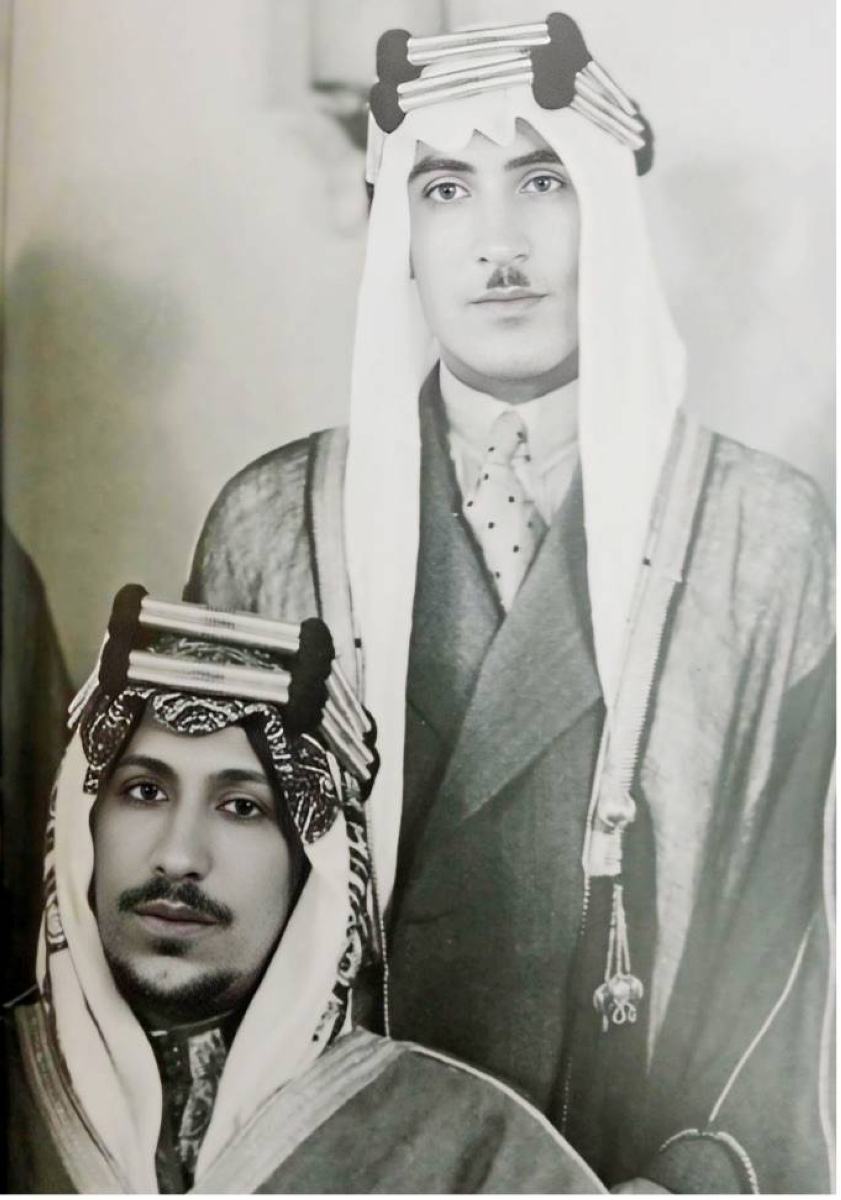
أجلتُ كثيراً الكتابة عن المؤرخ والأديب والشاعر والسياسي والدبلوماسي والصحفي وجامع النفائس والمخطوطات السوري الأصل، البيروتي المولد، السعودي الجنسية، العروبي الهوى «خيرالدين الزركلي» (بكسر الزاي والراء وتسكين الكاف)، لأن التوثيق لشخصية علامة مثله ليس بالأمر السهل، فقد عاصر معظم الأحداث والمتغيرات العاصفة في بلاد العرب والعالم خلال القرن العشرين، وثار وناضل من أجل استقلال بلده الأم (سوريا)، وخدم أكثر من بلد وملك وحكومة، وجال في دول العالم موفداً ووزيراً ودبلوماسياً ومستشاراً وباحثاً، وشارك في أهم الاجتماعات العربية والدولية التي انبثقت منها منظمات اقليمية وعالمية.
الزركلي مع الملك الحسن الثاني إبان عمله
سفيراً للسعودية في المغرب.
عرفته وأنا في المرحلة الابتدائية، حينما قرأت له كتابه المعجمي الأشهر «الأعلام»، الذي كان يتصدر أرفف مكتبة مدرستي وقت أن كنت أميناً عاماً لها في صغري، وأتذكر أني كثيراً ما كنت أنسخ مقتطفات من هذا الكتاب الفخم لكي أنشره في صحف الحائط المدرسية. والكتاب عبارة عن قاموس يحتوي على تراجم لأشهر الرجال والنساء من العرب والمستعربين والمستشرقين، كتبت بلغة بليغة وأسلوب محايد، وأمضى الزركلي في تأليفه قرابة الستين عاماً من عمره ابتداء من عام 1912، ووصفه الإعلامي الصديق السفير تركي الدخيل، بأنه أضخم موسوعة تراجم في العصر الحديث، بينما قال عنه الأديب السعودي عبدالعزيز الرفاعي: «لقد قلت ذات مرة إنه لو سئلت عن أعظم كتاب عربي صدر في القرن الرابع عشر الهجري لقلت دون تردد إنه كتاب الأعلام للزركلي»، ولعل ما يميز هذا العمل الموسوعي عن غيره أن مؤلفه تفرد بالنظر إلى المستشرقين بوصفهم أعلاماً خدموا الثقافة العربية والإسلامية، ورفدوها بجهودهم وعلومهم ورحلاتهم ومؤلفاتهم وتدويناتهم.
الزركلي في أواخر حياته.
يعد الزركلي إحدى الشخصيات العربية، التي اعتمد عليها المغفور له الملك عبدالعزيز آل سعود طيب الله ثراه ونجلاه (سعود وفيصل) في الكثير من المهمات السياسية والدبلوماسية والإعلامية الرسمية في بدايات تأسيس أركان الدولة السعودية الثالثة، فقد كان ضمن ثلة من أفضل العقول والمواهب التي اختارها جلالته من دول عربية شتى لمعاونته في تسيير أمور بلاده الداخلية والخارجية، بسب نقص وندرة الكفاءات والخبرات المحلية آنذاك، ثم تمّ تجنيسها لاحقاً حينما أثبتت ولاءها وإخلاصها وتفانيها في خدمة المملكة العربية السعودية وأهدافها النبيلة.
الزركلي مع الملك فيصل يتحدثان إلى السياسي الفلسطيني عوني عبدالهادي في القاهرة.
وُلد «خير الدين بن محمود بن محمد بن علي بن فارس الزركلي» في بيروت بتاريخ 25 يونيو 1893، ابناً لأسرة دمشقية من أصول كردية، لكنه نشأ وترعرع في دمشق في ظل والده التاجر المعروف، وتعلم في مدارسها الأهلية، ونهل على يد معلميها الكثير من العلوم، ولاسيما علوم الأدب والنحو والبلاغة والشعر التي انجذب لها إلى درجة أنه نظم الشعر في صباه. أتم دراسته الثانوية (القسم العلمي) في المدرسة الهاشمية بدمشق قبيل الحرب العالمية الأولى، وبعد تخرجه من الهاشمية بامتياز وتفوق عمل بها مدرساً وهو لم يبلغ العشرين، وإبان ذلك قاده شغفه بالصحافة وذكاؤه وألمعيته إلى إصدار مجلة أسبوعية أطلق عليها «الأصمعي»، لكن السلطات العثمانية الحاكمة صادرتها. ويبدو أنه استاء من ذلك، فقرر الانتقال من دمشق إلى بيروت التي التحق فيها بالكلية العلمانية لدراسة الأدب الفرنسي. وحينما تخرج من هذه الكلية عمل بها أستاذاً للتاريخ والأدب العربي لبعض الوقت قبل أن يقرر العودة إلى دمشق أوائل اندلاع الحرب العالمية الأولى. في دمشق، وبعد انتهاء الحرب في عام 1918 وإبان العهد الفيصلي عاوده الحنين للعمل الصحفي فأصدر مع بعض من أصدقائه صحيفة يومية سموها «لسان العرب» لكنها توقفت لأسباب مالية، فشارك في تأسيس صحيفة يومية أخرى باسم «المفيد» سخّرها للهجوم على الاستعمار والمستعمرين الفرنسيين. وإبان هذه الفترة من حياته هيأ للطبع مجموعته الشعرية الأولى التي أطلق عليها «عبث الشباب»، لكن النيران التهمتها «فاسترحتُ منها وأرحت» بحسب قوله في ترجمة كتبها عن نفسه.
في تلك الترجمة نجده يقول إنه على إثر انتصار الفرنسيين في معركة ميسلون، وفي صباح اليوم الذي كانوا يدخلون فيه إلى دمشق سنة 1920، كان هو يغادرها إلى فلسطين ومصر والحجاز، فحكم الفرنسيون عليه بالإعدام غيابياً وقاموا بحجز أملاكه لدوره التحريضي ضدهم.
في عام 1921 حلّ الزركلي في الحجاز، فمنحته حكومة الأشراف الجنسية العربية الحجازية، بل ظن به شريف مكة الحسين بن علي ظناً حسناً فانتدبه لمساعدة ابنه الأمير (الملك) عبدالله بن الحسين وهو في طريقه إلى شرق الأردن لتأسيس دولته. ما فعله الزركلي آنذاك كان الذهاب إلى مصر فالقدس لاصطحاب جماعة منهما إلى عمّان، كي تمهد معه السبيل لدخول الأمير عبدالله بن الحسين إلى عمّان من أجل تأسيس حكومته الأولى. في هذه الحكومة الأردنية الوليدة تم إسناد منصب مفتش عام المعارف للزركلي، ومنه ترقى فتولى في الفترة ما بين عامي 1921 و1923 منصب رئيس ديوان رئاسة الحكومة. يقول الزركلي إنه في تلك الفترة قررتْ حكومة الجمهورية الفرنسية إلغاء حكم الإعدام الصادر بحقه، الأمر الذي سمح له العودة إلى دمشق لاصطحاب أسرته منها إلى عمان.
في عام 1923 اختلف مع الأمير عبدالله الحسين حول سياساته وتوجهاته، فترك عمله في عمّان وسافر إلى مصر حيث أسس في القاهرة أواخر سنة 1923 «المطبعة العربية» التي تولت طباعة بعض مؤلفاته ومؤلفات غيره، قبل أن تسوء صحته من العمل بالمطبعة ويقرر بيعها في عام 1927 وينصرف إلى الراحة والاستجمام. وإبان انشغاله بمطبعته المصرية ثار السوريون سنة 1925 على الاحتلال الفرنسي، فشارك في ثورتهم بقصائد وطنية حماسية كان يرسلها سراً للنشر في الصحف السورية والعربية، ما جعلها أنشودة على كل لسان في شوارع المدن السورية الثائرة كما استغل العلاقات الحميمة التي كونها في مصر مع كتابها وشعرائها ومفكريها في التحشيد الجماهيري لنصرة القضية السورية ومساعدة السوريين الثائرين. وهذا أزعج الفرنسيين بطبيعة الحال، وتسبب في إصدارهم حكم إعدام غيابياً جديداً بحقه، معطوفاً على مطالبة الحكومة المصرية بإسكاته أو طرده من القاهرة. والجدير بالذكر أن أحد الذين استنجد بهم الزركلي لدعم قضية وطنه الأم هو أمير الشعراء أحمد شوقي الذي ألقى في عام 1926 من خلال حفل أقيم بالقاهرة قصيدته الشهيرة التي يقول مطلعها:
سلام من صبا بردى أرقّ
ودمع لا يكفكف يا دمشق
في عام 1930 زار الزركلي القدس والتقى فيها بصديقين فقرروا معاً إصدار جريدة «الحياة» اليومية، لكن الحكومة الإنجليزية عطلتها بسبب نهجها العروبي القومي المقاوم للمستعمرين، على إثر ذلك اتفق مع آخرين على تأسيس جريدة يومية أخرى في يافا، وأعدوا لها مطبعة وأصدروا العدد الأول منها، لكنه تركها لصحبه الذين واصلوا إصدارها.
أما السبب في تركه العمل الصحفي فجأة، فيعود إلى حدث مفصلي غيّر مجرى حياته كلياً. ففي تلك الفترة فاتحه الأمير فيصل بن عبدالعزيز آل سعود وزير الخارجية ونائب الملك في الحجاز بالعمل لدى الحكومة السعودية للاستفادة من علمه وخبراته، فوافق شاكراً. وهكذا تمّ تعيينه في عام 1934 مستشاراً للوكالة (ثم المفوضية) العربية السعودية بمصر. وبصفته تلك، وباسم المملكة العربية السعودية، شارك في الكثير من الاجتماعات والمداولات التي سبقت تأسيس جامعة الدول العربية، بل وقع باسم السعودية على ميثاقها سنة 1945. وفي العام التالي صدر مرسوم ملكي سعودي قضى بأن يتناوب الزركلي، مع مواطنه السوري الأصل السعودي الجنسية «يوسف ياسين» نائب وزير الخارجية، على العمل في وزارة الخارجية وفي الجامعة العربية. واستمر كذلك إلى أن صدر مرسوم ملكي آخر في سنة 1951 قضى بتعيينه وزيراً مفوضاً ومندوباً دائماً للسعودية لدى جامعة الدول العربية في مقرها بالقاهرة، حيث شعر وقتها بنوع من الاستقرار، وأتيح له من الوقت ما يكفي لإنهاء كتابه الأهم «الأعلام» ودفعه إلى المطابع.
أتاح له العمل مع الحكومة السعودية فرصة السفر إلى مناطق مختلفة من أجل تمثيلها، فاستفاد كثيراً باعترافه. حيث سافر إلى انجلترا في عام 1946 ومنها إلى فرنسا لتمثيل السعودية في اجتماعات المؤتمر الطبي الأول بباريس. وفي عام 1947 جال لمدة سبعة أشهر في الولايات المتحدة في مهمة رسمية غير سياسية، حضر خلالها بعض اجتماعات هيئة الأمم المتحدة. وفي عام 1954 أرسل إلى أثينا كوزير مفوض ومندوب فوق العادة للمملكة العربية السعودية، وفي العام التالي (1955) سافر إلى تونس كممثل للسعودية في مؤتمر أقامه الحزب الدستوري التونسي، فمرّ في طريق عودته بإيطاليا، حيث مكث بها شهرين لزيارة مكتباتها. وفي عام 1957 تمّ تعيينه سفيراً ومندوباً من الدرجة الممتازة في المغرب، التي أمضى بها نحو ست سنوات آلت إليه خلالها عمادة السلك الدبلوماسي لمدة ثلاث سنوات. وفي عام 1963 دهمه المرض وهو في المغرب فاستدعي إلى الرياض، حيث طلب وقتها من الملك فيصل أن يُحال على التقاعد، لكن الملك خاطبه مازحاً بقوله «سأعتصرك لآخر قطرة فيك»، طبقاً لما رواه الباحث أحمد العلاونة في كتابه عن الزركلي. وانتهى الموضوع بأن منحه الملك إجازة مفتوحة للراحة والعلاج والاستجمام، وأيضاً لإنجاز كتابه «شبه الجزيرة العربية في عهد الملك عبدالعزيز».
اختار الزركلي الإقامة في بيروت التي يعرفها جيداً. وكافأه الفيصل على جهوده وخدماته للدولة السعودية بأن خصص له في بيروت شقة وسيارة وسائقاً وخادماً (لأن أسرته كانت بعيدة عنه في القاهرة)، فعكف على إنجاز كتابه المذكور إلى أن هيأه للطباعة في عام 1970. وكان إبان ذلك يزور بين الحين والآخر الرياض ودمشق والقاهرة وإسطنبول وروما، ويتردد على سويسرا للعلاج من أمراض القلب. واستمر على هذا الحال حتى وافته المنية وهو في القاهرة بين أسرته. ففي يوم الخميس الموافق 25 نوفمبر سنة 1976 طوى الموت العلم الذي خلّد الأعلام.. مات الزركلي عن 83 عاماً، فحزن عليه ونعاه الكثيرون من أصدقائه وزملائه وتلامذته، وتمت الصلاة عليه في اليوم التالي بمسجد عمر مكرم ودُفن بالقاهرة. وفي يناير 1977 أقام له النادي العربي بدمشق حفل تأبين كبيراً. وتخليداً لذكراه أطلقت وزارة التربية السورية اسمه على إحدى مدارس دمشق، وسُمي شارع باسمه في العاصمة السعودية، الرياض.
ونختتم بالإشارة إلى أن الزركلي، الذي ألف عشرة كتب مختلفة في التاريخ والسياسة والشعر والقصة والتراجم، حصل على عضوية المجمع العلمي العربي بدمشق في عام 1930، وعضوية مجمع اللغة العربية بالقاهرة في عام 1946، وعضوية المجمع العلمي العراقي ببغداد في عام 1960، وكتب العديد من القصائد في الحنين إلى الوطن والدعوة إلى النهضة والتحرر، مستخدماً النمط السهل الواضح، وأحياناً الأسلوب القصصي وفق طريقة الشاعر المصري حافظ إبراهيم، لكنه اعترف أنه فضّل التفرغ للبحث والتأليف على نظم القصائد، فكانت مساهماته الشعرية أقل من مساهماته النثرية.
ونظراً لأهمية وشمولية معجمه عن «الأعلام»، تولى المؤرخ والباحث السوري محمد خير رمضان يوسف استكمال المعجم من حيث انتهى الزركلي، لكنه لم يلتزم بالحياد الذي اتصف به الزركلي في ترجمته للأعلام وخلفياتهم، وإنما صنفهم بنفس يتسق مع مرجعته الإخوانية. فقد وصف من لم تعجبه آراؤه بالمجرم أو العلماني أو الطاغية، بينما وصف آخرين يتفق معهم فكرياً بالمجاهد والإمام والمعلم، وهكذا.
I delayed writing about the historian, writer, poet, politician, diplomat, journalist, and collector of rare books and manuscripts of Syrian origin, born in Beirut, of Saudi nationality, and with Arab nationalist sentiments, "Khayr al-Din al-Zurqili" (with a broken zay and ra and a silent kaf), because documenting the life of such a prominent figure is not an easy task. He witnessed most of the tumultuous events and changes in the Arab world and the globe during the twentieth century, and he revolted and fought for the independence of his homeland (Syria). He served multiple countries, kings, and governments, traveled the world as an envoy, minister, diplomat, advisor, and researcher, and participated in the most important Arab and international meetings that led to the establishment of regional and global organizations.
الزركلي مع الملك الحسن الثاني إبان عمله
سفيراً للسعودية في المغرب.
I first became acquainted with him while I was in elementary school when I read his most famous dictionary book, "Al-A'lam," which was prominently displayed on the shelves of my school library when I was the secretary-general of it in my youth. I remember that I often copied excerpts from this magnificent book to publish in the school wall newspapers. The book is a dictionary containing biographies of the most famous men and women from Arabs, Arabists, and Orientalists, written in eloquent language and a neutral style. Al-Zurqili spent nearly sixty years of his life writing it, starting from 1912. The media friend, Ambassador Turki Al-Dakhil, described it as the largest encyclopedia of biographies in modern times, while the Saudi writer Abdulaziz Al-Rifai said: "I once said that if I were asked about the greatest Arabic book published in the fourteenth Hijri century, I would say without hesitation that it is Al-A'lam by Al-Zurqili." Perhaps what distinguishes this encyclopedic work from others is that its author uniquely viewed Orientalists as figures who served Arab and Islamic culture, enriching it with their efforts, sciences, travels, writings, and records.
الزركلي في أواخر حياته.
Al-Zurqili is considered one of the Arab figures whom the late King Abdulaziz Al Saud, may God rest his soul, and his sons (Saud and Faisal) relied upon for many political, diplomatic, and media tasks during the early establishment of the foundations of the Third Saudi State. He was among a select group of the best minds and talents chosen by His Majesty from various Arab countries to assist him in managing the internal and external affairs of his country due to the lack and scarcity of local competencies and expertise at the time. They were later granted citizenship after proving their loyalty, dedication, and commitment to serving the Kingdom of Saudi Arabia and its noble goals.
الزركلي مع الملك فيصل يتحدثان إلى السياسي الفلسطيني عوني عبدالهادي في القاهرة.
Khayr al-Din bin Mahmoud bin Muhammad bin Ali bin Faris al-Zurqili was born in Beirut on June 25, 1893, to a Damascene family of Kurdish origins, but he grew up in Damascus under his well-known merchant father. He was educated in its private schools and learned a great deal from its teachers, especially in literature, grammar, rhetoric, and poetry, to the extent that he composed poetry in his youth. He completed his secondary education (scientific section) at the Hashimiyya School in Damascus just before World War I, and after graduating with distinction, he worked there as a teacher before he turned twenty. During that time, his passion for journalism, intelligence, and brilliance led him to publish a weekly magazine called "Al-Asma'i," but the ruling Ottoman authorities confiscated it. It seems he was displeased by this, so he decided to move from Damascus to Beirut, where he enrolled in the secular college to study French literature. After graduating from this college, he worked as a professor of history and Arabic literature for a while before deciding to return to Damascus at the beginning of World War I. In Damascus, after the war ended in 1918 and during the Faisal era, he felt nostalgic for journalism and, along with some friends, published a daily newspaper called "Lisan al-Arab," but it ceased due to financial reasons. He then participated in founding another daily newspaper called "Al-Mufeed," which he dedicated to attacking colonialism and the French colonizers. During this period of his life, he prepared his first poetry collection for publication, which he called "The Youth's Frivolity," but the flames consumed it, as he said in a biography he wrote about himself: "I was relieved of it and it relieved me."
In that biography, he states that following the French victory at the Battle of Maysalun, on the morning they were entering Damascus in 1920, he was leaving for Palestine, Egypt, and Hijaz. The French sentenced him to death in absentia and confiscated his property for his incitement against them.
In 1921, Al-Zurqili arrived in Hijaz, where the Sharif government granted him Hijazi Arab citizenship. The Sharif of Mecca, Hussein bin Ali, had a good opinion of him and appointed him to assist his son, Prince (King) Abdullah bin Hussein, on his way to East Jordan to establish his state. What Al-Zurqili did then was to go to Egypt and Jerusalem to bring a group from them to Amman, to pave the way for Prince Abdullah bin Hussein's entry into Amman to establish his first government. In this nascent Jordanian government, Al-Zurqili was appointed as the Inspector General of Education, and he later rose to the position of Head of the Government Presidency between 1921 and 1923. Al-Zurqili states that during that time, the French Republic decided to revoke the death sentence issued against him, which allowed him to return to Damascus to bring his family to Amman.
In 1923, he disagreed with Prince Abdullah Hussein over his policies and directions, so he left his job in Amman and traveled to Egypt, where he established in Cairo at the end of 1923 the "Arab Press," which printed some of his works and those of others. However, his health deteriorated from working at the press, and he decided to sell it in 1927 and retire to rest and recuperation. During his time managing his Egyptian press, the Syrians revolted against the French occupation in 1925, and he participated in their revolution with patriotic poems that he secretly sent for publication in Syrian and Arab newspapers, making them an anthem on every tongue in the streets of the rebellious Syrian cities. He also exploited the close relationships he built in Egypt with its writers, poets, and intellectuals to mobilize public support for the Syrian cause and assist the rebellious Syrians. This naturally annoyed the French, leading to the issuance of a new death sentence against him in absentia, along with the Egyptian government's demand to silence him or expel him from Cairo. Notably, one of those Al-Zurqili sought help from to support his homeland's cause was the Prince of Poets, Ahmed Shawqi, who recited his famous poem in 1926 during a ceremony held in Cairo, which begins with:
Peace from the breeze of Barada, I send
And tears that do not cease, O Damascus.
In 1930, Al-Zurqili visited Jerusalem and met there with two friends, and they decided together to publish the daily newspaper "Al-Hayat," but the British government suspended it due to its Arab nationalist stance against the colonizers. Following that, he agreed with others to establish another daily newspaper in Jaffa, prepared a press for it, and published its first issue, but he left it to his companions who continued to publish it.
The reason for his sudden departure from journalism was due to a pivotal event that completely changed the course of his life. During that time, Prince Faisal bin Abdulaziz Al Saud, the Minister of Foreign Affairs and Deputy King in Hijaz, approached him to work for the Saudi government to benefit from his knowledge and experience, and he gratefully agreed. Thus, he was appointed in 1934 as an advisor to the (then Commission) Saudi Arabian agency in Egypt. In that capacity, and on behalf of the Kingdom of Saudi Arabia, he participated in many meetings and discussions that preceded the establishment of the Arab League, and he even signed its charter on behalf of Saudi Arabia in 1945. The following year, a Saudi royal decree stipulated that Al-Zurqili, along with his fellow Syrian-born Saudi citizen "Yusuf Yasin," Deputy Minister of Foreign Affairs, would alternate working in the Ministry of Foreign Affairs and the Arab League. He continued in this role until another royal decree in 1951 appointed him as Minister Plenipotentiary and Permanent Representative of Saudi Arabia to the Arab League at its headquarters in Cairo, where he felt a sense of stability and had enough time to finish his most important book, "Al-A'lam," and send it to the printers.
His work with the Saudi government provided him with opportunities to travel to various regions to represent it, which he greatly benefited from, as he acknowledged. He traveled to England in 1946 and then to France to represent Saudi Arabia at the first medical conference in Paris. In 1947, he spent seven months in the United States on an official non-political mission, during which he attended some United Nations meetings. In 1954, he was sent to Athens as Minister Plenipotentiary and Extraordinary Representative of the Kingdom of Saudi Arabia, and the following year (1955), he traveled to Tunisia as a representative of Saudi Arabia at a conference held by the Tunisian Constitutional Party. On his way back, he passed through Italy, where he stayed for two months to visit its libraries. In 1957, he was appointed as Ambassador and Extraordinary Representative in Morocco, where he spent about six years and served as the Dean of the Diplomatic Corps for three years. In 1963, he fell ill while in Morocco and was summoned to Riyadh, where he requested at that time from King Faisal to retire, but the king jokingly replied, "I will squeeze you for the last drop in you," according to what researcher Ahmed Al-Alawneh narrated in his book about Al-Zurqili. The matter ended with the king granting him an open leave for rest, treatment, and relaxation, as well as to complete his book "The Arabian Peninsula in the Era of King Abdulaziz."
Al-Zurqili chose to reside in Beirut, which he knew well. King Faisal rewarded him for his efforts and services to the Saudi state by providing him with an apartment, a car, a driver, and a servant in Beirut (since his family was far from him in Cairo). He dedicated himself to completing his aforementioned book until he prepared it for printing in 1970. During that time, he would occasionally visit Riyadh, Damascus, Cairo, Istanbul, and Rome, and he frequently traveled to Switzerland for treatment of heart ailments. He continued in this state until he passed away in Cairo among his family. On Thursday, November 25, 1976, death closed the chapter of a scholar who immortalized the notable figures. Al-Zurqili died at the age of 83, and many of his friends, colleagues, and students mourned him. He was prayed for the next day at the Omar Makram Mosque and was buried in Cairo. In January 1977, the Arab Club in Damascus held a grand memorial service for him. To commemorate his memory, the Syrian Ministry of Education named one of the schools in Damascus after him, and a street in the Saudi capital, Riyadh, was named in his honor.
We conclude by noting that Al-Zurqili, who authored ten different books in history, politics, poetry, fiction, and biographies, became a member of the Arab Scientific Academy in Damascus in 1930, a member of the Arabic Language Academy in Cairo in 1946, and a member of the Iraqi Scientific Academy in Baghdad in 1960. He wrote many poems expressing nostalgia for his homeland and calling for revival and liberation, using a clear and simple style, and sometimes a narrative style in the manner of the Egyptian poet Hafiz Ibrahim. However, he admitted that he preferred to dedicate himself to research and authorship rather than composing poems, so his poetic contributions were less than his prose contributions.
Due to the importance and comprehensiveness of his dictionary on "Al-A'lam," the Syrian historian and researcher Muhammad Khair Ramadan Yusuf took on the task of completing the dictionary from where Al-Zurqili left off, but he did not adhere to the neutrality that characterized Al-Zurqili in his biographies of figures and their backgrounds. Instead, he classified them in a manner consistent with his Brotherhood reference. He described those whose opinions he did not like as criminals, secularists, or tyrants, while he described others with whom he agreed ideologically as fighters, imams, and teachers, and so on.