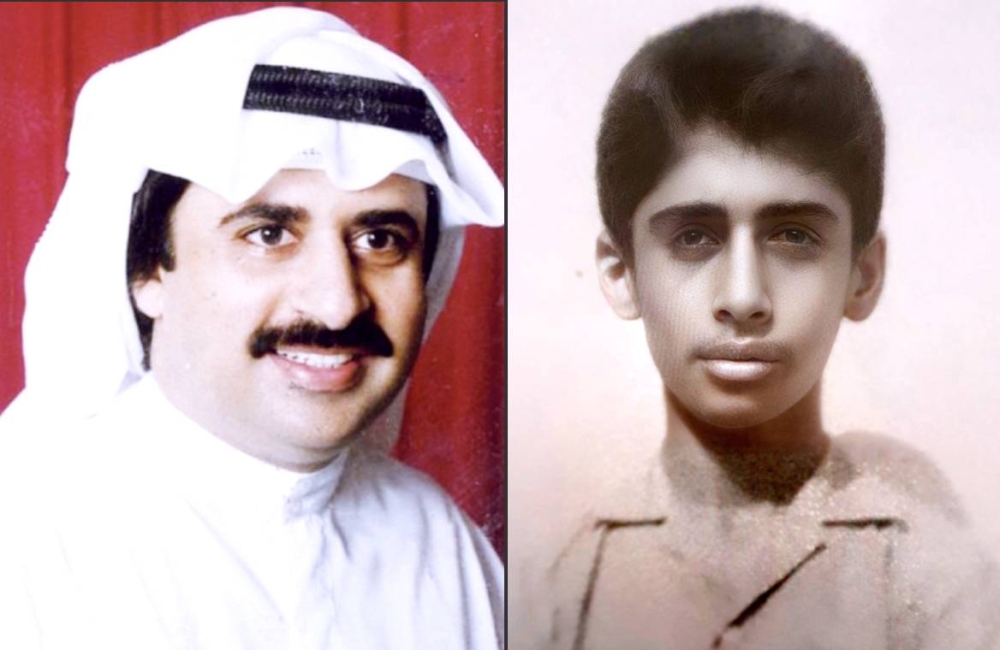
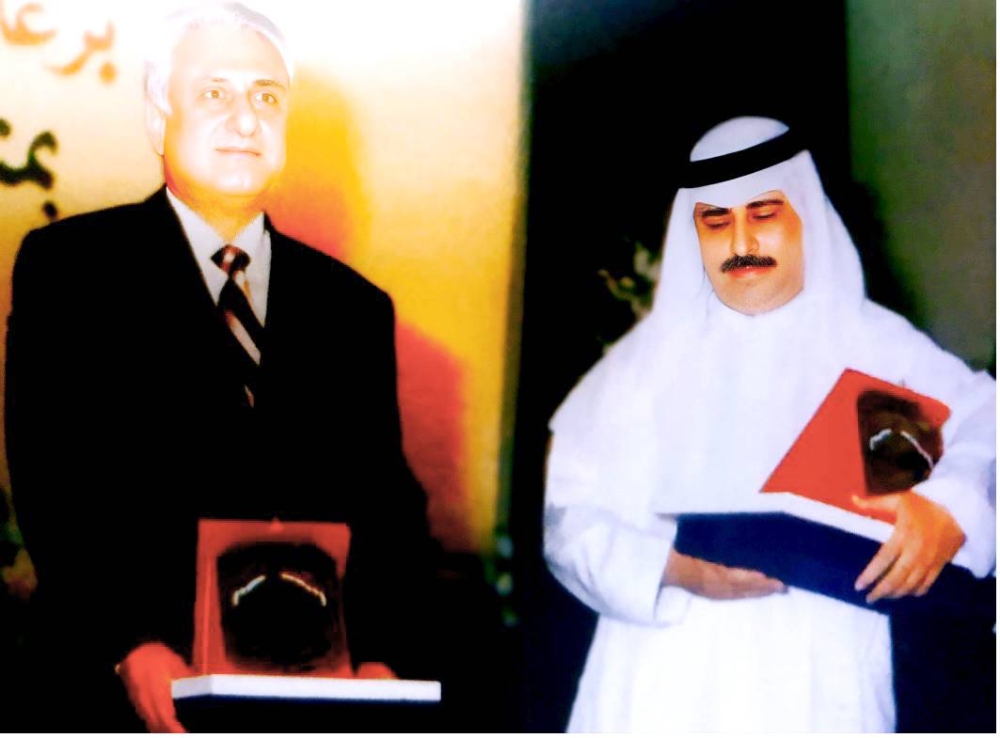
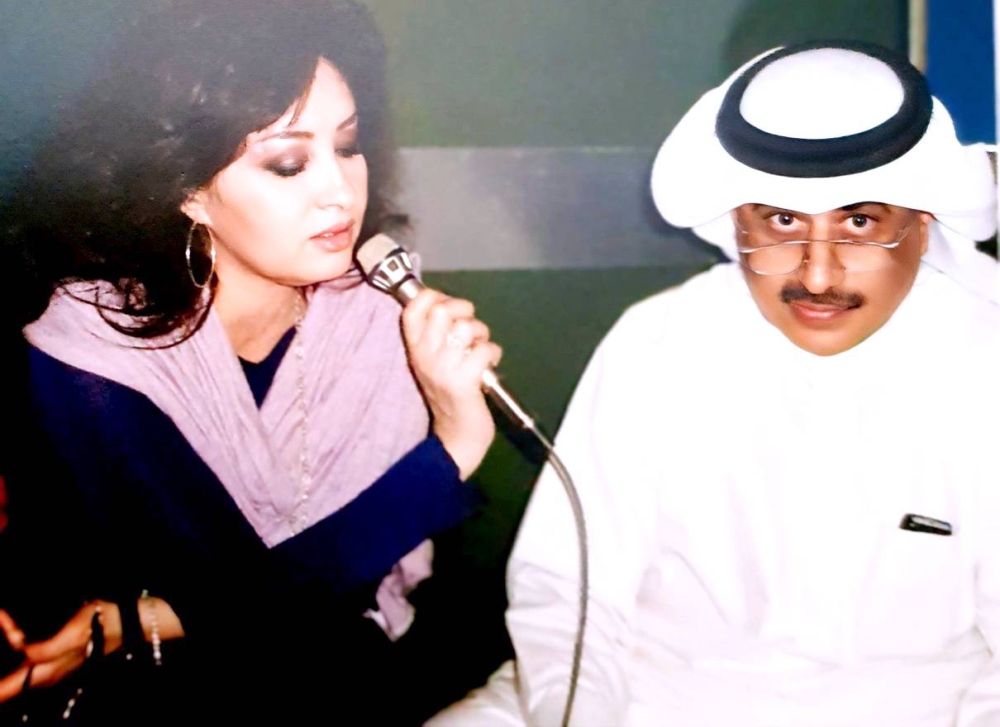
إذا كان للحركة الفنية الموسيقية في قطر أب، فهو بلا شك الفنان القدير الراحل عبدالعزيز ناصر، الذي بدأ مشواره وهو شاب يافع من حي «الجسرة» المواجه لساحل بحر الخليج.. ذلك الساحل الذي نشأ على ضفافه وسبح في مياهه وعزف على أمواجه أجمل الألحان والسمفونيات. ففي عام 1966، وهو لم يتعدَّ سن الرابعة عشرة أسس ومجموعة من أصدقائه من هواة العزف والغناء «فرقة الأضواء» الموسيقية التي لم يكن لها وقتذاك مسرح أو مقر، فوجدت ضالتها لدى «نادي الجسرة». في أحضان هذا النادي الاجتماعي الثقافي العريق كبرت الفرقة وكبر هو معها، وراح ينقش اسمه بثقة على جدرانه وزواياه لحناً ونغماً آسراً ممزوجاً بحب الوطن وعشق ترابه.
عبدالعزيز ناصر أحمد العبيدان فخرو، المولود في الدوحة في الأول من يناير 1952، الذي وافته المنية في 22 يوليو 2016 عن 64 سنة إثر وعكة صحية فصُلي عليه ودُفن في اليوم نفسه في مقبرة مسيمير، قضى خمسين عاماً من حياته منخرطاً في العمل الموسيقي، هواية وتطوعاً ودراسة وبحثاً في التراث القطري أو تدويناً وتوثيقاً وتسجيلاً لأجمل الألحان العاطفية والوطنية والتراثية. ولم يشأ الرجل الجميل في محيّاه، الأنيق في ملبسه، النبيل في أخلاقه، الرفيع في ذوقه وفنه، المتواضع في سلوكه، أن يرحل دون أن يترك للمكتبة العربية والخليجية كتاباً يروي فيه سيرته العطرة مع إهداء إلى «الحالمين بعالم أفضل». إذ إنه رحمه الله كتب سيرته وأشرف على تدقيقها قبل وفاته، ثم طُبعت في كتاب جرى إطلاقه خلال أمسية ثقافية في «سوق واقف» في مارس 2018 بحضور حشد من رجال الفكر والفن والإعلام، يتقدمهم زملاؤه وأحبابه ورفاقه في «نادي الجسرة»، ملعب فنه ومنارته الأولى.
وأثناء «مهرجان العود»، الذي أُقيم بدار الأوبرا في الدوحة في مايو 2020، تذكر الحضور سيد العود القطري الغائب بجسد والحاضر بفنه، وسُجل عن رفيق دربه الباحث مرزوق بشير قوله: «لو كان المرحوم مجرد ملحن فهذا بحد ذاته يكفيه، لكنه كان منذ صباه صاحب مشروع فني ورؤية واضحة لم تَنْتَبْهَا غشاوة، وكانت رؤيته هي وضع الفن الغنائي لوطنه على خريطة الفن العربي والإنساني»، وأضاف في كلمة كتبها في صفحته على «فيسبوك»: «عبدالعزيز الذي وقف المجتمع مرة ضده، اليوم يقف له مع كل عزف للسلام الوطني». وكانت تلك إشارة ذكية وبليغة إلى بدايات مشوار عبدالعزيز ناصر في الفن التي وُوجهت وقتها بالرفض ووقوف المجتمع ضده لأسباب اجتماعية ودينية، ليتحول المشهد رأساً على عقب بوقوفهم معه وتقديرهم له كلما عُزف السلام الوطني لدولة قطر، الذي يعد أحد أبرز إنجازاته، كونه هو الذي صاغ لحناً في العام 1996 كلمات أول نشيد وطني لقطر من شعر الشيخ مبارك بن سيف آل ثاني.
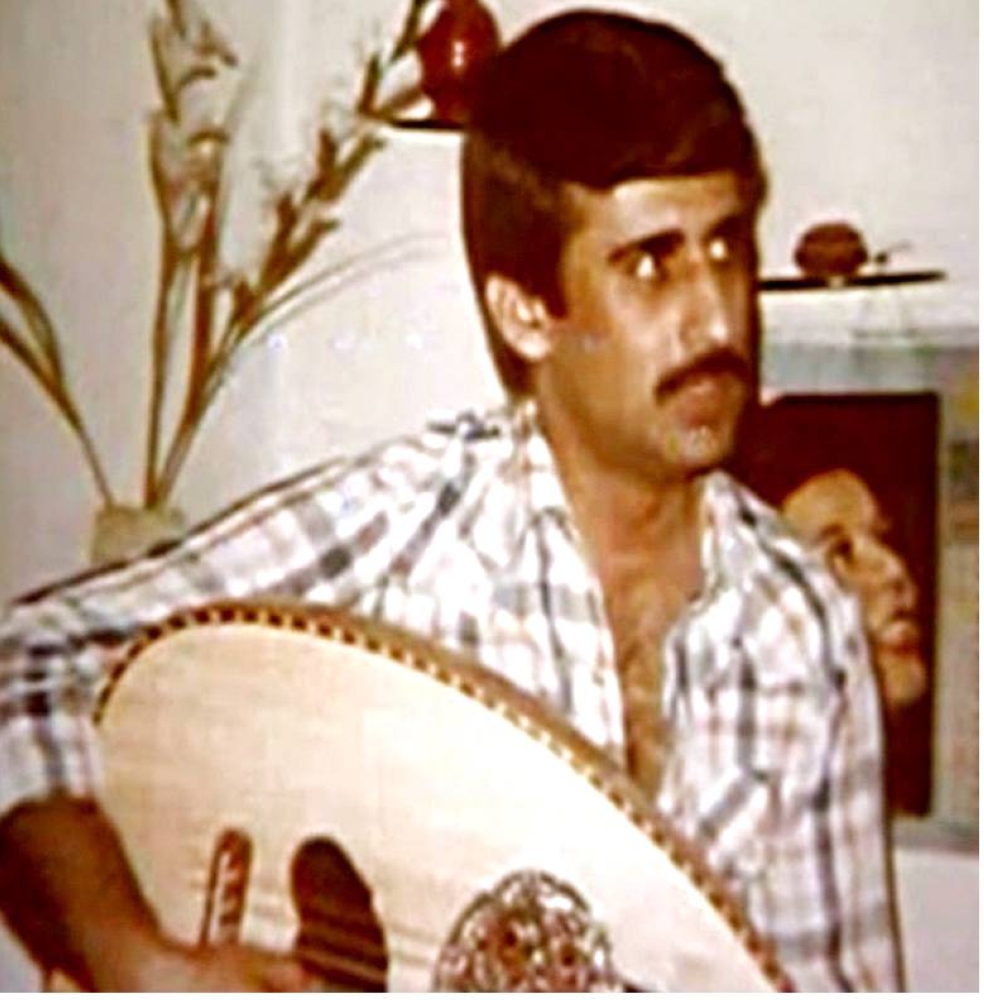
أخبرنا فناننا في بعض حواراته التلفزيونية أنه عاش طفولة سعيدة ممزوجة بحنان ودلال والديه وإخوته كونه الأصغر سناً في الأسرة، وأخبرنا أيضاً أن أسرته كانت منفتحة على الثقافة والفنون، فتعرف في طفولته على آلتَي العود والكمان وتعلم العزف عليهما، وشغف بمشاهدة الأفلام السينمائية من خلال شاشة عرض اشتراها له والده، لكن العائلة ترددت طويلاً في دعمه لما نما الى علمها أن ابنها في طريقه لاحتراف الموسيقى بسبب ضغوط اجتماعية مُورست عليها. يقول عبدالعزيز إنه واصل تمسكه بالفن كخيار لا بديل عنه إلى أن أذعن ذووه لقراره بتشكيل فرقة الأضواء الموسيقية واقتحام دار الإذاعة بها في بدايات تأسيس الأخيرة في ستينات القرن العشرين، حيث راح مع صحبه من أعضاء الفرقة يقدم الغناء والعزف والتمثيل عبر الأثير بشغف وحماس.
لم يكتفِ صاحبنا بذلك فقط وإنما كافح أيضاً من أجل تغيير النظرة السلبية إلى الموسيقى والموسيقيين داخل مجتمعه، فنراه مثلاً يستلّ قلمه ويكتب في مجلة «الدوحة» مقالات يعبّر فيها عن ألمه وصدمته من مقاومة البعض للموسيقى في القرن العشرين، بينما «كانت الموسيقى عند علماء المسلمين، منذ أكثر من ستة قرون، علماً من العلوم، يجرون عليها أبحاثهم، وتتناولها أقلامهم وأفكارهم بالدراسة والتحليل، ويعقدون علاقة بينها وبين العلوم الأخرى، كعلم الرياضيات والطب وعلم الفلك، وإذا بها في القرن العشرين، تصبح عاراً على دارسها والمشتغلين بها». ويواصل الرجل دهشته فيقول: «وتزداد دهشتي حينما أجد التردد، من رجال العلم والمعرفة ونحن في القرن العشرين، في إدخال مادة التربية الموسيقية، كمادة دراسية، في المراحل الدراسية العامة».
وهكذا، نجده بمجرد إتمام دراسته الثانوية عام 1973 يقرر صقل مواهبه بالسفر إلى مصر للالتحاق بمعهد الموسيقى العربية في القاهرة، الذي منحه شهادة البكالوريوس بتقدير امتياز في عام 1977، ليصبح بذلك أول قطري يحمل مؤهلاً جامعياً في الموسيقى. غير أن الرجل فضّل البقاء في مصر لسنوات أخرى امتدت إلى عام 1980 بغرض الاستفادة القصوى من الكنوز الموسيقية وابداعات الموسيقيين في مصر.
وخلال هذه السنوات، وقبل عودته إلى بلاده، أنتج الكثير من إبداعاته الفنية بالتعاون مع عدد من الفنانين والفرق الموسيقية المصرية، ودوّن ووثّق موسيقياً وغنائياً في ستوديوهات القاهرة التراث القطري في برّه وبحره. بل إنه داوم على التردد على مصر حتى بعد عودته إلى قطر وتوليه منصب «المراقب العام للموسيقى والغناء بالهيئة العامة للإذاعة والتلفزيون»، وذلك من أجل أن يستكمل مشروعه الفني. هذا المشروع الذي قالت عنه الكاتبة المصرية مروة صلاح متولي في تقرير لها منشور في إحدى الصحف سنة 2022 إنه ينقسم إلى مراحل متميزة، منها مرحلة العودة إلى الجذور، المتمثلة في ألبوم (من وحي التراث القطري)، ومرحلة المحاولات الموسيقية البحتة بعيداً عن الغناء، ومرحلة التلحين للأصوات الفردية من نجوم الطرب العرب، ومرحلة الألحان الوطنية، ومرحلة تلحين الشعر.
ففي مرحلة محاولاته الموسيقية البحتة مثلاً نجده يلحّن لمجموعة من الفنانين من مختلف البلاد العربية مثل المغربية نعيمة سميح، والتونسيين لطفي بوشناق ولطيفة، والعراقي ماجد المهندس، والسورية أصالة، والمصريين كارم محمود وريهام عبدالحكيم وهاني شاكر وعلي الحجار ومدحت صالح، والقطريين فرج عبدالكريم وعلي عبدالستار والكويتي عبدالله رويشد، والإماراتية أحلام، واللبنانية سعاد محمد، والسعوديين طلال سلامة وعبدالمجيد عبدالله، والبحريني إبراهيم حبيب. وفي مرحلة تلحين الشعر نجده يلجأ إلى قصائد لكبار الشعراء العرب من أمثال نزار قباني ومحمود درويش وسميح القاسم وهارون هاشم رشيد وغيرهم، ليتلمّس في قصائدهم ما يؤرقه من هموم العرب وفي المقدمة بطبيعة الحال قضيتا «فلسطين» و«القدس» اللتان كان لهما نصيب الأسد في ألحانه الشعرية. أما في مرحلة الألحان الوطنية التي تتغنى بحب قطر، فقد أبدع أيّما إبداع في تلحين أغانٍ مثل: «الله يا عمري قطر» لمحمد الساعي من كلمات عبدالله عبدالكريم الحمادي، «قطر يا قدر مكتوب» من كلماته وألحانه وغناء راشد الماجد، «محتار يا بلادي شاغنيلك» من كلمات مرزوق البشير وغناء محمد الساعي، ناهيك عن تلحين نشيد «قسماً بمن رفع السماء» ليكون سلاماً وطنياً للبلاد كما أسلفنا. وأما في مرحلة بحثه وجمعه للتراث الغنائي القطري بهدف إعادة تقديمه بصياغة لحنية متطورة وتوزيع موسيقي ثري، فقد أجاد وأتقن كعادته من خلال قطع فلكلورية جميلة، منها: «الحنايا» (تعكس الروح الأصيلة والهوية الخالصة المرتبطة بالبحر والسفر للغوص على اللؤلؤ) و«يا العايدوه» (تعكس المرح الطفولي المرتبط بعيدَي الفطر والأضحى) و«القرنقعوه» (تعكس أجواء احتفال الأطفال بمنتصف شهر رمضان) و«حناج عيين» (تعكس الأفراح المرتبطة بحفلات الزفاف وليلة الحناء) و«الحية بية» (تعكس الصور المرتبطة بطقس من طقوس الأطفال في قطر ودول الخليج في يوم عرفة). وفي هذا السياق كتبت الباحثة المصرية مروى متولي قائلة: «لم يكن ذهاب عبدالعزيز ناصر إلى تراثه القطري، مجرد رغبة في العودة إلى الجذور، والحنين إلى الأصل وتعميق الارتباط به، بقدر ما كان بحثاً حقيقياً عن كيانه الذاتي الخاص، كموسيقار قطري أولاً، وموسيقار عربي بشكل عام. وتحقيق الالتقاء والتناغم بين الهوية القطرية، والهوية العربية في الموسيقى».
من وحي التراث
وفي السياق نفسه، قال الكاتب إبراهيم المطوع، الذي ألّف كتاب «الموسيقار عبدالعزيز ناصر.. رؤية فنية»، إن ناصر استوحى التراث القطري وقدّمه برؤيته في التلحين والتطوير كذلك التراث العربي الذي أصدر ألبوماً سمّاه «من وحي التراث العربي»، قدّم فيه اللونغا والسماعيات والموشحات تقديماً يعكس رؤيته الخاصة. وتحدث المطوع أيضاً عن جوانب أخرى من عبقرية فناننا فقال إنه اعتمد في تشكيل ملامح الأغنية القطرية الحديثة على مجموعة من العناصر مثل: الاهتمام بالمفردة الشعرية الحديثة، التأكيد على الهوية القطرية في العمل، وابتكار لون جديد في تقديم اللحن، والخروج على شكل الأغنية القديمة التي كانت ترتكز على تكرار الجملة الغنائية الواحدة. وأضاف أن الراحل استخدم في أعماله اللحن البسيط، وابتعد عن التعقيد، فاستطاع أن ينقل الأغنية القطرية بأسلوب مبهر جديد إلى مسار الانتشار، وذلك بتقديمها بلون قريب من لون الأغنية العربية مع الاحتفاظ بالحس والذوق الخليجي، كما استطاع بعبقريته نقل إيقاع «الفجري»، وهو الإيقاع القطري الخليجي البحت في أوزانه وتفعيلاته، إلى العالم العربي في أغنية «آه يا بيروت» بكل سهولة وسلاسة.
لفناننا الراحل عدد من الألبومات الغنائية التي حملت عناوين مثل: «الإنسان والأرض»، «ولهان ومسير» (اسم أغنية عاطفية جميلة بنفس العنوان من كلمات الشيخ عيسى بن راشد آل خليفة وغناء زميله الفنان علي عبدالستار)، «أصدر للورق همي» (اسم أغنية لحنها للفنان القطري فرج عبدالكريم)، «يا قدس يا حبيبتي» (اسم أغنية لحنها للطيفة التونسية من كلمات نزار قباني)، «أحبك موت» (اسم أغنية تتغنى بحب قطر من كلمات الدكتور حسن رشيد)، و«سفينة الأحزان» (اسم أغنية شارك في غنائها مع مجموعة من المطربين القطريين والعرب من كلمات نزار قباني)، وغيرها. كما شارك فناننا في وضع الموسيقى والألحان المرافقة لعدد من المسلسلات التلفزيونية مثل: «أحلى الأيام»، «بنات الفريج»، «الفرسان الثلاث»، «حكايات صلبوخ»، «مغامرات جاسم»، «مغامرات سعدون»، «تناتيف»، «الناس بيزات»، «صار وش كان»، والأجزاء المختلفة من مسلسل «فايز التوش».
أوسمة وجوائز وشهادات تقدير
كان فناننا عضواً في مجلس أمناء أكاديمية الموسيقى في قطر، ومثّل بلاده في عضوية المجلس التنفيذي في المجمع العربي للموسيقى. وعلى مدى مشواره الفني الطويل، حصد العديد من الأوسمة والجوائز وشهادات التقدير، ومنها: جائزة الدولة التقديرية في مجال الموسيقى عام 2006، وسام التكريم من قادة دول مجلس التعاون الخليجي في مسقط عام 1989، وسام التكريم من مهرجان الخليج السابع للإنتاج الإذاعي والتلفزيوني بمملكة البحرين عام 2001، ومن معهد حلب للموسيقى بسوريا عام 2002، ومن المهرجان العاشر للإنتاج الإذاعي والتلفزيوني بمصر عام 2004، ومن المجمع العربي للموسيقى عام 2013.
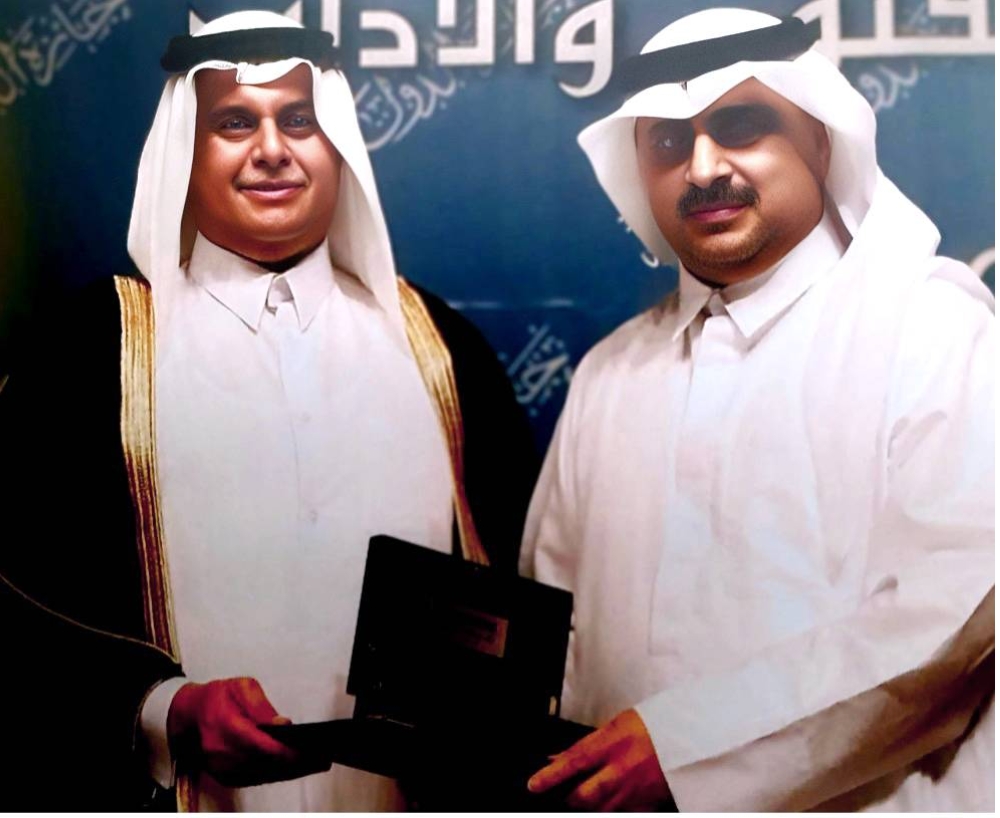
إلى ذلك، حصلت مجموعة من أعماله على الجوائز الذهبية وشهادات التقدير، مثل: أغنية «يا قدس يا حبيبتي» التي حصلت على الجائزة الذهبية في مهرجان القاهرة السابع للإذاعة والتلفزيون 2001، وأغنية «الطفل والعصفور» التي حصلت على شهادة تقدير من مهرجان القاهرة السابع للإذاعة والتلفزيون 2001، وأغنية «تصدق» من أداء لطفي بوشناق التي حصلت على جائزتين ذهبيتين عن أفضل لحن وأفضل أداء من المهرجان العاشر للإنتاج الإذاعي والتلفزيوني بالقاهرة عام 2004. أما آخر تكريم حظي به قبل رحيله فقد كان حصوله على الجائزة الذهبية من قبل المؤسسة العامة للحي الثقافي (كتارا) أثناء توزيع جوائز النسخة الرابعة من حفل توزيع جوائز الأوسكار للأوبرا والغناء الكلاسيكي، في ديسمبر عام 2014. وفي عام 2017 أصدر الزميل الدكتور أحمد عبدالملك كتاباً من 347 صفحة عن مسيرة الراحل وأعماله وعطاءاته الفنية بعنوان «عبدالعزيز ناصر، رحلة الحب والوفاء». وبعد وفاته تقرر في 24 يوليو 2016 إطلاق اسمه على مسرح الريان، أكبر مسرح مغلق في قطر، والواقع بسوق واقف في العاصمة الدوحة، وذلك تقديراً لجهوده وعطائه وتخليداً لذكراه العطرة.
If the musical artistic movement in Qatar has a father, it is undoubtedly the late esteemed artist Abdulaziz Nasser, who began his journey as a young boy from the "Al-Jasra" neighborhood facing the shores of the Gulf Sea.. that shore where he grew up along its banks, swam in its waters, and played the most beautiful melodies and symphonies on its waves. In 1966, when he was only fourteen years old, he founded, along with a group of friends who shared his passion for playing and singing, the "Al-Adwaa" musical band, which at that time had no theater or headquarters, finding its refuge at the "Al-Jasra Club." In the embrace of this prestigious social and cultural club, the band grew, and so did he, as he confidently etched his name on its walls and corners with captivating melodies and tunes infused with love for his homeland and passion for its soil.
Abdulaziz Nasser Ahmed Al-Baydan Al-Fakhroo, born in Doha on January 1, 1952, passed away on July 22, 2016, at the age of 64 due to a health crisis, and was prayed upon and buried on the same day in the Musaimir cemetery. He spent fifty years of his life immersed in musical work, as a hobby, in volunteering, studying, researching Qatari heritage, and documenting and recording the most beautiful romantic, national, and heritage melodies. The beautiful man with a charming face, elegant in his attire, noble in his morals, refined in his taste and art, and humble in his behavior, did not wish to leave this world without leaving a book for the Arab and Gulf libraries that narrates his fragrant biography, dedicated to "those dreaming of a better world." Indeed, he wrote his biography and oversaw its editing before his passing, which was then published in a book launched during a cultural evening at "Souq Waqif" in March 2018, attended by a crowd of thinkers, artists, and media personnel, led by his colleagues, loved ones, and companions from the "Al-Jasra Club," the playground of his art and his first beacon.
During the "Oud Festival," held at the Opera House in Doha in May 2020, attendees remembered the master of the Qatari oud, who was absent in body but present in spirit, and a statement from his companion, researcher Marzouq Bashir, was recorded: "If the late was merely a composer, that would be enough for him, but since his youth, he had an artistic project and a clear vision that was not clouded by any veil, and his vision was to place the singing art of his homeland on the map of Arab and human art." He added in a message he wrote on his Facebook page: "Abdulaziz, who once faced opposition from society, today stands with every performance of the national anthem." This was a clever and eloquent reference to the beginnings of Abdulaziz Nasser's artistic journey, which was met with rejection and societal opposition for social and religious reasons, only for the scene to turn upside down as they stood with him and appreciated him every time the national anthem of Qatar was played, which is considered one of his most significant achievements, as he composed the melody in 1996 for the words of the first national anthem of Qatar by Sheikh Mubarak bin Saif Al Thani.
Our artist told us in some of his television interviews that he had a happy childhood filled with the affection and pampering of his parents and siblings, being the youngest in the family. He also informed us that his family was open to culture and the arts, so he became acquainted with the oud and violin in his childhood and learned to play them. He developed a passion for watching films through a projector that his father bought for him, but the family hesitated for a long time to support him when they learned that their son was on the path to professional music due to social pressures exerted on them. Abdulaziz states that he continued to cling to art as an irreplaceable choice until his family yielded to his decision to form the Al-Adwaa musical band and to invade the radio house with it in the early establishment of the latter in the 1960s, where he and his band members passionately presented singing, playing, and acting over the airwaves.
Not only did our friend stop there, but he also fought to change the negative perception of music and musicians within his community. For instance, we see him taking up his pen to write articles in "Doha" magazine expressing his pain and shock at the resistance of some to music in the twentieth century, while "music for Muslim scholars, for more than six centuries, was a science studied, researched, and analyzed, and they established a relationship between it and other sciences, such as mathematics, medicine, and astronomy, only for it to become, in the twentieth century, a disgrace to its students and practitioners." The man continues his astonishment, saying: "My astonishment grows when I find hesitation from men of science and knowledge, while we are in the twentieth century, in introducing music education as a subject in general education stages."
Thus, we find him, upon completing his secondary education in 1973, deciding to refine his talents by traveling to Egypt to join the Arab Music Institute in Cairo, which awarded him a Bachelor's degree with honors in 1977, making him the first Qatari to hold a university degree in music. However, he preferred to stay in Egypt for several more years, extending until 1980, to maximize his benefit from the musical treasures and the creativity of musicians in Egypt.
During these years, and before returning to his country, he produced many of his artistic creations in collaboration with several Egyptian artists and musical bands, documenting and musically recording Qatari heritage in its land and sea in Cairo's studios. He continued to visit Egypt even after returning to Qatar and taking on the position of "General Supervisor of Music and Singing at the Qatar General Authority for Radio and Television," in order to complete his artistic project. This project, which Egyptian writer Marwa Salah Metwally described in a report published in a newspaper in 2022, is divided into distinct phases, including the phase of returning to roots, represented in the album (Inspired by Qatari Heritage), the phase of pure musical attempts away from singing, the phase of composing for individual voices of Arab music stars, the phase of national melodies, and the phase of composing poetry.
In the phase of his pure musical attempts, for example, we find him composing for a group of artists from various Arab countries, such as Moroccan Naima Samih, Tunisians Lotfi Bouchnak and Latifa, Iraqi Majid Al-Muhandis, Syrian Assala, Egyptians Karam Mahmoud, Riham Abdelhakim, Hani Shakir, Ali Al-Hajjar, and Medhat Saleh, Qataris Faraj Abdulkarim and Ali Abdulsttar, Kuwaiti Abdullah Royshed, Emirati Ahlam, Lebanese Suad Mohammed, and Saudis Talal Salama and Abdulmajid Abdullah, and Bahraini Ibrahim Habib. In the poetry composition phase, he resorted to poems by prominent Arab poets such as Nizar Qabbani, Mahmoud Darwish, Samih Al-Qasim, Haroun Hashim Rashid, and others, to find in their verses what troubles him about Arab concerns, primarily the issues of "Palestine" and "Jerusalem," which received the lion's share in his poetic melodies. As for the national melodies that celebrate love for Qatar, he excelled in composing songs such as: "Oh My Life, Qatar" for Mohammed Al-Saai, with lyrics by Abdullah Abdulkarim Al-Hamadi, "Qatar, Oh Written Destiny," with his own lyrics and melody sung by Rashid Al-Majed, "Confused, Oh My Country, What Should I Do for You," with lyrics by Marzouq Al-Bashir and sung by Mohammed Al-Saai, not to mention composing the anthem "I swear by Him Who Raised the Sky" to be a national anthem for the country, as previously mentioned. In his search and collection of Qatari musical heritage to re-present it in a developed melodic formulation and rich musical distribution, he excelled and mastered, as usual, through beautiful folkloric pieces, including: "Al-Hanaya" (reflecting the authentic spirit and pure identity associated with the sea and diving for pearls), "Ya Al-Aidouh" (reflecting the childhood joy associated with the Eid al-Fitr and Eid al-Adha), "Al-Qarnqa'ah" (reflecting the atmosphere of children's celebrations in the middle of Ramadan), "Hanaaj Ayeen" (reflecting the joys associated with wedding parties and henna night), and "Al-Hayah Biya" (reflecting images associated with a children's ritual in Qatar and the Gulf countries on the Day of Arafah). In this context, Egyptian researcher Marwa Metwally wrote: "Abdulaziz Nasser's return to his Qatari heritage was not merely a desire to return to roots, nostalgia for the origin, and deepening the connection to it, but rather a genuine search for his own identity, as a Qatari musician first, and an Arab musician in general. It aimed to achieve the convergence and harmony between Qatari identity and Arab identity in music."
Inspired by Heritage
In the same context, writer Ibrahim Al-Mutawa, who authored the book "Musician Abdulaziz Nasser.. An Artistic Vision," stated that Nasser drew inspiration from Qatari heritage and presented it through his vision in composition and development, as well as from Arab heritage, which he released in an album titled "Inspired by Arab Heritage," where he presented the longha, samaiyat, and muwashahat in a manner that reflects his unique vision. Al-Mutawa also spoke about other aspects of our artist's genius, stating that he relied on a set of elements in shaping the features of modern Qatari song, such as: attention to modern poetic vocabulary, emphasizing Qatari identity in the work, innovating a new style in presenting the melody, and deviating from the old song format that relied on repeating a single lyrical phrase. He added that the late artist used simple melodies in his works, avoiding complexity, thus managing to transfer the Qatari song in a stunning new style to the path of dissemination, presenting it in a style close to that of the Arab song while retaining the Gulf sensibility and taste. He also managed, with his genius, to transfer the "Fajri" rhythm, which is the pure Qatari Gulf rhythm in its weights and activations, to the Arab world in the song "Ah Ya Beirut" with ease and fluidity.
Our late artist has several musical albums that carry titles such as: "Human and Land," "Walehan and Maseer" (the name of a beautiful romantic song with the same title by Sheikh Isa bin Rashid Al Khalifa, sung by his colleague artist Ali Abdulsttar), "Issued for Paper My Concern" (the name of a song he composed for Qatari artist Faraj Abdulkarim), "Oh Jerusalem, My Beloved" (the name of a song he composed for Tunisian Latifa, with lyrics by Nizar Qabbani), "I Love You to Death" (the name of a song celebrating love for Qatar, with lyrics by Dr. Hassan Rashid), and "Ship of Sorrows" (the name of a song he participated in singing with a group of Qatari and Arab singers, with lyrics by Nizar Qabbani), among others. He also contributed to composing the music and accompanying melodies for several television series such as: "The Best Days," "Daughters of the Neighborhood," "The Three Knights," "Tales of Salbukh," "Adventures of Jasem," "Adventures of Saadoun," "Tanaateef," "People Bizat," "What Happened," and various parts of the series "Fayez Al-Tosh."
Medals, Awards, and Certificates of Appreciation
Our artist was a member of the Board of Trustees of the Music Academy in Qatar and represented his country in the Executive Council of the Arab Music Assembly. Throughout his long artistic journey, he received numerous medals, awards, and certificates of appreciation, including: the State Appreciation Award in the field of music in 2006, the Honorary Medal from the leaders of the Gulf Cooperation Council in Muscat in 1989, the Honorary Medal from the Seventh Gulf Festival for Radio and Television Production in the Kingdom of Bahrain in 2001, from the Aleppo Institute of Music in Syria in 2002, from the Tenth Festival for Radio and Television Production in Egypt in 2004, and from the Arab Music Assembly in 2013.
Additionally, several of his works received gold awards and certificates of appreciation, such as the song "Oh Jerusalem, My Beloved," which won the gold award at the Seventh Cairo Festival for Radio and Television in 2001, and the song "The Child and the Sparrow," which received a certificate of appreciation from the same festival in 2001. The song "Tasdaqq" performed by Lotfi Bouchnak won two gold awards for Best Melody and Best Performance at the Tenth Festival for Radio and Television Production in Cairo in 2004. His last honor before his passing was receiving the gold award from the Qatar Cultural Village Foundation (Katara) during the distribution of awards at the fourth edition of the Oscars for Opera and Classical Singing in December 2014. In 2017, colleague Dr. Ahmed Abdul Malik published a 347-page book about the late artist's journey, works, and artistic contributions titled "Abdulaziz Nasser, Journey of Love and Loyalty." After his passing, it was decided on July 24, 2016, to name the Al-Rayan Theater, the largest closed theater in Qatar, located in Souq Waqif in the capital Doha, in honor of his efforts and contributions, and to immortalize his fragrant memory.