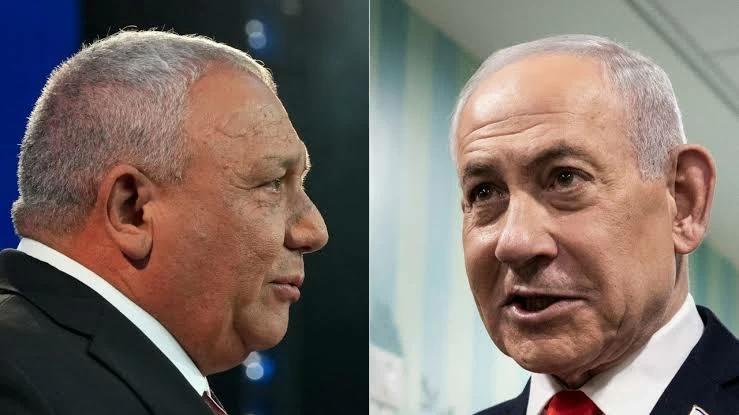
دخلت إسرائيل مرحلة جديدة من المفاوضات السياسية لتشكيل الحكومة الجديدة، مع تقدم زعيم حزب «يشار» المعارض غادي آيزنكوت على رئيس الوزراء بنيامين نتنياهو في مشاورات تشكيل الائتلاف، بعد حصوله على تأييد 67 نائباً من أصل 120 في الكنيست، مقابل 46 أيدوا نتنياهو، فيما امتنع حزب «يهدوت هتوراه» عن التوصية بأي من المرشحين.
حكومة طوارئ وطنية
وأكد آيزنكوت، اليوم (الجمعة)، تمسكه بتشكيل ما وصفها بـ«حكومة طوارئ وطنية»، قائلاً إن الطريق لا يزال طويلاً، لكنه شدد على أن فريقه عازم على إنجاز المهمة. وأضاف، في رسالة عقب انتهاء المشاورات الرئاسية، أن هدفه إعادة إسرائيل إلى «بر الأمان والعقلانية»، بعد حصول معسكره على أغلبية التوصيات اللازمة لتكليفه بتشكيل الحكومة. ومن المقرر أن يعلن الرئيس الإسرائيلي إسحاق هرتسوغ، بعد غد (الأحد)، اسم المرشح الذي سيكلفه بمحاولة تشكيل الحكومة، بعد استكمال مشاوراته مع قادة الأحزاب، إذ أقر بأن نتائج التوصيات تبدو واضحة حسابياً، إلا أن الخلافات والفيتوات المتبادلة بين المعسكرات وداخلها تجعل تحديد الشخصية الأكثر قدرة على تشكيل ائتلاف مستقر أمراً معقداً.
ما هي معضلة آيزنكوت؟
وتكمن المعضلة أمام آيزنكوت في أن الأحزاب اليهودية الأربعة المنضوية في معسكر التغيير تملك 48 مقعداً فقط، بينما يحتاج تشكيل الحكومة إلى 61 مقعداً على الأقل. ورغم أن توصيات الأحزاب العربية، ممثلة بالقائمة المشتركة والقائمة العربية الموحدة، رفعت رصيده إلى 67 نائباً، فإن ذلك لا يعني بالضرورة مشاركتها في الحكومة أو التوصل إلى اتفاق ائتلافي معها. وتزداد الحسابات تعقيداً مع إعلان زعيم حزب «إسرائيل بيتنا» أفيغدور ليبرمان، تراجعه عن رفضه السابق للتعاون مع الأحزاب الحريدية، ما فتح الباب أمام اتصالات مع حزب «يهدوت هتوراه»، وسط تقارير عن بحث صيغة أكثر مرونة لقانون التجنيد الإجباري، وهي القضية التي كانت من أبرز أسباب الخلاف بين الأحزاب الدينية وحكومة نتنياهو. وكان قادة أحزاب المعارضة الأربعة، آيزنكوت ونفتالي بينيت ويائير غولان وليبرمان، اتفقوا على بدء مفاوضات تشكيل الائتلاف وتنسيق تحركاتهم البرلمانية، والعمل على إقامة حكومة طوارئ وطنية، تتبنى مبادئ تشمل الخدمة العسكرية الإلزامية للجميع، والحفاظ على الطابع الديمقراطي للدولة، وإلغاء تشريعات يرون أنها تهدد استقلال المؤسسات الديمقراطية.
نتنياهو يسعى لتعطيل انتقال السلطة
في المقابل، لا يزال نتنياهو يسعى إلى تعطيل انتقال السلطة، رغم تراجع عدد النواب الذين أوصوا بتكليفه، فيما أثار تشكيكه في نتائج الانتخابات جدلاً سياسياً، بعد تأكيد لجنة الانتخابات المركزية عدم وجود ما يثبت أن مخالفات انتخابية أثرت في نزاهة النتائج. وبموجب الإجراءات الإسرائيلية، سيحصل المرشح الذي يكلفه هرتسوغ على 28 يوماً لتشكيل الحكومة، مع إمكانية تمديد المهلة 14 يوماً إضافياً. وفي حال فشل المحاولة، يمكن تكليف مرشح آخر، أو التوجه إلى انتخابات جديدة إذا استمر الانسداد السياسي.
Israel has entered a new phase of political negotiations to form a new government, with the leader of the opposition party "Yesh Atid," Gadi Eisenkot, advancing over Prime Minister Benjamin Netanyahu in coalition formation consultations, after receiving the support of 67 members out of 120 in the Knesset, compared to 46 who supported Netanyahu, while the "United Torah Judaism" party refrained from recommending any of the candidates.
National Emergency Government
Eisenkot confirmed today (Friday) his commitment to forming what he described as a "National Emergency Government," stating that the road ahead is still long, but he emphasized that his team is determined to accomplish the task. He added, in a message following the conclusion of the presidential consultations, that his goal is to return Israel to "safety and rationality," after his camp received a majority of the necessary recommendations to be tasked with forming the government. Israeli President Isaac Herzog is scheduled to announce the name of the candidate he will charge with attempting to form the government the day after tomorrow (Sunday), after completing his consultations with party leaders, as he acknowledged that the results of the recommendations appear clear mathematically, yet the disagreements and mutual vetoes between the camps and within them make identifying the most capable figure to form a stable coalition a complicated matter.
What is Eisenkot's Dilemma?
Eisenkot's dilemma lies in the fact that the four Jewish parties within the change camp hold only 48 seats, while forming a government requires at least 61 seats. Although the recommendations from the Arab parties, represented by the Joint List and the United Arab List, raised his tally to 67 members, this does not necessarily mean their participation in the government or reaching a coalition agreement with them. The calculations become more complicated with the announcement by the leader of the "Yisrael Beiteinu" party, Avigdor Lieberman, that he is retracting his previous refusal to cooperate with the Haredi parties, which opened the door for contacts with the "United Torah Judaism" party, amid reports of discussions about a more flexible formula for the compulsory conscription law, a key issue that was among the main reasons for the dispute between the religious parties and Netanyahu's government. The leaders of the four opposition parties, Eisenkot, Naftali Bennett, Yair Golan, and Lieberman, agreed to initiate negotiations to form the coalition, coordinate their parliamentary moves, and work towards establishing a national emergency government that adopts principles including mandatory military service for all, maintaining the democratic character of the state, and abolishing legislation they see as threatening the independence of democratic institutions.
Netanyahu Seeks to Disrupt the Transfer of Power
In contrast, Netanyahu is still seeking to disrupt the transfer of power, despite the decrease in the number of deputies who recommended tasking him, while his skepticism about the election results has sparked political controversy, after the Central Elections Committee confirmed that there is no evidence that electoral violations affected the integrity of the results. According to Israeli procedures, the candidate tasked by Herzog will have 28 days to form the government, with the possibility of extending the deadline by an additional 14 days. If the attempt fails, another candidate can be tasked, or new elections can be called if the political deadlock continues.