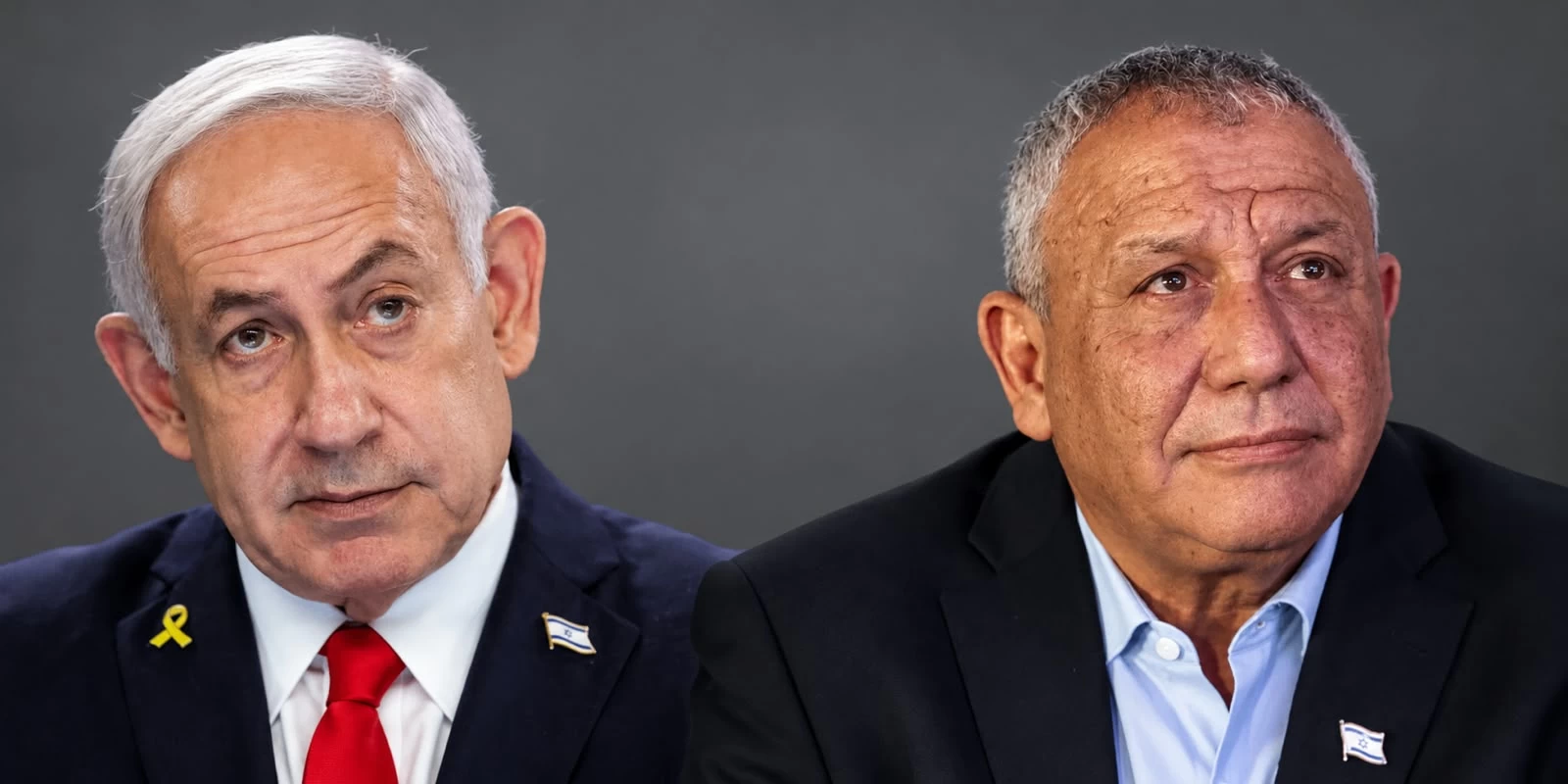
من جذور مغربية إلى رئاسة أركان الجيش الإسرائيلي، ومن خسارة ابنه واثنين من أبناء إخوته في حرب غزة إلى منافسة بنيامين نتنياهو على السلطة، تتصدر شخصية الجنرال الإسرائيلي السابق غادي آيزنكوت المشهد السياسي، وسط احتدام المنافسة بين المعسكرات الإسرائيلية على رئاسة الحكومة.
وبحسب نتائج استطلاع للرأي نقلتها القناة 12 الإسرائيلية، حصل معسكر آيزنكوت على 52 مقعداً، مقابل 50 مقعداً لمعسكر رئيس الوزراء بنيامين نتنياهو، فيما حصلت الأحزاب العربية على 18 مقعداً، في توزيع يشمل مقاعد الكنيست البالغ عددها 120 مقعداً.
وتكشف هذه الأرقام عن تقارب المعسكرين، بفارق مقعدين، دون أن يتمكن أي منهما منفرداً من بلوغ عتبة الأغلبية البرلمانية البالغة 61 مقعداً، اللازمة لتشكيل الحكومة.
لكن من هو الجنرال الذي اختاره نتنياهو قبل أكثر من عقد لقيادة الجيش الإسرائيلي، قبل أن يتحول إلى أحد منافسيه السياسيين؟
جذور مغربية.. والابن الثاني بين 9 أشقاء
ولد غادي آيزنكوت في 19 مايو 1960 بمدينة طبريا، لعائلة يهودية مهاجرة من المغرب، وهو الابن الثاني بين تسعة أشقاء، ونشأ في مدينة إيلات جنوب إسرائيل.
وبعيداً عن الأضواء السياسية، أمضى آيزنكوت سنوات شبابه في البيئة العسكرية، قبل أن يبدأ رحلة طويلة داخل الجيش الإسرائيلي، انتهت بوصوله إلى أعلى منصب عسكري.
وآيزنكوت متزوج وأب لخمسة أبناء، وينتمي إلى عائلة من اليهود ذوي الأصول المغربية الذين هاجروا إلى إسرائيل خلال العقود التي أعقبت قيامها.
من جندي في «غولاني» إلى قيادة الجيش
بدأ آيزنكوت مسيرته العسكرية عام 1978، عندما التحق بلواء «غولاني»، أحد أبرز ألوية المشاة في الجيش الإسرائيلي، وتدرج في مناصبه من قائد سرية إلى قائد كتيبة، ثم نائب قائد اللواء.
وفي عام 1991، عُيّن ضابطاً للعمليات في القيادة الشمالية، قبل أن يتولى قيادة لواء «كرملي» عام 1992، ثم لواء «إفرايم» في الضفة الغربية عام 1994.
وفي عام 1997، تولى قيادة لواء «غولاني»، قبل ترقيته إلى رتبة عميد عام 1999 وتعيينه سكرتيراً عسكرياً لرئيس الحكومة الإسرائيلية.
واستمر صعوده العسكري، فتولى قيادة منطقة الضفة الغربية عام 2003، ثم رُقي إلى رتبة لواء عام 2005، وعُيّن رئيساً لشعبة العمليات، قبل أن يتولى قيادة المنطقة الشمالية عام 2006.
نتنياهو اختاره رئيساً للأركان
في مفارقة سياسية لافتة، كان بنيامين نتنياهو نفسه وراء تعيين آيزنكوت رئيساً لأركان الجيش الإسرائيلي.
ففي نهاية عام 2014، أعلن نتنياهو اختيار آيزنكوت للمنصب بناءً على توصية وزير الدفاع آنذاك موشيه يعالون.
وتولى آيزنكوت رئاسة الأركان رسمياً في فبراير 2015 خلفاً لبيني غانتس، واستمر في المنصب حتى عام 2019.
وخلال تلك الفترة، أشرف على ملفات عسكرية وأمنية حساسة، من بينها المواجهات على الحدود الشمالية، والعمليات العسكرية المرتبطة بقطاع غزة، والتحديات الأمنية في الضفة الغربية.
«عقيدة الضاحية».. إرث عسكري مثير للجدل
ارتبط اسم آيزنكوت بما يُعرف بـ«عقيدة الضاحية»، التي برزت عقب حرب لبنان عام 2006، عندما كان قائداً للمنطقة الشمالية.
وتقوم هذه العقيدة على استخدام قوة نارية واسعة ضد المناطق التي تعتبرها إسرائيل مراكز عسكرية لخصومها، بما يشمل استهداف البنية التحتية المرتبطة بتلك المناطق.
وأثارت هذه الإستراتيجية انتقادات حقوقية بسبب آثارها على المدنيين والمنشآت المدنية، وأصبحت من أبرز الملفات المثيرة للجدل في سجل آيزنكوت العسكري.
جندي قتل فلسطينياً.. وآيزنكوت يتمسك بالمحاكمة
من أبرز المحطات في مسيرته العسكرية قضية الجندي الإسرائيلي إليور أزاريا، الذي أطلق النار على فلسطيني مصاب في مدينة الخليل عام 2016.
وتمسك آيزنكوت بضرورة محاكمة الجندي ومحاسبته وفق القوانين والانضباط العسكري، في موقف أثار انقساماً داخل الأوساط السياسية والعسكرية الإسرائيلية.
وشكلت القضية اختباراً للعلاقة بين القيادة العسكرية والتيارات السياسية، خصوصاً مع تصاعد الجدل بشأن قواعد الاشتباك والتعامل مع الفلسطينيين.
من المؤسسة العسكرية إلى السياسة
بعد انتهاء خدمته العسكرية عام 2019، اتجه آيزنكوت تدريجياً إلى العمل السياسي، قبل أن ينضم عام 2022 إلى التحالف الذي قاده وزير الدفاع السابق بيني غانتس.
ومع اندلاع حرب غزة عقب هجوم السابع من أكتوبر 2023، انضم آيزنكوت إلى حكومة الطوارئ برئاسة نتنياهو، وشارك في مجلس الحرب الإسرائيلي إلى جانب غانتس.
لكن الخلافات بشأن إدارة الحرب ومستقبل قطاع غزة دفعت آيزنكوت وغانتس إلى الانسحاب من حكومة الطوارئ في يونيو 2024.
ومنذ ذلك الحين، برز آيزنكوت منتقداً لسياسات نتنياهو، خصوصاً في ما يتعلق بإدارة العمليات العسكرية وغياب إستراتيجية واضحة لمرحلة ما بعد الحرب.
غزة تخطف ابنه واثنين من أبناء إخوته
لم تقتصر تداعيات حرب غزة على المسيرة السياسية والعسكرية لآيزنكوت، بل امتدت إلى حياته العائلية.
ففي ديسمبر 2023، قُتل ابنه الأصغر غال، البالغ من العمر 25 عاماً، خلال مشاركته في العمليات العسكرية الإسرائيلية داخل قطاع غزة.
وجاء مقتل نجله بينما كان آيزنكوت عضواً في مجلس الحرب الإسرائيلي، الذي يتولى متابعة العمليات العسكرية في القطاع.
كما فقد اثنين من أبناء إخوته خلال الحرب، لتتحول غزة إلى محطة مأساوية في حياته الشخصية.
وحظيت خسارته العائلية بتغطية واسعة في وسائل الإعلام الإسرائيلية، خصوصاً في ظل موقعه السياسي والعسكري السابق.
52 مقعداً لآيزنكوت.. و50 لنتنياهو
ومع انتقال المنافسة إلى الساحة الانتخابية، أظهرت نتائج استطلاع نقلته القناة 12 الإسرائيلية حصول معسكر آيزنكوت على 52 مقعداً، مقابل 50 مقعداً لمعسكر نتنياهو، فيما حصلت الأحزاب العربية على 18 مقعداً.
وتبرز هذه النتائج حجم التقارب بين المعسكرين، إذ لا يمتلك أي منهما الأغلبية اللازمة لتشكيل الحكومة منفرداً.
كما تعكس أهمية التحالفات البرلمانية في تحديد شكل الحكومة القادمة، في ظل نظام سياسي يعتمد على الائتلافات الحزبية لتأمين أغلبية الكنيست.
وتظل هذه الأرقام نتائج استطلاعية، وليست حصيلة انتخابات فعلية، ولا تكفي وحدها لتحديد هوية رئيس الحكومة القادم.
هل ينتقل الجنرال من قيادة الجيش إلى رئاسة الحكومة؟
بعد أربعة عقود تقريباً في المؤسسة العسكرية، يجد آيزنكوت نفسه أمام مرحلة سياسية مختلفة، عنوانها المنافسة على قيادة إسرائيل.
فالجنرال الذي بدأ جندياً في لواء «غولاني»، وتدرج حتى أصبح رئيساً للأركان، ثم عضواً في مجلس الحرب، يخوض اليوم منافسة سياسية مع نتنياهو الذي كان وراء تعيينه في أعلى منصب عسكري.
وبين جذوره المغربية، وسجله العسكري المثير للجدل، وخسارته العائلية في غزة، وتجربته السياسية، يبرز غادي آيزنكوت اسماً في معادلة المنافسة على السلطة في إسرائيل، بينما تبقى نتائج الانتخابات والتحالفات البرلمانية العامل الحاسم في تحديد مستقبل هذه المنافسة.
From Moroccan roots to the Chief of Staff of the Israeli army, and from the loss of his son and two of his brothers' sons in the Gaza war to competing with Benjamin Netanyahu for power, the character of former Israeli general Gadi Eisenkot is at the forefront of the political scene, amid intensifying competition between Israeli camps for the premiership.
According to a poll reported by Channel 12 in Israel, Eisenkot's camp secured 52 seats, compared to 50 seats for Prime Minister Benjamin Netanyahu's camp, while Arab parties obtained 18 seats, in a distribution that includes the 120 seats of the Knesset.
These numbers reveal a close contest between the two camps, with a two-seat difference, without either being able to reach the parliamentary majority threshold of 61 seats necessary to form a government.
But who is the general that Netanyahu chose over a decade ago to lead the Israeli army, before he became one of his political rivals?
Moroccan Roots.. the Second Son Among Nine Siblings
Gadi Eisenkot was born on May 19, 1960, in Tiberias, to a Jewish family that immigrated from Morocco. He is the second son among nine siblings and grew up in Eilat, southern Israel.
Away from the political spotlight, Eisenkot spent his youth in a military environment before embarking on a long journey within the Israeli army, culminating in his reaching the highest military position.
Eisenkot is married and a father of five, belonging to a family of Jews of Moroccan descent who immigrated to Israel in the decades following its establishment.
From Soldier in "Golani" to Leading the Army
Eisenkot began his military career in 1978 when he joined the "Golani" Brigade, one of the most prominent infantry brigades in the Israeli army, and rose through the ranks from company commander to battalion commander, then deputy commander of the brigade.
In 1991, he was appointed operations officer in the Northern Command before taking command of the "Karmeli" Brigade in 1992, and then the "Ephraim" Brigade in the West Bank in 1994.
In 1997, he took command of the "Golani" Brigade before being promoted to the rank of Brigadier General in 1999 and appointed military secretary to the Israeli Prime Minister.
His military ascent continued, as he took command of the West Bank area in 2003, then was promoted to Major General in 2005, and appointed head of the operations branch before taking command of the Northern Command in 2006.
Netanyahu Chose Him as Chief of Staff
In a notable political irony, Benjamin Netanyahu himself was behind Eisenkot's appointment as Chief of Staff of the Israeli army.
At the end of 2014, Netanyahu announced Eisenkot's selection for the position based on the recommendation of then-Defense Minister Moshe Ya'alon.
Eisenkot officially took over as Chief of Staff in February 2015, succeeding Benny Gantz, and remained in the position until 2019.
During that time, he oversaw sensitive military and security files, including confrontations on the northern border, military operations related to the Gaza Strip, and security challenges in the West Bank.
"The Doctrine of the Dahiya".. A Controversial Military Legacy
Eisenkot's name is associated with what is known as "The Dahiya Doctrine," which emerged after the Lebanon War in 2006 when he was commander of the northern region.
This doctrine is based on using extensive firepower against areas that Israel considers military centers for its adversaries, including targeting the infrastructure associated with those areas.
This strategy has drawn human rights criticism due to its impact on civilians and civilian facilities, becoming one of the most controversial files in Eisenkot's military record.
A Soldier Killed a Palestinian.. and Eisenkot Insists on Prosecution
One of the most notable moments in his military career was the case of Israeli soldier Elor Azaria, who shot a wounded Palestinian in Hebron in 2016.
Eisenkot insisted on the necessity of prosecuting the soldier and holding him accountable according to military laws and discipline, a stance that sparked division within Israeli political and military circles.
The case formed a test for the relationship between military leadership and political currents, especially with the rising debate over rules of engagement and dealing with Palestinians.
From the Military Establishment to Politics
After completing his military service in 2019, Eisenkot gradually turned to political work, before joining in 2022 the alliance led by former Defense Minister Benny Gantz.
With the outbreak of the Gaza War following the attack on October 7, 2023, Eisenkot joined the emergency government led by Netanyahu and participated in the Israeli war council alongside Gantz.
However, disagreements over the management of the war and the future of the Gaza Strip led Eisenkot and Gantz to withdraw from the emergency government in June 2024.
Since then, Eisenkot has emerged as a critic of Netanyahu's policies, particularly regarding the management of military operations and the absence of a clear strategy for the post-war phase.
Gaza Takes His Son and Two of His Brothers' Sons
The repercussions of the Gaza War did not only affect Eisenkot's political and military career but extended to his family life.
In December 2023, his youngest son Gal, aged 25, was killed while participating in Israeli military operations inside the Gaza Strip.
His son's death came while Eisenkot was a member of the Israeli war council, which oversees military operations in the sector.
He also lost two of his brothers' sons during the war, turning Gaza into a tragic chapter in his personal life.
His family loss received extensive media coverage in Israeli outlets, especially given his previous political and military position.
52 Seats for Eisenkot.. and 50 for Netanyahu
As the competition moved to the electoral arena, the results of a poll reported by Channel 12 in Israel showed Eisenkot's camp securing 52 seats, compared to 50 seats for Netanyahu's camp, while Arab parties obtained 18 seats.
These results highlight the closeness between the two camps, as neither possesses the majority necessary to form a government alone.
They also reflect the importance of parliamentary alliances in determining the shape of the upcoming government, in a political system that relies on party coalitions to secure a Knesset majority.
These numbers remain polling results, not the outcome of actual elections, and are not sufficient on their own to determine the identity of the next Prime Minister.
Will the General Transition from Leading the Army to the Premiership?
After nearly four decades in the military establishment, Eisenkot finds himself facing a different political phase, characterized by competition for the leadership of Israel.
The general who started as a soldier in the "Golani" Brigade, rose to become Chief of Staff, and then a member of the war council, is now engaged in political competition with Netanyahu, who was behind his appointment to the highest military position.
Between his Moroccan roots, his controversial military record, his family loss in Gaza, and his political experience, Gadi Eisenkot emerges as a name in the equation of power competition in Israel, while the results of the elections and parliamentary alliances remain the decisive factor in determining the future of this competition.