بدأت منظمة الصحة العالمية تجربة سريرية في جمهورية الكونغو الديمقراطية بلقاحات ضد فايروس بونديبوغيو المسبب لأحد أنواع الإيبولا، بعد تطعيم أربعة أشخاص في المرحلة الأولى من التجربة بمدينة بونيا.
وأوضحت مديرة إدارة العلوم من أجل الصحة بالمنظمة «ميج دوهرتي»، أنّ التجربة التي تحمل اسم «تومايني» تعتمد على تلقيح المخالطين للمصابين بلقاح «إرفيبو»، الذي يُستخدم للوقاية من مرض الإيبولا الناجم عن فايروس زائير، فيما ما زالت فعاليته ضد فايروس بونديبوغيو قيد الدراسة.
وبيّنت أنّ خبراء المنظمة يدرسون لقاحين آخرين طوّرتهما جامعة أوكسفورد وشركة موديرنا، مشيرةً إلى أن النتائج قد تستغرق عدة أشهر، وأن العمل جارٍ لتوسيع نطاق التجربة بهدف توفير لقاحات فعالة لحماية السكان من التفشي الحالي والمستقبلي.
ووفقاً لمنظمة الصحة العالمية، لا يتوفر حتى الآن لقاح معتمد للوقاية من مرض فايروس بونديبوجيو، وتُستخدم اللقاحات المرشحة ضمن بروتوكولات بحثية لتقييم سلامتها وفعاليتها. وتهدف تجربة «تومايني» إلى تقييم عدة لقاحات في إطار سريري واحد، مع التركيز على تطعيم المخالطين للمصابين والأشخاص الأكثر عرضةً لخطر العدوى، بما يسهم في تحديد مدى قدرة هذه اللقاحات على توفير الحماية من المرض وتعزيز الاستعداد لتفشيات مستقبلية.
لقاحات جديدة تحت الاختبار.. تحرك دولي لمواجهة إيبولا
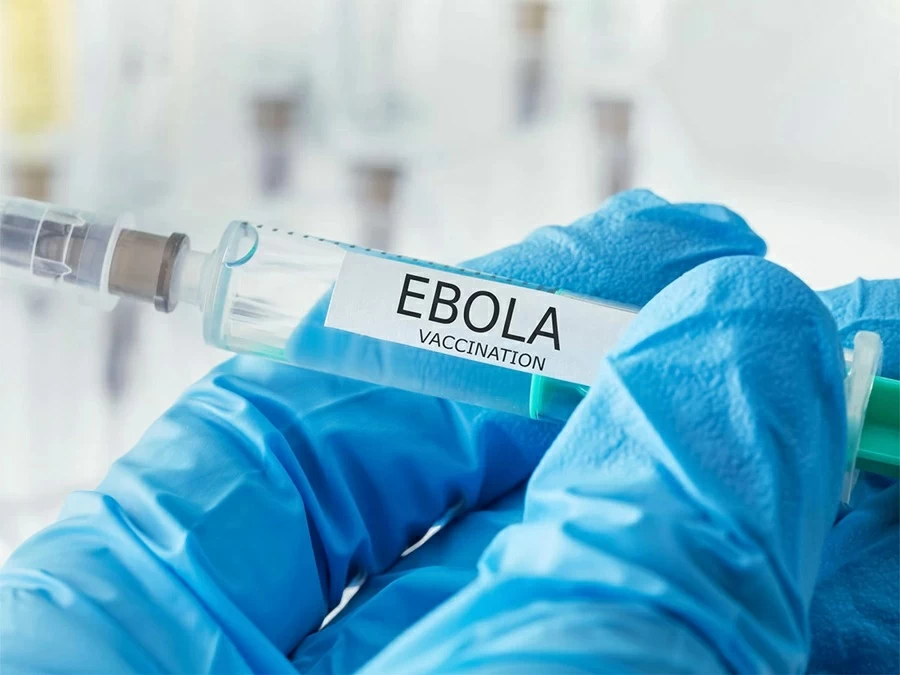


The World Health Organization has begun a clinical trial in the Democratic Republic of the Congo with vaccines against the Bundibugyo virus, which causes one type of Ebola, after vaccinating four people in the first phase of the trial in the city of Bunia.
Director of the Department of Science for Health at the organization, "Meg Doherty," explained that the trial, named "Tomaini," relies on vaccinating contacts of infected individuals with the "Ervebo" vaccine, which is used to prevent Ebola disease caused by the Zaire virus, while its effectiveness against the Bundibugyo virus is still under study.
She indicated that experts from the organization are studying two other vaccines developed by the University of Oxford and Moderna, noting that results may take several months, and that work is ongoing to expand the scope of the trial in order to provide effective vaccines to protect populations from the current and future outbreaks.
According to the World Health Organization, there is currently no approved vaccine for the prevention of Bundibugyo virus disease, and candidate vaccines are being used within research protocols to assess their safety and efficacy. The "Tomaini" trial aims to evaluate several vaccines within a single clinical framework, focusing on vaccinating contacts of infected individuals and those at higher risk of infection, which contributes to determining the ability of these vaccines to provide protection against the disease and enhance preparedness for future outbreaks.