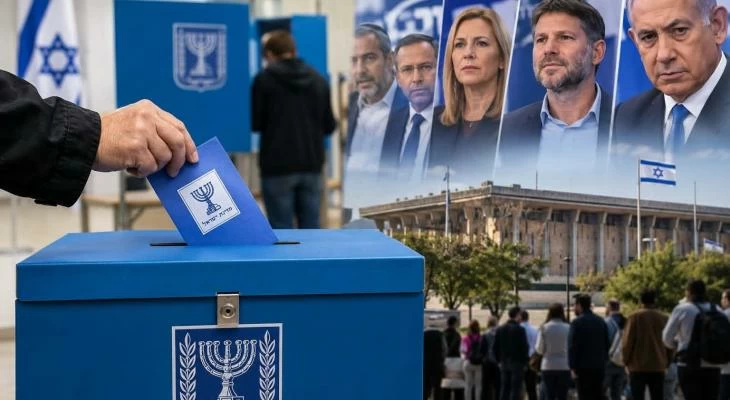
تحولت مشاركة المواطنين العرب في الانتخابات الإسرائيلية إلى محور رئيسي في الساعات الأخيرة من التصويت، وسط مخاوف بنيامين نتنياهو من ارتفاع الإقبال في البلدات العربية، وشكاوى من عراقيل في بعض مراكز الاقتراع قد تؤثر في سير العملية الانتخابية.
ووجه رئيس الوزراء الإسرائيلي دعوات متكررة إلى أنصاره للتوجه إلى صناديق الاقتراع، محذراً من ارتفاع التصويت في أوساط العرب واليسار، ومعتبراً أن خصومه يحاولون «سرقة الانتخابات»، كما ربط مستقبل إسرائيل السياسي بنتيجة المواجهة الانتخابية، في تصريحات أثارت انتقادات من سياسيين عرب ومعارضين.
وتأتي هذه المخاوف في ظل أهمية الأصوات العربية في معادلة توزيع مقاعد الكنيست، إذ يشكل المواطنون العرب نحو 21% من سكان إسرائيل، ويزيد عددهم على مليوني شخص، حيث قدر استطلاع سابق أن تصل نسبة مشاركتهم إلى نحو 63%، مقارنة بنحو 56% في انتخابات عام 2022، وهو ما قد يرفع تمثيل القوائم العربية ويؤثر في فرص المعسكرات المتنافسة في تشكيل الحكومة.
وأظهرت بيانات لجنة الانتخابات المركزية الإسرائيلية أن نسبة المشاركة الإجمالية بلغت 55.7% حتى الساعة الرابعة عصراً، في أعلى مستوى مسجل عند هذا التوقيت، مقابل 47.5% في التوقيت نفسه خلال انتخابات 2022، لكن هذه الأرقام تخص الناخبين إجمالاً، ولا تعني وحدها أن نسبة المشاركة العربية وصلت إلى المستوى المتوقع في استطلاعات ما قبل التصويت.
وفي المقابل، تحدثت منظمات حقوقية عن عراقيل قالت إنها واجهت ناخبين عرباً في عدد من البلدات، شملت تأخيراً في إجراءات التصويت، وإغلاق مراكز أو وقف التصويت مؤقتاً، فضلاً عن تقارير بشأن نقص أوراق الاقتراع المكتوبة باللغة العربية في مواقع مختلفة.
وقالت منظمة «عدالة» الحقوقية إنها تلقت بلاغات من بلدات عربية ومدن مختلطة، بينها حيفا والناصرة وشفاعمرو، بشأن غياب أوراق اقتراع عربية أو بطء إجراءات التصويت، وطالبت لجنة الانتخابات بالتدخل لمعالجة هذه المشكلات، كما دعت جمعية الحقوق المدنية في إسرائيل إلى التحقيق في تأخيرات قالت إنها رصدت في عدد من التجمعات العربية، محذرة من احتمال تأثيرها في قدرة الناخبين على ممارسة حقهم.
وتزامنت هذه التطورات مع تحركات سياسية سبقت يوم الاقتراع، إذ أعلن حزب الليكود وحزب «الصهيونية الدينية» عزمهما إرسال نحو ألفي مراقب ونشط إلى مراكز اقتراع في التجمعات العربية، وسط اتهامات غير مثبتة بوجود مخالفات انتخابية، وأثار ذلك مخاوف لدى جهات حقوقية وسياسيين عرب من احتمال ترهيب الناخبين، لا سيما بعد رفض المحكمة العليا الإسرائيلية التماساً طالب بمنع المراقبين من حمل الأسلحة داخل مراكز الاقتراع.
ولا تقتصر أهمية المشاركة العربية على عدد المقاعد التي قد تحصدها القوائم العربية، بل تمتد إلى حسابات تشكيل الحكومة، حيث إن الفوز بأكبر عدد من المقاعد لا يضمن تلقائياً تولي رئاسة الوزراء، إذ يحتاج أي ائتلاف إلى تأييد 61 نائباً على الأقل في الكنيست المؤلف من 120 عضواً.
وتشير هذه المعادلة إلى أن ارتفاع المشاركة العربية قد يحد من فرص معسكر نتنياهو في الحصول على أغلبية، أو يعزز قدرة القوائم العربية على التأثير في المشاورات التي تلي الانتخابات، لكن هذا التأثير يتوقف أيضاً على توزيع المقاعد بين الأحزاب، وقدرة المعسكرات المتنافسة على جمع حلفاء، ومواقفها من التعاون مع الأحزاب العربية.
وتزداد أهمية هذه الحسابات في ظل رفض نتنياهو ومنافسه الرئيسي غادي آيزنكوت الدخول في شراكة حكومية مباشرة مع الأحزاب العربية، رغم طرح سيناريوهات يمكن أن تقدم فيها بعض هذه الأحزاب دعماً برلمانياً من الخارج لحكومة لا تشارك فيها.
The participation of Arab citizens in the Israeli elections has become a major focus in the final hours of voting, amid Benjamin Netanyahu's fears of increased turnout in Arab towns, and complaints about obstacles in some polling stations that could affect the electoral process.
The Israeli Prime Minister has repeatedly called on his supporters to head to the ballot boxes, warning of rising voting among Arabs and the left, considering that his opponents are trying to "steal the elections." He also linked Israel's political future to the outcome of the electoral confrontation, in statements that drew criticism from Arab politicians and opponents.
These concerns come amid the significance of Arab votes in the equation of distributing Knesset seats, as Arab citizens make up about 21% of Israel's population, exceeding two million people. A previous survey estimated their participation rate to be around 63%, compared to about 56% in the 2022 elections, which could increase the representation of Arab lists and affect the chances of competing blocs in forming the government.
Data from the Israeli Central Elections Committee showed that the overall turnout rate reached 55.7% by 4 PM, the highest recorded at this time, compared to 47.5% at the same time during the 2022 elections. However, these figures pertain to voters in general and do not alone indicate that the Arab participation rate has reached the expected level in pre-voting surveys.
In contrast, human rights organizations reported obstacles that they said Arab voters faced in several towns, including delays in voting procedures, the closing of centers, or temporarily halting voting, in addition to reports of a shortage of ballots written in Arabic at various locations.
The "Adalah" human rights organization stated that it received reports from Arab towns and mixed cities, including Haifa, Nazareth, and Shfaram, regarding the absence of Arabic ballots or slow voting procedures. It called on the elections committee to intervene to address these issues, and the Civil Rights Association in Israel urged an investigation into the delays it observed in several Arab gatherings, warning of the potential impact on voters' ability to exercise their rights.
These developments coincided with political movements leading up to election day, as the Likud Party and the "Religious Zionism" Party announced their intention to send about two thousand monitors and activists to polling stations in Arab communities, amid unproven allegations of electoral violations. This raised concerns among human rights entities and Arab politicians about the potential intimidation of voters, especially after the Israeli Supreme Court rejected a petition calling for the prohibition of monitors carrying weapons inside polling stations.
The importance of Arab participation is not limited to the number of seats that Arab lists may win, but extends to the calculations of government formation, as winning the largest number of seats does not automatically guarantee the premiership. Any coalition needs the support of at least 61 members in the Knesset, which consists of 120 members.
This equation suggests that increased Arab participation could limit Netanyahu's bloc's chances of obtaining a majority or enhance the ability of Arab lists to influence the consultations following the elections. However, this influence also depends on the distribution of seats among the parties, the competing blocs' ability to gather allies, and their positions on cooperating with Arab parties.
The importance of these calculations increases in light of Netanyahu and his main rival Gadi Eisenkot's refusal to enter into a direct governmental partnership with Arab parties, despite scenarios in which some of these parties could provide parliamentary support from outside a government in which they do not participate.