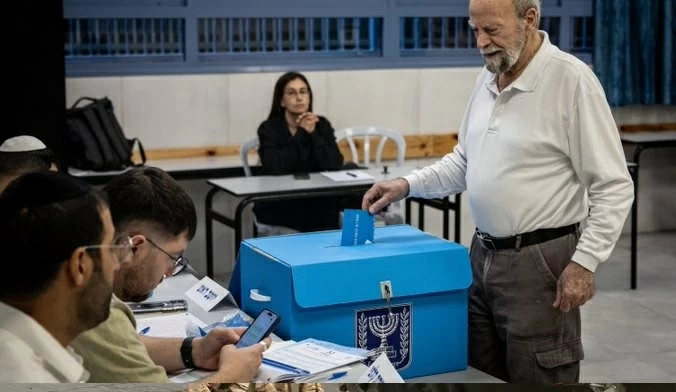
تُظهر التقديرات الأولية لانتخابات الكنيست الإسرائيلي تقارباً بين معسكر بنيامين نتنياهو والمعارضة، وفقاً لاستطلاعات نشرتها وسائل إعلام إسرائيلية قبيل غلق صناديق الاقتراع، وسط ترجيحات بأن يواجه الطرفان صعوبة في حسم أغلبية تتيح تشكيل الحكومة.
وأفادت التقديرات التي نشرتها وسائل إعلام إسرائيلية، بينها القنوات 12 و13 وهيئة البث «كان»، بأن معسكر نتنياهو قد يحصل على نحو 50 مقعداً في الكنيست المؤلف من 120 عضواً، مقابل ما بين 52 و56 مقعداً للمعارضة الصهيونية، فيما توقعت حصول الأحزاب العربية على ما بين 14 و16 مقعداً.
ووفقاً لهذه الاستطلاعات، توقعت القناة 12 حصول المعارضة على 56 مقعداً مقابل 50 لمعسكر نتنياهو، بينما رجحت القناة 13 حصول المعارضة على 54 مقعداً مقابل 50، وقدرت هيئة البث «كان» مقاعد المعارضة بـ52 مقابل 50 لمعسكر رئيس الوزراء.
وتكتسب هذه الفوارق أهمية لأن تشكيل الحكومة في إسرائيل لا يتوقف بالضرورة على تصدر حزب واحد عدد المقاعد، بل على قدرة المعسكرات السياسية على جمع 61 مقعداً على الأقل من أصل 120 في الكنيست. وبحسب الاستطلاعات النهائية المذكورة، لم يتمكن أي من المعسكرين الرئيسيين من بلوغ هذه العتبة منفرداً.
ورغم تقارب الأرقام، قد يحتفظ نتنياهو بفرصة لتشكيل الحكومة، حتى إذا تصدرت المعارضة عدد المقاعد، إذ لا يتولى رئاسة الحكومة في إسرائيل بالضرورة زعيم الحزب الحاصل على أكبر عدد من المقاعد، بل المرشح الذي يتمكن من جمع الدعم البرلماني الكافي لتشكيل ائتلاف حكومي.
وتبرز الأحزاب العربية بوصفها أحد العوامل المؤثرة في الحسابات البرلمانية، مع توقعات بحصولها مجتمعة على نحو 15 مقعداً، غير أن قدرتها على التأثير في تشكيل الحكومة ستتوقف على مواقف الأحزاب الأخرى وشكل التفاهمات الممكنة، في ظل رفض قوى رئيسية في المعارضة إقامة شراكة حكومية رسمية مع الأحزاب العربية.
وتجري الانتخابات الحالية في ظل انقسامات سياسية داخل إسرائيل بشأن أداء حكومة نتنياهو، والإخفاقات الأمنية المرتبطة بهجوم 7 أكتوبر 2023، والحرب على قطاع غزة، إلى جانب الخلافات بشأن التجنيد العسكري لليهود المتشددين دينياً والقضايا الاقتصادية والقضائية.
ويسعى نتنياهو، أطول رؤساء الحكومات الإسرائيلية بقاء في المنصب، إلى الحفاظ على السلطة مستنداً إلى حزب الليكود وحلفائه من اليمين والأحزاب الدينية، في المقابل، تخوض قوى معارضة متعددة التوجهات المنافسة على أمل إنهاء حكمه، لكنها تواجه تحدياً في توحيد مواقفها وتحويل مجموع مقاعدها المحتمل إلى ائتلاف قادر على الحكم.
وتضع هذه الحسابات الأحزاب العربية في موقع مؤثر في معادلة تشكيل الحكومة، رغم أنها لا تُحتسب ضمن أي من المعسكرين في توزيع المقاعد الوارد في الاستطلاعات، لكن الاستفادة من مقاعدها ليست أمراً تلقائياً، في ظل مواقف معلنة لقادة المعسكرين بشأن عدم الدخول في شراكة حكومية معها.
ولا تعني هذه التقديرات حسم النتيجة النهائية؛ إذ تظل الأرقام قابلة للتغير مع ظهور نتائج التصويت وتوزيع المقاعد رسمياً، ومن المنتظر أن تكشف استطلاعات الخروج، التي تُنشر بعد إغلاق الصناديق، مؤشرات أولية إضافية، قبل استكمال فرز الأصوات وبدء المشاورات السياسية لتشكيل الحكومة.
وفي حال عجز أي مرشح عن جمع دعم كاف لتشكيل ائتلاف، قد تدخل إسرائيل مرحلة من الجمود السياسي، مع احتمال استمرار الحكومة الحالية لتصريف الأعمال إلى حين التوصل إلى اتفاق أو اللجوء إلى انتخابات جديدة.
Initial estimates for the Israeli Knesset elections show a close contest between Benjamin Netanyahu's camp and the opposition, according to polls published by Israeli media just before the closing of the ballot boxes, amid indications that both sides may struggle to secure a majority needed to form a government.
Estimates published by Israeli media, including channels 12 and 13 and the "Kan" broadcasting authority, indicate that Netanyahu's camp could secure around 50 seats in the Knesset, which consists of 120 members, compared to between 52 and 56 seats for the Zionist opposition, while Arab parties are expected to gain between 14 and 16 seats.
According to these polls, Channel 12 predicted the opposition would secure 56 seats compared to 50 for Netanyahu's camp, while Channel 13 estimated the opposition would get 54 seats against 50, and the "Kan" broadcasting authority estimated the opposition's seats at 52 compared to 50 for the Prime Minister's camp.
These differences are significant because forming a government in Israel does not necessarily depend on a single party leading in the number of seats, but rather on the ability of political camps to gather at least 61 seats out of 120 in the Knesset. According to the final mentioned polls, neither of the two main camps was able to reach this threshold alone.
Despite the close numbers, Netanyahu may still have a chance to form a government, even if the opposition leads in the number of seats, as the Prime Minister in Israel is not necessarily the leader of the party with the most seats, but rather the candidate who can gather sufficient parliamentary support to form a governing coalition.
Arab parties emerge as one of the influential factors in parliamentary calculations, with expectations of them collectively gaining around 15 seats, but their ability to influence the formation of the government will depend on the positions of other parties and the nature of possible agreements, especially given the rejection of major opposition forces to establish an official government partnership with Arab parties.
The current elections are taking place amid political divisions within Israel regarding the performance of Netanyahu's government, the security failures related to the October 7, 2023 attack, and the war on the Gaza Strip, alongside disagreements over military conscription for religiously observant Jews and economic and judicial issues.
Netanyahu, the longest-serving Prime Minister in Israeli history, seeks to maintain power relying on the Likud party and its right-wing and religious allies, while various opposition forces are competing with the hope of ending his rule, but they face the challenge of unifying their positions and transforming their total potential seats into a governing coalition.
These calculations place Arab parties in an influential position in the equation of government formation, even though they are not counted within either camp in the distribution of seats indicated in the polls, but benefiting from their seats is not automatic, given the declared positions of leaders from both camps regarding not entering into a government partnership with them.
These estimates do not mean the final result is determined; the numbers remain subject to change as voting results and seat distributions are officially announced, and exit polls, published after the ballot boxes close, are expected to reveal additional preliminary indicators before the completion of vote counting and the start of political consultations to form the government.
If no candidate is able to gather enough support to form a coalition, Israel may enter a phase of political stagnation, with the current government likely to continue in a caretaker capacity until an agreement is reached or new elections are called.