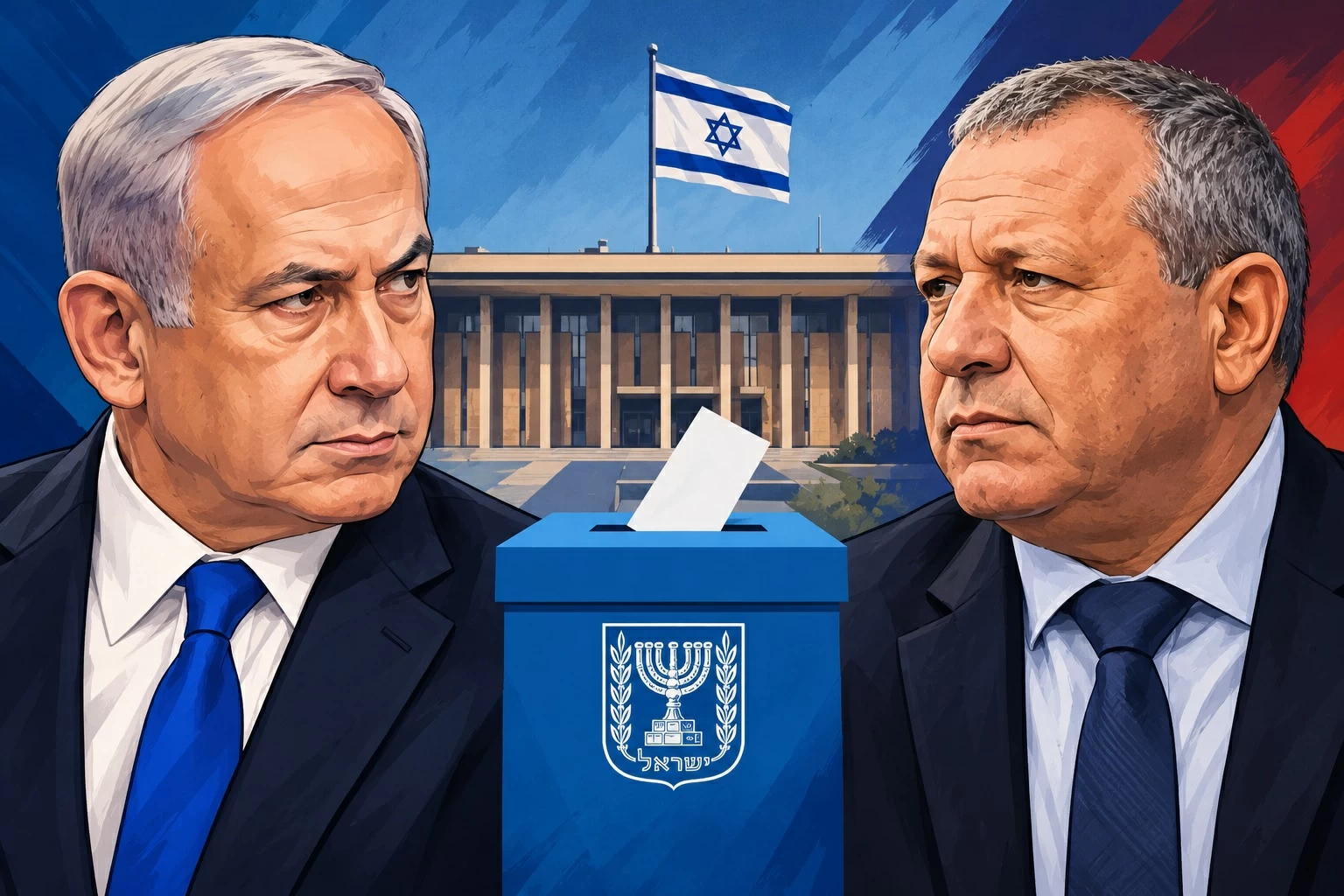
فيما يترقب الإسرائيليون نتائج انتخابات الكنيست، طرح مراقبون خمسة سيناريوهات محتملة لتشكيل الحكومة الجديدة، تتوقف، في ظل صعوبة حسم هوية رئيسها دون اتفاقات بين الأحزاب.
بين نتنياهو وآيزنكوت
السيناريو الأول يتمثل في تشكيل حكومة برئاسة غادي آيزنكوت، إذا تمكن معسكر التغيير من الحصول على 61 مقعداً، بما يضمن له الأغلبية اللازمة. فيما يتمحور السيناريو الثاني في عودة بنيامين نتنياهو إلى رئاسة الحكومة، إذا نجح معسكره في تأمين العدد نفسه من المقاعد.
أما السيناريو الثالث فهو تشكيل حكومة أقلية برئاسة آيزنكوت، قد تتمكن من نيل الثقة بامتناع الأحزاب العربية عن التصويت ضدها، لكن استمرارها في الحكم سيظل مرهوناً بالحصول على دعم من خارج الائتلاف، في وقت يعارض فيه رئيس حزب "إسرائيل بيتنا" أفيجدور ليبرمان هذا الخيار.
ويتمثل السيناريو الرابع في تشكيل حكومة وحدة وطنية يتناوب على رئاستها نتنياهو وآيزنكوت، رغم معارضتهما المعلنة لهذا الترتيب. وفي حال تعذر التوصل إلى اتفاق يتيح تشكيل حكومة، فسنذهب إلى السيناريو الخامس، المتمثل في إجراء انتخابات جديدة مع استمرار نتنياهو على رأس حكومة انتقالية إلى حين تشكيل حكومة جديدة.
تشكيل الحكومة الجديدة يستغرق أشهراً
وتستغرق عملية تشكيل الحكومة أسابيع أو أشهراً، وفقاً للمسارات التي ستُعتمد والقدرة على التوصل إلى تفاهمات سياسية. ويبدأ الرئيس الإسرائيلي مشاوراته مع الكتل البرلمانية بعد تسلمه النتائج الرسمية للانتخابات، قبل تكليف مرشح بتشكيل الحكومة خلال 28 يوماً، مع إمكانية تمديد المهلة 14 يوماً إضافياً.
وفي حال إخفاق المرشح الأول، يمكن تكليف مرشح آخر بالمهمة لمدة 28 يوماً. وإذا تعذر عليه تشكيل الحكومة، تُتاح مهلة 21 يوماً أمام أعضاء الكنيست لتقديم تأييدهم لمرشح يحظى بتوقيعات 61 نائباً، ويُمنح هذا المرشح، في حال تكليفه، 14 يوماً لتشكيل الحكومة. وإذا فشلت هذه المسارات، فستُحل الكنيست وتُجرى انتخابات جديدة.
36 قائمة تتنافس على 120 مقعداً
وبدأت انتخابات الكنيست، اليوم الثلاثاء، بمشاركة 36 قائمة حزبية تتنافس على 120 مقعداً، وفتحت مراكز التصويت أبوابها في الساعة السابعة صباحاً بتوقيت القدس (الخامسة صباحاً بتوقيت جرينتش)، على أن تستمر حتى العاشرة مساءً بالتوقيت المحلي (الثامنة مساءً بتوقيت جرينتش)، فيما يبلغ عدد المسجلين في سجل الناخبين 7 ملايين و331 ألفاً و981 ناخباً.
وتضم إسرائيل دائرة انتخابية واحدةً، ويجري التصويت وفق نظام التمثيل النسبي والقوائم المغلقة، إذ يختار الناخب قائمة حزبية بدلاً من التصويت مباشرةً لرئيس الحكومة.
وتبلغ نسبة الحسم (الحد الأدنى من الأصوات اللازمة لدخول الكنيست) 3.25% من مجموع الأصوات الصحيحة.
وعند إغلاق صناديق الاقتراع في العاشرة مساءً، تُنشر استطلاعات العينة التلفزيونية، التي تقدم تقديرات أولية لتوزيع المقاعد ولا تمثل نتائج رسمية. وتستند إلى عينات من الناخبين واستطلاعات تُجرى يوم الانتخابات.
As Israelis await the results of the Knesset elections, observers have proposed five potential scenarios for forming the new government, which depend on the difficulty of determining its leader without agreements between the parties.
Between Netanyahu and Eizenkot
The first scenario involves forming a government led by Gadi Eizenkot, if the Change Bloc manages to secure 61 seats, ensuring it has the necessary majority. The second scenario revolves around Benjamin Netanyahu returning to the premiership if his camp succeeds in securing the same number of seats.
The third scenario is the formation of a minority government led by Eizenkot, which may be able to gain confidence by having the Arab parties abstain from voting against it, but its continuation in power will remain contingent on obtaining support from outside the coalition, at a time when the leader of the "Yisrael Beiteinu" party, Avigdor Lieberman, opposes this option.
The fourth scenario involves forming a national unity government, with Netanyahu and Eizenkot alternating in leadership, despite their public opposition to this arrangement. If an agreement to form a government cannot be reached, we will move to the fifth scenario, which involves holding new elections while Netanyahu remains at the head of a transitional government until a new government is formed.
Forming the new government takes months
The process of forming the government takes weeks or months, depending on the paths that will be adopted and the ability to reach political understandings. The Israeli president begins consultations with parliamentary blocs after receiving the official election results, before assigning a candidate to form the government within 28 days, with the possibility of extending the deadline by an additional 14 days.
If the first candidate fails, another candidate can be tasked with the mission for 28 days. If they are unable to form a government, Knesset members are given a 21-day period to express their support for a candidate who has the signatures of 61 deputies, and this candidate, if assigned, is granted 14 days to form the government. If these paths fail, the Knesset will be dissolved and new elections will be held.
36 lists competing for 120 seats
The Knesset elections began today, Tuesday, with the participation of 36 party lists competing for 120 seats. Polling stations opened at 7 AM Jerusalem time (5 AM GMT) and will continue until 10 PM local time (8 PM GMT), while the number of registered voters in the electoral roll is 7,331,981.
Israel has a single electoral district, and voting is conducted according to a proportional representation system with closed lists, where voters choose a party list instead of voting directly for the prime minister.
The electoral threshold (the minimum percentage of votes required to enter the Knesset) is 3.25% of the total valid votes.
When the polls close at 10 PM, television exit polls are published, providing initial estimates for seat distribution and do not represent official results. They are based on samples of voters and surveys conducted on election day.