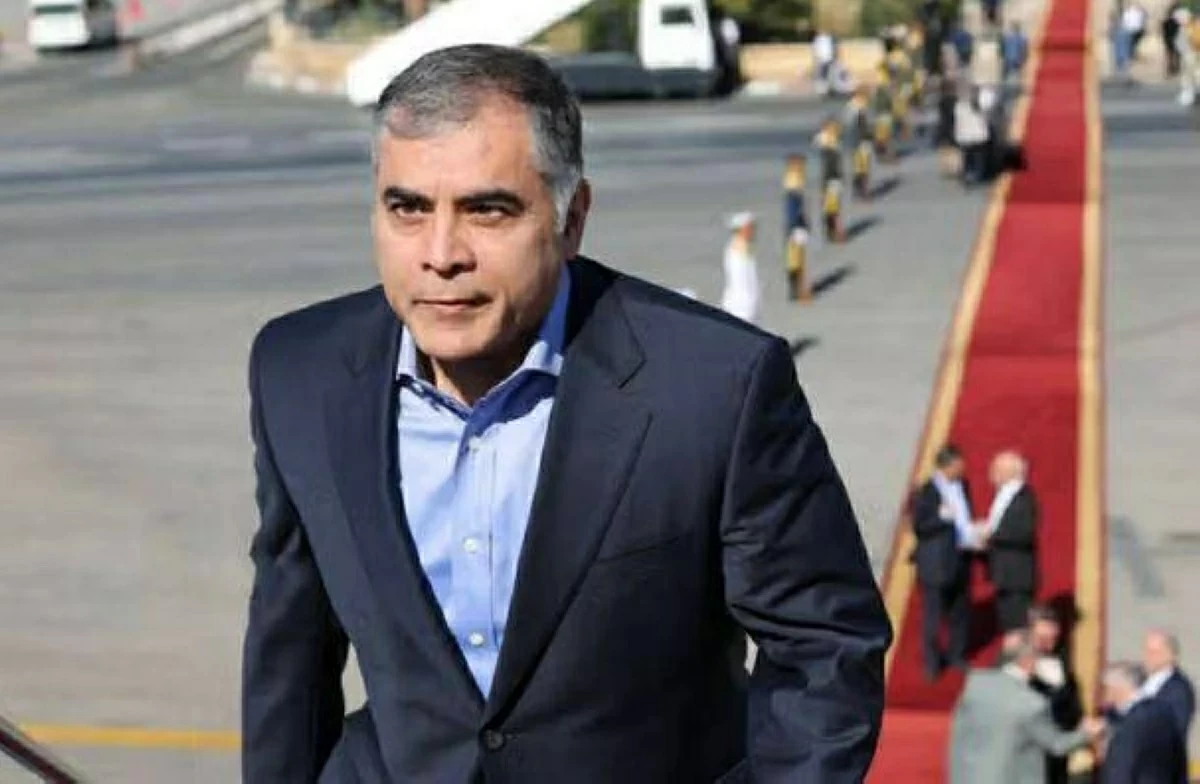
كشفت استقالة وزير النفط الإيراني محسن باك نجاد عن حجم الضغوط التي تسببت بها الحرب الدائرة بين واشنطن وطهران منذ سبعة أشهر، خصوصاً على اقتصاد البلاد.
وجاءت الاستقالة بعد تحذيرات نادرة أطلقها مستشار الأمن القومي الإيراني محسن رضائي، وتغاضت عن نشرها وسائل إعلام رسمية، باستثناء وكالة "إرنا". فقد اكتفت بالإشارة إلى أن رضائي وصف الوضع الحالي في اجتماع حكومي رفيع عقد (السبت) الماضي في طهران بأنه "من بين أصعب الفترات التي واجهتها البلاد".
وشارك في هذا الاجتماع الرئيس مسعود بزشكيان وعدد من كبار الوزراء، بحسب ما أفادت صحيفة "نيويورك تايمز". وكان بزشكيان أقر بتدهور الأوضاع الاقتصادية في منشور على وسائل التواصل الاجتماعي (السبت) الماضي، إلا أنه أكد أن الحكومة "اعتمدت نهجاً جديداً لإدارة الظروف الاستثنائية". لكنه لم يقدم تفاصيل إضافية حول طبيعة هذا النهج أو الإجراءات التي تعتزم الحكومة تنفيذها.
ومنذ اندلاع الحرب في 28 فبراير، تراجع الريال الإيراني بشكل حاد، لكن هذا التراجع تسارع خلال الأسابيع الأخيرة مع تشديد العقوبات الأمريكية واستمرار الحصار البحري الأمريكي على الموانئ الإيرانية، ما أدى إلى ارتفاع تكلفة الواردات وتعميق أزمة غلاء المعيشة التي تعاني منها إيران أساساً منذ سنوات. وهي الأزمة التي كانت قد فجرت احتجاجات واسعة في أنحاء البلاد خلال ديسمبر الماضي، قبل أن تقوم قوات الأمن بقمعها.
وأكد محللون أن الحصار البحري الأمريكي حد بشكل كبير من قدرة إيران على تصدير نفطها، وهو المصدر الرئيسي لإيرادات الدولة، ما تسبب في تفاقم أزمة الوقود داخل البلاد. وفرضت الولايات المتحدة قيوداً على معظم رحلات الطيران المدني بين إيران وبقية دول العالم، ما أضاف طبقة جديدة من العزلة الاقتصادية.
في غضون ذلك، أعلن موظفون في القطاعين العام والخاص، بينهم ممرضون ومعلمون، عبر منصات التواصل الاجتماعي ترك وظائفهم بسبب عدم كفاية الرواتب لتغطية نفقات المعيشة. وتحدثت وسائل إعلام محلية أن متقاعدين من العاملين في القطاع الحكومي نظموا احتجاجات خلال الأسابيع الأخيرة، مؤكدين أنهم لم يحصلوا على كامل مستحقاتهم التقاعدية.
The resignation of Iranian Oil Minister Mohsen Paknejad revealed the extent of the pressures caused by the ongoing war between Washington and Tehran for the past seven months, particularly on the country's economy.
The resignation came after rare warnings issued by Iranian National Security Advisor Mohsen Rezaei, which were overlooked by official media, except for the "IRNA" agency. It merely noted that Rezaei described the current situation in a high-level government meeting held last Saturday in Tehran as "one of the most difficult periods the country has faced."
This meeting included President Masoud Bezhakian and several senior ministers, according to the "New York Times." Bezhakian acknowledged the deterioration of economic conditions in a post on social media last Saturday, but he emphasized that the government "has adopted a new approach to managing exceptional circumstances." However, he did not provide additional details about the nature of this approach or the measures the government intends to implement.
Since the outbreak of the war on February 28, the Iranian rial has sharply declined, but this decline has accelerated in recent weeks with the tightening of U.S. sanctions and the continuation of the U.S. naval blockade on Iranian ports, leading to increased import costs and deepening the cost of living crisis that Iran has been suffering from for years. This crisis had sparked widespread protests across the country last December before security forces suppressed them.
Analysts confirmed that the U.S. naval blockade has significantly limited Iran's ability to export its oil, which is the main source of state revenues, exacerbating the fuel crisis within the country. The United States has imposed restrictions on most civilian flights between Iran and the rest of the world, adding a new layer of economic isolation.
Meanwhile, employees in both the public and private sectors, including nurses and teachers, announced on social media that they were leaving their jobs due to insufficient salaries to cover living expenses. Local media reported that retirees from the government sector organized protests in recent weeks, asserting that they had not received their full pension entitlements.